Summer Truffle: Flavor Profile, Health Benefits & Culinary Uses
By the QuiteRecipes team (Jamy & Kaïna)
Tuber aestivum is earth, cocoa, and toasted nut at a friendlier price. How to shave it, store it, and never cook the aroma out of it.
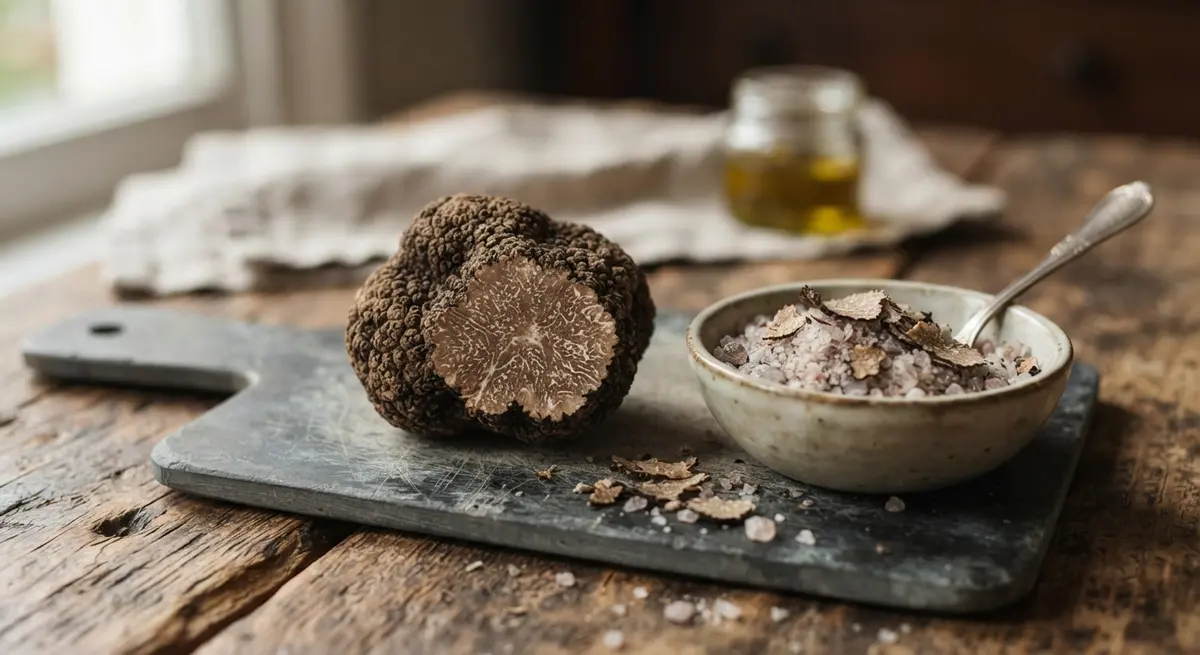
Summer truffles are the approachable cousin of the black diamond. Tuber aestivum lacks the piercing aroma of the winter Perigord truffle, but it costs a fraction, seasons reliably from June to August, and still brings that elusive earth-scent: warm, nutty, faintly reminiscent of cocoa, forest floor, and mushroom all sipping from one glass. It deserves a real place in the kitchen, not just novelty status.
Because its flavor is muted compared to winter black truffle, summer truffle rewards gentle preparation: heat silences it, so treat it as a finishing flourish and let fat carry it. Grate it over dishes at the last minute and the whole plate turns into something you remember.
Flavor Profile & Notes
Summer truffle smells quiet at first — a little mushroom, a little toasted nut, a whisper of sweet forest decay — and fills out with air and time. Its aroma develops after slicing, so cut it fresh over the plate. The flavor is earth and musk with a faint hazelnut and dried-grass finish; it lacks winter truffle's sharp, sulfury punch. Grating releases the most aroma; slicing preserves texture. It responds to warmth but not to cooking, so never simmer it — keep it at low heat or none at all. Stored in a jar with rice, it perfumes the grains without even touching them.
Health Benefits & Nutrition
Truffles are low-calorie, high-flavor mushrooms: protein, fiber, and minerals like iron and potassium, with ongoing research interest in antioxidant and antimicrobial compounds — though we eat them in small amounts. They are also a genuine prebiotic candidate thanks to their fiber profile. The practical notes: buy from reliable suppliers so species identification and freshness are assured, eat within a few days for peak aroma, and know that the intensely perfumed truffle "oil" on store shelves is usually olive oil with synthetic aroma, not a health food.
Best Culinary Pairings
Summer truffle is made for buttery, creamy, eggy dishes where quiet depth carries: scrambled eggs, risotto, tagliatelle, mashed potatoes, and white sauces. Shave it over pasta, polenta, or a warm lentil-and-goat-cheese salad the moment before serving. It is gorgeous on soft cheese and inside a warm buttered roll. Pair it with earthy partners — leeks, mushrooms, Jerusalem artichokes — and with butter, cream, eggs, or parmesan. Press a few shavings into compound butter, finish a steak with a whisper of it, or stir it into honey for a cheese board.
Quick Substitutes
Winter black truffle is the intense sibling — use half as much and handle even more gently. High-quality truffle oil gives aroma in seconds but perfumes only the finish, so use it alongside real shavings. A mushroom broth reduction with a drop of truffle essence carries the earthy depth in dishes where texture does not matter. Porcini powder with a touch of toasted hazelnut reads truffle-adjacent for a fraction of the price. None capture the fresh, airy musk; for guests, nothing substitutes.
FAQ / Quick Facts
- Do I cook summer truffles? Barely — warm them gently in cream or butter; boiling destroys their quiet aroma.
- How do I keep them? Wrap in paper towel in the fridge, change the towel daily, and eat within five to seven days.
- What does it taste like? Mellow earth, toasted nut, cocoa, and mushroom — far less pungent than winter truffle.
- Botanical family: Tuberaceae / Form: fresh, in oil, or jarred / Best uses: risotto, eggs, pasta, soft cheese.
Related Articles
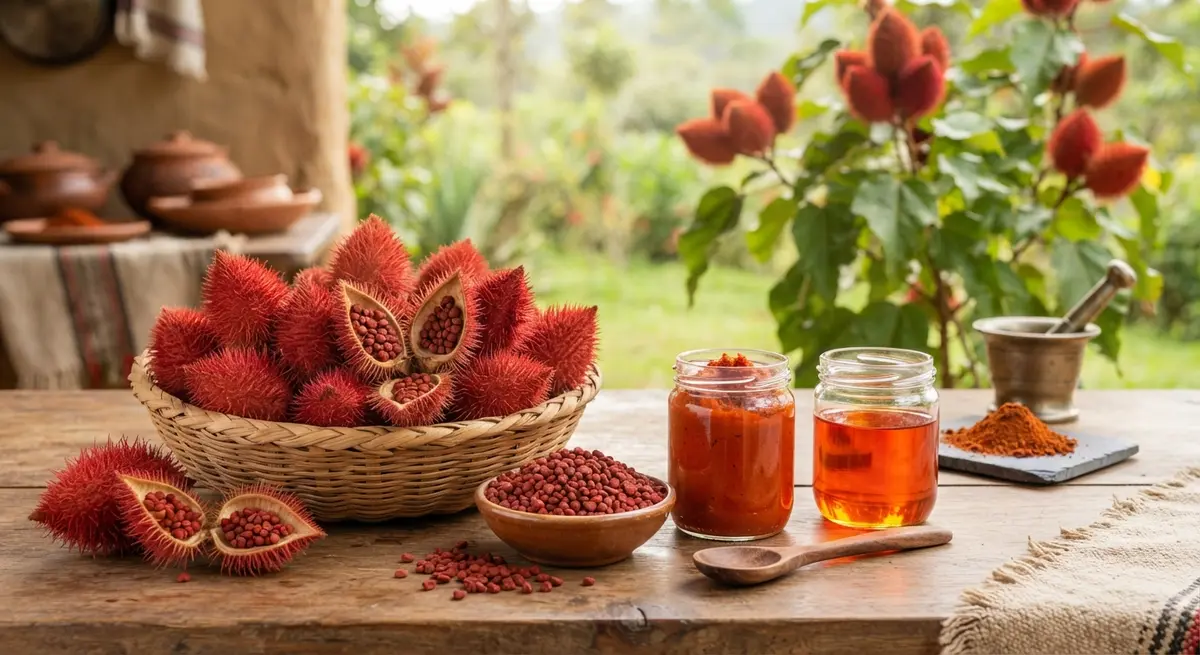
Achiote (Annatto): Flavor Profile, Health Benefits & Culinary Uses
Tiny coral-red seeds that paint food golden: the annatto tree's achiote, how to use the seeds and the Yucatan paste, and honest color substitutes.
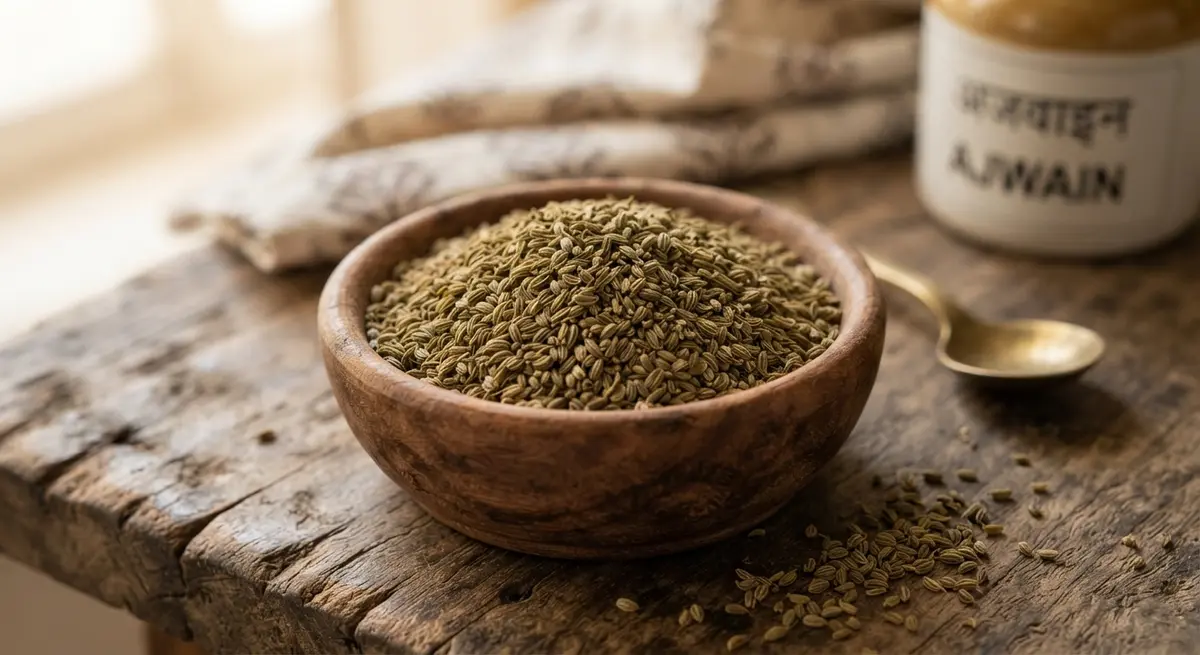
Ajwain (Carom) Seeds: Flavor Profile, Health Benefits & Culinary Uses
A tiny gray-brown seed that tastes like thyme, oregano, and cumin had a baby with a timer fuse. Here is how and why Indian kitchens use ajwain.
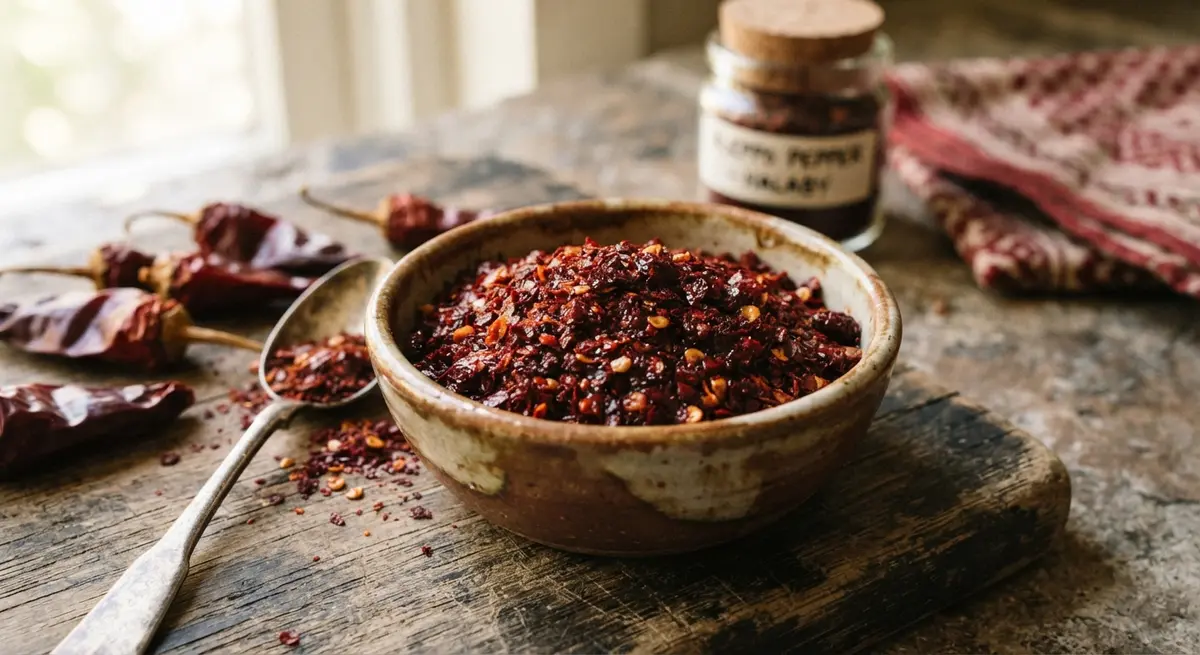
Aleppo Pepper: Flavor Profile, Health Benefits & Culinary Uses
Aleppo is the Mediterranean's gentle red flake, fruity and warm with real heat that never bites, perfect for everything from muhammara to roast carrots.
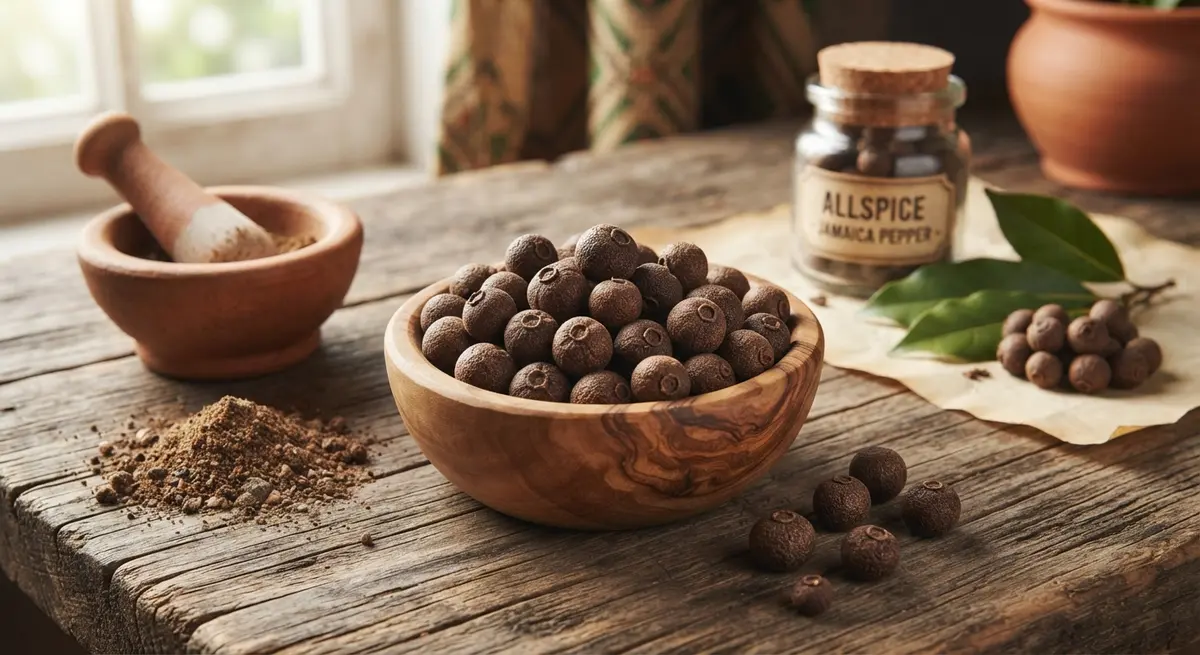
Allspice (Jamaica Pepper): Flavor Profile, Health Benefits & Culinary Uses
The original seasoning cheat: a single berry tasting of cinnamon, clove, and nutmeg, born in Jamaica, baked into jerk and grandmothers' Christmas cakes alike.
About the Authors
This recipe and guide was developed, tested, and approved in our home kitchen and daily life. Jamy is a retired Food Service District Manager and Early Childhood Program Manager who spent his career overseeing multi-site restaurant operations, large-scale culinary production, and daycare menu management. Kaïna brings the ultimate real-world test: making sure it brings ease and joy to our kids on a busy weeknight.
Read more about our professional background and philosophy →