The Beginner's Guide to Spices: Where to Start and the 10 Spices to Buy First
By the QuiteRecipes team (Jamy & Kaïna)
Walking down the spice aisle is easy to overdo. Here are the ten spices worth buying first, the order to buy them in, and how to actually use each one tonight.
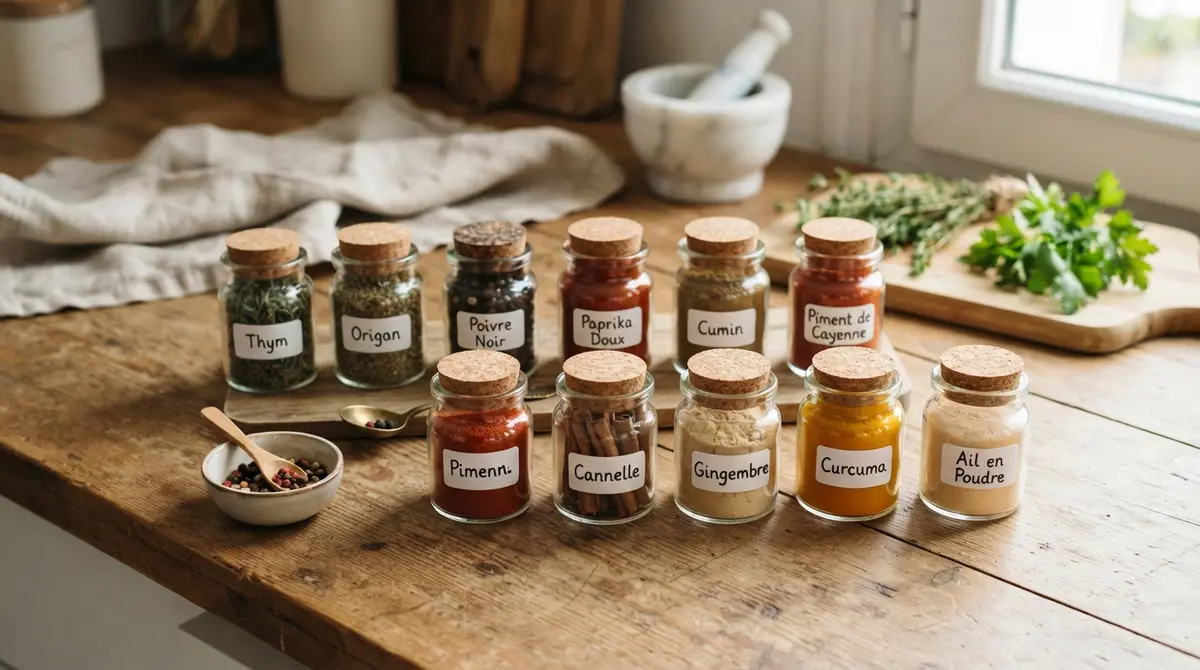
The first time I stood in front of the spice aisle, I almost turned around and left. Forty jars of things I could not pronounce, most of them looking identical, all of them promising to change my dinner. I bought a few random ones — a green jar, a pretty one, one that smelled like pizza — and went home with no idea what to do with any of them. That is exactly the experience I want you to skip.
Here is the truth about spices that nobody tells you: you do not need forty of them. You need ten, maybe twelve, and once you understand how those ten behave, every other jar in the store starts making sense. The guide below is the path I wish I had followed years ago — what to buy first, in what order, and the simple way to use each one so it actually changes what you cook.
Why Ten Spices Is the Right Place to Start
Fewer spices mean better cooking, not worse. When you have a small, well-chosen shelf you learn the personality of each spice: how it smells raw, how it smells after thirty seconds in a hot pan, what it does to a pot of beans versus a pan of eggs. That knowledge is where real confidence comes from.
- A small pantry forces you to taste as you go instead of dumping five jars into everything.
- Ten spices cover the majority of everyday cooking: eggs, roasted vegetables, chicken, rice, soups, and stews.
- You use them up before they go stale, which matters more than most people realize.
Pro tip: Buy the smallest size you can find for your first purchase. A spice you use once a week will stay fresh for months only if you actually finish it. The big value jars are a trap until you know your favorites.
The 10 Spices Worth Buying First
Here is the list, in the order you will actually reach for them, with the one simple dish each one belongs to. This is the shelf I would build for anyone starting from zero.
1. Black pepper — The most-used spice in the kitchen, and the one people get wrong most often. Buy whole peppercorns and grind at the table; the difference is not subtle, it is enormous. Lives on eggs, steak, salads, soups, everything.
2. Paprika — Warm, sweet, and forgiving. Half a teaspoon turns plain rice into rice people ask about. Works in rubs, stews, eggs, and everything with tomatoes.
3. Cumin — The backbone of Mexican, Indian, and Middle Eastern cooking. Toasted briefly, its flavor goes from dusty to brilliant. Essential for beans, tacos, chili, and roast carrots.
4. Chili powder — Not one spice but a blend of a few, which makes it beginner-proof. Adds gentle heat and color to soups, eggs, and anything you want to taste "warmer."
5. Garlic powder — The busy-person's short cut that still tastes better than you expect. Different from fresh garlic: sweeter, rounder, instant. Best in rubs, dry marinades, and when fresh garlic would burn.
6. Cinnamon — The bridge between sweet and savory. A pinch in chili or a whole stick in tomato sauce sounds wrong and tastes right. Cinnamon also does the obvious job in oatmeal, apples, and baked goods.
7. Oregano — The dried herb of pizza, pasta, and anything with tomato. More aroma than heat, and it loves olive oil. Dried oregano is one of the few herbs that improves by drying and stays good for a long shelf life.
8. Coriander — The seed of the cilantro plant, which is why it confuses everyone: it tastes nothing like fresh cilantro. Citrusy and warm, brilliant on roasted carrots, in curry, and rubbed on chicken.
9. Turmeric — Earthy, golden, and slightly bitter on its own. It is more about color and depth than loud flavor, and it turns any dish into something that looks like you tried harder. Rice, soups, roasted cauliflower.
10. Red pepper flakes — Your heat on demand. Unlike chili powder, flakes add visible spice and a little texture. Sprinkle on pizza, pasta, roasted vegetables, and eggs.
Pro tip: keep a permanent marker and write the purchase year under each jar. When a spice passes the two-year mark without being finished, you either use it more or buy it smaller.
How to Use Each Spice Tonight
The fastest way to learn a spice is to give it a single, obvious job. Do not build a complicated plan; just let each spice show up in its natural habitat:
- Scramble eggs with black pepper and a pinch of paprika.
- Roast a pan of carrots with cumin, coriander, and a little salt.
- Make rice and stir in a teaspoon of turmeric with the cooking water.
- Simmer chili or beans with cumin, chili powder, and a whisper of cinnamon.
- Rub chicken thighs with garlic powder, paprika, and black pepper before pan-searing.
Each of these takes the same time it already takes — you are just adding spice to food you were going to cook anyway.
When to Add a Spice: Oil, Water, Heat
Spices behave differently depending on when you add them, and this one habit will teach you more than any recipe:
- Into hot oil at the start — this "blooms" the spice, unlocking fat-soluble flavors. Great for cumin, chili powder, and curry-style cooking.
- Into the liquid while simmering — the gentle path, good for gentle spices like coriander and turmeric that can turn bitter if scorched.
- At the very end — for fresh, bright, top-note flavor, especially with herbs like oregano and re-ground pepper, so the heat does not fade them.
None of these are wrong; they just create different food. Try the same spice the same way twice and you will feel the difference by the second dinner.
The Spices Beyond the First Ten
Once these ten feel like old friends, the next layer writes itself based on what you like to cook. If you love curries, buy garam masala and fenugreek. If you bake, bring in ginger and cloves. If you cook a lot of Moroccan food, ras el hanout earns its spot. Wait until a recipe genuinely needs a spice before you buy it, and your shelf will always be a reflection of what you actually cook — not a delighted impulse buy with no home.
The goal was never the shelf. The goal is dinner you are proud of, cooked on a Tuesday, with ten jars and not forty. That is where the real fun starts.
Related Articles
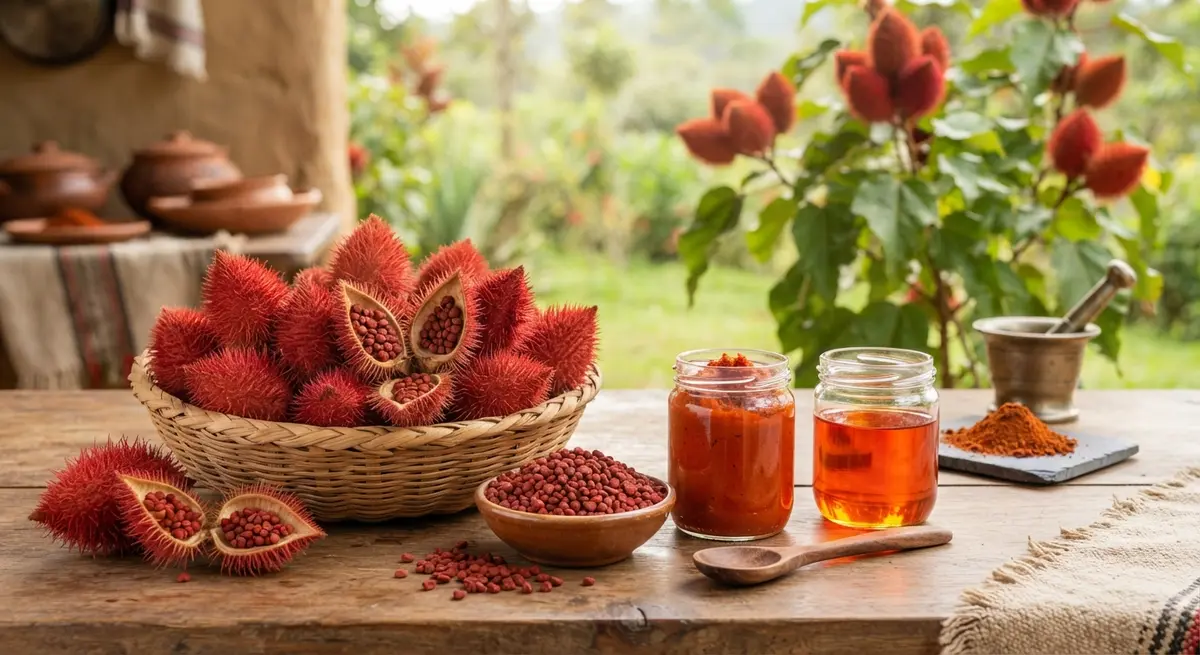
Achiote (Annatto): Flavor Profile, Health Benefits & Culinary Uses
Tiny coral-red seeds that paint food golden: the annatto tree's achiote, how to use the seeds and the Yucatan paste, and honest color substitutes.
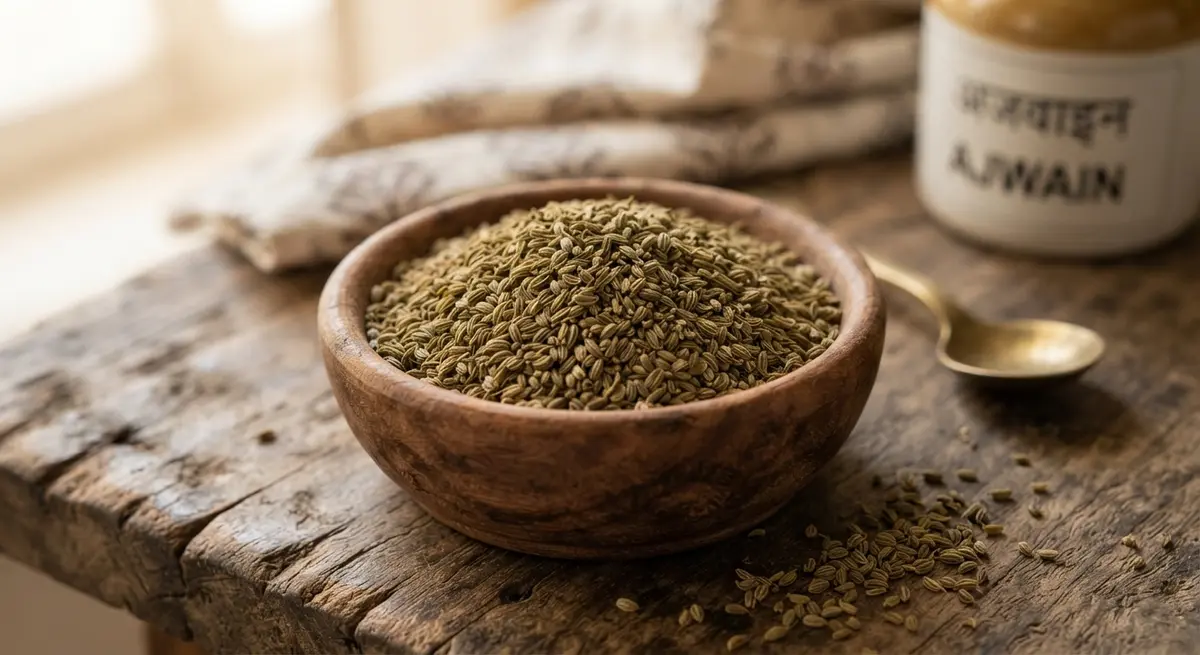
Ajwain (Carom) Seeds: Flavor Profile, Health Benefits & Culinary Uses
A tiny gray-brown seed that tastes like thyme, oregano, and cumin had a baby with a timer fuse. Here is how and why Indian kitchens use ajwain.
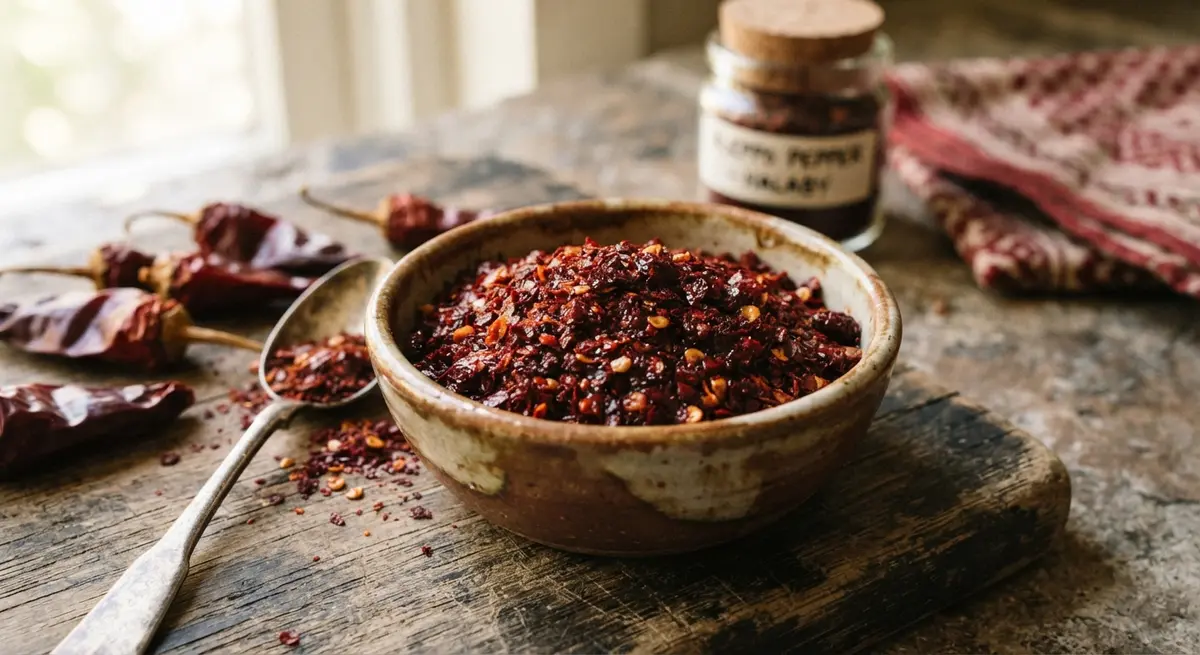
Aleppo Pepper: Flavor Profile, Health Benefits & Culinary Uses
Aleppo is the Mediterranean's gentle red flake, fruity and warm with real heat that never bites, perfect for everything from muhammara to roast carrots.
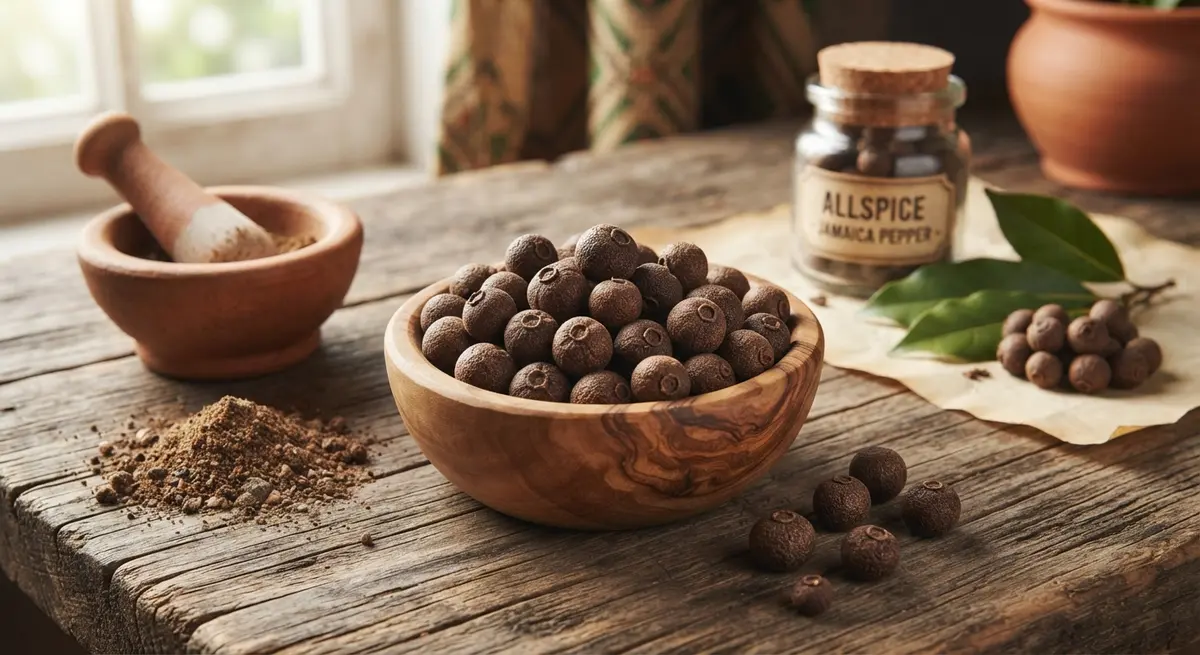
Allspice (Jamaica Pepper): Flavor Profile, Health Benefits & Culinary Uses
The original seasoning cheat: a single berry tasting of cinnamon, clove, and nutmeg, born in Jamaica, baked into jerk and grandmothers' Christmas cakes alike.
About the Authors
This recipe and guide was developed, tested, and approved in our home kitchen and daily life. Jamy is a retired Food Service District Manager and Early Childhood Program Manager who spent his career overseeing multi-site restaurant operations, large-scale culinary production, and daycare menu management. Kaïna brings the ultimate real-world test: making sure it brings ease and joy to our kids on a busy weeknight.
Read more about our professional background and philosophy →