Slippery Elm Bark Powder: Flavor Profile, Health Benefits & Culinary Uses
By the QuiteRecipes team (Jamy & Kaïna)
The tree's velvet apology: a nearly tasteless bark powder that coats and soothes. How to stir the gel, avoid the seize, and respect the risks.
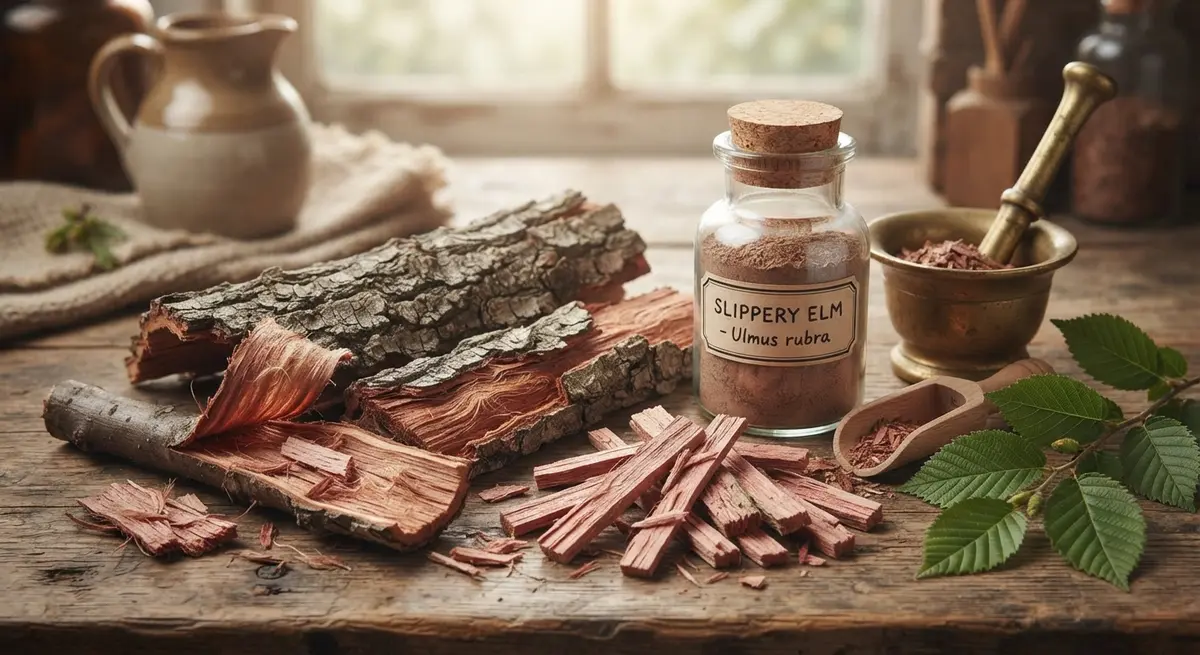
Slippery elm bark powder is the tree's velvet apology: the inner bark of Ulmus rubra strips into a smooth, mucilage-rich powder that traditional Native American and pioneer medicine prized as a coating, soothing agent for throats and stomachs. It is back on the wellness shelf today as a gentle herbal — and it tastes almost like nothing, which is precisely the point.
Slippery elm is not a flavor spice; it is a texture herb. Mixed with water it forms a soft gel that coats and calms, and that is the entire story.
Flavor Profile & Notes
Slippery elm powder is beige-white, ultra-fine, and virtually flavorless — a faint woody sweetness with a raw-nutty undertone, the mildest imaginable. Stir it into water and it swells into a smooth, slick porridge with a soft, mucilaginous mouthfeel that coats the tongue. It pairs with cinnamon, honey, ginger, and oat-based drinks, and it does structural work too: it thickens puddings, smoothies, and gruels without altering flavor. Overmixing makes it stringy; dissolve slowly and whisk gently. Fresh powder is pale and cream-colored — darkened, hard particles mean old stock.
Health Benefits & Nutrition
The science side is the longer sentence: slippery elm's silky polysaccharides are why it has a genuine — if modest — track record as a throat-coating supplement and digestive comfort aid, and it appears in many over-the-counter demulcent lozenges. Research on effectiveness is thin; its value is largely physical. Important honesty: slippery elm can delay absorption of medications, and it is not for everyone — pregnant women and anyone on heart or blood medicine should check with a professional before daily use. Like all herbal products, it is a pantry comfort, not a replacement for medical care.
Best Culinary Pairings
Blend slippery elm into a mug of warm milk with honey and cinnamon — a real home remedy that tastes like a hug — or stir it into oatmeal, smoothies, and puddings for a velvety bump-up. Traditional uses add it to broths and soups as a quiet thickener. Mixing with licorice root tea and ginger makes a classic throat-coat formula. In fruit- and tomato-based dishes it can seize up, so keep it to neutral, warm, slightly sweet bases. The nod to the old apothecary: a spoonful in warm water with lemon is the whole heritage, done right.
Quick Substitutes
For coat-and-soothe texture, marshmallow root is the closest sibling — same mucilage family, milder flavor. Psyllium husk gels but brings a sharp wheat taste; okra and chia perform the slippery act in cooking. If you want the demulcent effect in a drink, a pinch of oat bran or rice flour thickens similarly, and honey alone coats a throat nicely. None deliver slippery elm's exact smooth, neutral gel, but for most recipes one of the twins above finishes the job.
FAQ / Quick Facts
- What is it used for? Traditional use is as a coating, soothing herb for throat and digestive comfort, and as a thickener in foods.
- How do I mix it? Whisk slowly into warm liquid, about a teaspoon per cup, and drink promptly; it thickens as it sits.
- What does it taste like? Almost nothing — a faint woody-nutty sweetness, which is its gift in the kitchen.
- Botanical family: Ulmaceae / Form: inner bark powder / Best uses: soothing drinks, thickeners, herbal throat blends.
Related Articles
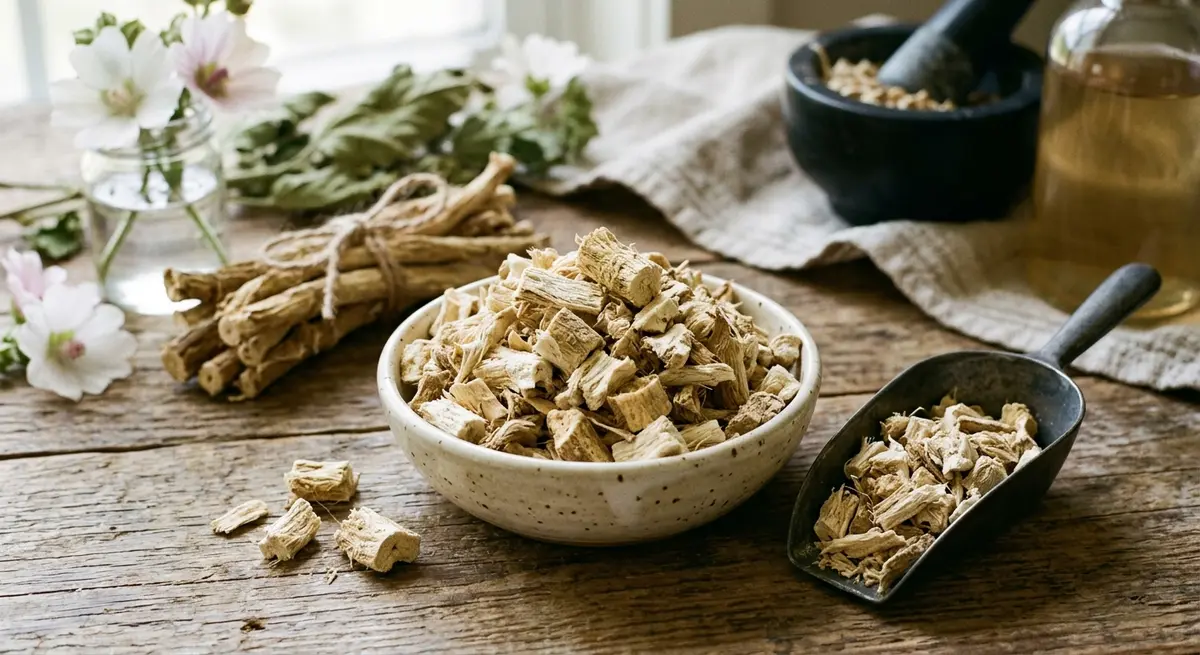
Marshmallow Root: Flavor Profile, Health Benefits & Culinary Uses
An almost-tasteless root whose whole gift is its gel. How to steep the mucilage, where it thickens, and why it is a comfort, not a medicine.
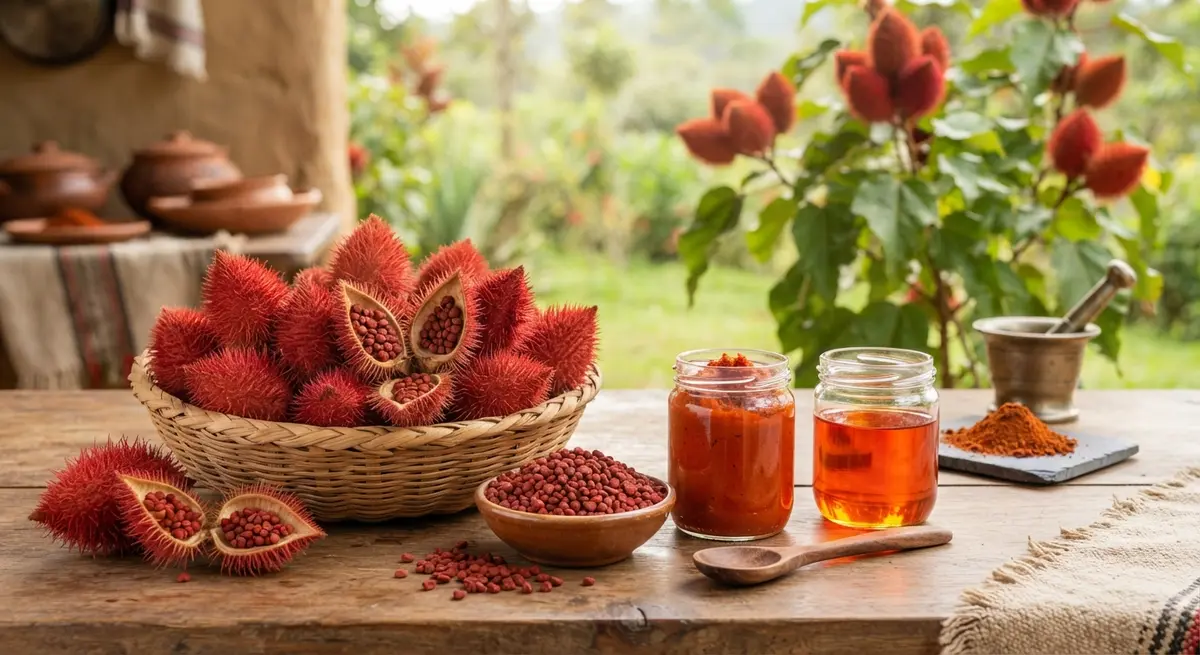
Achiote (Annatto): Flavor Profile, Health Benefits & Culinary Uses
Tiny coral-red seeds that paint food golden: the annatto tree's achiote, how to use the seeds and the Yucatan paste, and honest color substitutes.
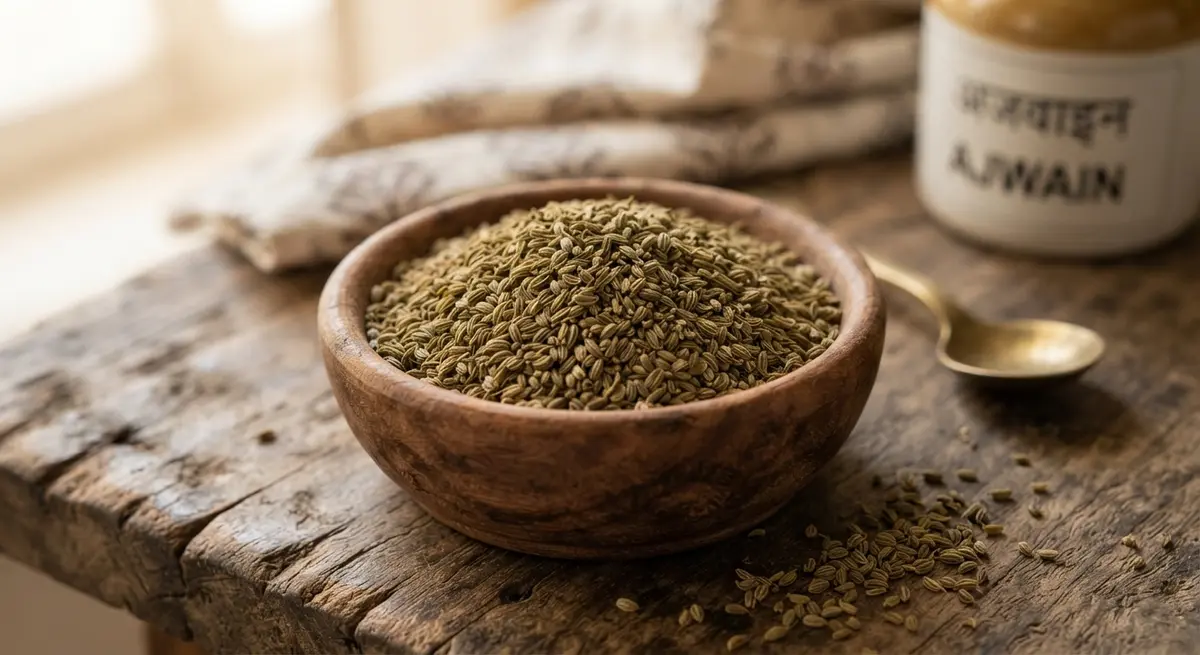
Ajwain (Carom) Seeds: Flavor Profile, Health Benefits & Culinary Uses
A tiny gray-brown seed that tastes like thyme, oregano, and cumin had a baby with a timer fuse. Here is how and why Indian kitchens use ajwain.
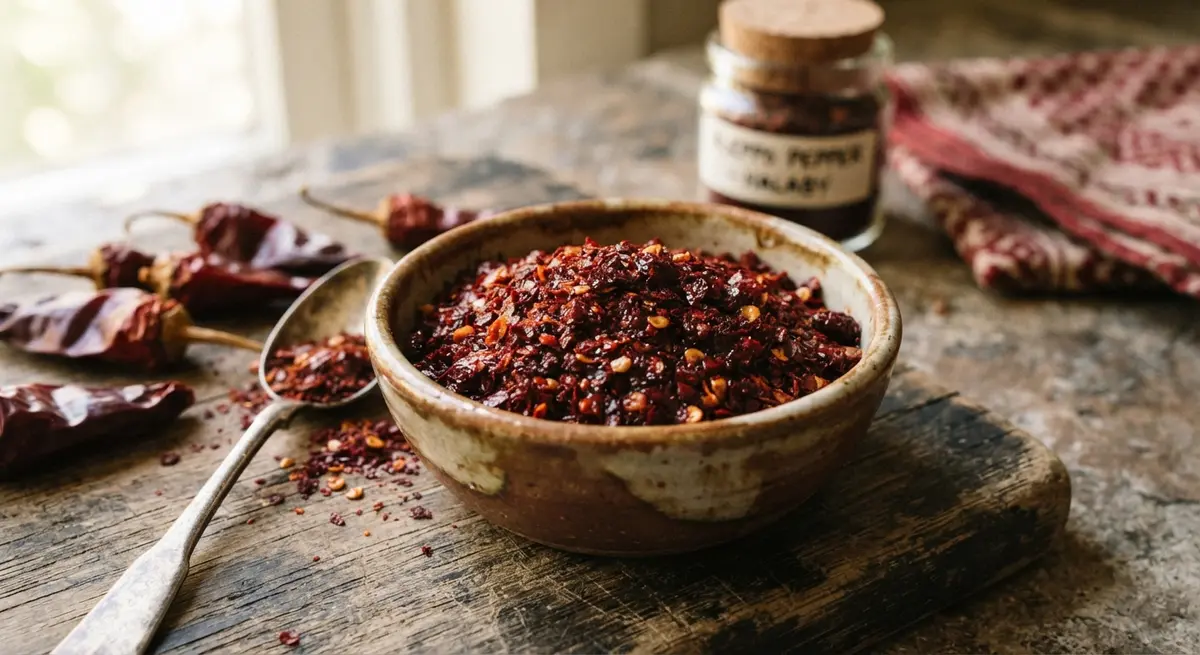
Aleppo Pepper: Flavor Profile, Health Benefits & Culinary Uses
Aleppo is the Mediterranean's gentle red flake, fruity and warm with real heat that never bites, perfect for everything from muhammara to roast carrots.
About the Authors
This recipe and guide was developed, tested, and approved in our home kitchen and daily life. Jamy is a retired Food Service District Manager and Early Childhood Program Manager who spent his career overseeing multi-site restaurant operations, large-scale culinary production, and daycare menu management. Kaïna brings the ultimate real-world test: making sure it brings ease and joy to our kids on a busy weeknight.
Read more about our professional background and philosophy →