Marshmallow Root: Flavor Profile, Health Benefits & Culinary Uses
By the QuiteRecipes team (Jamy & Kaïna)
An almost-tasteless root whose whole gift is its gel. How to steep the mucilage, where it thickens, and why it is a comfort, not a medicine.
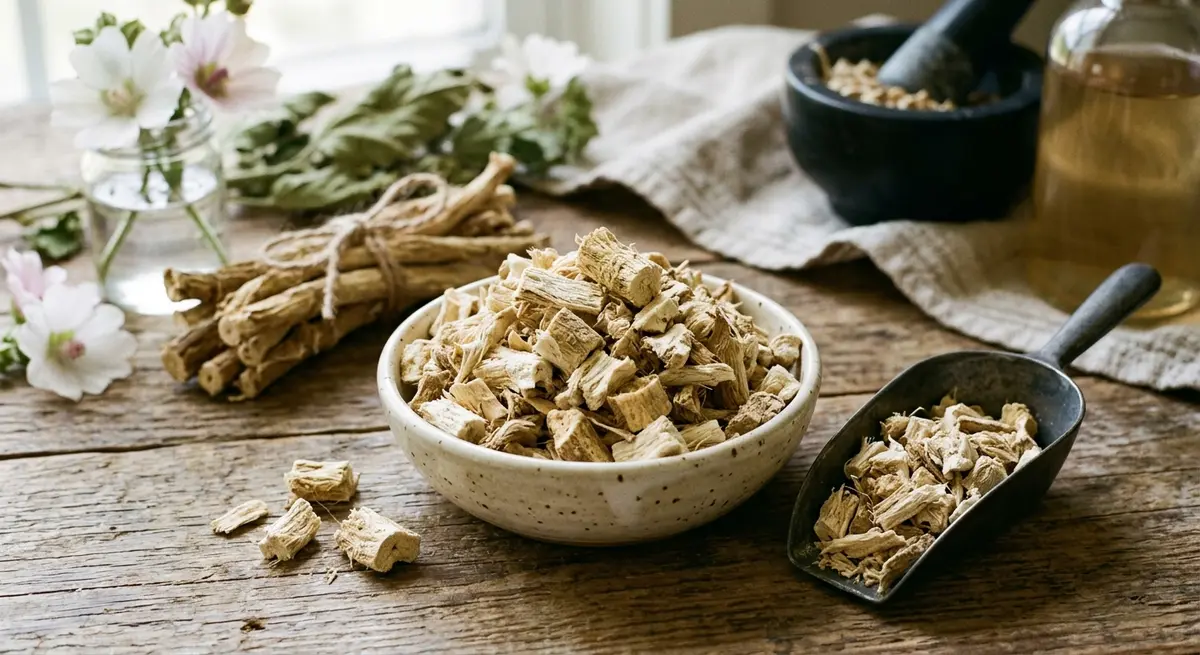
Marshmallow root is where the candy's name comes from — the fluffy plant (Althaea officinalis) once foraged for apothecary and sweet purposes, not dessert. The root is packed with mucilage, a thick, slippery gel that soothes everything it touches, giving it history as a "slippery" throat medicine. Today you are more likely to meet it dried in herbal teas than on the candy shelf.
It tastes, at first, almost like nothing — faintly sweet, lightly starchy, a bit like a soft turnip — and its value is precisely that neutrality plus the comforting, coating body it gives drinks and syrups.
Flavor Profile & Notes
Marshmallow root's taste is astonishingly subtle: a clean, earthy-sweet base with a whisper of melon and water chestnut, like a starchier parsnip with no heat. Steep it in cold water for hours or overnight — the mucilage releases gradually and better cold than hot — and the liquid becomes thick, almost viscous, and faintly sweet. That slick richness is the point: it coats, smooths, and softens. Dried slivers stay white and firm in the jar; ground root turns into a pale powdery thickener. It plays well with honey, citrus, licorice, and any tea leaf you add.
Health Benefits & Nutrition
The root's mucilage is why traditional medicine used it for sore throats and indigestion — it coats the throat and digestive lining as it passes, a gentle, physical comfort for dryness and irritation. It is also slightly nutritious, with trace minerals and fiber. The evidence is ancient and experiential rather than clinical; modern reviews note the mucilage action but mark strong claims as unproven. Treat it as a soothing tea ingredient — one or two teaspoons per cup, steeped cold or warm, up to daily use for most people. Check with a doctor if you take medication or manage a health condition.
Best Culinary Pairings
Marshmallow root belongs to the tea cabinet: blend it with chamomile, mint, rose, licorice, or ginger for a coating, comforting infusion; add honey and a squeeze of lemon and it reads like a DIY throat-coat syrup. A tablespoon of the dried root in a pot of herbal tea thickens the mouthfeel without changing flavor. In homemade syrups it can replace commercial thickeners. Pair it with vanilla and cane sugar for an old-fashioned nostalgia syrup. As a food, it is neither bitter nor sweet; it sits quietly and supports.
Quick Substitutes
For mucilage-style thickness, use a pinch of xanthan gum, okra pods with their same slip, or a spoonful of soaked chia. For soothing-tea body, chia hydrates into a similar gel. Licorice root adds sweetness and coating but carries its own blood-pressure caution. If you only need the subtle sweet-starchy taste, a teaspoon of grated turnip matches the quiet note. For syrup purposes anything will work; the true coating is marshmallow root's specialty.
FAQ / Quick Facts
- How do I steep it? Cold water overnight, or warm water for 15 to 20 minutes; cold releases more mucilage.
- Is it safe to eat daily? For most adults, in moderate tea amounts, yes — but medications and medical conditions call for a doctor's input.
- What does it taste like? Almost nothing — faintly sweet, slightly starchy, extremely calm.
- Botanical family: Malvaceae / Form: dried root, powder, extracts / Best uses: herbal teas, syrups, soothing beverages.
Related Articles
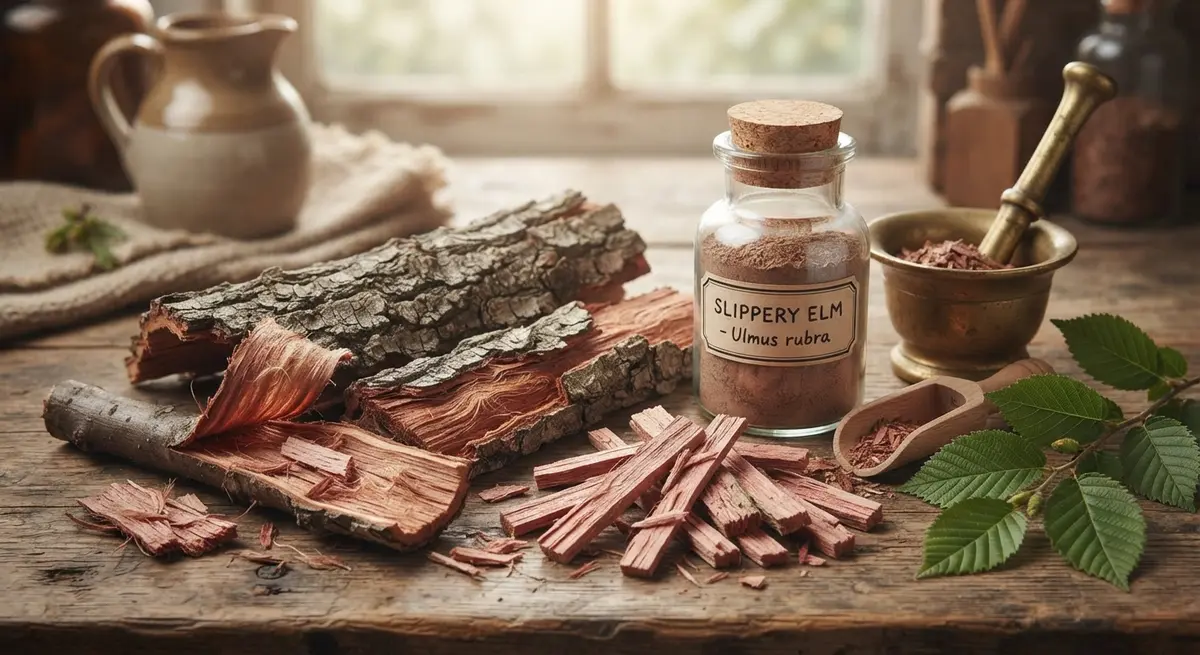
Slippery Elm Bark Powder: Flavor Profile, Health Benefits & Culinary Uses
The tree's velvet apology: a nearly tasteless bark powder that coats and soothes. How to stir the gel, avoid the seize, and respect the risks.
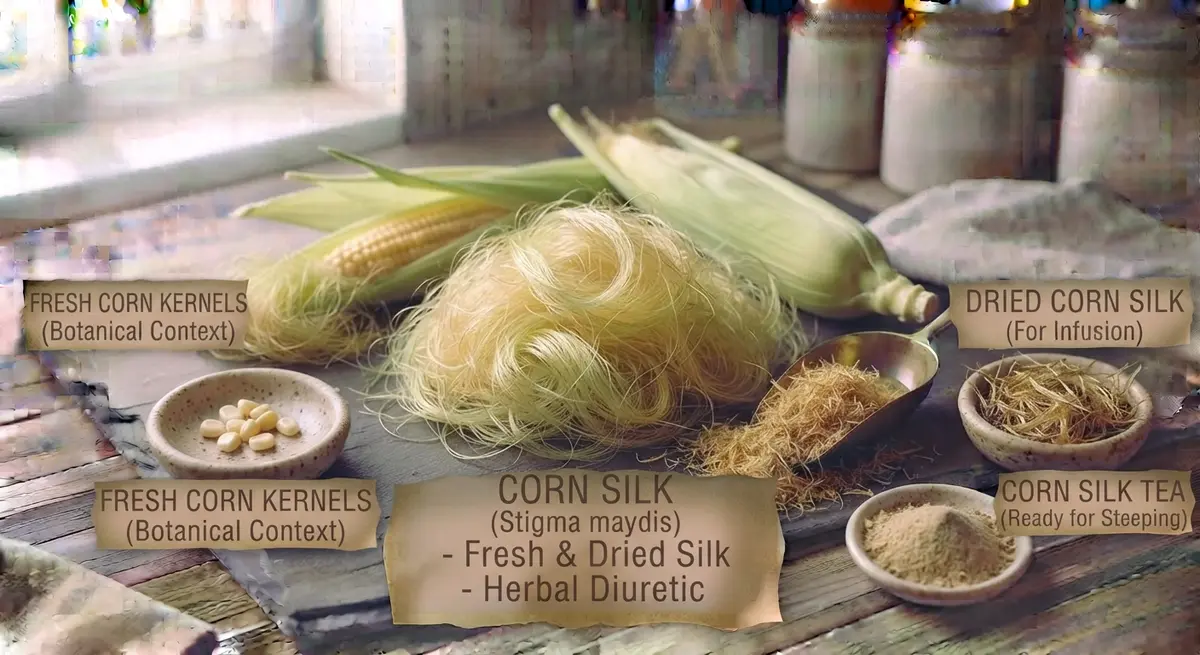
Dried Corn Silk: Flavor Profile, Health Benefits & Culinary Uses
The golden fringe from fresh corn brews a gentle, hay-sweet tisane. How to dry it, steep it, and blend it, plus honest cautions.
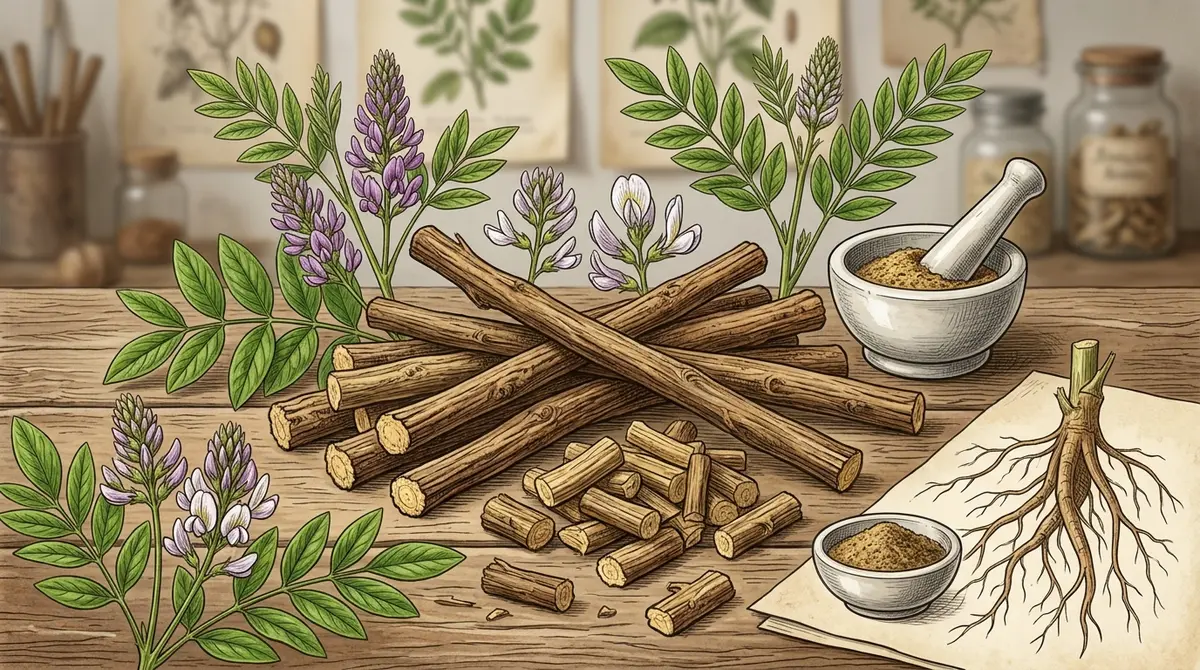
Licorice Root: Flavor Profile, Health Benefits & Culinary Uses
The root that whispers, surprisingly of sweetness: what licorice tastes like, where it shows up in drinks and spice blends, and the blood-pressure line you should respect.
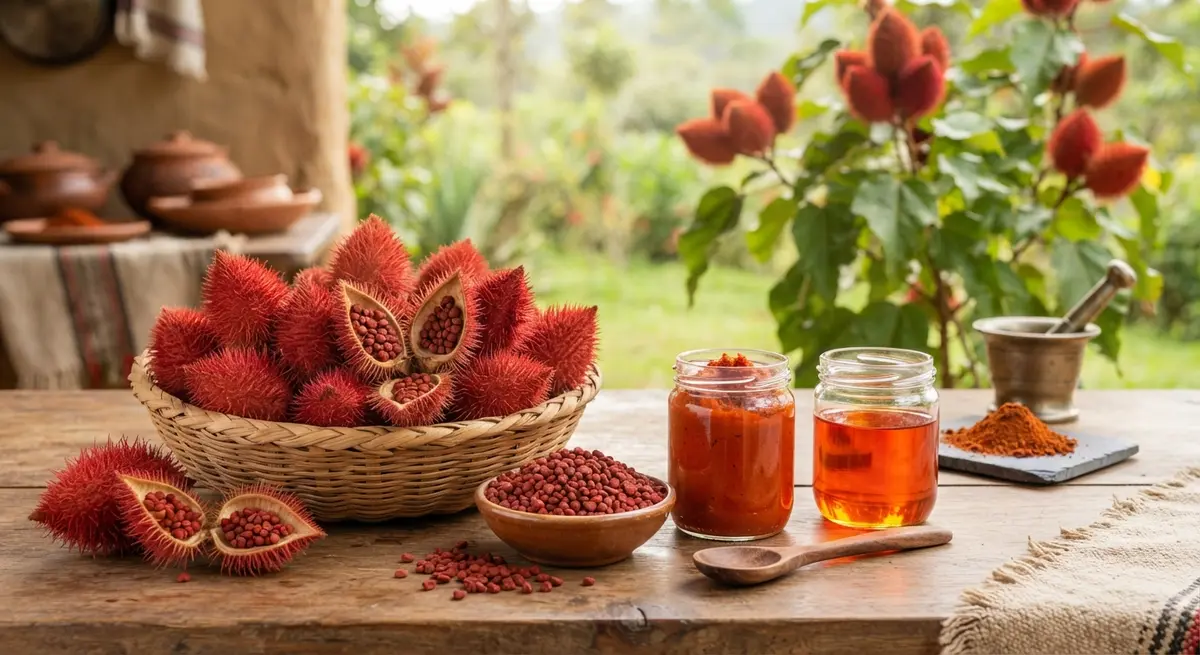
Achiote (Annatto): Flavor Profile, Health Benefits & Culinary Uses
Tiny coral-red seeds that paint food golden: the annatto tree's achiote, how to use the seeds and the Yucatan paste, and honest color substitutes.
About the Authors
This recipe and guide was developed, tested, and approved in our home kitchen and daily life. Jamy is a retired Food Service District Manager and Early Childhood Program Manager who spent his career overseeing multi-site restaurant operations, large-scale culinary production, and daycare menu management. Kaïna brings the ultimate real-world test: making sure it brings ease and joy to our kids on a busy weeknight.
Read more about our professional background and philosophy →