Selim Pepper: Flavor Profile, Health Benefits & Culinary Uses
By the QuiteRecipes team (Jamy & Kaïna)
Grains of Selim are smoky, bittersweet pods, rarely true pepper at all, and the essential background note in West African pepper soup and game stews.
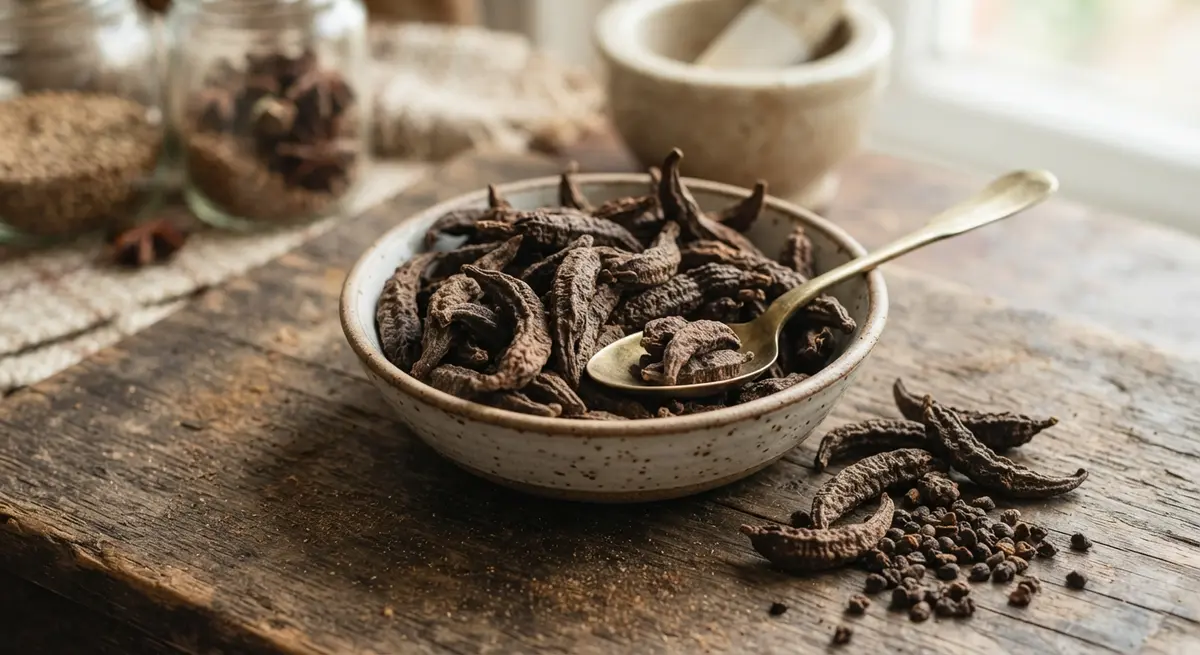
Selim pepper is one of the most misunderstood jars in the spice aisle, and also one of the most rewarding. Botanically it is not pepper at all: it is the dried fruit of Xylopia aethiopica, a tree in the custard-apple family that grows wild across West Africa, and it arrives as small, dark, slightly ribbed pods with a hard woody shell that you must not eat whole. Treat it like a cinnamon stick or bay leaf — simmer whole or grind into blends — and it repays you with one of the boldest, smokiest seasonings in African cooking. Crack a pod and you smell clove and camphor over cocoa and warm wood; the taste echoes that, bracing and bittersweet.
It is the soul of West African pepper soup.
Flavor Profile & Notes
Smoky and musky with clove, camphor, and dark-chocolate notes over a woody, slightly bitter base, and a warmth that reads more like spice than chili heat. The knots of pod hold the flavor tenaciously, so they can be simmered whole for hours. For a dry rub, crack the pods, toast the seeds briefly, and grind. Sift well — bits of woody shell are unpleasant to bite.
Health Benefits & Nutrition
Across West Africa, Xylopia aethiopica has long folk use as a digestive and postpartum tonic. The modern evidence is thin: it is a flavorful spice with a respected heritage, not a supplement. If you are curious about the traditional medicinal claims, ask a knowledgeable herbalist.
Best Culinary Pairings
Pepper soup is its true home: chicken or goat pepper soup studded with whole, bruised pods. It also belongs in slow game stews, where the smoke meets heavy meat — think beef, lamb, or goat simmered with tomatoes, onion, and scotch bonnet. Rub it, ground, onto duck or lamb before roasting, or drop a pod into a pot of braised beans for a mysterious depth. A tiny pinch of the powder does wonders in barbecue spice mixes, lending smoke without a drop of liquid smoke.
Quick Substitutes
There is no real equal, but for the smoky warmth, combine black pepper with a small pinch of allspice and a whisper of smoked paprika. If a recipe is African and simply wants the base note, a piece of star anise with a clove gets you in the same mood. Whatever you reach for, remember that selim is meant to be bruised, simmered, and pulled out — not bitten.
FAQ / Quick Facts
- How long does it keep? Whole pods keep their punch for over a year in a sealed jar; ground powder fades within a few months.
- Can you eat the pods? Not whole — they are hard and woody; bruise them for simmering or grind the interior seeds.
- Why is it called pepper? Traders dubbed it so for its pepper-like warmth, though it belongs to the custard-apple family.
- Botanical family / Form / Best uses: Xylopia aethiopica (Annonaceae) / dried pods, bruised whole or ground / pepper soup, stews, braises, and rubs.
Related Articles
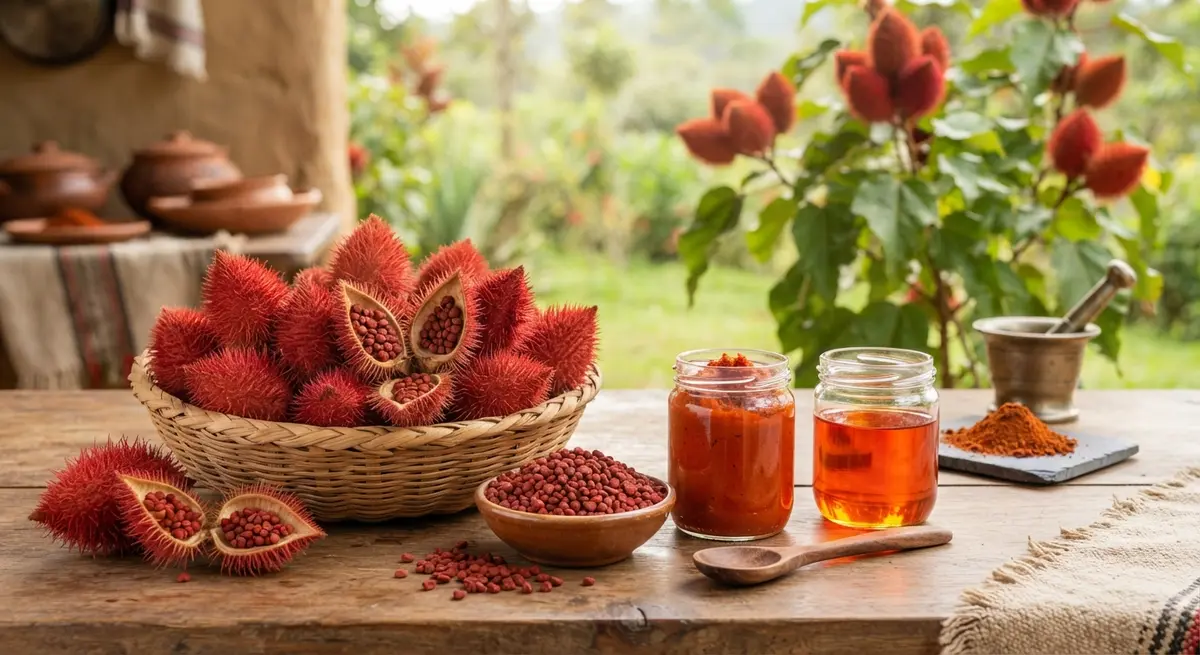
Achiote (Annatto): Flavor Profile, Health Benefits & Culinary Uses
Tiny coral-red seeds that paint food golden: the annatto tree's achiote, how to use the seeds and the Yucatan paste, and honest color substitutes.
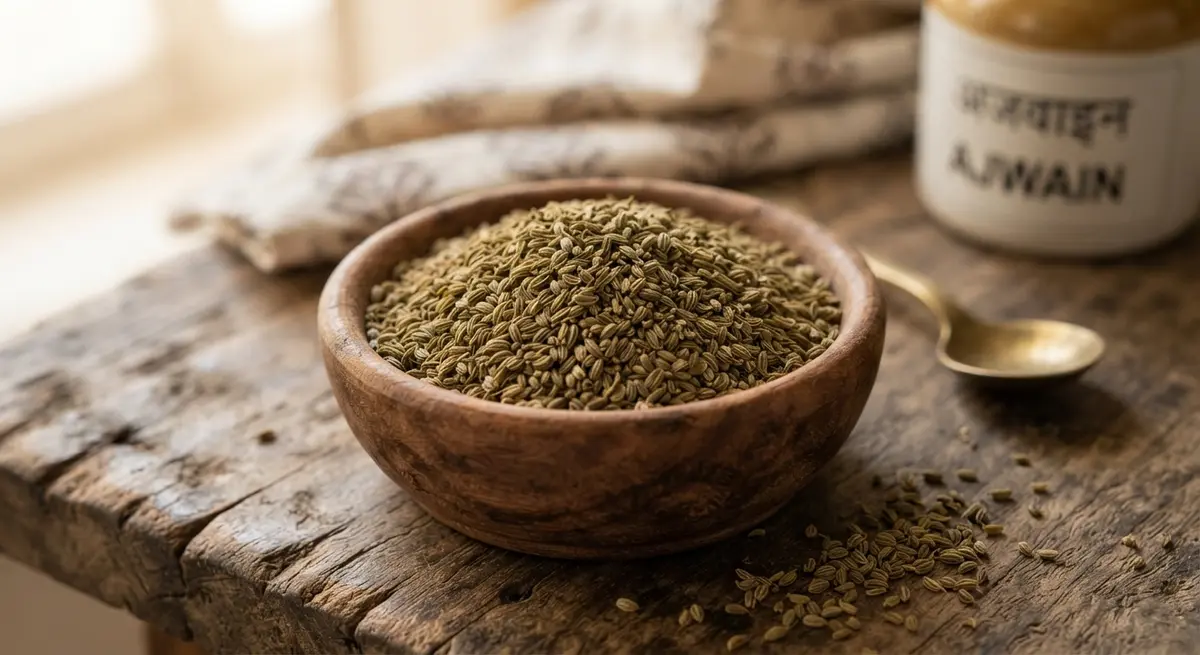
Ajwain (Carom) Seeds: Flavor Profile, Health Benefits & Culinary Uses
A tiny gray-brown seed that tastes like thyme, oregano, and cumin had a baby with a timer fuse. Here is how and why Indian kitchens use ajwain.
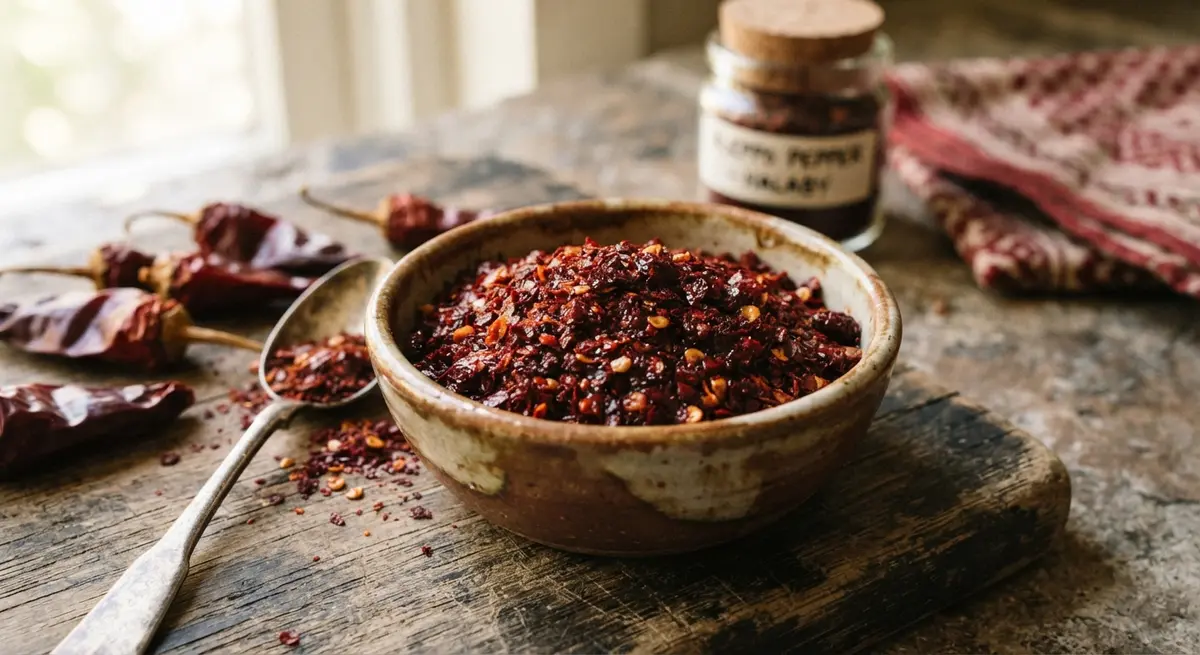
Aleppo Pepper: Flavor Profile, Health Benefits & Culinary Uses
Aleppo is the Mediterranean's gentle red flake, fruity and warm with real heat that never bites, perfect for everything from muhammara to roast carrots.
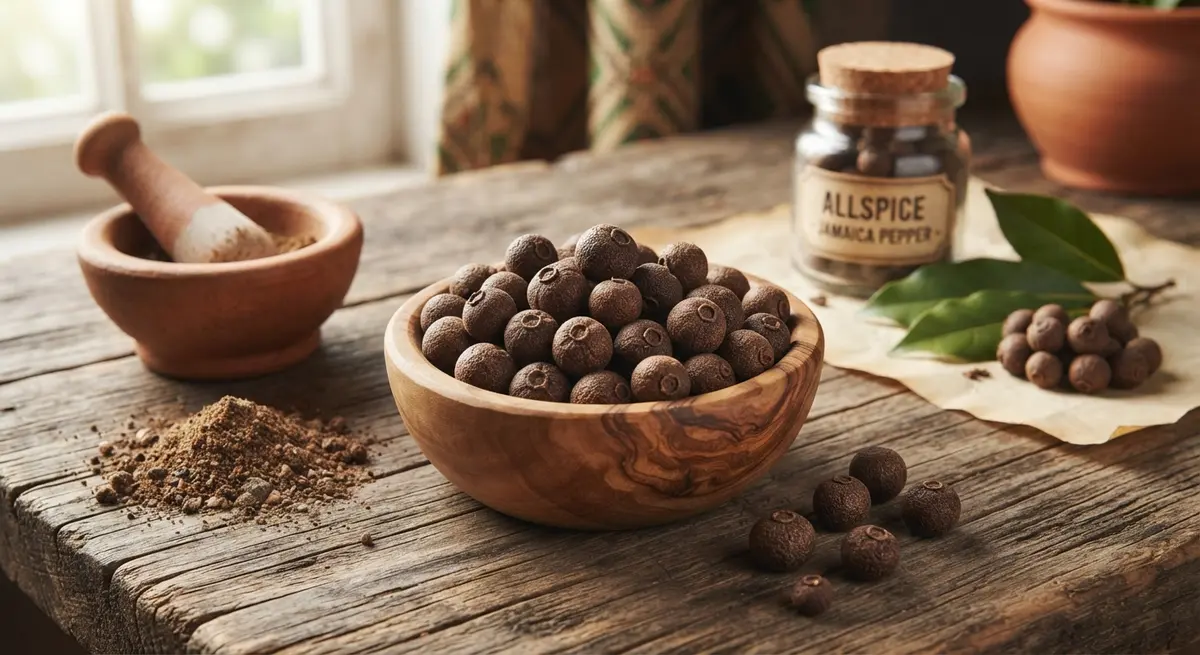
Allspice (Jamaica Pepper): Flavor Profile, Health Benefits & Culinary Uses
The original seasoning cheat: a single berry tasting of cinnamon, clove, and nutmeg, born in Jamaica, baked into jerk and grandmothers' Christmas cakes alike.
About the Authors
This recipe and guide was developed, tested, and approved in our home kitchen and daily life. Jamy is a retired Food Service District Manager and Early Childhood Program Manager who spent his career overseeing multi-site restaurant operations, large-scale culinary production, and daycare menu management. Kaïna brings the ultimate real-world test: making sure it brings ease and joy to our kids on a busy weeknight.
Read more about our professional background and philosophy →