Saffron: Flavor Profile, Health Benefits & Culinary Uses
By the QuiteRecipes team (Jamy & Kaïna)
It takes about 150 flowers to produce a single gram of saffron, which tells you everything about the price. Here is how to buy real threads and use them well.
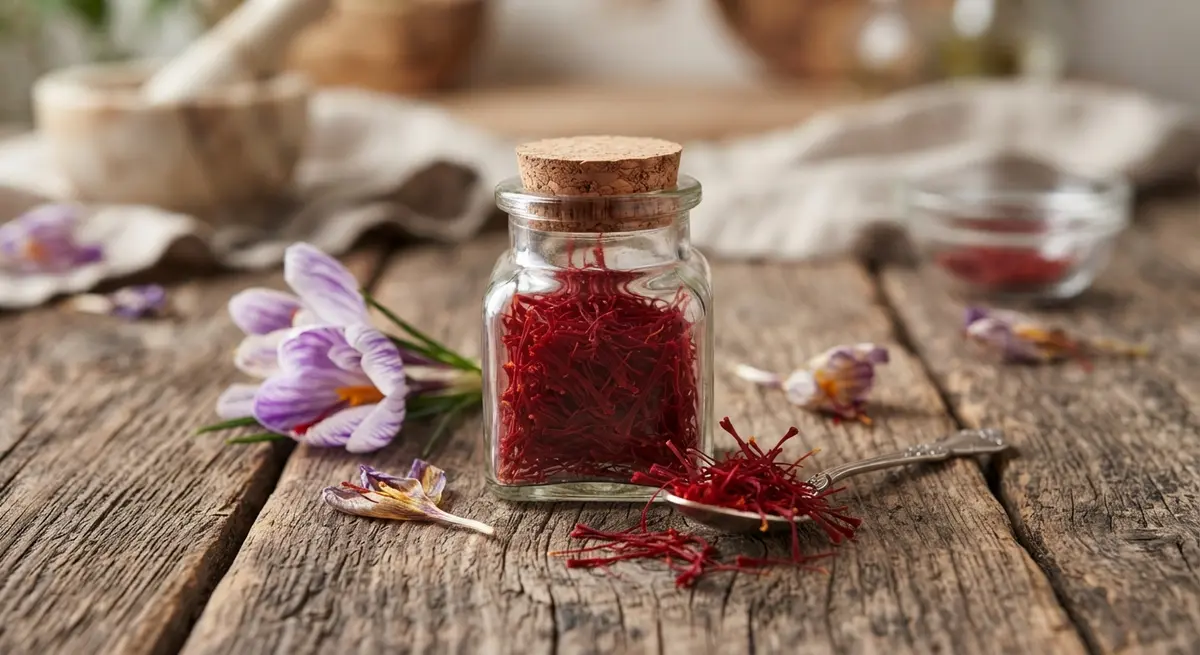
Saffron is the world's most expensive spice, and the reason is arithmetic. It is the dried stigma — three tiny threads — of the autumn-flowering crocus, Crocus sativus, and each flower yields about three strands of saffron. Around 150 flowers make a single gram, and every one of those flowers is still picked by hand, early in the morning, before the sun softens the threads. That is why a small tin costs what it costs, and why so few cooks have actually tasted the real thing.
It is also one of the most misunderstood spices in the pantry: bought faded, stored wrong, or thrown into a dish whole and wasted. Done right, saffron turns plain rice into paella, plain broth into gold, and plain desserts into celebrations.
Flavor Profile & Notes
The flavor is honey, hay, and a gentle, slightly bitter floral note, with an aroma so powerful that a few threads carry a whole pot. Two compounds do the work: crocin gives the golden color, picrocrocin the bitter undertone, and safranal the perfume. Saffron needs a release step — steep the threads in warm liquid, milk, or broth for ten minutes before adding, which draws out both color and aroma; crumbling powder into a dish straight from the jar wastes most of it. Buy threads, never pre-ground powder, which is easier to fake and loses value fast.
Health Benefits & Nutrition
Saffron has followed claims about mood and antioxidant action wherever it travels, and modern studies are genuinely interested — crocin shows antioxidant behavior, and a few small trials have linked saffron supplements to mood support. The honest summary: daily tea, food, and supplement use in normal quantities appears safe, and the spice is a joy to cook with. It is expensive, so treat the health angles as a bonus, not the reason — saffron is above all a magnificent seasoning.
Best Culinary Pairings
Saffron is the heart of Spanish paella, Italian risotto Milanese, French bouillabaisse and saffron mussels, and Persian rice with its golden crust. It belongs in biryani, golden saffron rice, and fish stews across the Mediterranean. It crosses into dessert gracefully — in saffron buns, poached pears, rice puddings, and saffron custards — and a thread or two in a chicken soup or potato gratin quietly turns plain into special. Steep, then pour, and let the gold speak.
Quick Substitutes
The honest sentence is that nothing replaces saffron. If a recipe needs color, a generous pinch of turmeric dyes the dish gold, and a whisper of cumin plus paprika can suggest warmth, but the honeyed perfume is simply gone. Real saffron threads can be stretched by being gentle with the dose rather than halved — one good pinch does more than a wasteful heap. When making paella without saffron, use annatto or turmeric and call it something else happily.
FAQ / Quick Facts
- How do I know my saffron is real? Deep-red threads, unmistakable aroma, and threads that turn water golden over a few minutes — and buy from reputable sellers.
- Why is it so expensive? Hand-picking roughly 150 flowers per gram is a labor story no machine has repeated.
- Know your spice: Iridaceae family; whole threads; the golden soul of paella, Milanese risotto, and Persian rice.
Related Articles
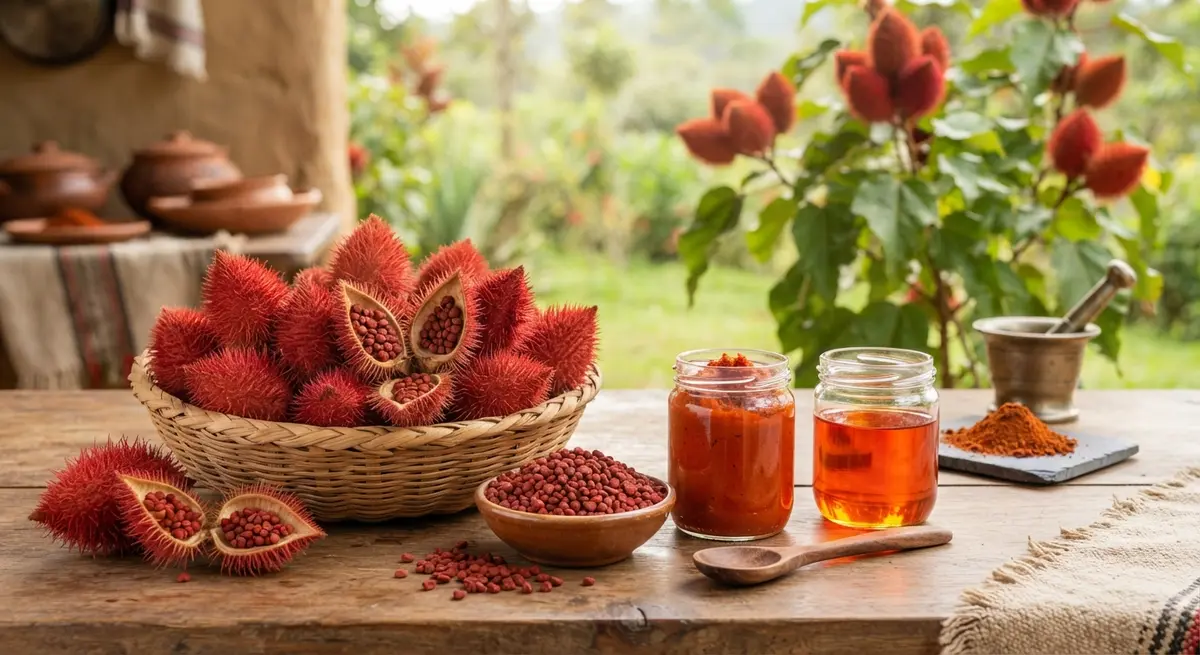
Achiote (Annatto): Flavor Profile, Health Benefits & Culinary Uses
Tiny coral-red seeds that paint food golden: the annatto tree's achiote, how to use the seeds and the Yucatan paste, and honest color substitutes.
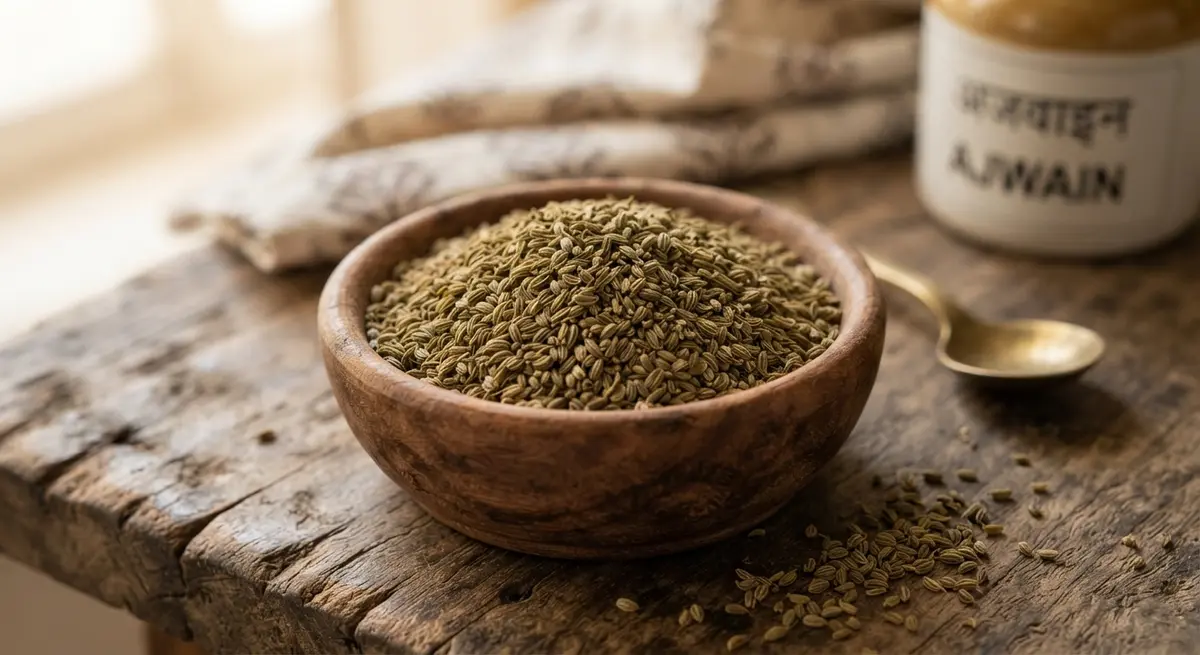
Ajwain (Carom) Seeds: Flavor Profile, Health Benefits & Culinary Uses
A tiny gray-brown seed that tastes like thyme, oregano, and cumin had a baby with a timer fuse. Here is how and why Indian kitchens use ajwain.
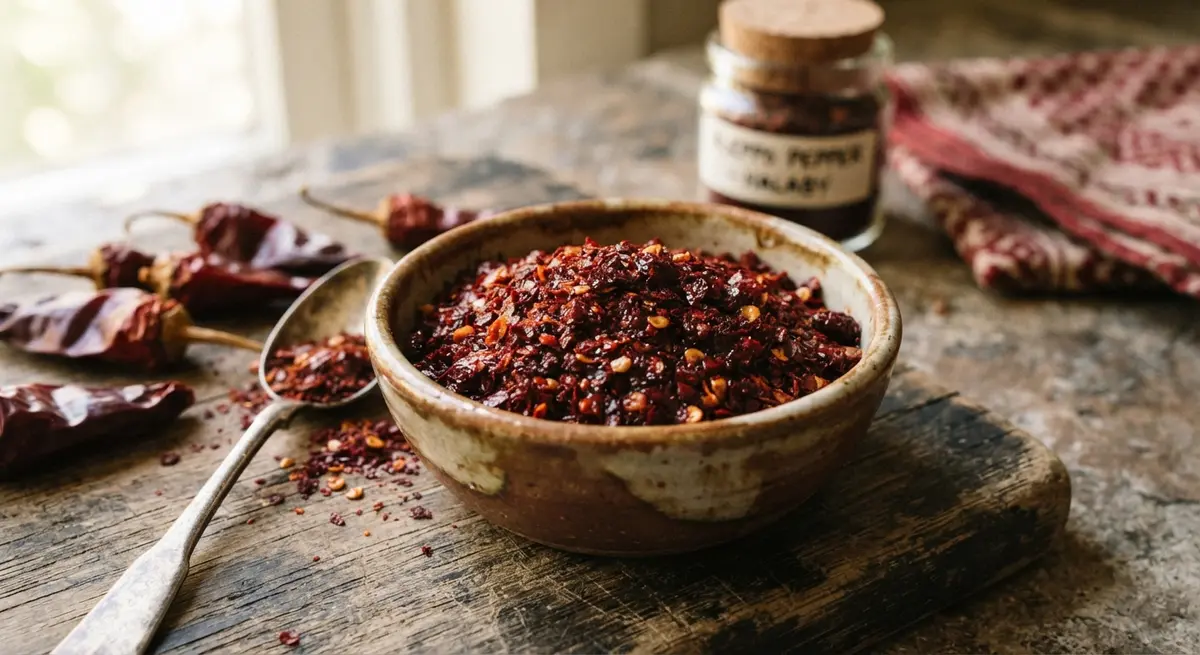
Aleppo Pepper: Flavor Profile, Health Benefits & Culinary Uses
Aleppo is the Mediterranean's gentle red flake, fruity and warm with real heat that never bites, perfect for everything from muhammara to roast carrots.
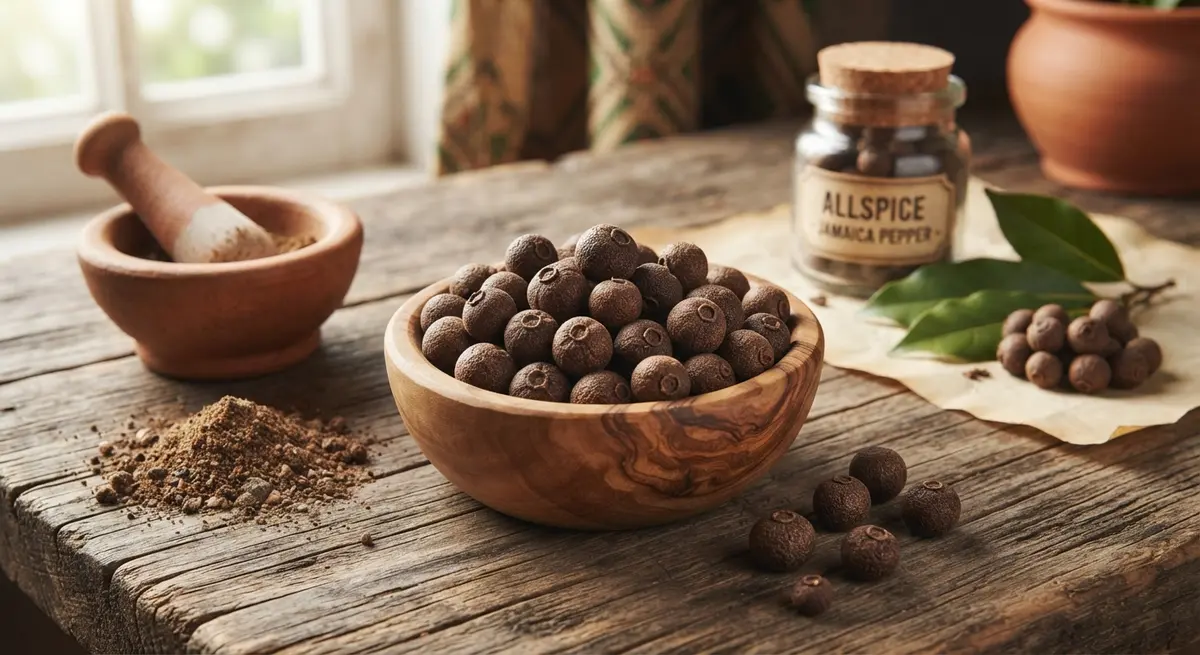
Allspice (Jamaica Pepper): Flavor Profile, Health Benefits & Culinary Uses
The original seasoning cheat: a single berry tasting of cinnamon, clove, and nutmeg, born in Jamaica, baked into jerk and grandmothers' Christmas cakes alike.
About the Authors
This recipe and guide was developed, tested, and approved in our home kitchen and daily life. Jamy is a retired Food Service District Manager and Early Childhood Program Manager who spent his career overseeing multi-site restaurant operations, large-scale culinary production, and daycare menu management. Kaïna brings the ultimate real-world test: making sure it brings ease and joy to our kids on a busy weeknight.
Read more about our professional background and philosophy →