Rosehip Powder: Flavor Profile, Health Benefits & Culinary Uses
By the QuiteRecipes team (Jamy & Kaïna)
The rose you never ate: a vitamin-C-rich, hibiscus-like fruit from the plant's hips. Real pairing logic, gentle-drying tips, and honest swaps.
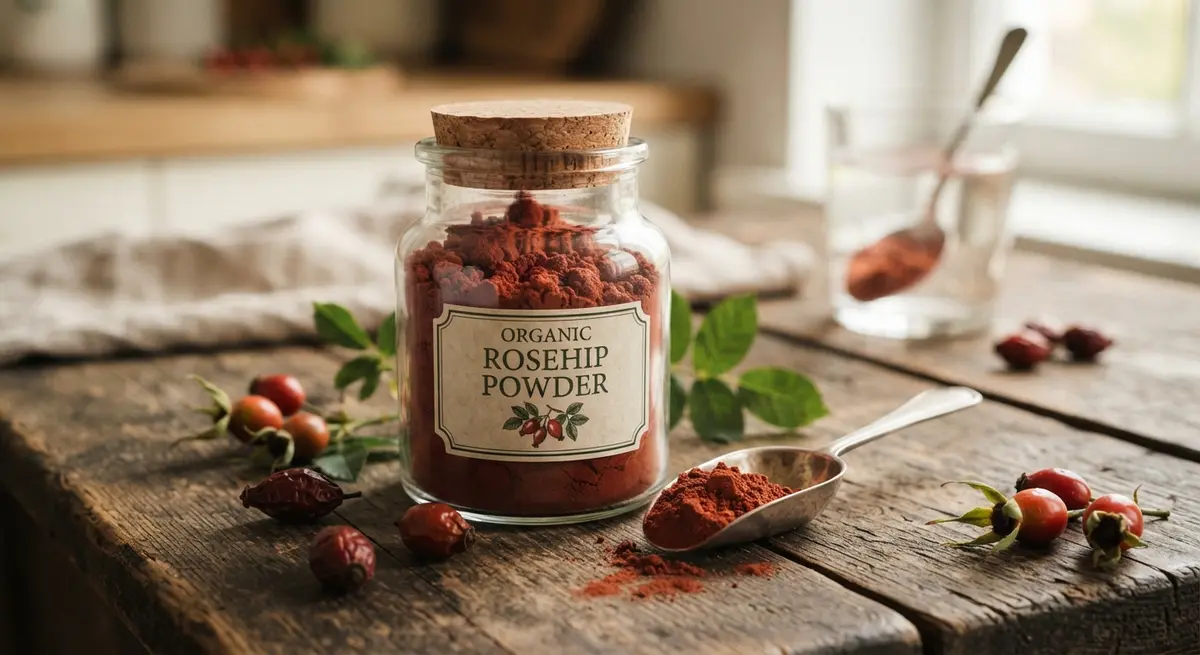
Rosehip powder is the rose you probably never ate — the fruit of the plant, not the flower, and one of the most vitamin-C-dense foods in the world. Those little glossy orange-red hips, the fleshy bases left after the petals fall, have fed jam-makers, tea-drinkers, and Scandinavian foragers for centuries. Dried and ground to a tart, rust-orange powder, it is a spice by mood: a sour-fruity lift for drinks, desserts, and sauces.
Forget the sweet rose you know; hips taste like a cross between hibiscus and crabapple — sour, lightly floral, faintly citrus.
Flavor Profile & Notes
Ground rosehip is fruity-sour and astringent, like dried hibiscus crossed with a sour cherry and a bright raspberry-adjacent tang. There is a subtle floral undertone and a faint sweetness that opens with heat. In drinks it behaves like a natural tea with a warm, tea-rose settling; folded into jams and sauces it adds pectin, color, and acidity. Dried whole hips stew into a deep orange-red infusion that darkens with time; powder is coarser and toothsome, so blitz it fine for baking. The flavor pairs beautifully with vanilla, honey, and cinnamon — think of it as northern hibiscus.
Health Benefits & Nutrition
Rosehips are genuinely famous for vitamin C — historically among the highest natural levels recorded, though heat during processing reduces it, so raw powder from gently dried hips preserves more. They also deliver carotenoids, the orange pigments, antioxidants, and a little fiber, with traditional use for immune support and joint comfort that a few small human studies give a tentative nod. Honest framing: it is a tart fruit concentrate, not a miracle cure, and huge daily spoonfuls of powder can irritate a sensitive stomach or interact with supplements. Eat it like a garnish-friendly superfood — a teaspoon here, a bag there.
Best Culinary Pairings
Rosehip powder makes a bright addition to smoothies, yogurt, oatmeal, granola, and homemade fruit leathers. Whisk a spoonful into vinaigrettes for salads or into pan sauce for roast chicken; use it in jams, compotes, and glazes for pork or duck. A classic pairing is rosehip tea with honey and lemon, and it elevates mulled cider and winter spiced drinks. In baking, blend the powder into cookies, cakes, or ice cream for color plus tang. Pair it with orange, cardamom, chocolate, and almond for the surest hits.
Quick Substitutes
Ground dried hibiscus is the closest swap — same tart, floral-sour character, slightly less fruity body. Cranberry powder or unsweetened cranberry juice approximates the tang. Ground sumac is the savory-world sour twin, with more lemon. For vitamin-C-forward sourness in tea, add a squeeze of lemon to a berry tisane. For pectin, apple powder aids a set. None equal hips' rose-raspberry-meets-hibiscus signature; blend hibiscus with a touch of rose water to fake it convincingly.
FAQ / Quick Facts
- Can I make my own powder? Yes — collect bright, firm hips after frost, remove seeds and fuzzy hairs, dry, then grind.
- How much vitamin C? Historically among the highest plant sources, though gentle drying and fresh use preserve the most.
- What does it taste like? Sour and fruity — hibiscus, sour cherry, and raspberry with a floral edge.
- Botanical family: Rosaceae / Form: dried whole hips, ground powder / Best uses: teas, smoothies, jams, baking.
Related Articles
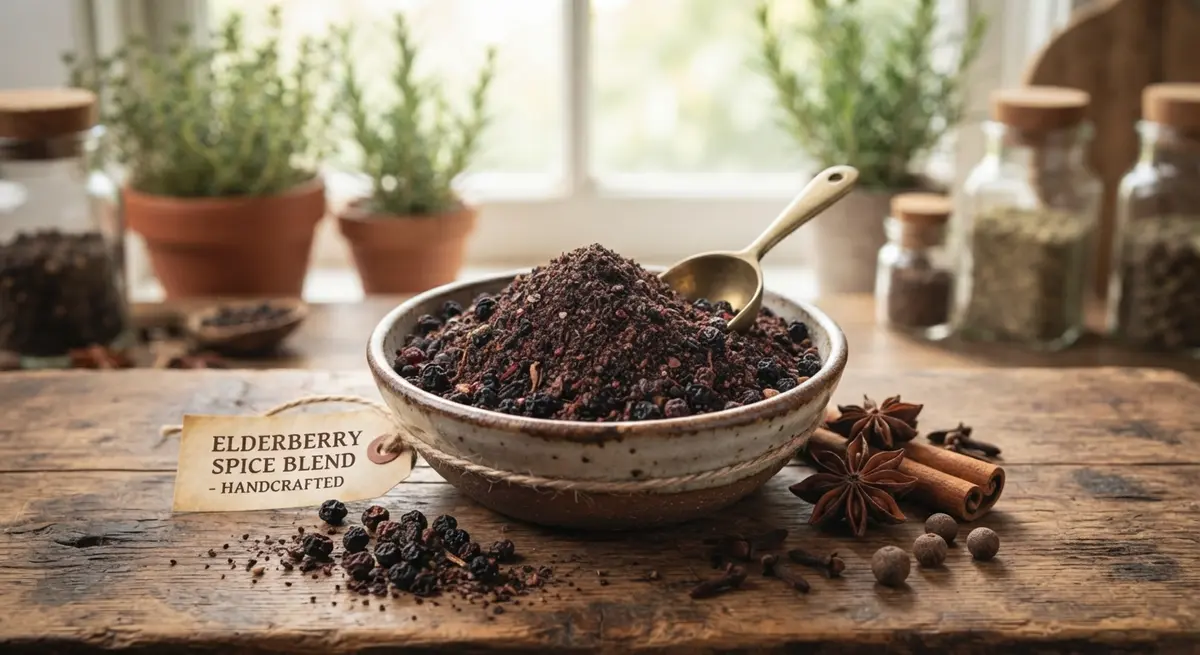
Black Elderberry: Flavor Profile, Health Benefits & Culinary Uses
The glossy hedge fruit with a serious cooked-vs-raw rule. Its wild taste, immunity research, and the glazes and syrups that make it safe.
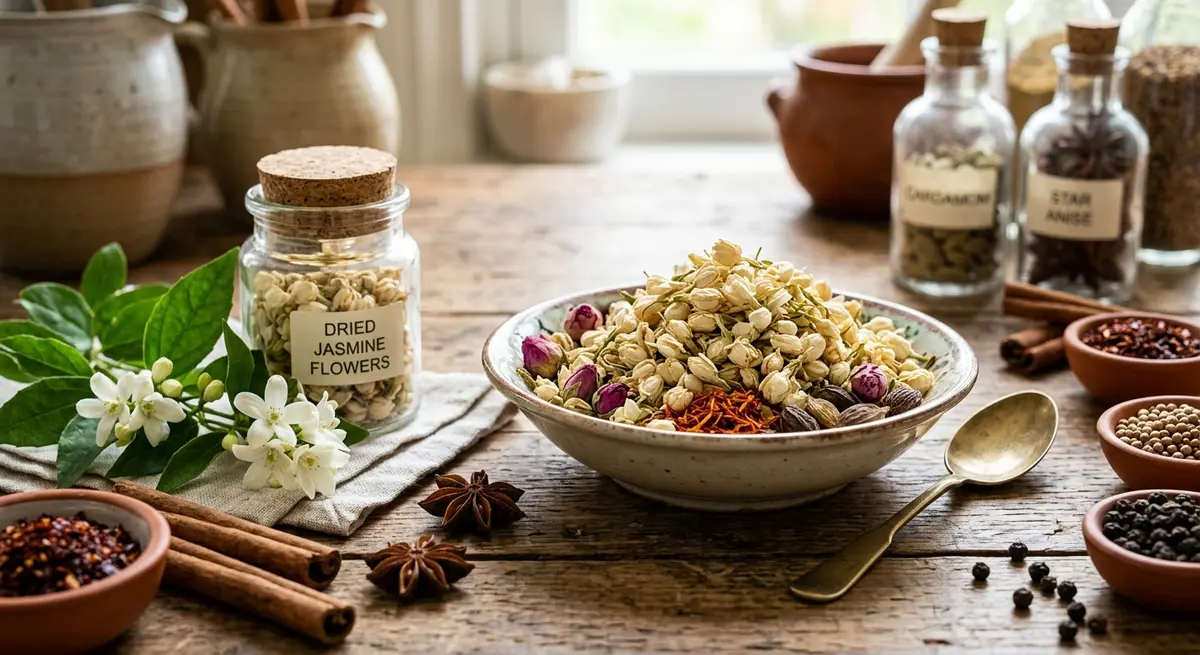
Dried Jasmine Flowers: Flavor Profile, Health Benefits & Culinary Uses
The night garden's gift to the kitchen: white petals that perfume tea and cream. Buying food-grade flowers, cold-brewing, and honing the restraint.
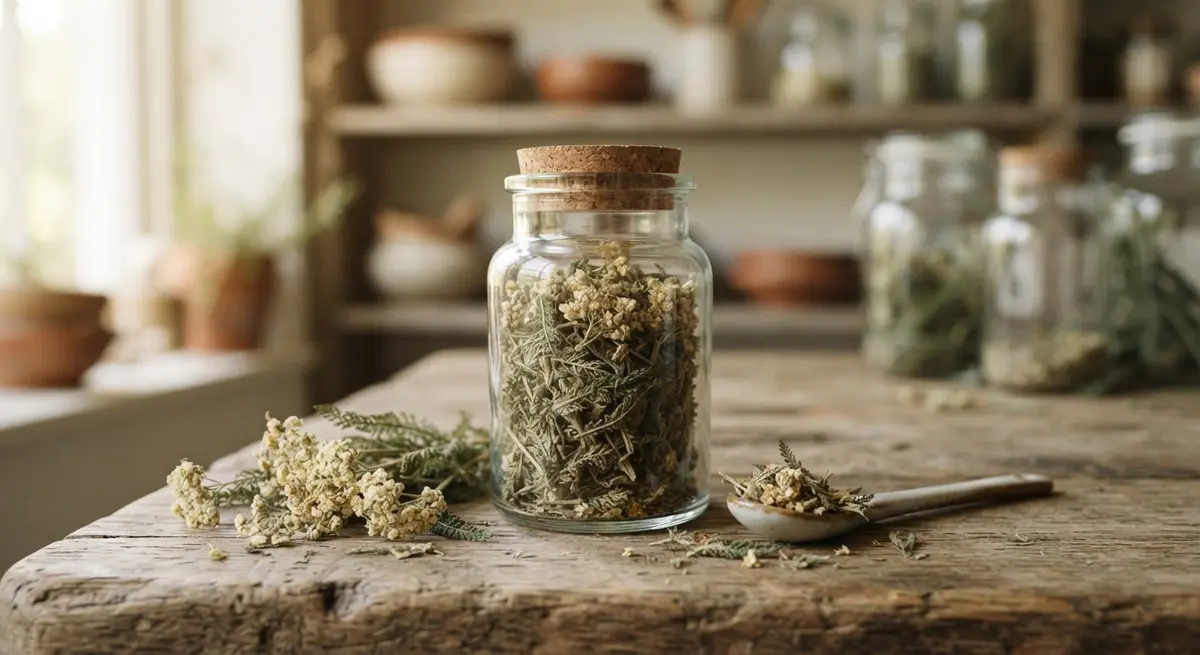
Yarrow: Flavor Profile, Health Benefits & Culinary Uses
A meadow herb that has followed humans for centuries. Its bitter-pine aromatics, gentle culinary role, and the safety checks that matter.
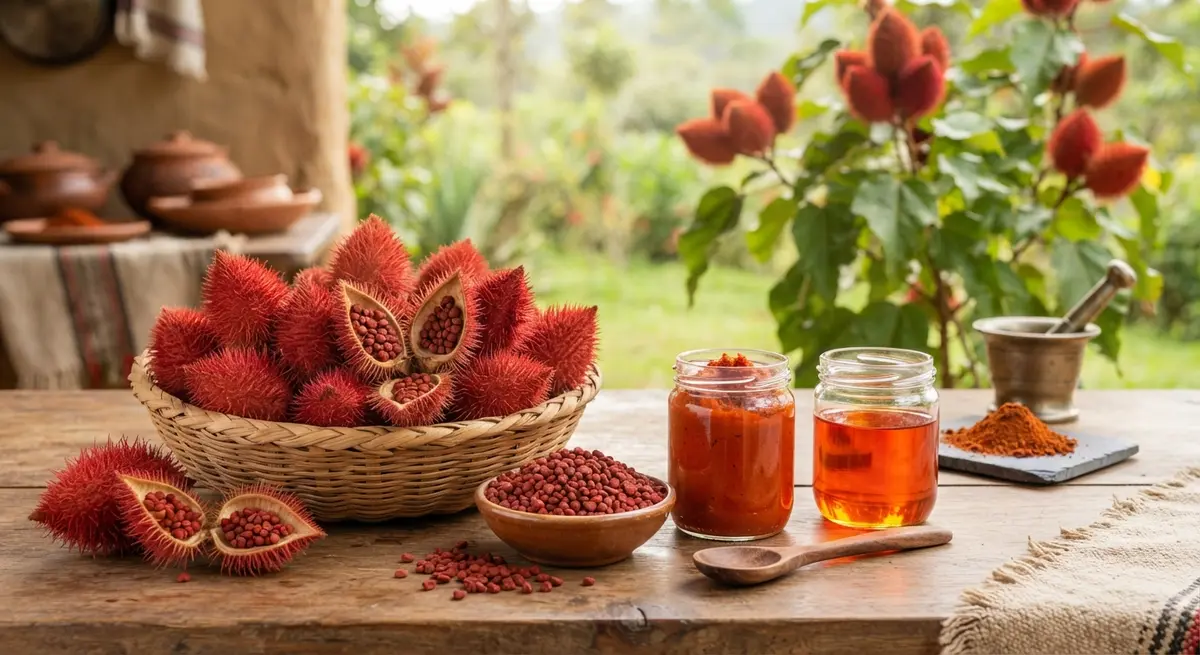
Achiote (Annatto): Flavor Profile, Health Benefits & Culinary Uses
Tiny coral-red seeds that paint food golden: the annatto tree's achiote, how to use the seeds and the Yucatan paste, and honest color substitutes.
About the Authors
This recipe and guide was developed, tested, and approved in our home kitchen and daily life. Jamy is a retired Food Service District Manager and Early Childhood Program Manager who spent his career overseeing multi-site restaurant operations, large-scale culinary production, and daycare menu management. Kaïna brings the ultimate real-world test: making sure it brings ease and joy to our kids on a busy weeknight.
Read more about our professional background and philosophy →