Red Pepper & Pink Peppercorn Alternatives: Flavor Profile, Health Benefits & Culinary Uses
By the QuiteRecipes team (Jamy & Kaïna)
Only one of these berries is actually pepper. Red peppercorns are ripe Piper nigrum; pink peppercorns are a sweet Peruvian tree fruit. Here is how to use both.
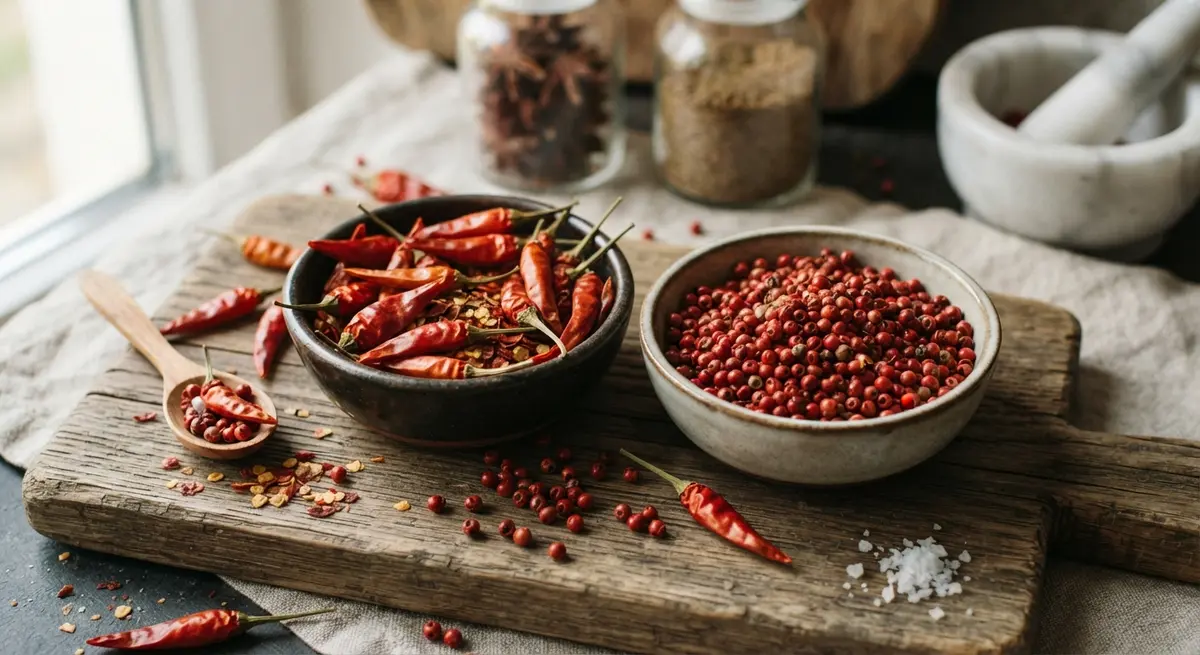
The pretty pink-and-red berries in those multi-colored grinder blends are two different things wearing almost the same name. Red peppercorns are the fully ripe berries of the real pepper vine, Piper nigrum, harvested only briefly each year and so rarely sold alone that they usually show up in premium blends. Pink peppercorns are something else entirely: the fruit of the Peruvian pepper tree, Schinus molle, which is botanically related to cashews and mangoes, not to pepper at all.
Their real job is prettiness plus a gentle surprise. They bring color, a faint sweetness, and a mild pop of heat that never bullies a dish. Understand the difference and those gourmet jars stop being a mystery.
Flavor Profile & Notes
Red peppercorns taste like black pepper grown up and softened: fruity, sweet, and mellow, with much less fire. Pink peppercorns are fragrant and sugary, with a floral, piney, almost citrusy note and a quick, soft peppery tingle that disappears fast. Both are delicate and perishable, which is why they are usually sold packed in brine or as part of a blend. Their flavor fades quickly, so keep them cool, dark, and airtight.
Health Benefits & Nutrition
Red peppercorns share the piperine and modest minerals of their black-pepper siblings. Pink peppercorns bring their own antioxidant pigments and more vitamin C. One honest caveat: because they belong to the same plant family as cashews and mangoes, a small number of people with tree-nut allergies may react to pink peppercorns. If that includes you, skip them; the rest of the kitchen won't miss a thing.
Best Culinary Pairings
Both shine as a scarce, pretty finish rather than a cooking background. Fold crushed pink peppercorns into a cream sauce for duck or salmon, where their sweet bite balances richness. Sprinkle them over a white-chocolate mousse or poached pear, or shake a few across a light vinaigrette for greens. Mixed peppercorn blends starring pink berries are brilliant on grilled steak or a roasted chicken, pressed in with the salt at the table.
Quick Substitutes
Green peppercorns are the nearest match for the visual pop and gentle heat of pink ones. For the sweet floral lift, take white or black pepper plus a fine grate of orange zest to fake the citrus hug. In sweet dishes, a tiny pinch of cardamom carries a similar perfume. None are identical, but each keeps the plate pretty.
FAQ / Quick Facts
- Are pink peppercorns safe to eat? Yes, in normal food amounts; people allergic to cashews or mangoes may want to avoid them.
- Why so expensive? The berries are delicate and hand-harvested in short windows, which keeps supply small.
- Know your spice: Red = Piperaceae; pink = Anacardiaceae; whole berries; best used as a finishing sprinkle.
Related Articles
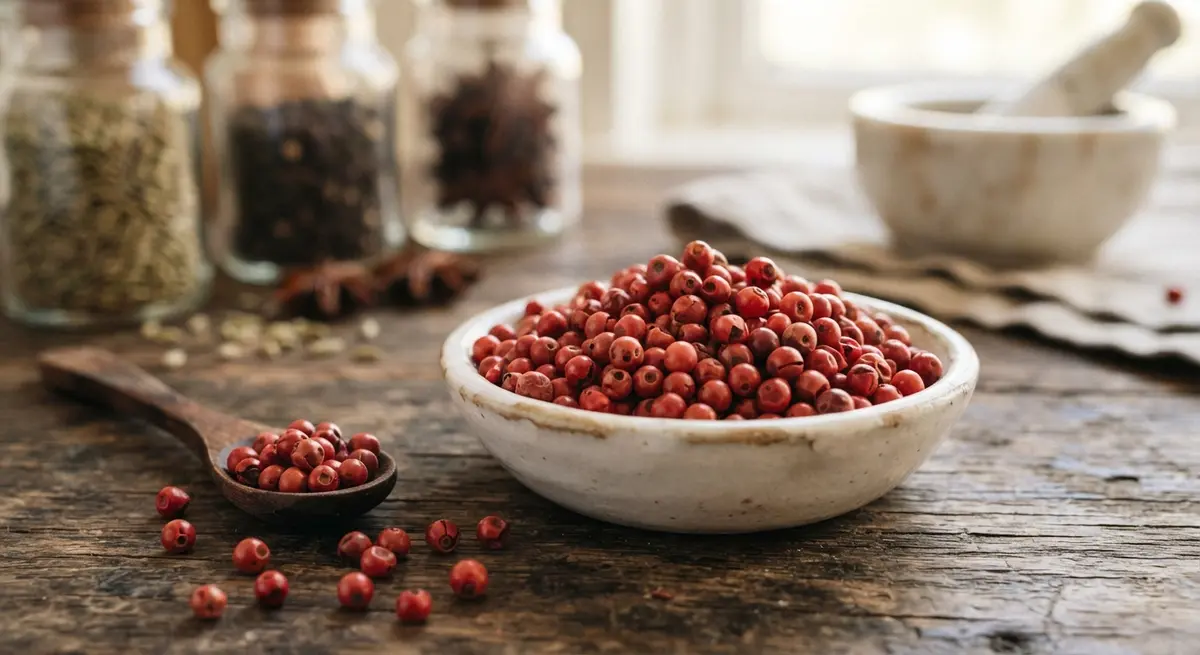
Pink Berries (False Pepper): Flavor Profile, Health Benefits & Culinary Uses
Pink 'peppercorns' are really the dried berries of Schinus trees, sweet and piney rather than hot — useful and pretty, but not a stand-in for true pepper.
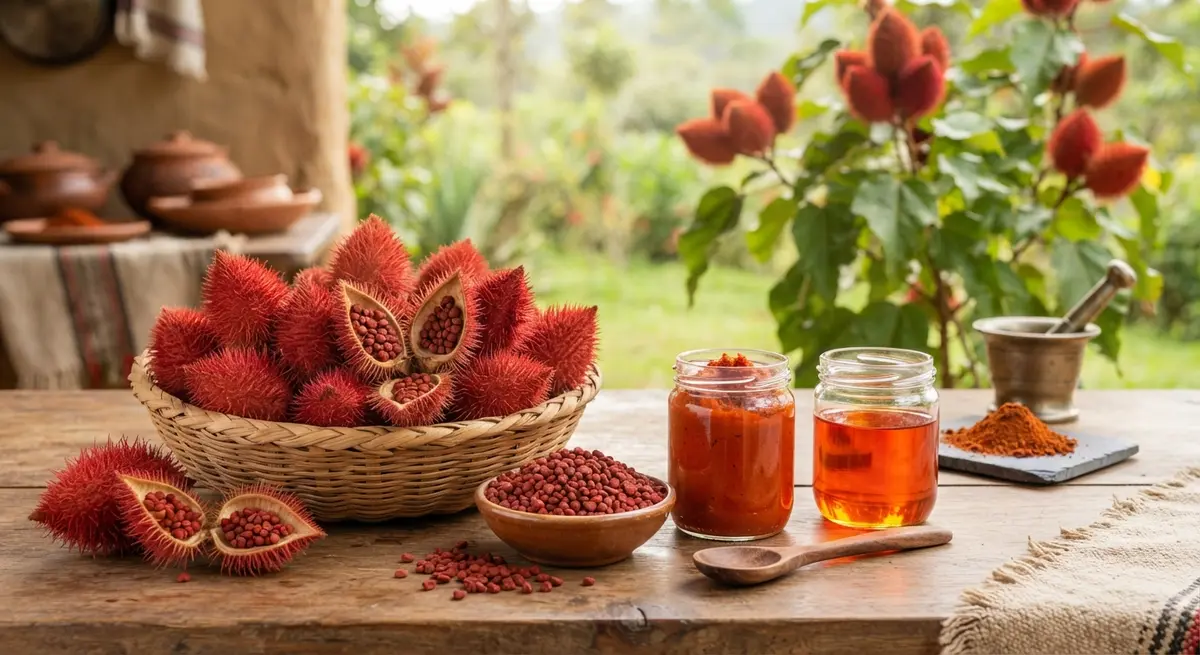
Achiote (Annatto): Flavor Profile, Health Benefits & Culinary Uses
Tiny coral-red seeds that paint food golden: the annatto tree's achiote, how to use the seeds and the Yucatan paste, and honest color substitutes.
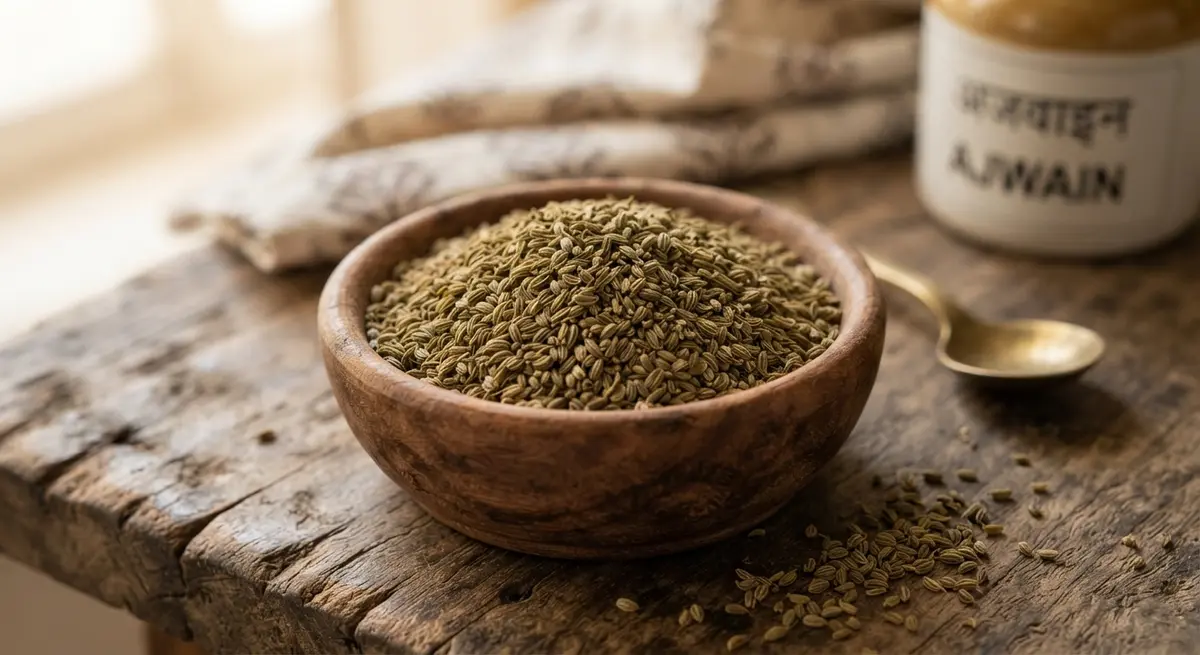
Ajwain (Carom) Seeds: Flavor Profile, Health Benefits & Culinary Uses
A tiny gray-brown seed that tastes like thyme, oregano, and cumin had a baby with a timer fuse. Here is how and why Indian kitchens use ajwain.
Aleppo Pepper: Flavor Profile, Health Benefits & Culinary Uses
Aleppo is the Mediterranean's gentle red flake, fruity and warm with real heat that never bites, perfect for everything from muhammara to roast carrots.
About the Authors
This recipe and guide was developed, tested, and approved in our home kitchen and daily life. Jamy is a retired Food Service District Manager and Early Childhood Program Manager who spent his career overseeing multi-site restaurant operations, large-scale culinary production, and daycare menu management. Kaïna brings the ultimate real-world test: making sure it brings ease and joy to our kids on a busy weeknight.
Read more about our professional background and philosophy →