Perilla Seeds (Shiso): Flavor Profile, Health Benefits & Culinary Uses
By the QuiteRecipes team (Jamy & Kaïna)
The sesame-adjacent seeds of the shiso plant: how Korean home cooking toasts and grinds them into sauces, seasoned greens, and that warm nutty finish.
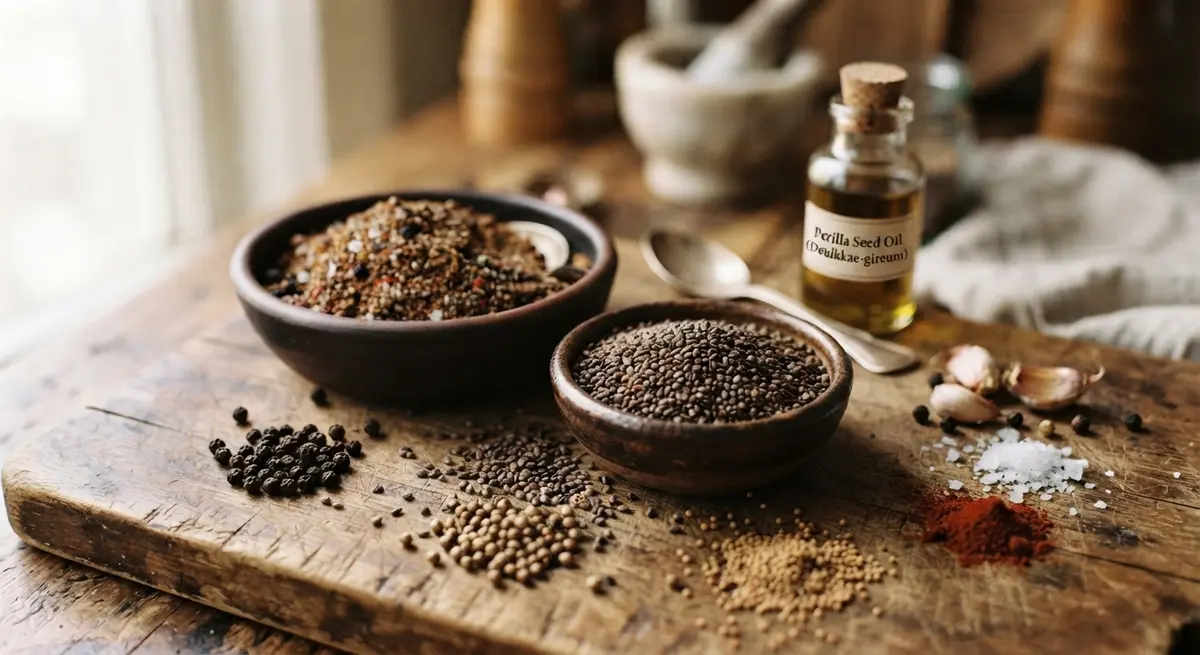
Meet sesame's understated cousin. Perilla seeds come from the shiso plant — Perilla frutescens, the frilly, perfumed herb you already know from Japanese restaurants — and when they are harvested and dried they look like tiny tan sesame seeds with a quieter, nuttier, almost woodsy odor. Korean cooks have made them a pillar of the pantry: toasting and grinding them produces deulkkee powder, a warm, savory, sesame-like seasoning that shows up in sauces, seasoned vegetables, and rice dishes with the kind of gentle frequency Western cooks reserve for black pepper. If you have eaten a Korean banchan spread and wondered at the mysterious nutty depth, this is very often the answer.
Flavor Profile & Notes
A raw perilla seed tastes mildly nutty; a toasted one wakes up dramatically into sesame territory with extra dimensions — richer, more woodland-woody, with a faintly purple-herb, almost exotic depth that is everything the cartoonish sesame flavor plan missed. Grinding releases the oils, and the powder becomes pasty-nutty and deeply savory, with umami that Korean cooking has elevated to an art. The seeds' own cold-pressed oil is similarly prized, famously high in the omega-3 fatty acid ALA, and used as a finishing drizzle the way other cultures treat good olive oil. Toast, grind, season, and you will find the note instantly recognizable thereafter.
Health Benefits & Nutrition
Perilla seeds are first-rate food in honest, plain terms: they are packed with healthy fats — particularly the plant omega-3 alpha-linolenic acid — along with respectable protein and fiber, and they add magnesium and calcium in the bargain. Traditional medicine across Asia has used perilla seeds, leaves, and oil as a respiratory and digestive aid for centuries, and the modern reading is flattering, with studies pointing at the leaves' antioxidant rosmarinic acid. The kitchen translation is straightforward: whole roasted seeds and their oil are a genuinely nutritious addition to the diet. As always — a food, a very good food, not a drug.
Best Culinary Pairings
Korean cooking is the grand showcase. Perilla powder seasons seasoned greens and the ssamjang dip for wraps, it goes into the fillings of japchae and dumplings, and a generous spoonful toasted and tossed through hot rice with sesame oil and a pinch of salt quietly completes a meal. The seeds bulge into sauces for bibimbap and dressings, and perilla oil finishes namul vegetables and cold buckwheat noodles the way Italians drizzle. The green leaves themselves fill ssam wraps with fresh ginger-herb perfume. Pair perilla with sesame, soy, garlic, scallions, gochujang, and rice, and you are finally cooking Korean food with the right vocabulary.
Quick Substitutes
Toasted sesame seeds are the nearest pantry stand-in, used seeds for seeds and ground for powder; add a whisper of mint or basil leaf to fake the herbaceous note if a recipe uses both seed and leaf. Flaxseed powder fills in for the ground texture in cooking. There is no short-cut for the perilla leaf itself. Sesame oil is the honest swap for perilla oil in most dishes; the flavor is close, the romance merely different.
FAQ / Quick Facts
- Are perilla seeds the same as sesame? No — different plant family, but they cook alike; perilla is nuttier and woodier, toasted like sesame.
- How long do they keep? About a year in the fridge sealed; the seed oil keeps a few months chilled and goes rancid fast, so smell before use.
- Form / Best uses: Whole toasted seeds, ground powder, or cold-pressed oil; for Korean sauces, seasoned greens, and rice.
Related Articles
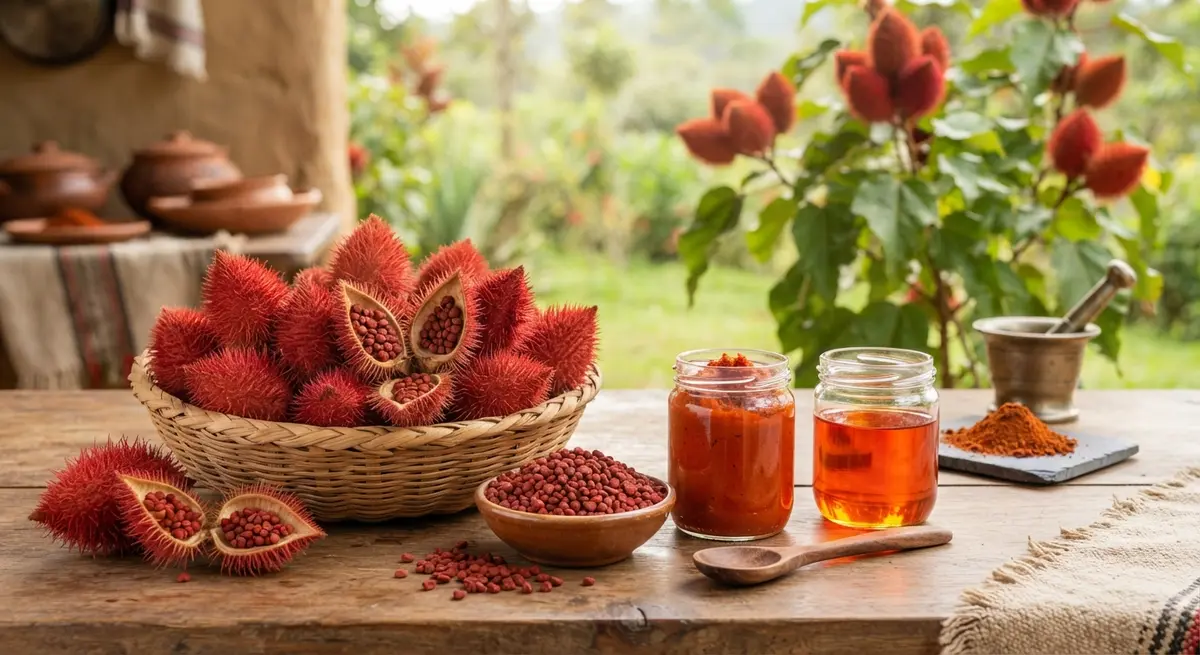
Achiote (Annatto): Flavor Profile, Health Benefits & Culinary Uses
Tiny coral-red seeds that paint food golden: the annatto tree's achiote, how to use the seeds and the Yucatan paste, and honest color substitutes.
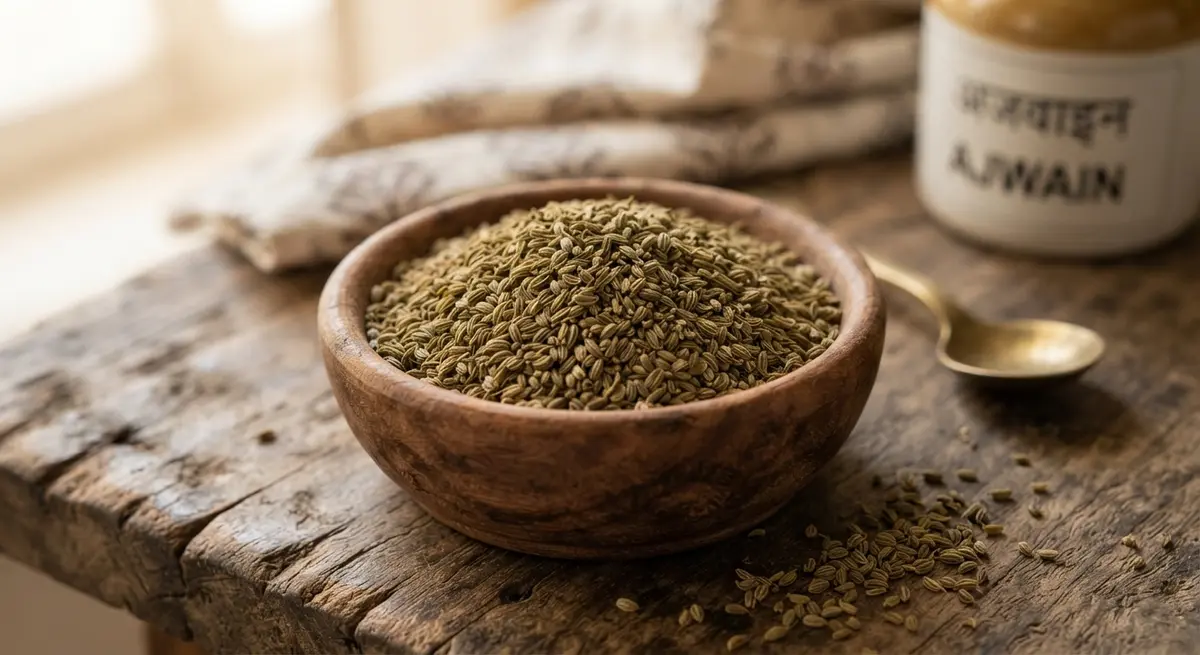
Ajwain (Carom) Seeds: Flavor Profile, Health Benefits & Culinary Uses
A tiny gray-brown seed that tastes like thyme, oregano, and cumin had a baby with a timer fuse. Here is how and why Indian kitchens use ajwain.
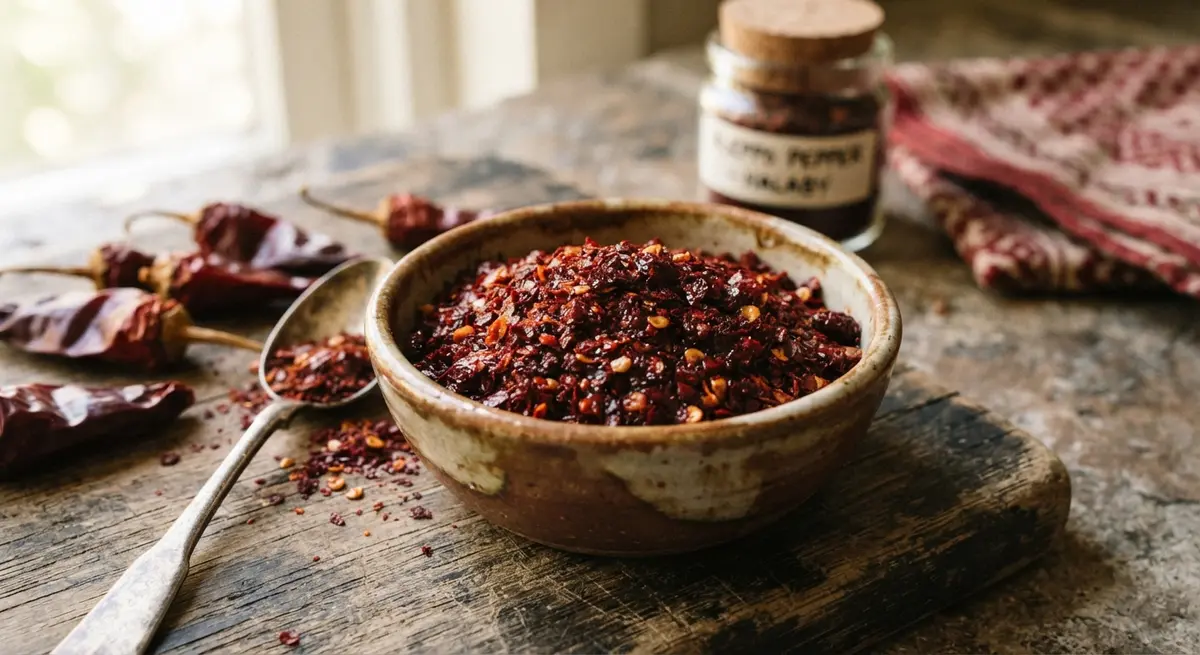
Aleppo Pepper: Flavor Profile, Health Benefits & Culinary Uses
Aleppo is the Mediterranean's gentle red flake, fruity and warm with real heat that never bites, perfect for everything from muhammara to roast carrots.
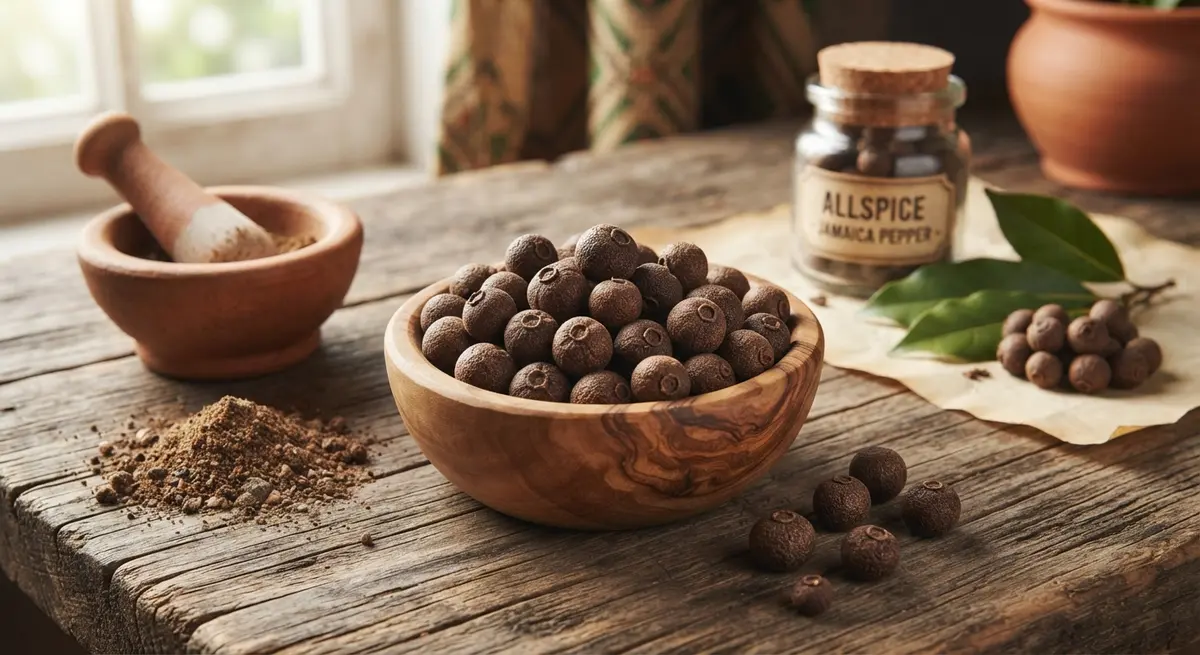
Allspice (Jamaica Pepper): Flavor Profile, Health Benefits & Culinary Uses
The original seasoning cheat: a single berry tasting of cinnamon, clove, and nutmeg, born in Jamaica, baked into jerk and grandmothers' Christmas cakes alike.
About the Authors
This recipe and guide was developed, tested, and approved in our home kitchen and daily life. Jamy is a retired Food Service District Manager and Early Childhood Program Manager who spent his career overseeing multi-site restaurant operations, large-scale culinary production, and daycare menu management. Kaïna brings the ultimate real-world test: making sure it brings ease and joy to our kids on a busy weeknight.
Read more about our professional background and philosophy →