Dried Nasturtium Flowers: Flavor Profile, Health Benefits & Culinary Uses
By the QuiteRecipes team (Jamy & Kaïna)
A peppery, pollinator-friendly flower that reads like radish and watercress. How to dry it, pickle its buds, and garnish beyond the salad.
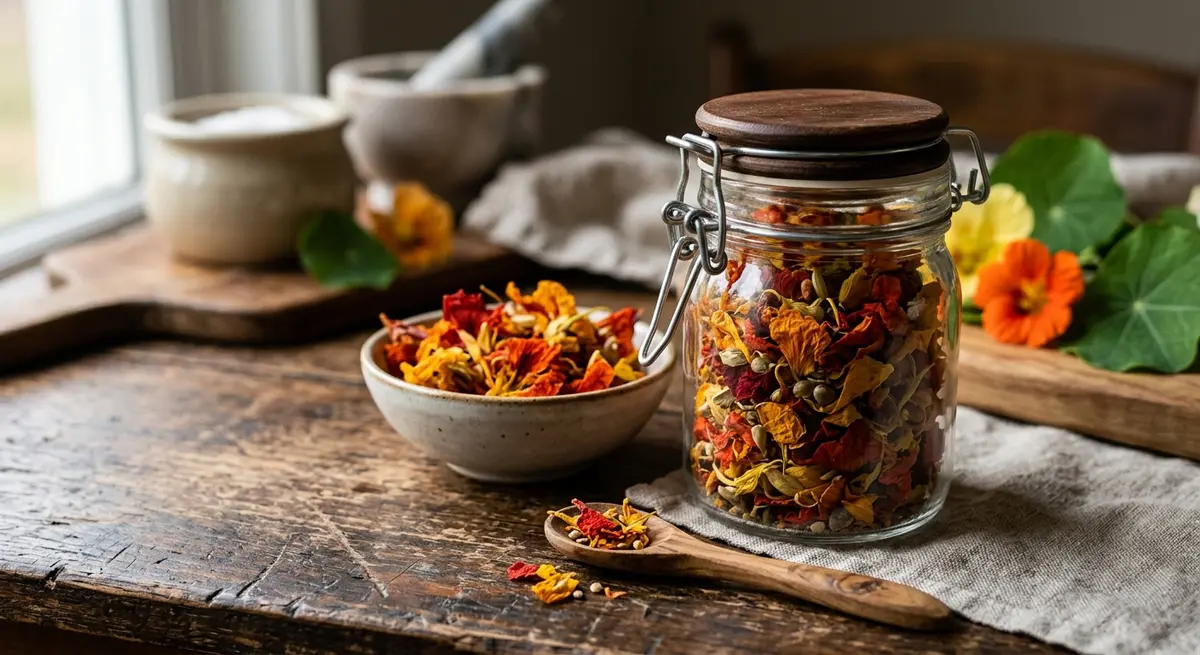
Nasturtium flowers are the peppery garnish that kept kitchens honest before chili was cheap. The flowers of Tropaeolum majus taste like radish and watercress with a sweet floral landing — a peppery vivacity no other edible blossom matches. Bred for culinary use today, they bloom in wide palettes for salads, butters, and compound garnishes.
The whole plant is edible: leaves are seriously peppery, buds can stand in for capers when pickled, and the seed pods offer the same caper trick a second time. Dried flowers fade in heat but keep their color and a gentler pepper.
Flavor Profile & Notes
Fresh nasturtium flower is a two-act taste: a sudden radish-pop of heat up front, then a mellow, slightly sweet, nectar-like finish that separates it from actual radishes. The leaves carry a sharper mustard bite, like watercress on louder speakers. Dried flowers lose volatility but keep petal color and a gentler pepper-air, making them a gorgeous, still-flavorful garnish for desserts and lunchboxes. Pickle the green seed pods in vinegar and brine and you have "poor man's capers" that taste surprisingly close to the real thing — brine and all.
Health Benefits & Nutrition
Nasturtium is a genuinely nutritious edible flower: rich in vitamin C (the leaves famously went into salads as a scurvy guard), with carotenoids giving the petals their color, and an antioxidant-antimicrobial chemistry studied in traditional wound treatments. Eating them is easy and safe in normal culinary amounts; the pepper compounds can mildly irritate sensitive stomachs, so taste first. Pick from clean, pesticide-free sources — the same rule as with all food flowers — and skip plants grown near roadways.
Best Culinary Pairings
Scatter fresh petals on green salads, over goat-cheese-filled figs, or across seared salmon and roast chicken. Mix petals into herb butters, soften them into cream cheese spreads, and float them in chilled soups. Use the leaves chopped into potato salad, egg salad, or sushi rolls for their wild sting. Pickled green pods replace capers in tuna salad, puttanesca, and white-wine pan sauces. Dried petals set in sugar make decorative edible confetti for cakes and tarts.
Quick Substitutes
For the peppery pop, a sprinkle of cracked black or Sichuan pepper with a squeeze of citrus covers much of the heat. Watercress and radish greens trade the floral sweetness but deliver the same zing — use them chopped. In the caper position, real capers, grainy mustard, or pickled baby corn step in honestly. When you only need color, dried hibiscus or rose petals give floral charm without the bite. No flower mimics nasturtium's peppery-sweet two-step; grow a pot in spring.
FAQ / Quick Facts
- Can I eat the leaves and seeds too? Yes — leaves are spicy, buds and pods pickle like capers, and flowers garnish.
- Are they safe to eat? Culinary nasturtiums from clean sources are safe; wash well and avoid wild or roadside plants.
- What does it taste like? Radish and watercress heat with a sweet, nectar-like finish.
- Botanical family: Tropaeolaceae / Form: fresh flowers, leaves, pickled pods / Best uses: salads, butters, capers, garnish.
Related Articles
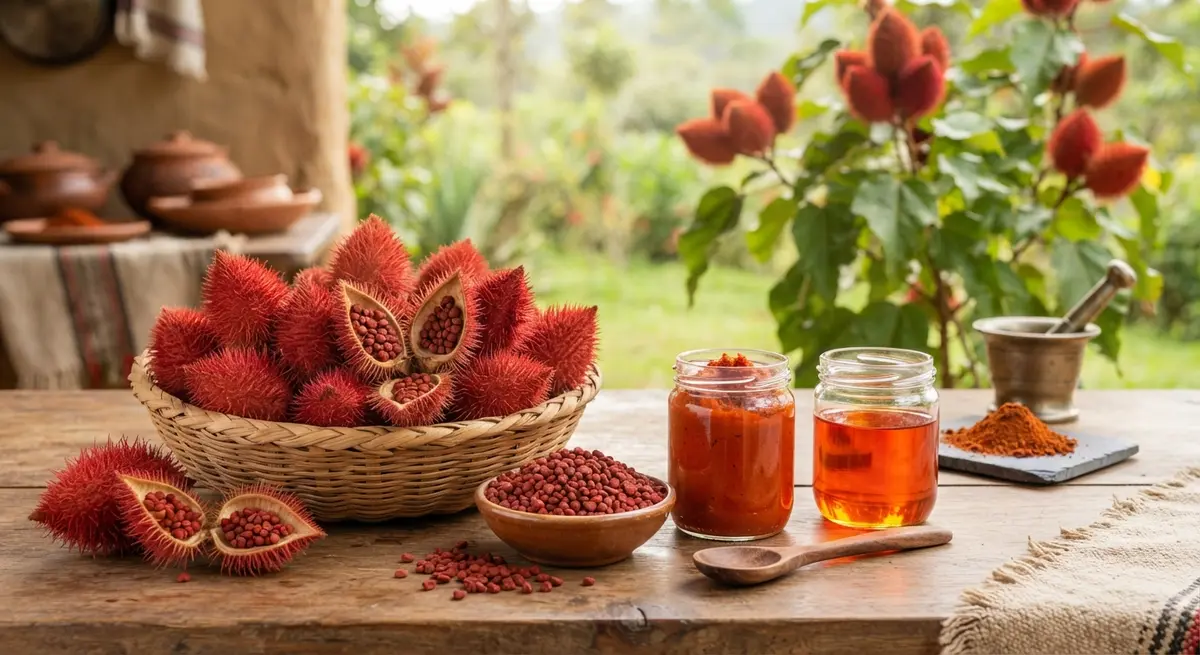
Achiote (Annatto): Flavor Profile, Health Benefits & Culinary Uses
Tiny coral-red seeds that paint food golden: the annatto tree's achiote, how to use the seeds and the Yucatan paste, and honest color substitutes.
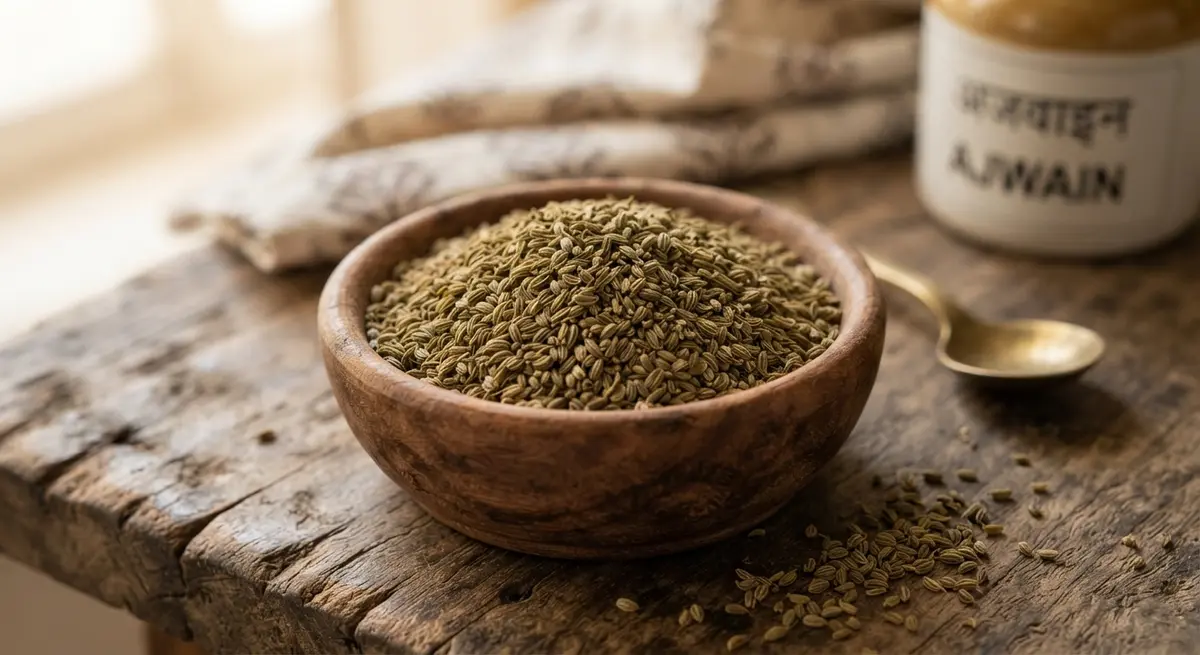
Ajwain (Carom) Seeds: Flavor Profile, Health Benefits & Culinary Uses
A tiny gray-brown seed that tastes like thyme, oregano, and cumin had a baby with a timer fuse. Here is how and why Indian kitchens use ajwain.
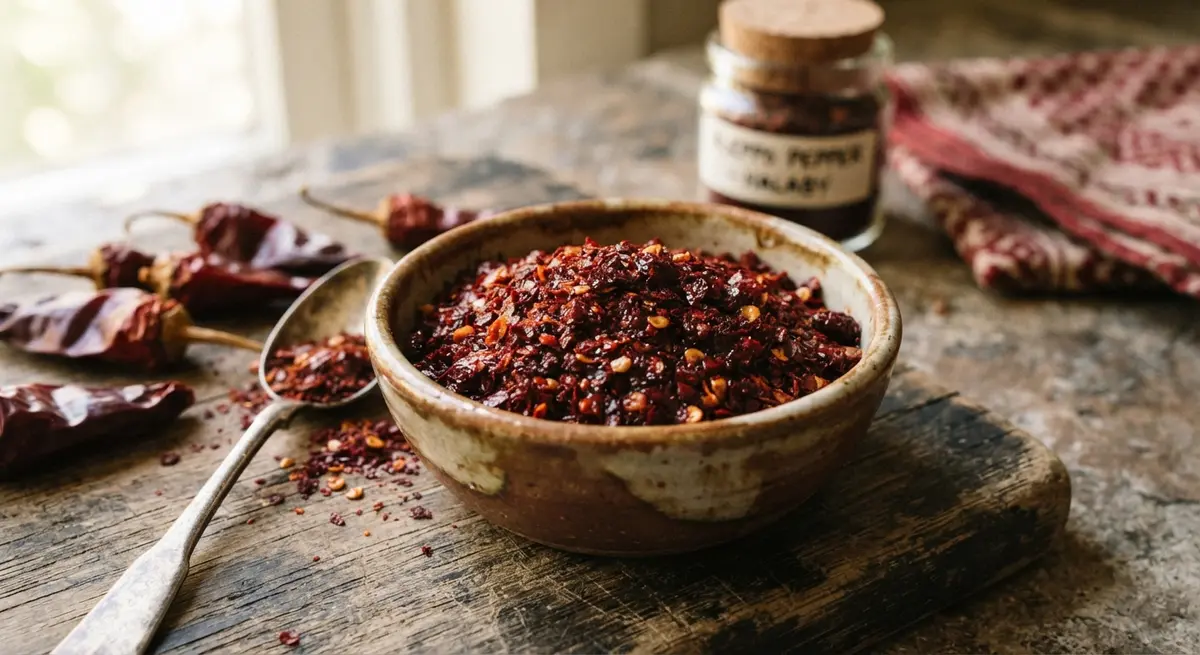
Aleppo Pepper: Flavor Profile, Health Benefits & Culinary Uses
Aleppo is the Mediterranean's gentle red flake, fruity and warm with real heat that never bites, perfect for everything from muhammara to roast carrots.
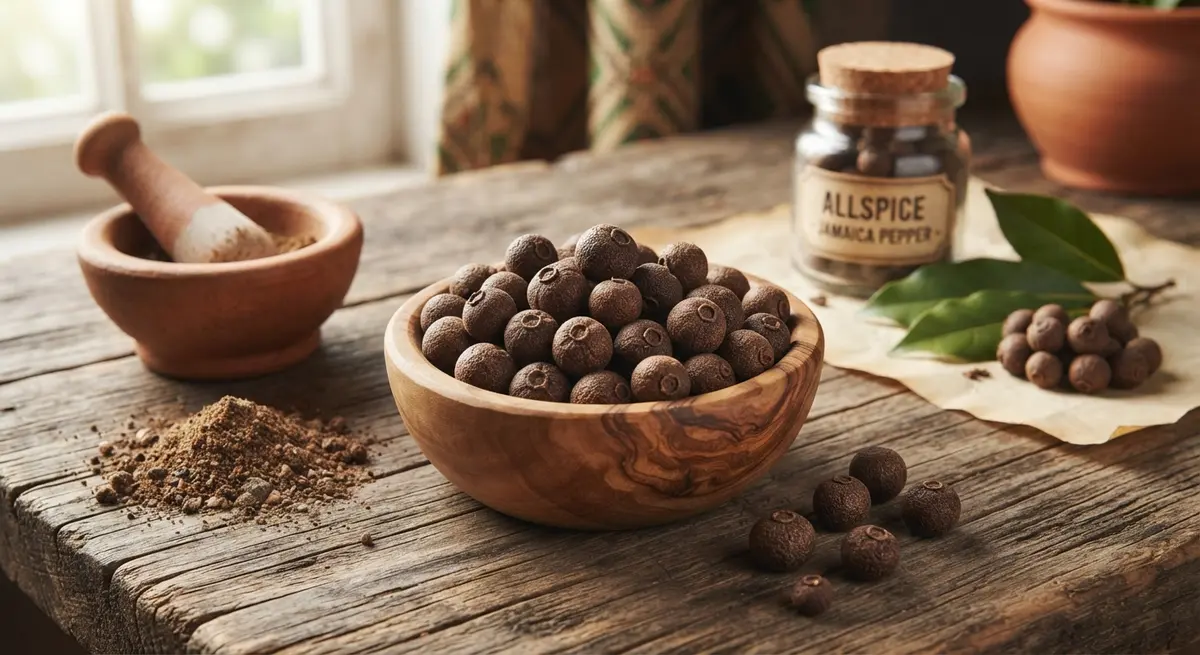
Allspice (Jamaica Pepper): Flavor Profile, Health Benefits & Culinary Uses
The original seasoning cheat: a single berry tasting of cinnamon, clove, and nutmeg, born in Jamaica, baked into jerk and grandmothers' Christmas cakes alike.
About the Authors
This recipe and guide was developed, tested, and approved in our home kitchen and daily life. Jamy is a retired Food Service District Manager and Early Childhood Program Manager who spent his career overseeing multi-site restaurant operations, large-scale culinary production, and daycare menu management. Kaïna brings the ultimate real-world test: making sure it brings ease and joy to our kids on a busy weeknight.
Read more about our professional background and philosophy →