Mountain Savory: Flavor Profile, Health Benefits & Culinary Uses
By the QuiteRecipes team (Jamy & Kaïna)
The sharp, peppery herb of Alpine bean pots and sausage kitchens: mountain savory, the winter one that outlasts thyme and never fades in a long braise.
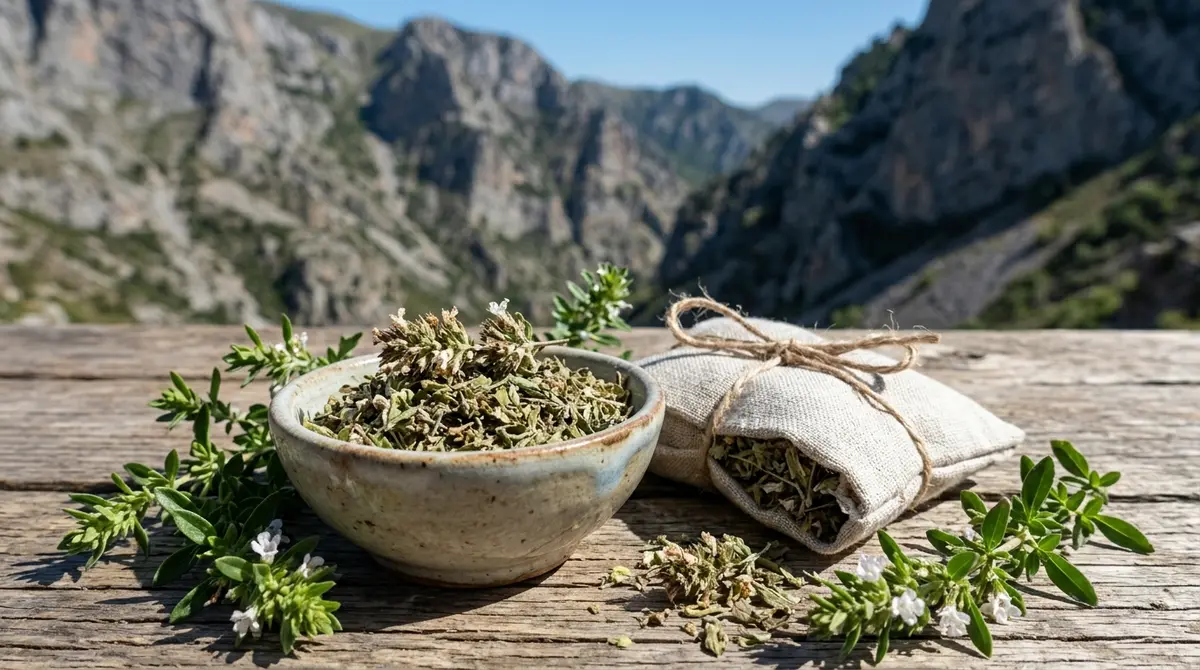
Mountain savory is oregano's tougher, more peppery cousin from the sun-baked hills of southern Europe. Satureja montana, the winter savory, has been seasoning beans, sausages, and mountain stews since the Romans kept written records of the Alps, and its nickname says it best — it is the bean herb.
If oregano is the sweetheart of the herb shelf, savory is the sharp one who makes things interesting. Robust, assertive, and loyal to the long simmer, it is the herb for dishes that need flavor that refuses to quit.
Flavor Profile & Notes
Mountain savory is pungent, peppery, and herbal — thyme crossed with marjoram and a shot of black pepper. Of the two savories, it is the intense one: sharper and fiercer than its gentle relative, summer savory, and it holds its character through long cooking where gentler herbs would fade. The dried leaves keep most of that punch, which is why it is the workhorse of winter stews and bean pots. Use it in moderation at first — its pepperiness can surprise you a minute in. The flavor loves olive oil and melts into a braise the way thyme does, only louder.
Health Benefits & Nutrition
Like its mint-family relatives, savory carries thymol and carvacrol, the aromatic compounds studied for antioxidant and antimicrobial activity, and it has a long traditional resume as a digestive herb — tea made from savory leaves is an old remedy for heavy meals and sore throats. As a cooking herb it contributes those compounds in pleasant, honest amounts, seasoning food with depth rather than salt. None of this is new medicine; it is an old, well-loved herb doing what herbs have always done. If you brew it as a tea, steep it sensibly and enjoy it for what it is.
Best Culinary Pairings
Beans, beans, beans — white beans, lentils, chickpea stews, and green beans are its natural habitat, hence the nickname. It is a staple of sausage and stuffing, of roast pork and game, and a quiet member of the Provencal herb family, where thyme, basil, and rosemary hold court. Boiled potatoes with olive oil and savory, a pork shoulder braise with its leaves, or grilled vegetables dusted with it all make sense. It also takes well to marinades for lamb and to the vinegary heat of pickles.
Quick Substitutes
Thyme with a pinch of black pepper is the nearest swap — same resinous character, with the pepper restoring savory's bite. Dried oregano is sweeter, and marjoram more floral; both work when you need half the sharpness. If you have summer savory, use it happily: it is the milder sibling and the closest botanical neighbor of all. In a pinch, thyme plus a grind of pepper and a whisper of dried mint covers the ground.
FAQ / Quick Facts
- What is the difference between summer and winter savory? Winter (mountain) savory is sharper, peppier, and hardier; summer savory is lighter and sweeter. Both love beans.
- What does it taste like? A peppery, pungent thyme with marjoram notes and no heat to speak of.
- Botanical family / Form: Lamiaceae — Satureja montana; dried leaves that hold up through long simmering and braising.
Related Articles
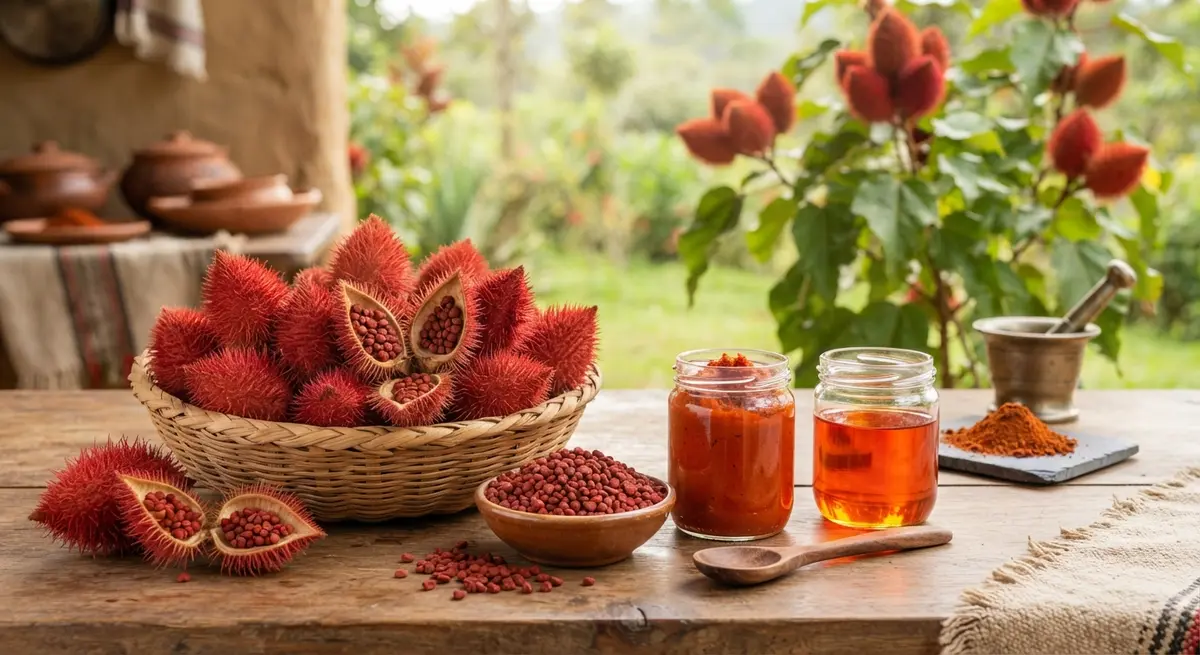
Achiote (Annatto): Flavor Profile, Health Benefits & Culinary Uses
Tiny coral-red seeds that paint food golden: the annatto tree's achiote, how to use the seeds and the Yucatan paste, and honest color substitutes.
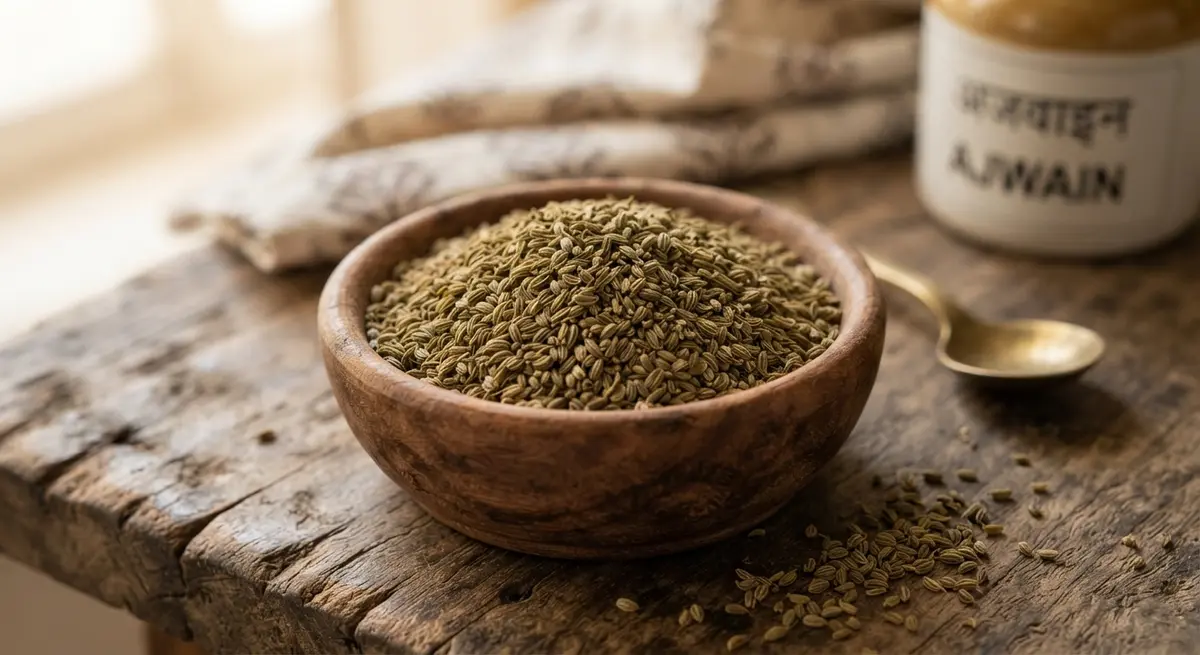
Ajwain (Carom) Seeds: Flavor Profile, Health Benefits & Culinary Uses
A tiny gray-brown seed that tastes like thyme, oregano, and cumin had a baby with a timer fuse. Here is how and why Indian kitchens use ajwain.
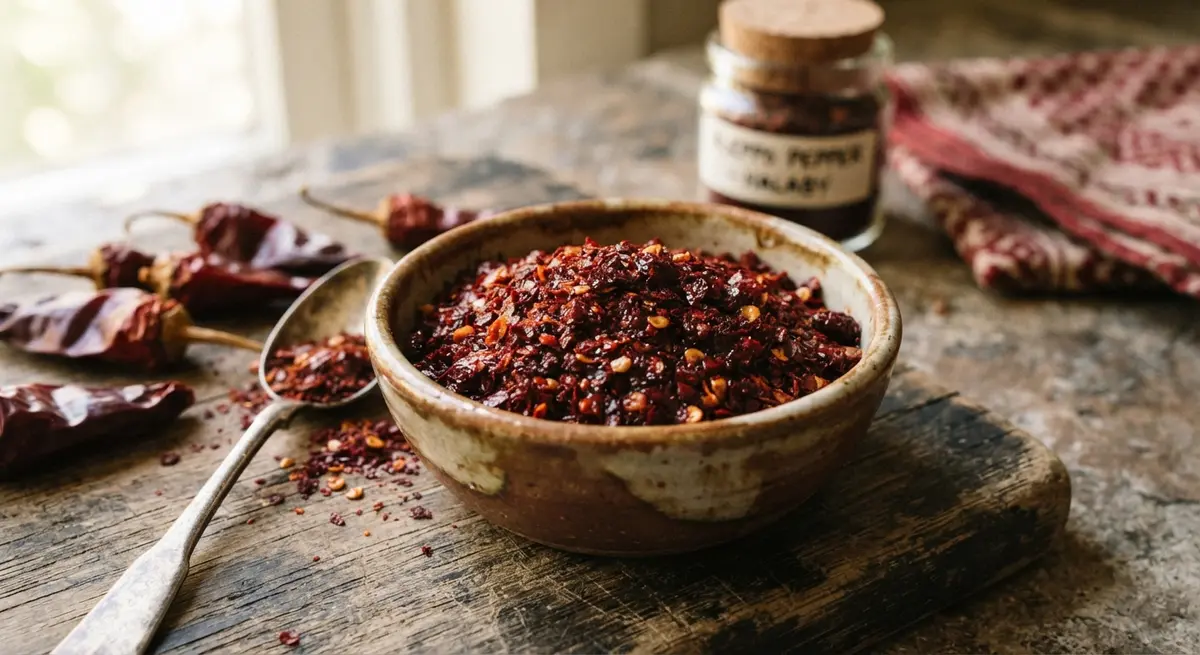
Aleppo Pepper: Flavor Profile, Health Benefits & Culinary Uses
Aleppo is the Mediterranean's gentle red flake, fruity and warm with real heat that never bites, perfect for everything from muhammara to roast carrots.
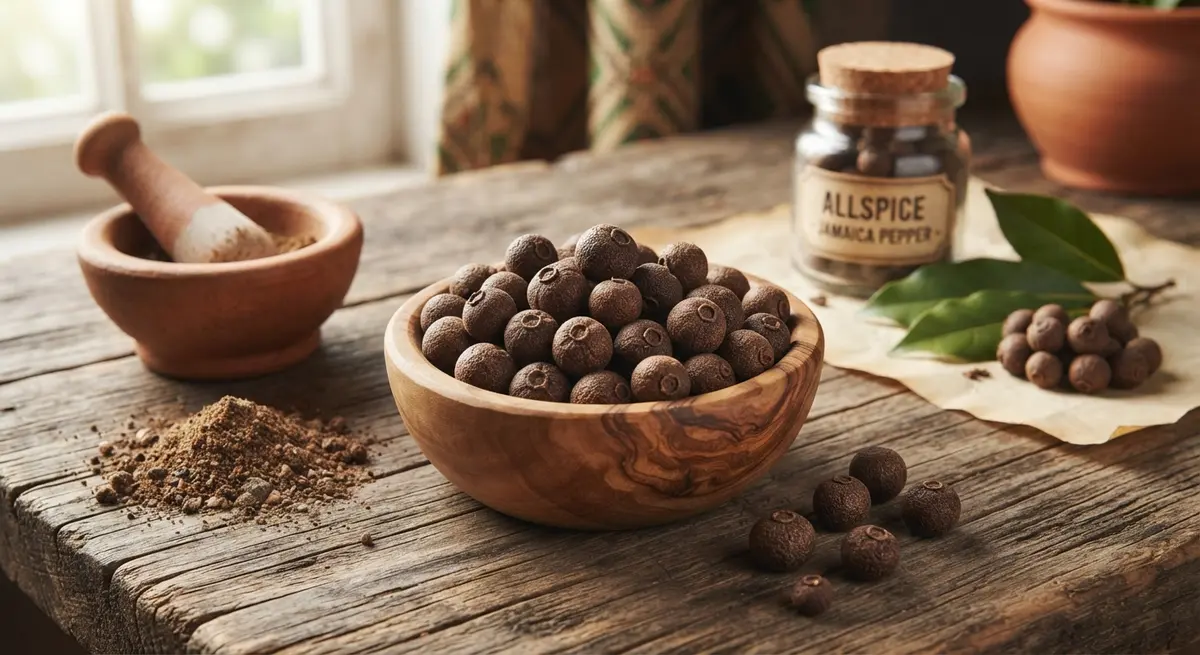
Allspice (Jamaica Pepper): Flavor Profile, Health Benefits & Culinary Uses
The original seasoning cheat: a single berry tasting of cinnamon, clove, and nutmeg, born in Jamaica, baked into jerk and grandmothers' Christmas cakes alike.
About the Authors
This recipe and guide was developed, tested, and approved in our home kitchen and daily life. Jamy is a retired Food Service District Manager and Early Childhood Program Manager who spent his career overseeing multi-site restaurant operations, large-scale culinary production, and daycare menu management. Kaïna brings the ultimate real-world test: making sure it brings ease and joy to our kids on a busy weeknight.
Read more about our professional background and philosophy →