Monk's Pepper (Chaste Tree Seeds): Flavor Profile, Health Benefits & Culinary Uses
By the QuiteRecipes team (Jamy & Kaïna)
Vitex's peppery little seeds carry a centuries-old medicinal legacy and a very minor cooking history — here is the honest profile, with measures and limits made clear.
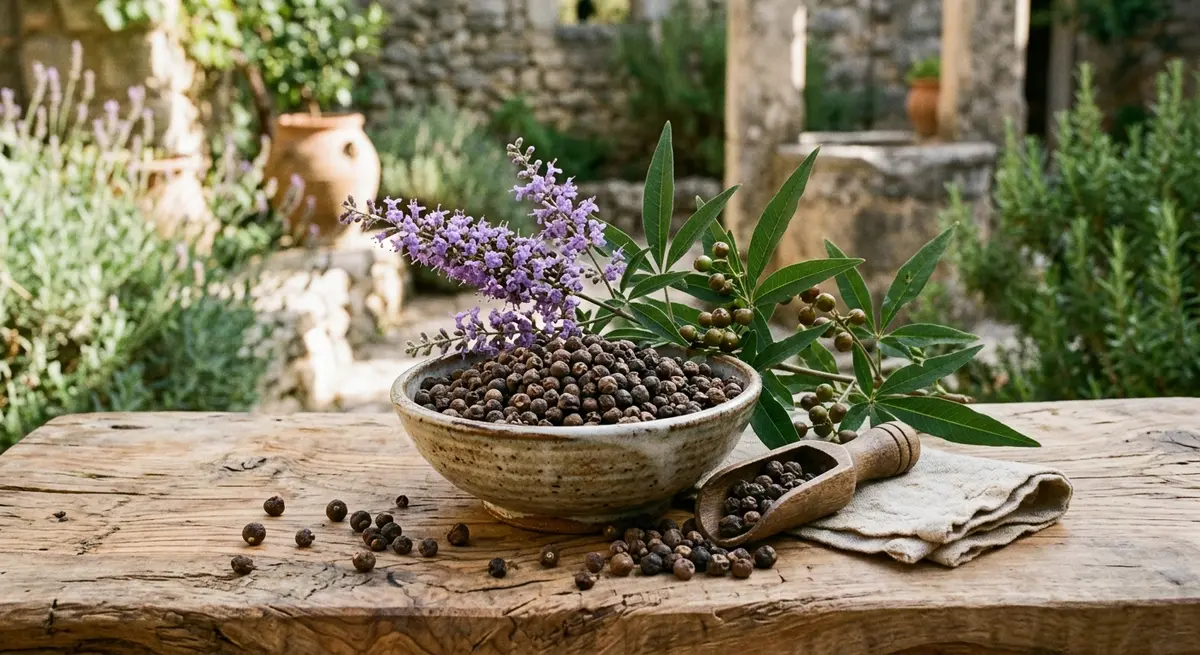
Monk's pepper earns its name from devotion rather than heat. It is the seed of the chaste tree, Vitex agnus-castus, a Mediterranean shrub whose tiny brown berries have been used for centuries as an herbal remedy, mostly tied to women's hormonal health. Medieval monks supposedly used the peppery seeds to season their plainly cooked food, and the common name comes from that custom — not from any claim that it truly matches pepper in the kitchen. Today it shows up mostly in herbal preparations, so be clear-eyed from the start: this is a traditional herbal remedy with a very minor culinary history, not an everyday cooking spice.
Flavor Profile & Notes
Small, round, reddish-brown seeds with a pleasant, peppery, faintly bitter bite — black pepper softened by a touch of resinous herb. The flavor is subtle and turns bitter fast, so culinary use, where it exists, means a sprinkle over vegetables or a pinch in an herbal blend, not a grind over a steak. Heat destroys what finesse they have, so treat them as a final garnish at most.
Health Benefits & Nutrition
Traditional use of chasteberry is wide and old, most commonly for PMS and menopausal symptoms, with some studies finding modest support. That is why the disclaimer matters: monk's pepper is a herbal remedy, not a food ingredient. Do not rely on it for these purposes without speaking to a doctor — it can interact with hormones and some medications, and safety in pregnancy is not established. This is not medical advice, and neither is a spice page; if you want to use chasteberry for health, ask your healthcare provider.
Best Culinary Pairings
Given all that, culinary use is genuinely minor. In a few traditional herbal circles it is sprinkled sparingly over vegetables or infused into a mildly peppery herbal tea. You can bruise a few seeds into a spiced drink for curiosity, or add a tiny pinch to a pickling mix for a bitter edge. Treat it as a novelty with a story, not a way to pep up dinner.
Quick Substitutes
For actual pepper in food, use real black pepper — every time. If a recipe or herbal blend calls for monk's pepper for tradition, you can approximate the light bitter kick with a pinch of ground juniper or rosemary. There is no cooking reason to substitute chasteberry into daily meals; that is simply the wrong tool.
FAQ / Quick Facts
- Is monk's pepper safe to eat? Used in tiny amounts it has a long traditional history, but it is a herbal remedy with risks — ask your doctor before using it for health effects.
- Does it taste like pepper? It is mildly peppery but quickly bitter, and far weaker than true pepper, so it was a compromise seasoning at best.
- Is it a culinary spice? Essentially no — its recorded culinary use is minor, and its main legacy is as a traditional herbal remedy.
- Botanical family / Form / Best uses: Vitex agnus-castus (Lamiaceae) / dried seeds / tiny accents or herbal preparations — never as a main seasoning.
Related Articles
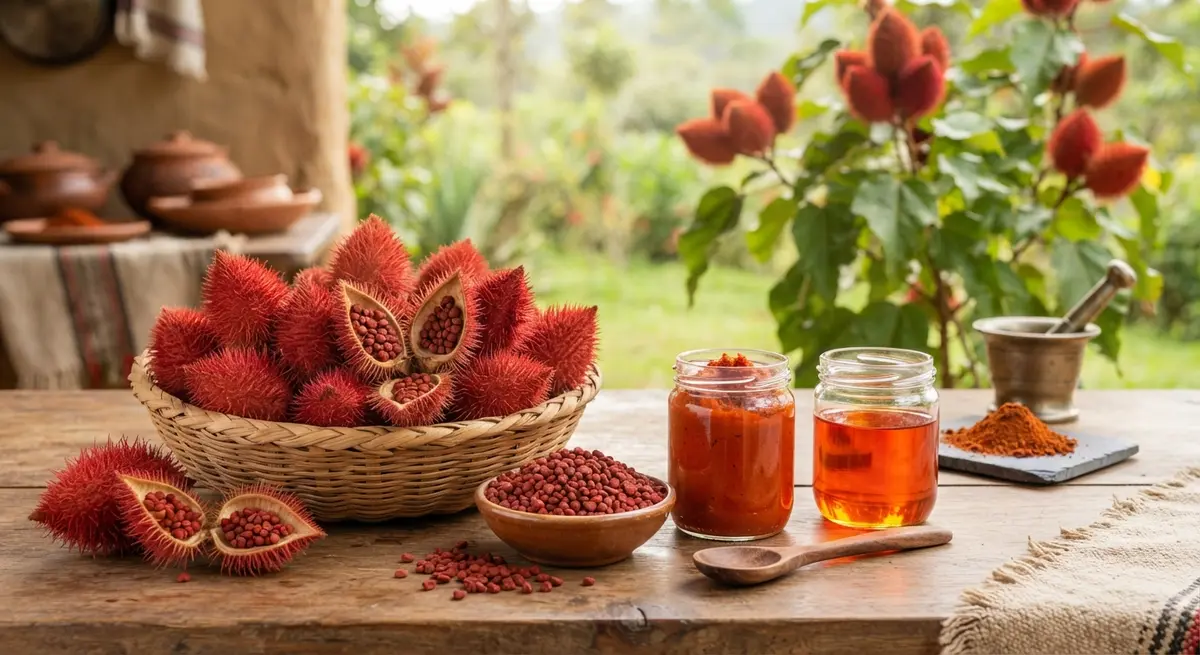
Achiote (Annatto): Flavor Profile, Health Benefits & Culinary Uses
Tiny coral-red seeds that paint food golden: the annatto tree's achiote, how to use the seeds and the Yucatan paste, and honest color substitutes.
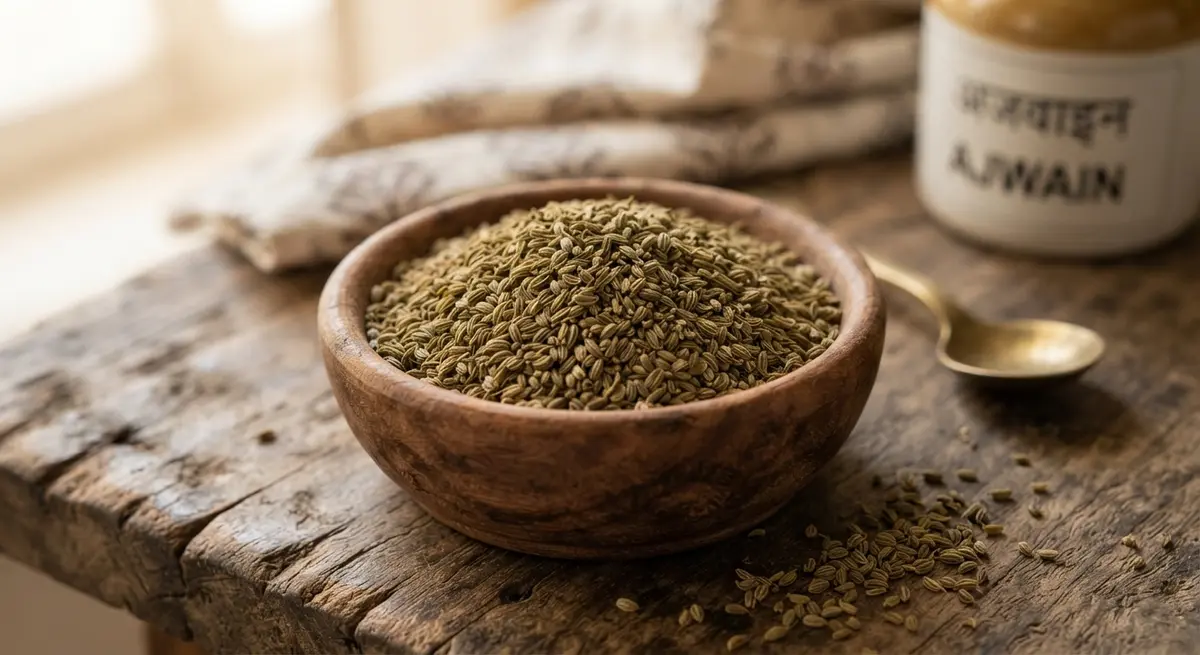
Ajwain (Carom) Seeds: Flavor Profile, Health Benefits & Culinary Uses
A tiny gray-brown seed that tastes like thyme, oregano, and cumin had a baby with a timer fuse. Here is how and why Indian kitchens use ajwain.
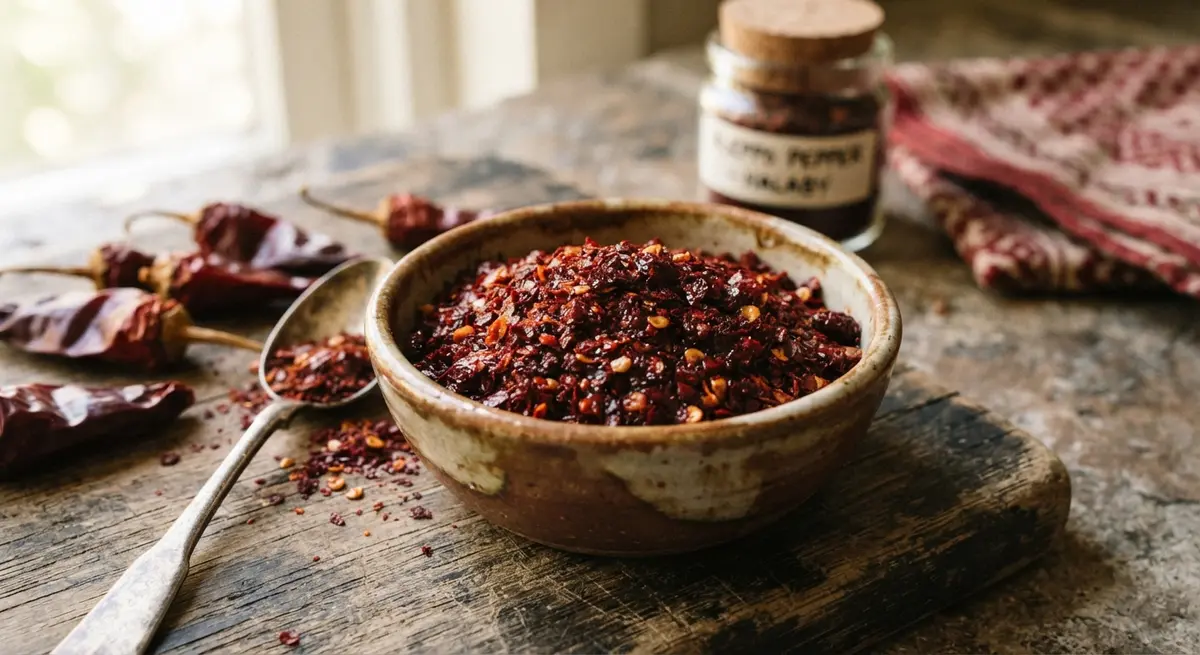
Aleppo Pepper: Flavor Profile, Health Benefits & Culinary Uses
Aleppo is the Mediterranean's gentle red flake, fruity and warm with real heat that never bites, perfect for everything from muhammara to roast carrots.
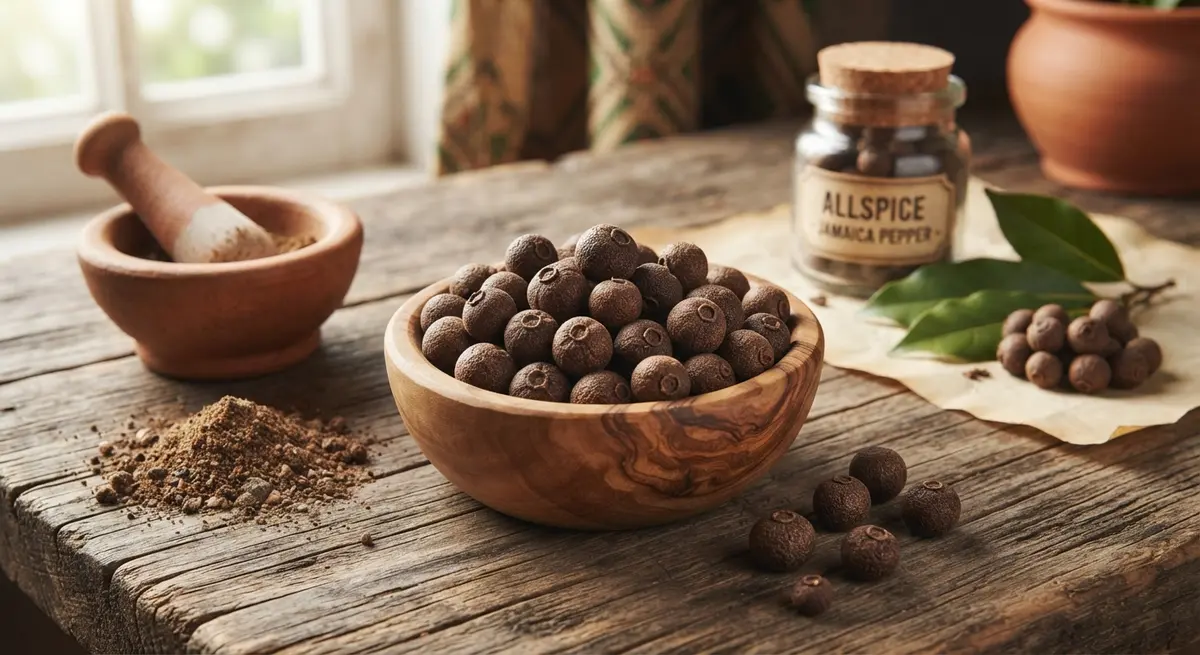
Allspice (Jamaica Pepper): Flavor Profile, Health Benefits & Culinary Uses
The original seasoning cheat: a single berry tasting of cinnamon, clove, and nutmeg, born in Jamaica, baked into jerk and grandmothers' Christmas cakes alike.
About the Authors
This recipe and guide was developed, tested, and approved in our home kitchen and daily life. Jamy is a retired Food Service District Manager and Early Childhood Program Manager who spent his career overseeing multi-site restaurant operations, large-scale culinary production, and daycare menu management. Kaïna brings the ultimate real-world test: making sure it brings ease and joy to our kids on a busy weeknight.
Read more about our professional background and philosophy →