Dried Marigold Flowers: Flavor Profile, Health Benefits & Culinary Uses
By the QuiteRecipes team (Jamy & Kaïna)
Golden petals that dye rice and butter saffron-color for pennies: culinary marigold and calendula, how to use them, and the honest saffron question.
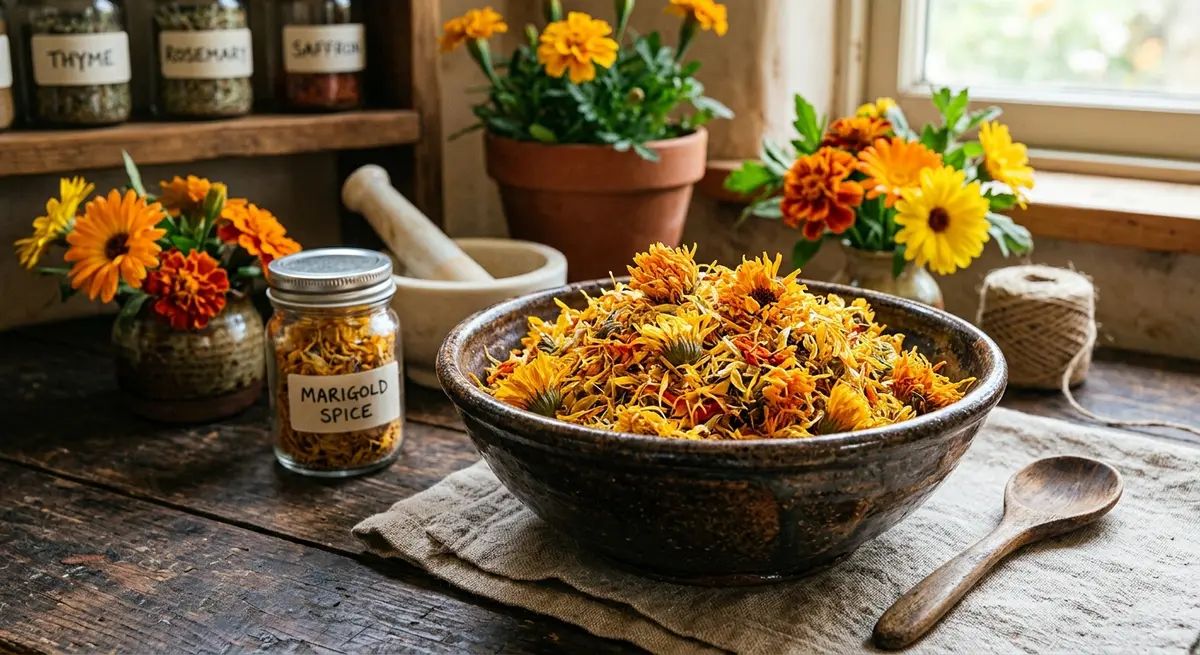
Dried marigold petals are the overlooked penny version of saffron's golden hour. Two flowers share the kitchen job: calendula, the old "pot marigold" that European cooks simmered into soups and cakes for yellow, and tagetes, the Mexican marigold whose petals color yellow rice and sauces. Both are edible, lovely, and nothing at all like saffron.
People call them the "poor man's saffron," and the nickname tells you exactly what they are for: the color of celebration without the saffron price. The flavor is different, but the gold is real.
Flavor Profile & Notes
Marigold petals are gentle — a faint citrus note, a pinch of green, nothing hot, nothing loud. Their value is color that stains butter, rice, and broth a cheerful saffron-gold when you steep them in warm liquid first. Calendula is the classic soft yellow in broths, custards, and pound cakes; Mexican tagetes is the vivid orange you see over Yucatan rice. Steep a pinch in hot water, milk, or oil for a few minutes, then use the golden liquid — the color is most reliable that way. They are, honestly, a color spice; treat flavor expectations accordingly.
Health Benefits & Nutrition
Because they are yellow, the petals carry carotenoids — lutein and zeaxanthin among them, the pigments studied for eye health. Calendula in particular has a long reputation in salves and soothing preparations, though a pinch in soup is not a treatment. As a food color they are a healthy curiosity: real plants, real pigments, no synthetic dyes, used in tiny amounts. The honest summary is the simplest one — they make plain rice and cake more appealing, and vegetables that look good tend to get eaten, which is a health win by behavior.
Best Culinary Pairings
Stir petals into rice, couscous, or broth for golden color; swirl the steeped liquid into butter for an elegant finish over fish, chicken, or greens; or bake it into yellow cake and cornbread. Mexican tagetes appears in the rice of festive tables and in the spice mixes of the Yucatan. A few petals scattered over salads or into a pot of tea add prettiness and a whisper of citrus. They play especially well with annatto, turmeric, and citrus zest.
Quick Substitutes
Saffron, if money is no object, gives both color and its unmistakable flavor — but the flavor is the whole point of saffron, so it is not a fair swap in reverse. A pinch of turmeric gives gold with an earthy note, and annatto gives a cleaner warm orange. For pure color, safflower petals are the specialist, and for aroma plus gold, use real saffron. If a recipe calls for marigold and you have none, turmeric plus a little citrus zest is the practical fallback.
FAQ / Quick Facts
- Are marigolds edible? Yes — culinary calendula and tagetes, grown without sprays, are edible flowers; ornamental kinds are untested, so buy food-grade.
- What does marigold taste like? Mildly citrusy and green; the golden color, not the flavor, is the contribution.
- Form / uses: Dried petals for color; steep in hot liquid first, then use the golden water, milk, or butter.
Related Articles
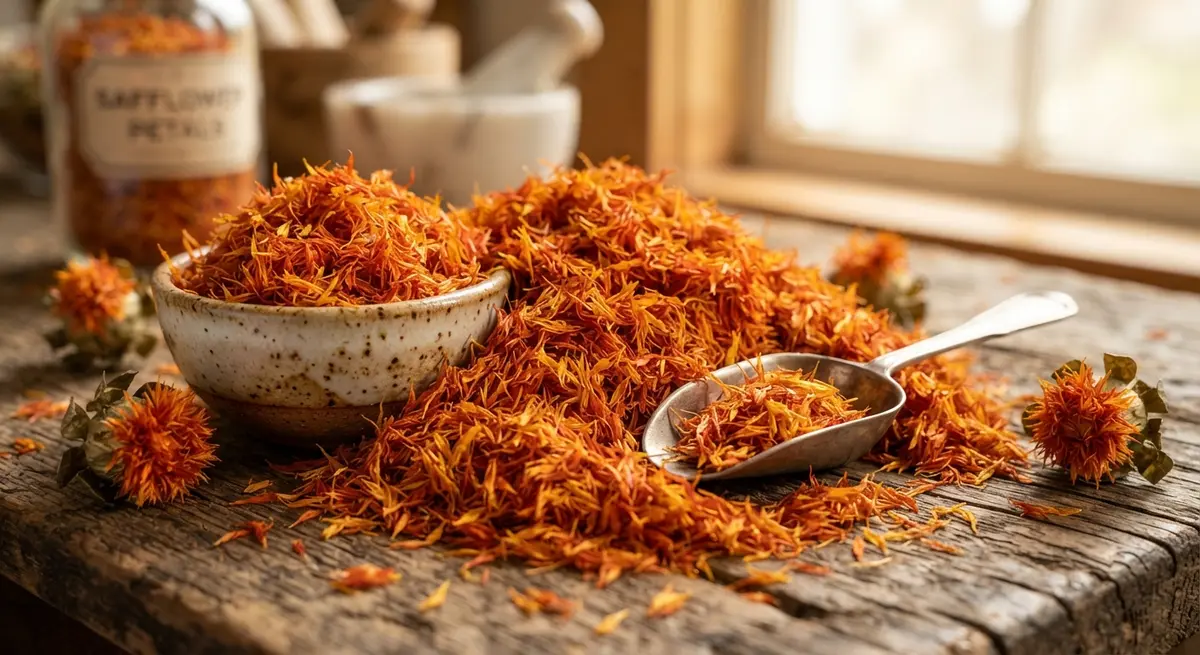
Safflower Petals (Bastard Saffron): Flavor Profile, Health Benefits & Culinary Uses
One of the oldest crops on Earth, grown for oil and for petals that dye rice gold: safflower, the economical stand-in that never pretends to saffron's flavor.
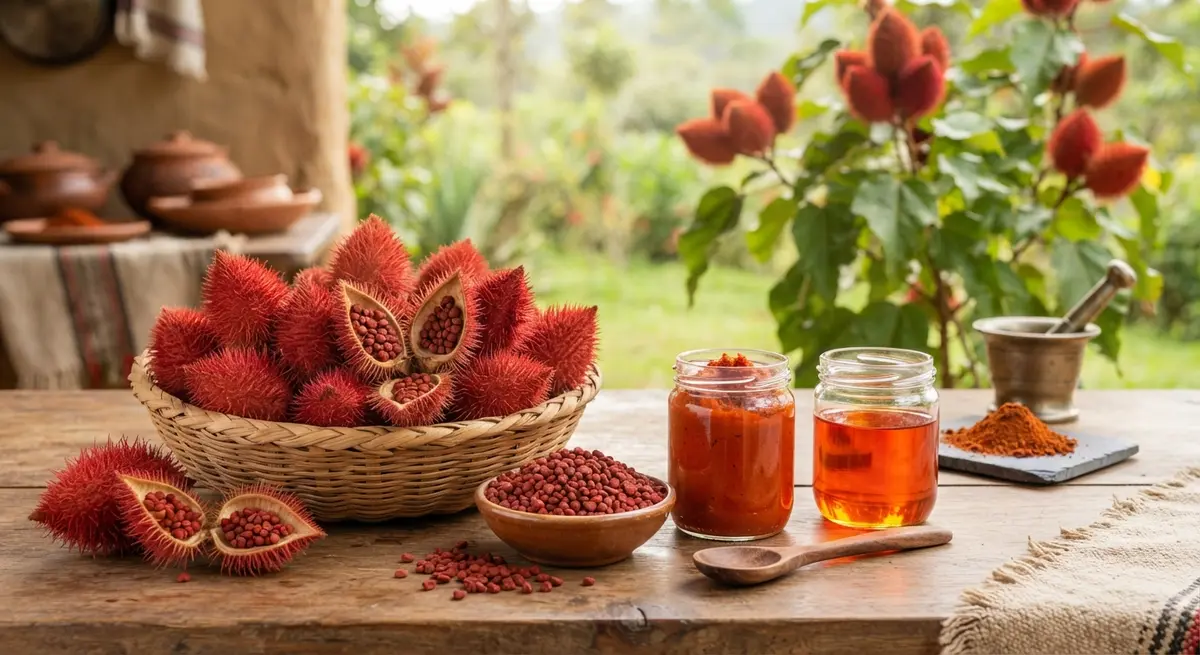
Achiote (Annatto): Flavor Profile, Health Benefits & Culinary Uses
Tiny coral-red seeds that paint food golden: the annatto tree's achiote, how to use the seeds and the Yucatan paste, and honest color substitutes.
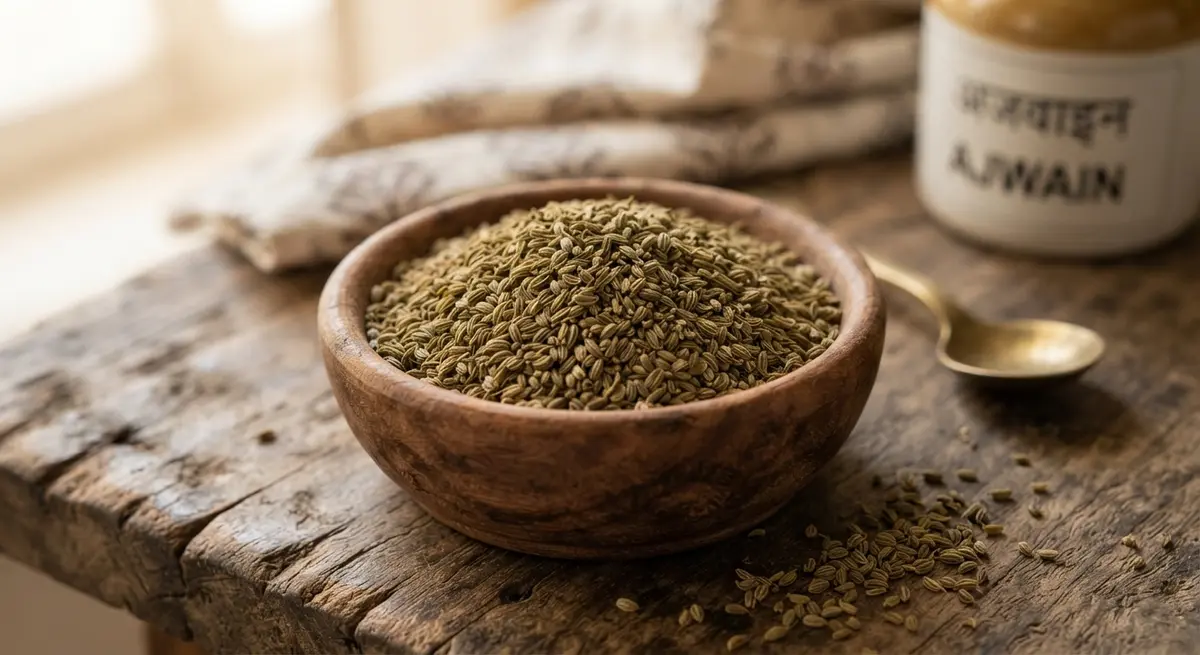
Ajwain (Carom) Seeds: Flavor Profile, Health Benefits & Culinary Uses
A tiny gray-brown seed that tastes like thyme, oregano, and cumin had a baby with a timer fuse. Here is how and why Indian kitchens use ajwain.
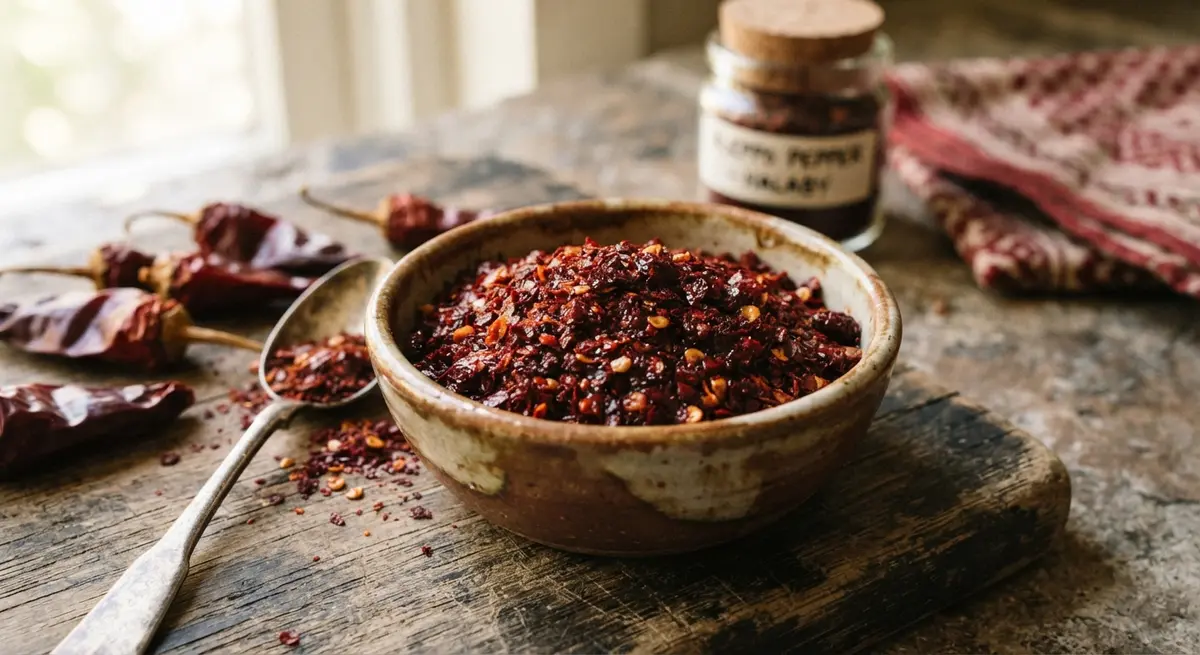
Aleppo Pepper: Flavor Profile, Health Benefits & Culinary Uses
Aleppo is the Mediterranean's gentle red flake, fruity and warm with real heat that never bites, perfect for everything from muhammara to roast carrots.
About the Authors
This recipe and guide was developed, tested, and approved in our home kitchen and daily life. Jamy is a retired Food Service District Manager and Early Childhood Program Manager who spent his career overseeing multi-site restaurant operations, large-scale culinary production, and daycare menu management. Kaïna brings the ultimate real-world test: making sure it brings ease and joy to our kids on a busy weeknight.
Read more about our professional background and philosophy →