Green Cardamom: Flavor Profile, Health Benefits & Culinary Uses
By the QuiteRecipes team (Jamy & Kaïna)
Green cardamom is the queen of spices: floral, sweet, and cool, at home in chai, rice pilaf, and Scandinavian buns alike. Here is how to buy and crack it.
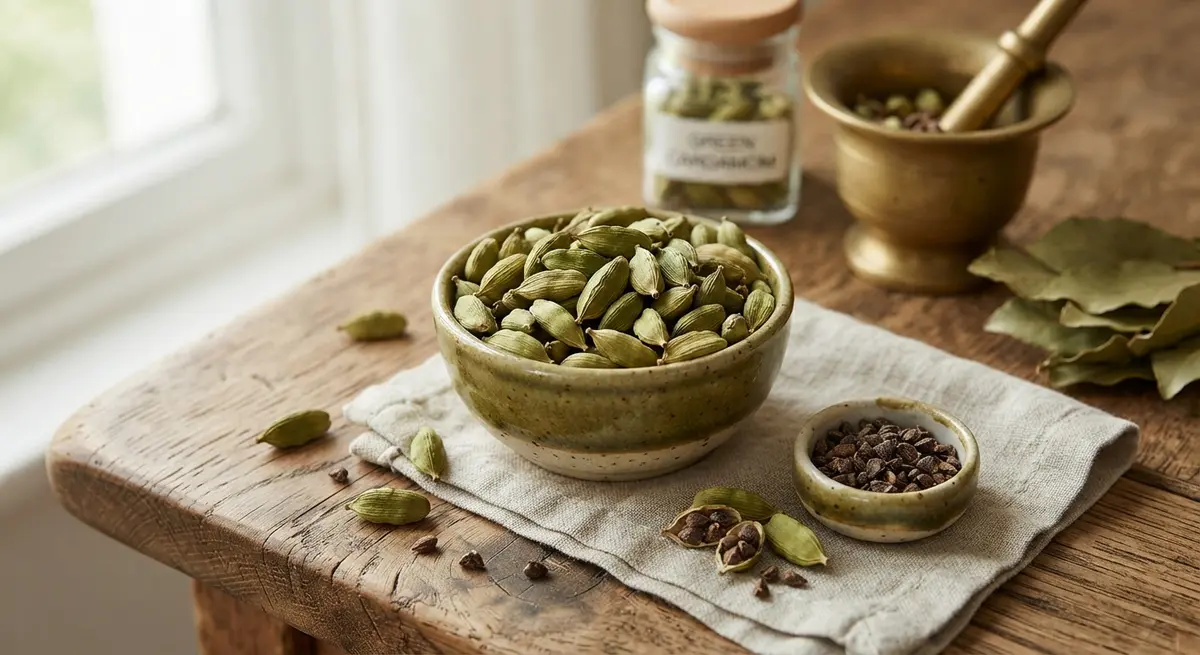
Green cardamom is the flower of the spice world, and ancient Indian cooks called it the queen of spices for good reason. The small, pale-green pods inside your jar are walnuts of the Elettaria cardamomum plant, native to the rainforests of southern India and today also grown in Guatemala, which has quietly become one of the largest producers. Inside each papery pod sit dozens of tiny black seeds holding some of the most complex aromatics in the cabinet.
Nothing else tastes quite like it: floral, sweet, a little like mint, a little like lemon, with a coolness that seems almost unspicy until you notice it everywhere. It builds the flavor of chai, Scandinavian pastries, and dozens of rice dishes that would be anonymous without it.
Flavor Profile & Notes
Green cardamom's aroma is intensely floral, camphoric, and sweet, with a fresh, slightly citrus-and-mint coolness and a hint of eucalyptus. The seeds carry all the flavor, so pods are pressed or lightly cracked to release them; a whole pod can simmer in a pot, leasing out its essence in hot liquid, while crushed seeds release everything fast. It is expensive because the pods are picked by hand. Whole pods keep their perfume for a year or two; ground cardamom is beautiful and loses its soul within months, so buy pods and grind small.
Health Benefits & Nutrition
Cardamom has a genuinely documented list of small superpowers — modest anti-inflammatory and antioxidant activity, and one of the few foods with published research behind its traditional use as a digestive aid, including helping freshen breath. Cineole, the compound giving it that cool edge, is the same one found in eucalyptus. The honest summary: it is fun to cook with, harmless in normal amounts, and its health claims are the mild, believable kind, best enjoyed in a warm cup of chai.
Best Culinary Pairings
Green cardamom is the soul of masala chai and Indian desserts, but it also belongs in surprising places: rice pilaf and biryani where a pod's sweetness lifts the grains, Swedish cardamom buns and doughnuts, coffee, hot chocolate, and custards. It pairs beautifully with citrus and stone fruit, so sneak it into marmalade, poached plums, or baked apples. A single crushed pod in a pot of cooked rice, or a pinch of freshly ground in your morning coffee, turns a daily habit into something guests notice.
Quick Substitutes
If a recipe wants green cardamom and you are out, a mix of ground ginger and a whisper of cinnamon can fake the warm-sweet part but loses the minty coolness. Ground cardamom substitutes for pods at about a quarter teaspoon per pod — crush the seeds to be sure. Black cardamom is a different species and wrong for sweets; save it for savory braises. None of the swaps are magic, but they keep the chai and the buns from going undrunk.
FAQ / Quick Facts
- Pods or ground? Pods, cracked and used whole, or opened and the seeds ground fresh — they keep their perfume longest.
- Why is it so pricey? Each pod is picked, cured, and often sorted by hand, and one plant yields a modest harvest.
- Know your spice: Zingiberaceae family; pods and seeds; the queen of chai, pilaf, and Scandinavian baking.
Related Articles
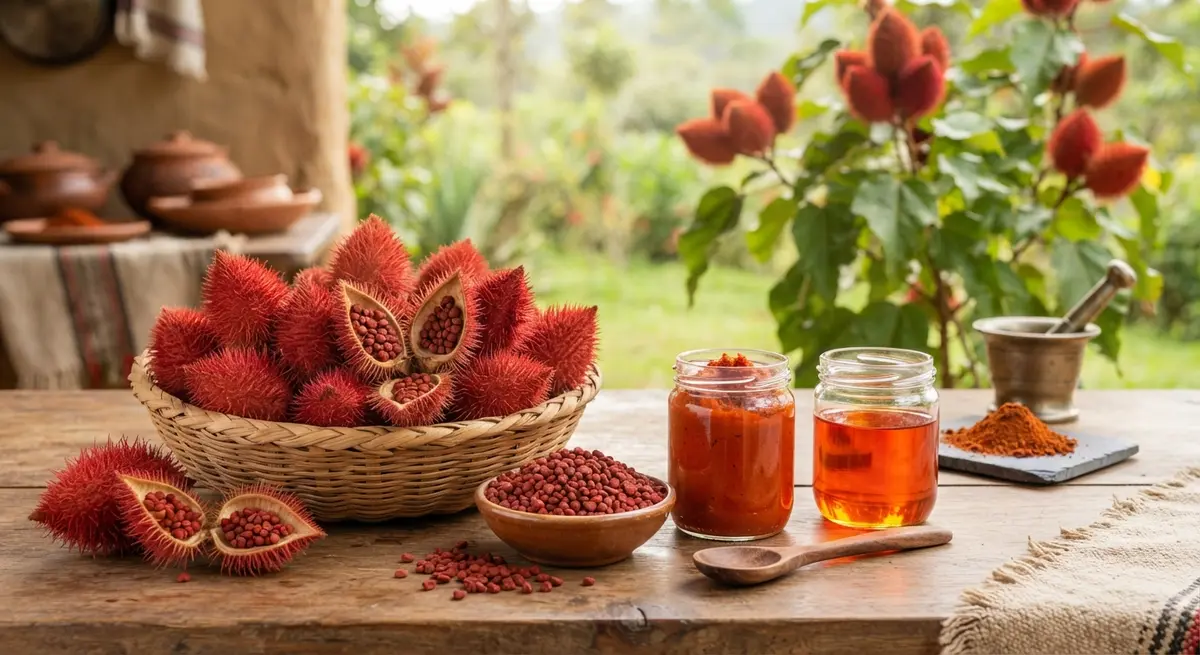
Achiote (Annatto): Flavor Profile, Health Benefits & Culinary Uses
Tiny coral-red seeds that paint food golden: the annatto tree's achiote, how to use the seeds and the Yucatan paste, and honest color substitutes.
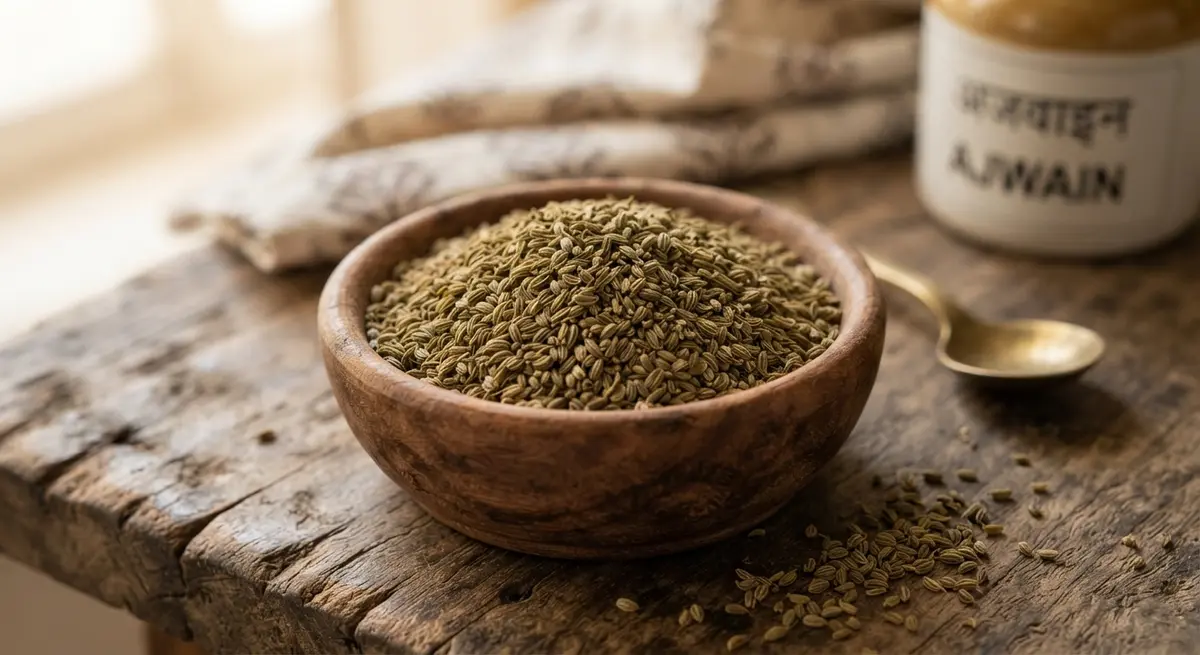
Ajwain (Carom) Seeds: Flavor Profile, Health Benefits & Culinary Uses
A tiny gray-brown seed that tastes like thyme, oregano, and cumin had a baby with a timer fuse. Here is how and why Indian kitchens use ajwain.
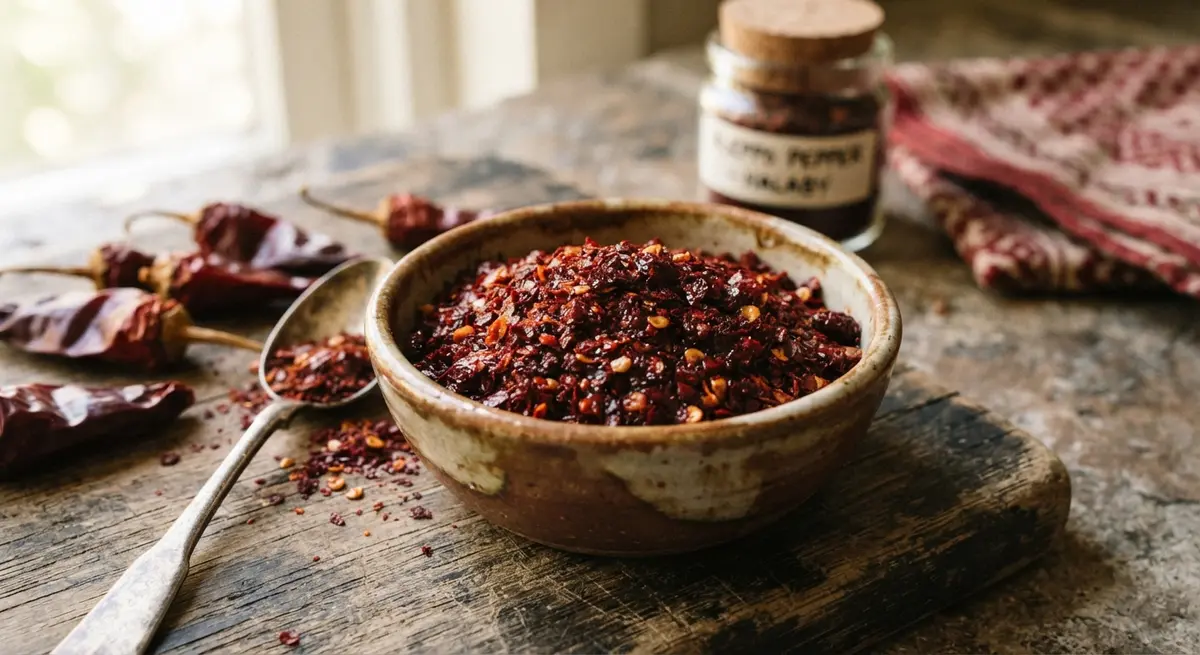
Aleppo Pepper: Flavor Profile, Health Benefits & Culinary Uses
Aleppo is the Mediterranean's gentle red flake, fruity and warm with real heat that never bites, perfect for everything from muhammara to roast carrots.
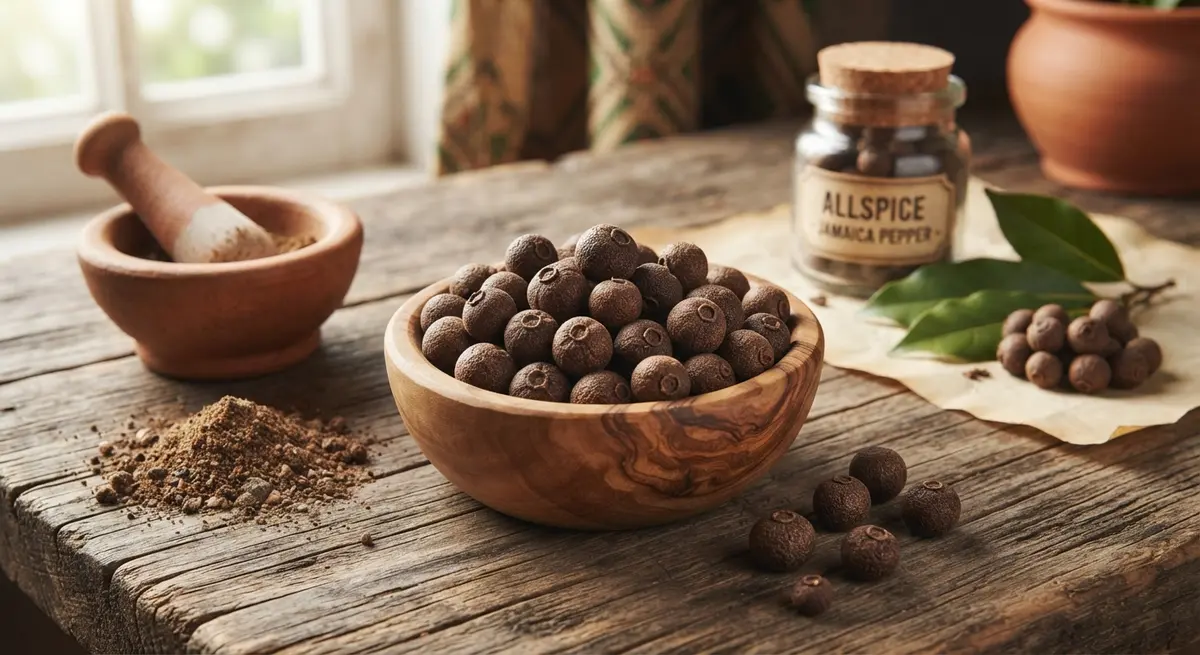
Allspice (Jamaica Pepper): Flavor Profile, Health Benefits & Culinary Uses
The original seasoning cheat: a single berry tasting of cinnamon, clove, and nutmeg, born in Jamaica, baked into jerk and grandmothers' Christmas cakes alike.
About the Authors
This recipe and guide was developed, tested, and approved in our home kitchen and daily life. Jamy is a retired Food Service District Manager and Early Childhood Program Manager who spent his career overseeing multi-site restaurant operations, large-scale culinary production, and daycare menu management. Kaïna brings the ultimate real-world test: making sure it brings ease and joy to our kids on a busy weeknight.
Read more about our professional background and philosophy →