Green Anise (Aniseed): Flavor Profile, Health Benefits & Culinary Uses
By the QuiteRecipes team (Jamy & Kaïna)
Those tiny ridged seeds are aniseed, the original licorice spice of Mediterranean baking. Here is its sweet profile, its classic uses, and how it plays with fennel.
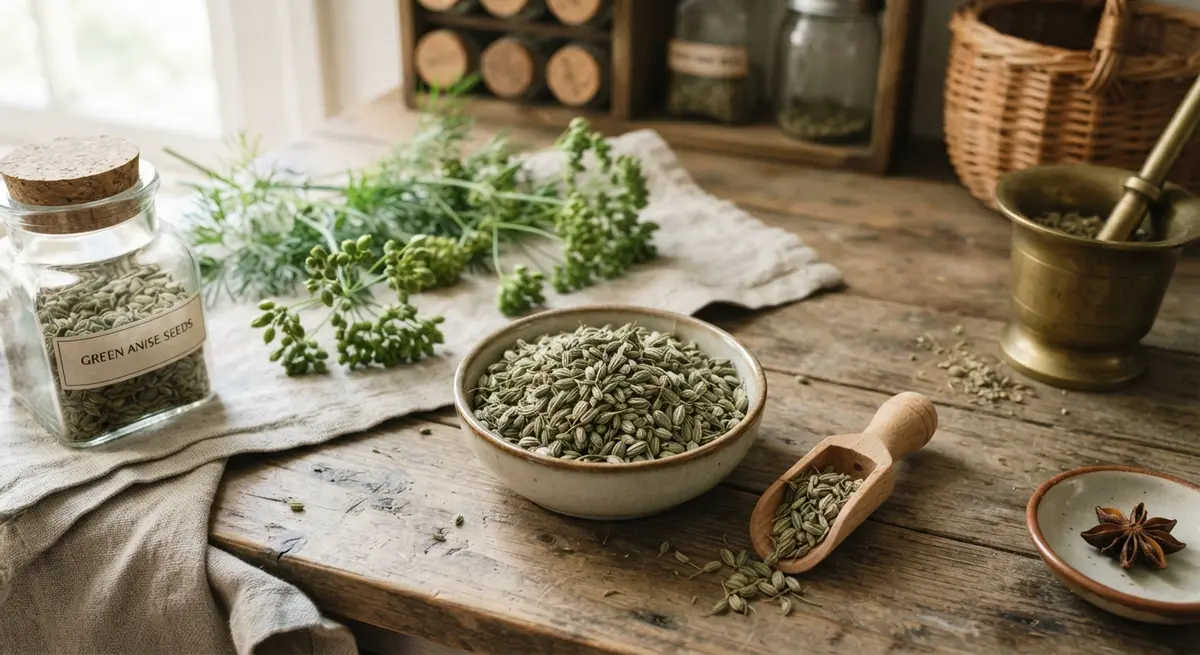
Aniseed — the seeds of the herbaceous plant Pimpinella anisum, native to the eastern Mediterranean — is the original source of the licorice taste in the kitchen, long before star anise arrived from China by trade route. The Romans used it for spice cakes, the Middle East flavored breads and spirits with it, and today it still shows up where a sweet, slightly cooling, unmistakable licorice note is wanted: biscotti, seed cookies, sausage, liqueurs, and the anise-flavored spirits that never quite went away.
The tiny, ridged, green-brown seeds are related botanically to fennel and caraway — three plants that casually confuse everyone — but aniseed's flavor is the loudest and sweetest of the trio. One taste settles the identity question forever.
Flavor Profile & Notes
Aniseed tastes like sweet black licorice with a cooling, numbing finish that lingers pleasantly — the flavor comes from anethole, the same compound that gives star anise its voice. It is sweeter and stronger than fennel seeds and slightly resinous, so a little goes a long way in either cookies or braises. Whole seeds perfume cookies and bread while baking; ground aniseed is more intense and should be metered in pinches. Heat gentles the seed — the sharper note is raw, and warmth turns it round and honeyed. Keep it dark and it keeps its strength for years.
Health Benefits & Nutrition
Aniseed has a respected folk resume: it carries antioxidants, some calcium and iron, and anethole, which is responsible for both flavor and the digestive-settling reputation that made grandmothers everywhere give aniseed tea to unsettled stomachs. That traditional use has real, if modest, scientific backing for soothing digestion and calming bloating. It also shows up in cough-friendly teas. All of it applies to food-and-tea amounts; nobody is prescribing seed extract, and nobody needs to.
Best Culinary Pairings
Aniseed is the backbone of Italian biscotti and pizzelle, seed cookies, and struffoli, and a teaspoon of seeds in a shortbread or pound cake dough brings a gentle surprise. It seasons sausages and braised pork, where its sweetness knits with fennel, and it crowns rye breads and muesli. Crush the seeds into a poached-pear syrup or honey glaze, and do not forget the drinks: anisette, pastis, sambuca, and raki all owe this seed their personality — a splash in a hot toddy is a holiday trick.
Quick Substitutes
Star anise is the closest flavor, though note-for-note different — one star pod equals roughly half a teaspoon of aniseed, and it tastes spicier and more resinous, so use less. Fennel seeds are the softer cousin: sweeter and milder, with a hint of celery, best doubled to cover aniseed in a pinch. Caraway brings a rye-like warmth that can work in savory sausage but not cookies. In baked goods, staying honest: most swaps leave a licorice-shaped hole.
FAQ / Quick Facts
- Aniseed, fennel, or star anise? Aniseed is sharp and sweet (biscotti); fennel is mellow and celery-kissed (sausage); star anise is resinous and big (five-spice).
- How strong is it? Strong — a teaspoon of seeds in a batch of dough travels through the whole bake.
- Know your spice: Apiaceae family; whole seeds or ground; the licorice soul of Italian cookies, sausage, and anise spirits.
Related Articles
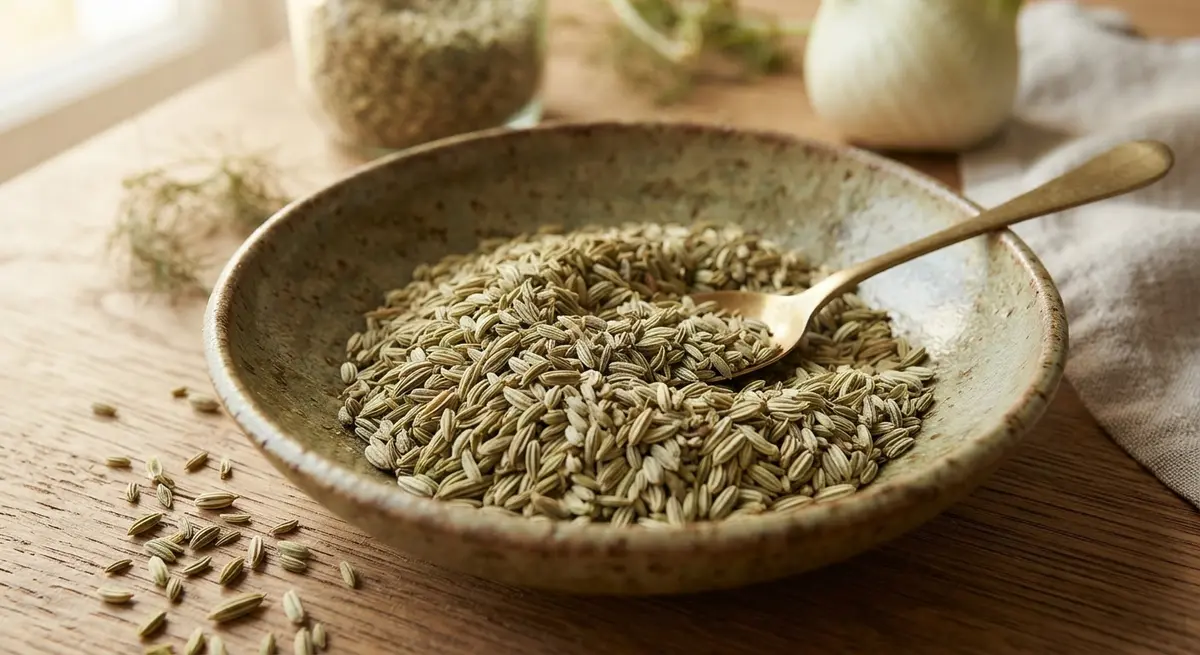
Fennel Seeds: Flavor Profile, Health Benefits & Culinary Uses
Sweet, mellow, and faintly grassy, fennel seeds are the gentle licorice note of Italian sausage and Indian dals. Here is the full guide to cooking with them.
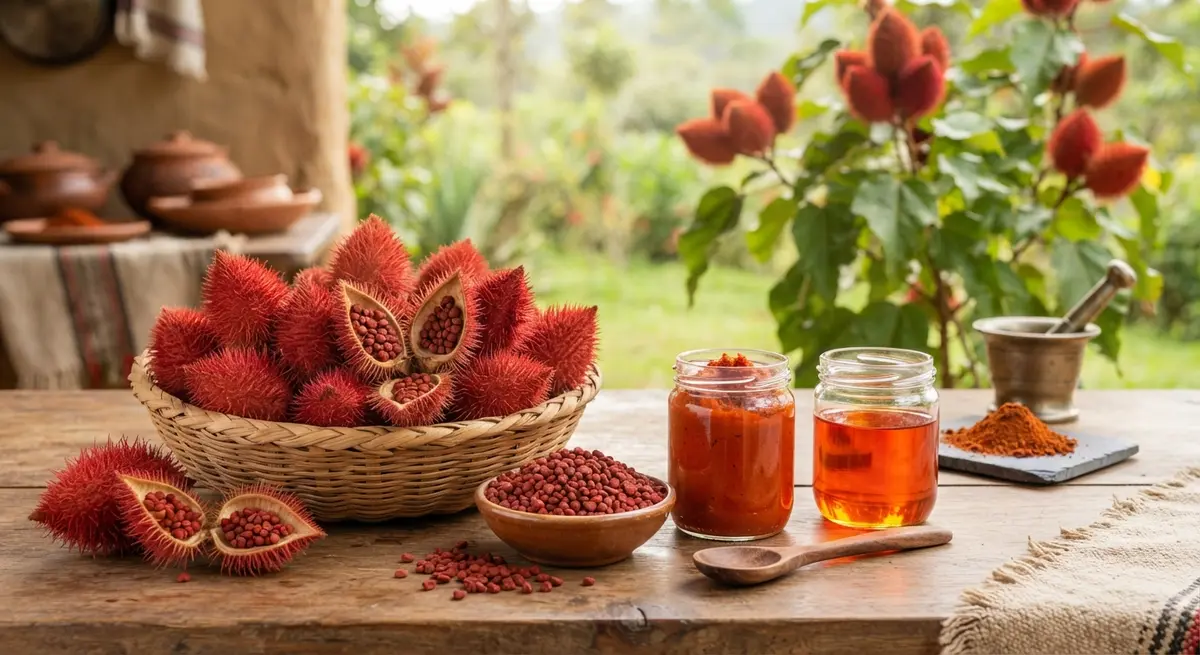
Achiote (Annatto): Flavor Profile, Health Benefits & Culinary Uses
Tiny coral-red seeds that paint food golden: the annatto tree's achiote, how to use the seeds and the Yucatan paste, and honest color substitutes.
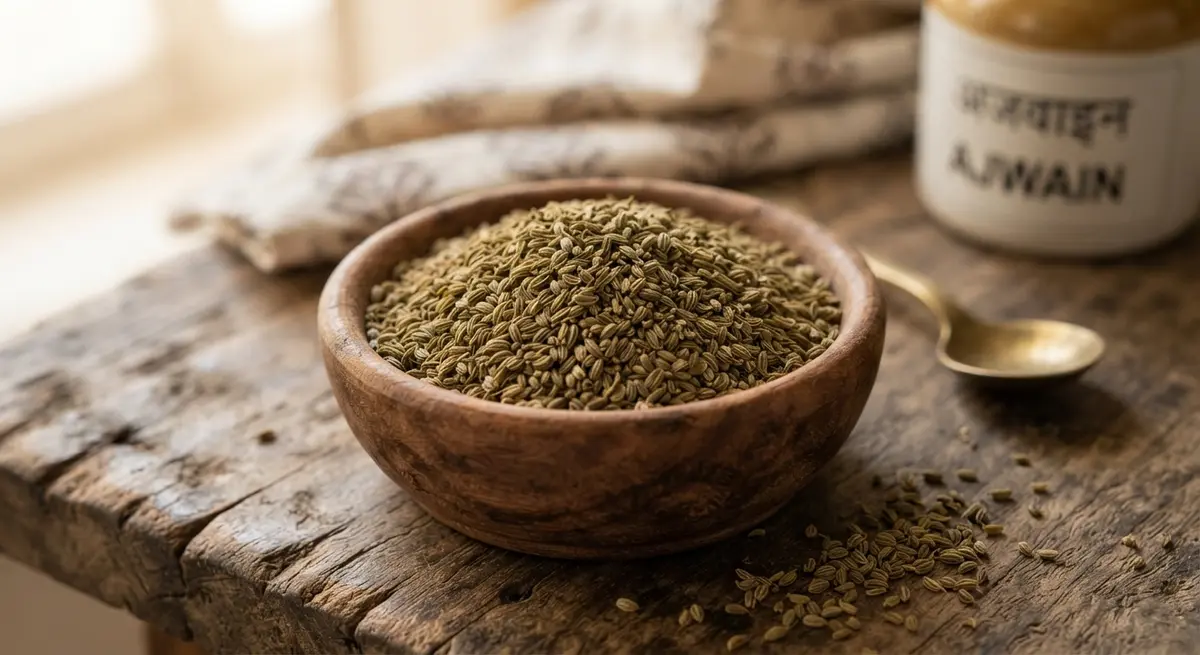
Ajwain (Carom) Seeds: Flavor Profile, Health Benefits & Culinary Uses
A tiny gray-brown seed that tastes like thyme, oregano, and cumin had a baby with a timer fuse. Here is how and why Indian kitchens use ajwain.
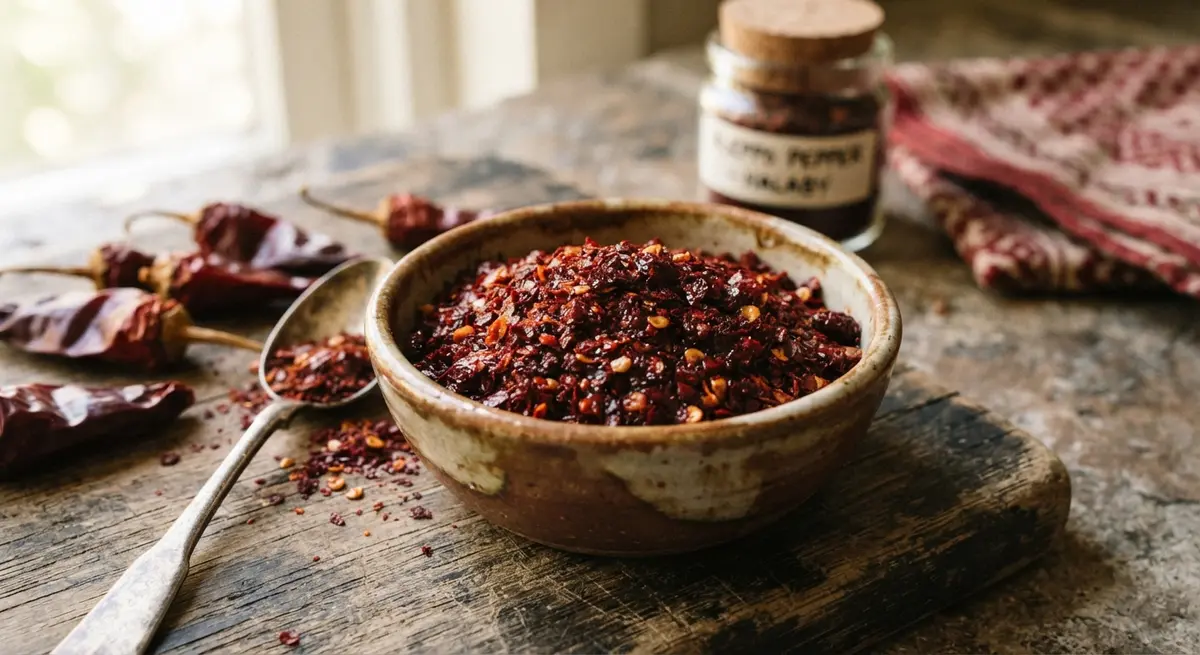
Aleppo Pepper: Flavor Profile, Health Benefits & Culinary Uses
Aleppo is the Mediterranean's gentle red flake, fruity and warm with real heat that never bites, perfect for everything from muhammara to roast carrots.
About the Authors
This recipe and guide was developed, tested, and approved in our home kitchen and daily life. Jamy is a retired Food Service District Manager and Early Childhood Program Manager who spent his career overseeing multi-site restaurant operations, large-scale culinary production, and daycare menu management. Kaïna brings the ultimate real-world test: making sure it brings ease and joy to our kids on a busy weeknight.
Read more about our professional background and philosophy →