Grains of Paradise: Flavor Profile, Health Benefits & Culinary Uses
By the QuiteRecipes team (Jamy & Kaïna)
Grains of paradise taste like a wild mash-up of black pepper, cardamom, and ginger, and for centuries it doubled as both seasoning and currency in West Africa.
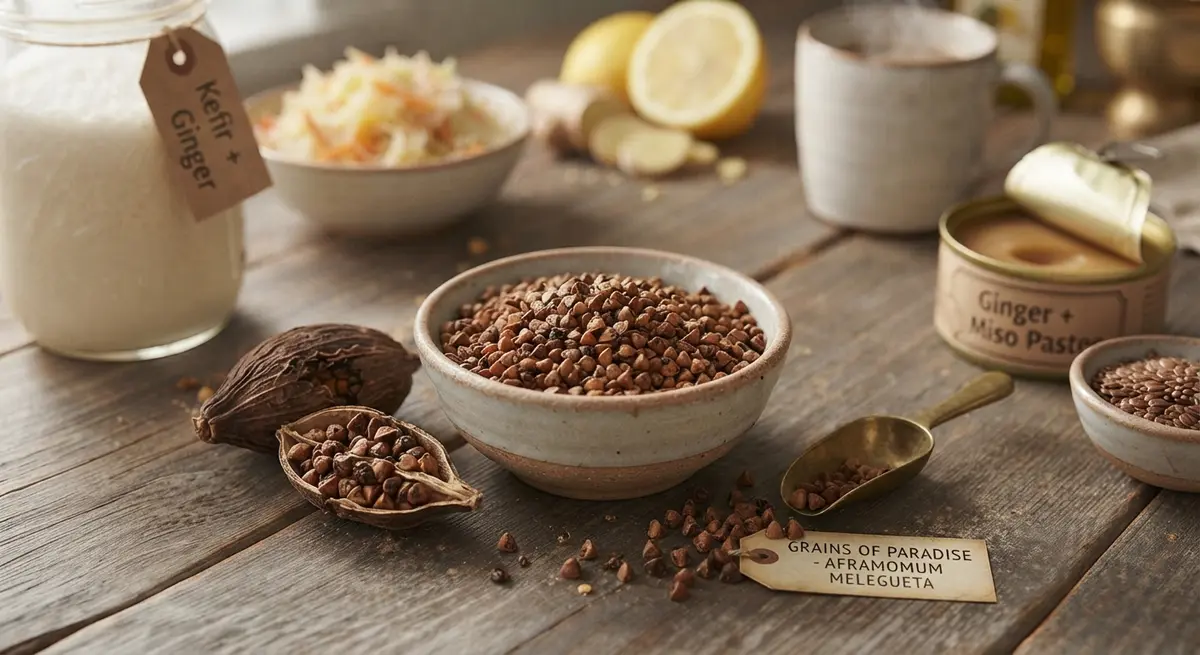
Grains of paradise is the spice that the spice trade nearly forgot, which is why it still feels like a secret. It grows in West Africa as Aframomum melegueta, a member of the ginger and cardamom family, and its small reddish-brown seeds arrive in tight clusters that look like the inside of a cardamom pod. Taste one and you get an unexpected grand slam: black pepper's warmth, cardamom's citrus, and a gentle ginger floral note, all in a single seed with a slow, creeping heat that never burns. West Africans called it melegueta for its affinity to spicing, European merchants called it paradise grain and glowed about its price, and for a while it was used as both money and medicine.
Today it is worth hunting for; it sits where black pepper and cardamom have never quite met.
Flavor Profile & Notes
A fragrant, lifted, slightly sweet warmth — imagine white pepper crossed with cardamom and a faint ginger-floral perfume. The heat is moderate and builds gently, so it is much friendlier to delicate food than black pepper. Grind it fresh with a mortar or spice mill and bloom it in hot oil to release the top notes. Buy whole seeds when you can find them: the powder has a shorter shelf life and loses the delicate ginger lift quickly. It stands up well to baking, which many peppercorns cannot claim.
Health Benefits & Nutrition
In West African tradition, grains of paradise has been used as a warming digestive and general tonic, and some research has looked at its potential to support metabolism, though the work is preliminary. Keep the claims measured: it is a flavorful seed with an honorable history, not a diet pill. What is safely true from the kitchen is that its gentle heat and citrus notes give dishes real complexity for no salt, which is always a good bargain.
Best Culinary Pairings
Give it a job in two very different places. First, the savory: grind it into crab boils, shrimp rubs, roasted root vegetables, or a warm spice rub for lamb chops. Second, the sweet: it is superb with fruitcakes, spiced cookies, poached pears, or dark chocolate, and it is quietly essential in the ginger-and-bourbon crusts and marinades that tasting menus love. A pinch in your next batch of banana bread is the fastest way to make it famous in your own house.
Quick Substitutes
For an everyday swap, combine a little black pepper with a pinch of ground cardamom and a whisper of ginger. To approximate the whole profile without patronizing the original, use cardamom plus a light dusting of white pepper. The delicate floral lift is the thing substitutes lose first, so when baking something special, order the real seeds.
FAQ / Quick Facts
- How long does it keep? Whole seeds keep up to a year in a sealed jar; ground powder should be used within a few months.
- What does it taste like? A blend of black pepper, cardamom, and ginger with gentle, slow-building warmth.
- Why "paradise"? Medieval European traders paid a fortune for these seeds and called them paradise grain.
- Botanical family / Form / Best uses: Aframomum melegueta (Zingiberaceae) / whole or ground seeds / seafood boils, rubs, baking, and chocolate desserts.
Related Articles
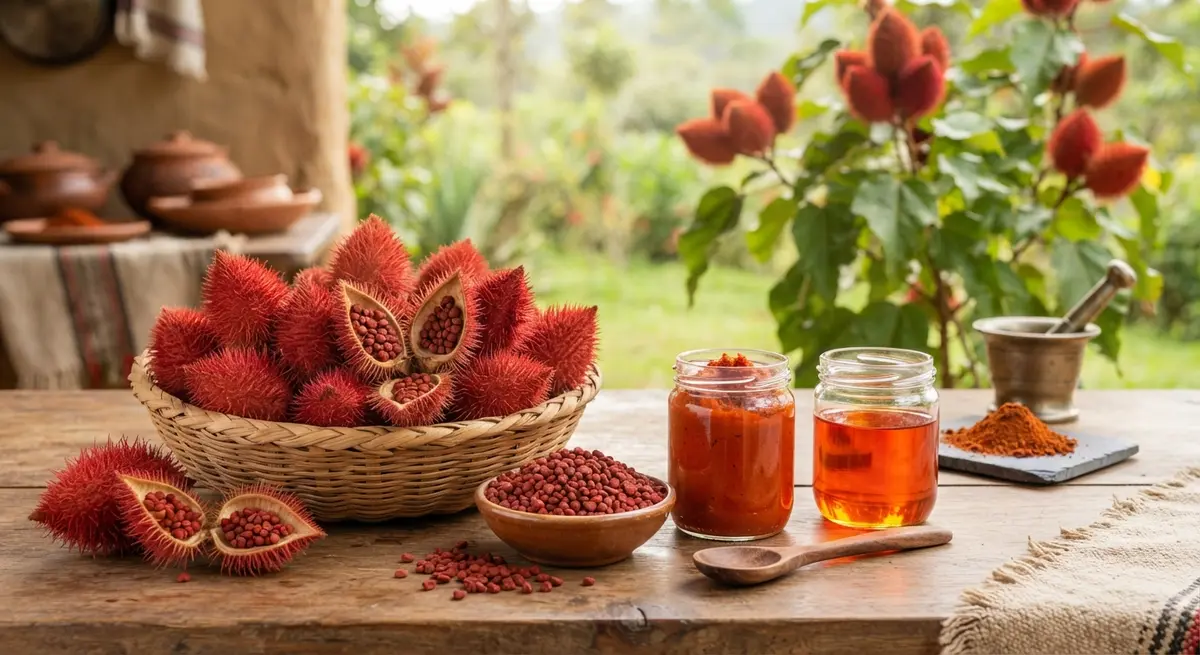
Achiote (Annatto): Flavor Profile, Health Benefits & Culinary Uses
Tiny coral-red seeds that paint food golden: the annatto tree's achiote, how to use the seeds and the Yucatan paste, and honest color substitutes.
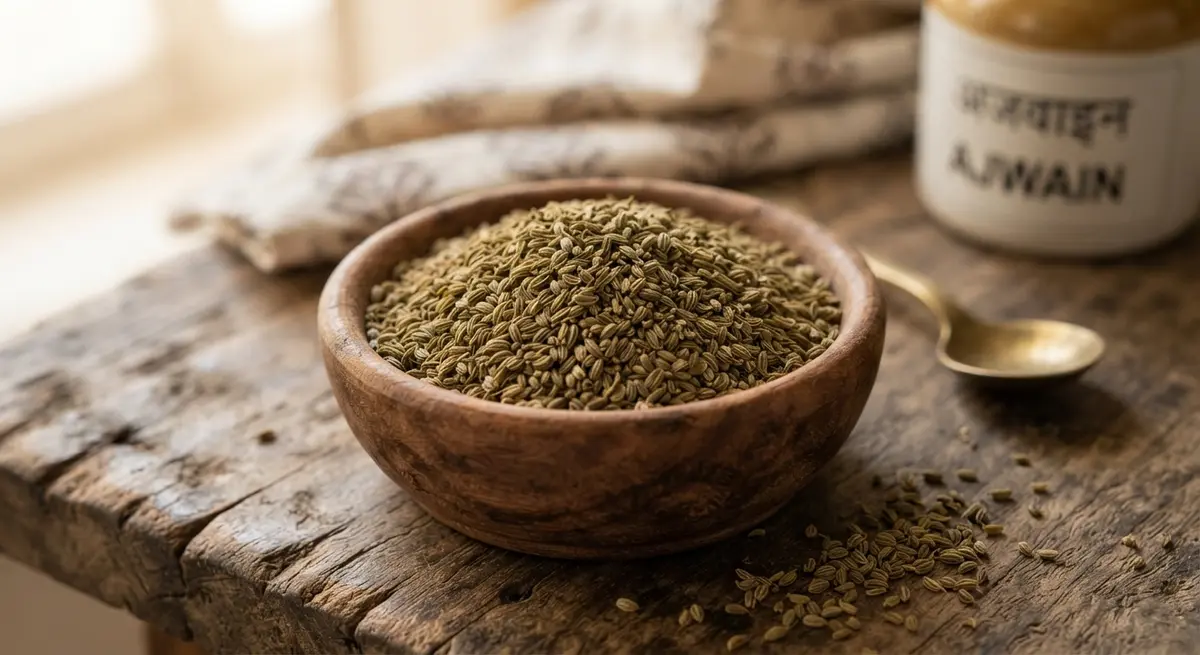
Ajwain (Carom) Seeds: Flavor Profile, Health Benefits & Culinary Uses
A tiny gray-brown seed that tastes like thyme, oregano, and cumin had a baby with a timer fuse. Here is how and why Indian kitchens use ajwain.
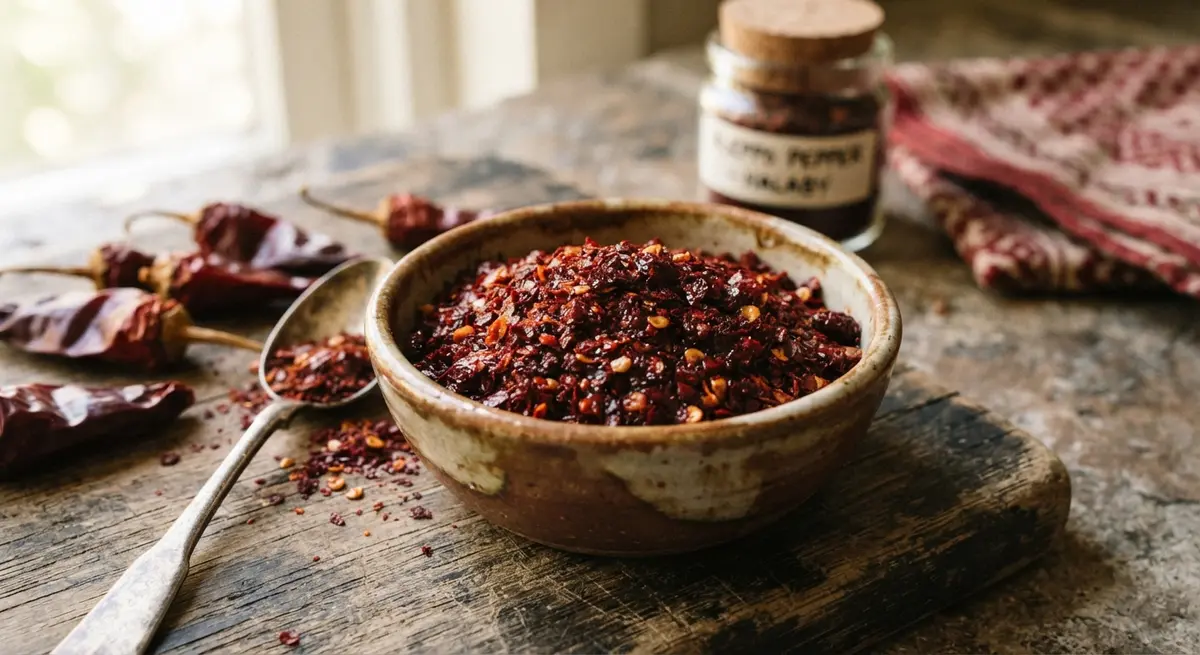
Aleppo Pepper: Flavor Profile, Health Benefits & Culinary Uses
Aleppo is the Mediterranean's gentle red flake, fruity and warm with real heat that never bites, perfect for everything from muhammara to roast carrots.
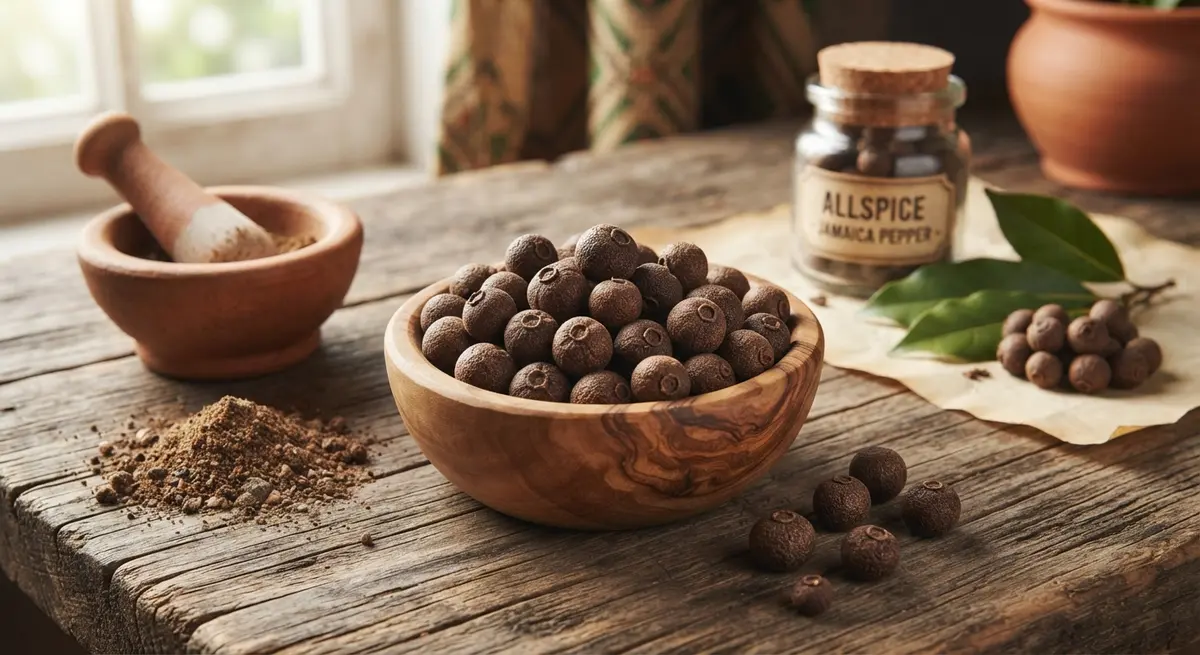
Allspice (Jamaica Pepper): Flavor Profile, Health Benefits & Culinary Uses
The original seasoning cheat: a single berry tasting of cinnamon, clove, and nutmeg, born in Jamaica, baked into jerk and grandmothers' Christmas cakes alike.
About the Authors
This recipe and guide was developed, tested, and approved in our home kitchen and daily life. Jamy is a retired Food Service District Manager and Early Childhood Program Manager who spent his career overseeing multi-site restaurant operations, large-scale culinary production, and daycare menu management. Kaïna brings the ultimate real-world test: making sure it brings ease and joy to our kids on a busy weeknight.
Read more about our professional background and philosophy →