Dried Lotus Seeds: Flavor Profile, Health Benefits & Culinary Uses
By the QuiteRecipes team (Jamy & Kaïna)
The calm, starchy seeds of the lotus flower: how to cook and snack on them, the soul of mooncake filling and Chinese dessert soups, and what they do for you.
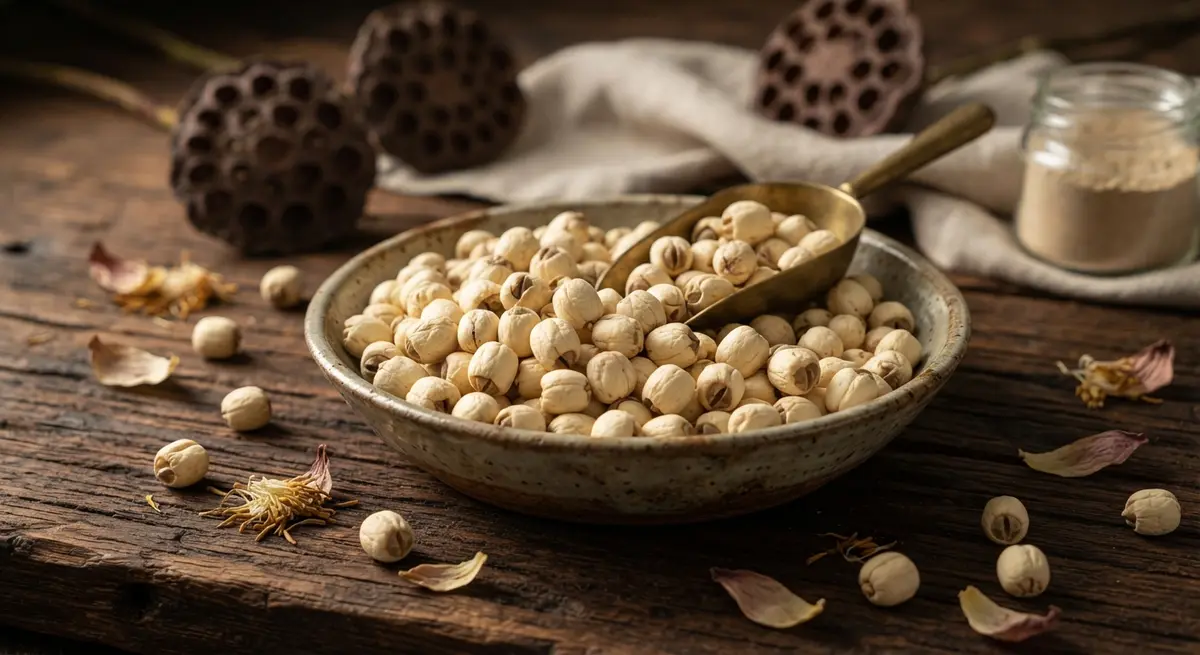
Some ingredients are famous by name; dried lotus seeds are famous by stealth. They are the starchy, cream-colored seeds of the lotus flower — the same sacred plant that gives Asia its beloved roots and pink blossoms — and if you have ever torn into a mooncake, eaten a bowl of Chinese red-bean dessert soup, or snacked on something blandly addictive at a dim sum house, the odds are excellent that lotus seeds were part of it. Sold hard and dried like little white lima beans, they need soaking and simmering to come to life, and when they do, their genius becomes clear: they are soft where beans are dense, sweet where they could be bitter, and somehow perfectly at home in both soup and snack form.
Flavor Profile & Notes
Dried lotus seeds taste mildly sweet and faintly nutty, like a cross between cooked chestnut and white bean, and they carry that creamy, almost starchy texture that makes Chinese sweet soups feel like comfort. Aseed itself has the look of a small ivory button with a green hair of a sprout at one end; that sprout is worth removing, because it carries the one bitter note in an otherwise gentle seed. Cooked soft, lotus seeds fall into a mealy smoothness perfect for grinding into paste for mooncakes. Roasted and sweetened, they become a crisp snack that politely out-eats the whole peanut bowl.
Health Benefits & Nutrition
Lotus seeds are plain good food in a culture that has always eaten them that way: they are filling and slow-digesting, low in fat, and genuinely rich in fiber and plant protein, with a discreet supply of potassium, magnesium, and some B vitamins. Traditional Chinese practice treats them as a calming food for the heart and mind and an everyday digestive aid, which has kept them in family soup pots for centuries. This is a case where the modest modern reading — a wholesome, low-fat legume-adjacent snack — does the tradition plenty of honor. They hydrate, they satisfy, they do not pretend to be a drug.
Best Culinary Pairings
Let them simmer slowly into Chinese soup: add soaked lotus seeds to congee, to red-bean soup sweetened with sugar, or to chicken soup for a creamy, nutty backdrop. Grind them into the classic lotus paste that fills mooncakes and stuffed pastries. Slow-cooked with longan and goji berries they make a gentle dessert soup exactly as grandmothers make it. And as a snack, roast or candy them for the crunchiest thing to come out of an East Asian pantry. Pair them with rock sugar, red dates, dried longan, and pandan, and they are quietly glorious.
Quick Substitutes
For soups and desserts, white beans or chickpeas give the same starchy, mealy comfort with slightly less sweetness — add a little sugar to compensate. Chestnuts are the closest match for the nutty sweetness in paste form. Chinese groceries almost always sell already-prepared lotus paste if the fresh grind feels like too much work. Nothing, honestly, copies the seed's clean button-shaped neutrality, but the flavor family is easy to approximate with beans and a syrup.
FAQ / Quick Facts
- How long do dried lotus seeds keep? In a sealed, dry jar they keep for a year or more; soaked seeds only a few days in the fridge.
- Do you need to soak them? Yes — a few hours or overnight, then a gentle simmer turns them creamy.
- Form / Best uses: Dried whole seeds (sprout removed); for sweetness in soups, congee, mooncake paste, and roasted snacks.
Related Articles
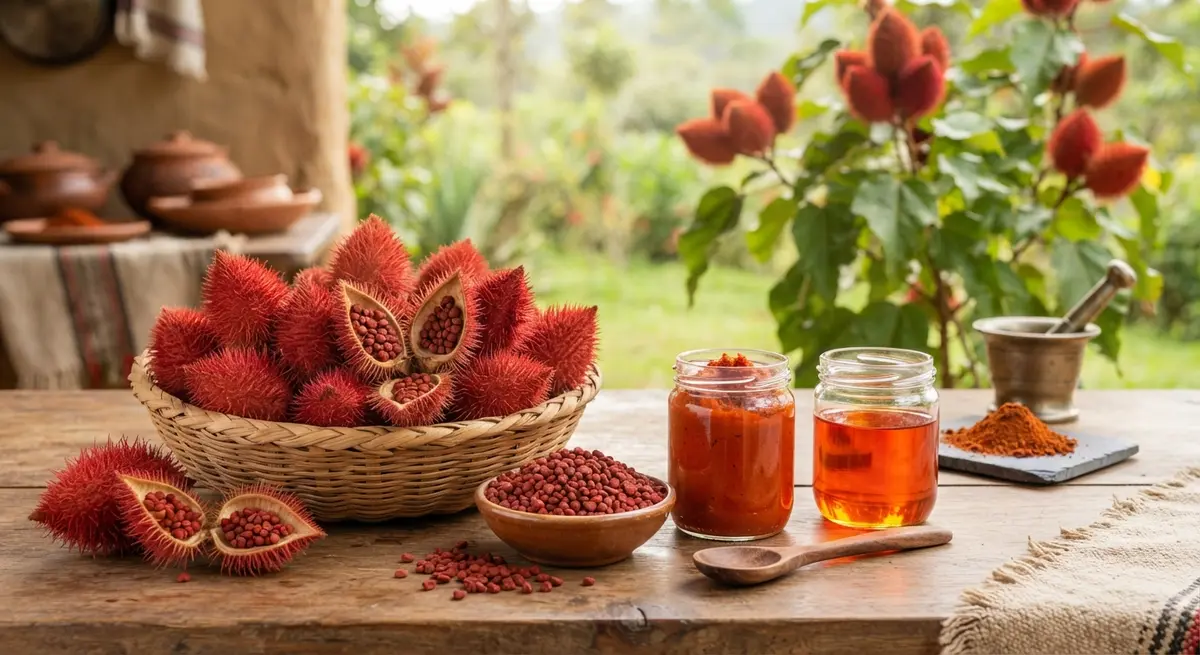
Achiote (Annatto): Flavor Profile, Health Benefits & Culinary Uses
Tiny coral-red seeds that paint food golden: the annatto tree's achiote, how to use the seeds and the Yucatan paste, and honest color substitutes.
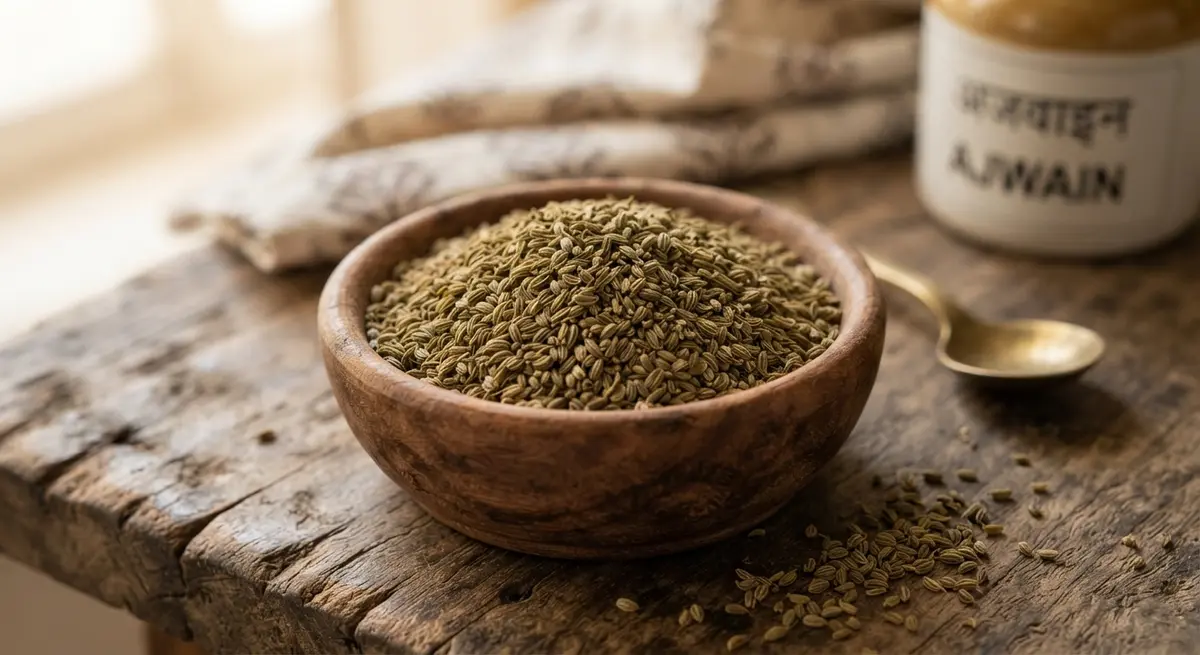
Ajwain (Carom) Seeds: Flavor Profile, Health Benefits & Culinary Uses
A tiny gray-brown seed that tastes like thyme, oregano, and cumin had a baby with a timer fuse. Here is how and why Indian kitchens use ajwain.
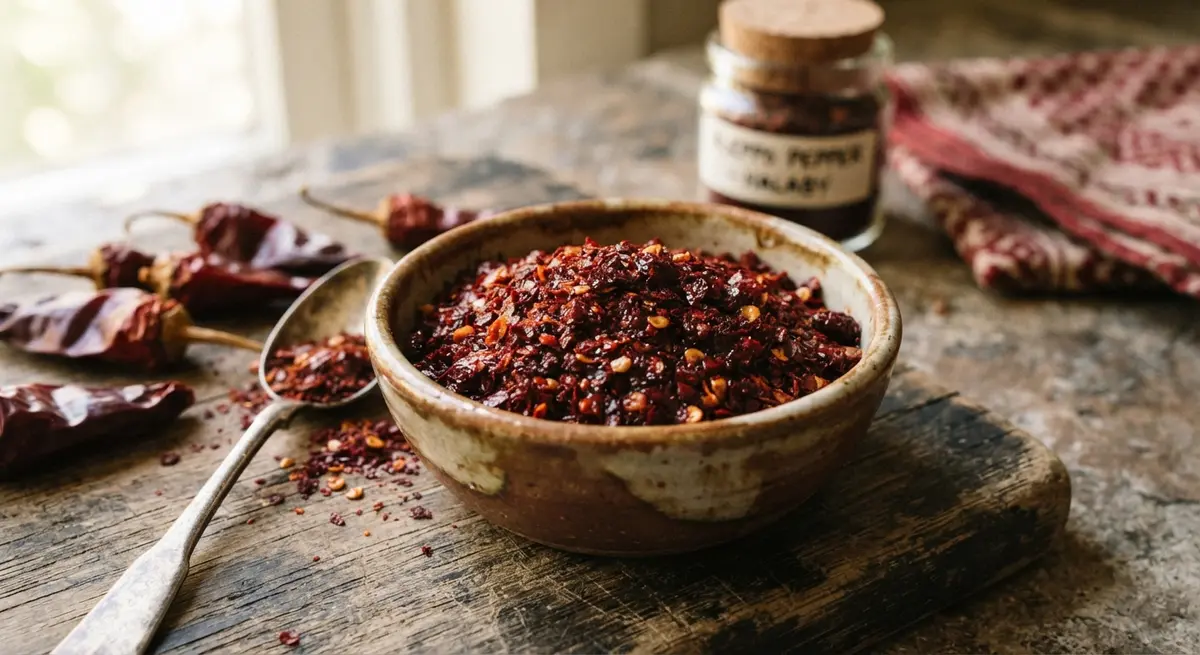
Aleppo Pepper: Flavor Profile, Health Benefits & Culinary Uses
Aleppo is the Mediterranean's gentle red flake, fruity and warm with real heat that never bites, perfect for everything from muhammara to roast carrots.
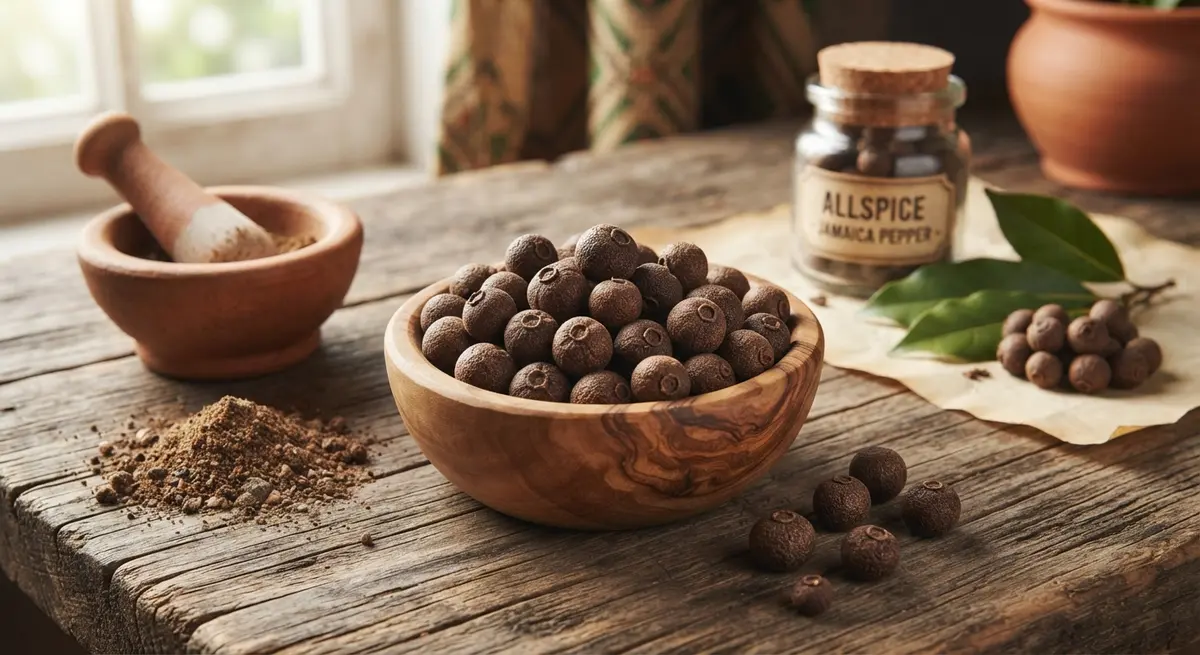
Allspice (Jamaica Pepper): Flavor Profile, Health Benefits & Culinary Uses
The original seasoning cheat: a single berry tasting of cinnamon, clove, and nutmeg, born in Jamaica, baked into jerk and grandmothers' Christmas cakes alike.
About the Authors
This recipe and guide was developed, tested, and approved in our home kitchen and daily life. Jamy is a retired Food Service District Manager and Early Childhood Program Manager who spent his career overseeing multi-site restaurant operations, large-scale culinary production, and daycare menu management. Kaïna brings the ultimate real-world test: making sure it brings ease and joy to our kids on a busy weeknight.
Read more about our professional background and philosophy →