Dried Curry Leaves: Flavor Profile, Health Benefits & Culinary Uses
By the QuiteRecipes team (Jamy & Kaïna)
The curry tree's fragrant leaf is the soul of the south Indian tadka. Here is what dried curry leaves keep, how to wake them in oil, and what substitutes can't do.
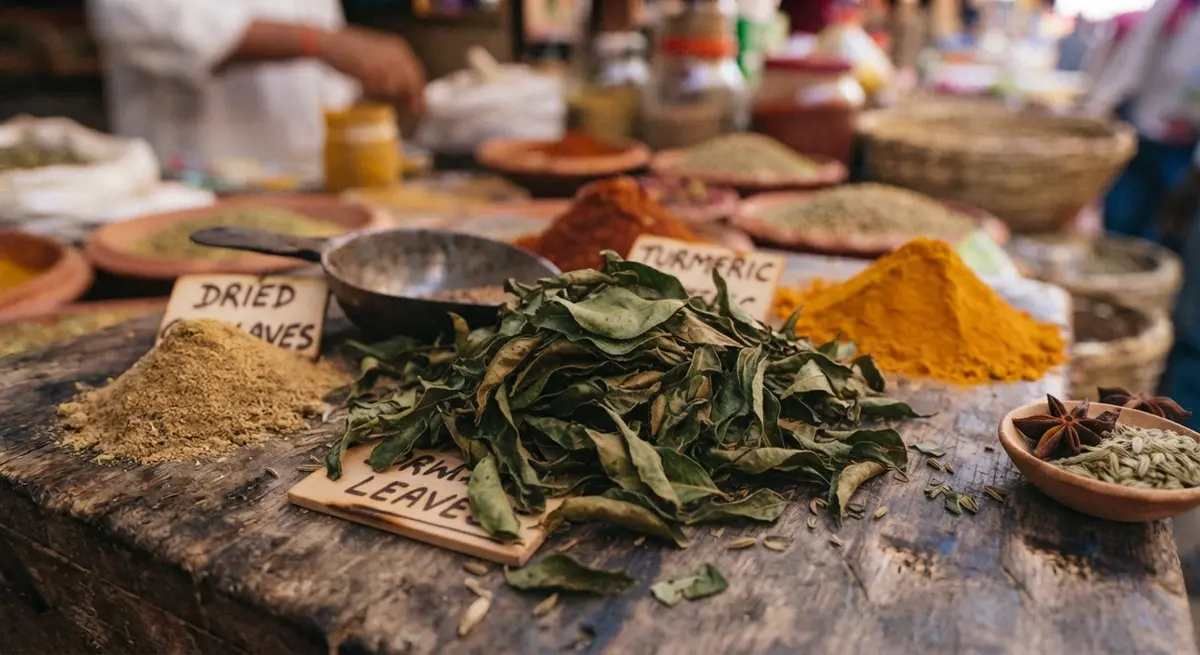
Ask someone from south India what makes a dish taste like home and they will not say salt or chili. They will say curry leaves — bathed in oil with mustard seeds until they crackle. The leaves come from the curry tree, Murraya koenigii, a small and proudly Indian member of the citrus family, and they have no relation to curry powder at all; the powder just borrowed the name. Fresh clusters are ideal, and home cooks defend them fiercely. Dried curry leaves are the traveling version, milder and less citrus-bright, but they still carry that unmistakable toasted-perfume note when you treat them right.
Flavor Profile & Notes
Curry leaves smell like a warm kitchen before they even touch heat: citrus peel, toasted grass, a little pine, a faint curry-powder echo that is pure coincidence. Fried in hot oil, they turn crisp and release a deep, nutty, almost smoky fragrance that defines southern cooking the way basil defines pesto. Dried leaves give up some of the bright citrus top notes, but the toasted, savory heart survives. The rule for using them is the same either way — give them heat and fat. Scrunching dried leaves in your palm before adding them wakes up another layer of aroma.
Health Benefits & Nutrition
The fresh leaves punch above their weight nutritionally, with iron, calcium, and a good streak of vitamin A in traditional terms, plus a cocktail of volatile oils that give them their slightly peppery, digestive-friendly reputation. Traditional Indian practice has treated curry leaves as an everyday helper for the stomach and the hair, which is folklore with maybe a seed of truth in its oils. The honest note: you eat them in pinches, so treat them as an aromatic habit that makes vegetables and lentils more interesting — delicious, not medicinal.
Best Culinary Pairings
The tadka is the whole art: heat oil or ghee, drop in black mustard seeds until they pop, add dried curry leaves, maybe dried red chili and a pinch of asafoetida, and pour the sizzling result over dal, curd rice, or stir-fried vegetables. Curry leaves are the finishing touch on tempering for sambar, rasam, and poriyal, and they lift chutneys, coconut sauces, and even scrambled eggs. In dry form, refresh them by frying in oil first — never stir raw dried leaves into a dish and expect magic; they need the fat and the heat.
Quick Substitutes
The honest answer is: nothing replaces curry leaves, only approximates. A bay leaf plus a shaving of lime zest and a whisper of curry powder gets the general incense-like idea. Fresh curry leaves, if you can grow the tree or find them at a specialty grocer, beat dried by miles. But a dish that specifically needs that fried, perfumed pop of the tadka will always know the difference.
FAQ / Quick Facts
- How long do dried curry leaves keep? Six months to a year in a dark, sealed jar; their oils fade after that.
- What do they taste like? Toasted citrus and pine with a faint curry-powder echo, unlocked by hot oil.
- Botanical family / Form: Rutaceae (citrus family); dried whole leaves. Best uses: tadka, dal, sambar, and vegetable dishes.
Related Articles
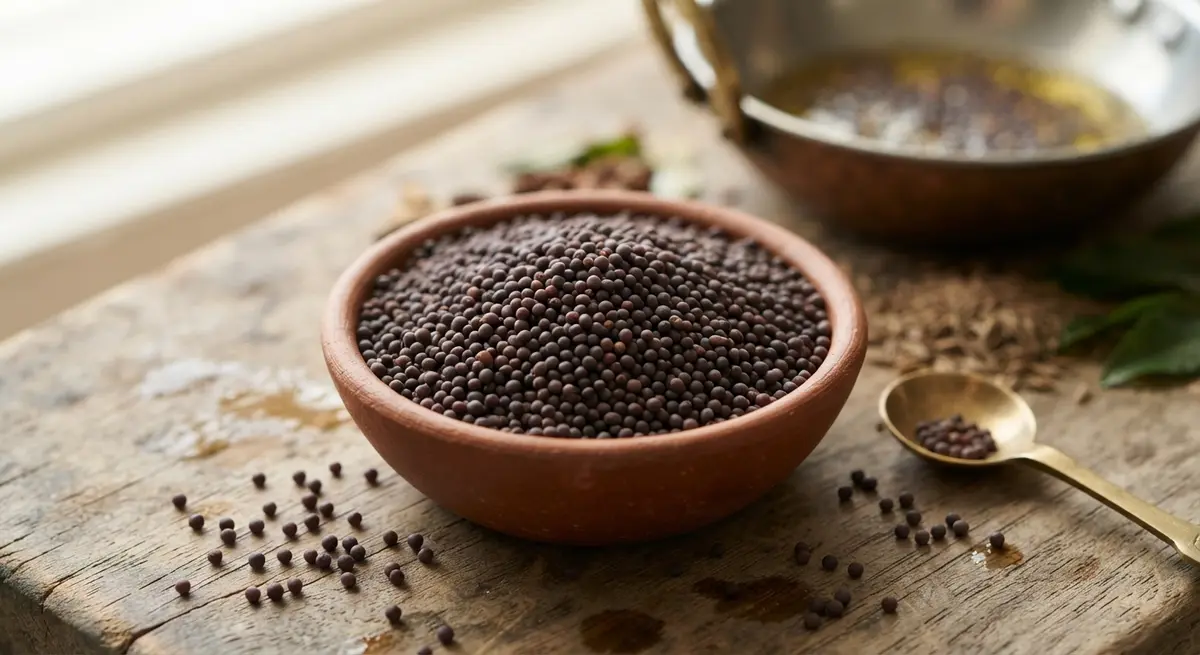
Black Mustard Seeds: Flavor Profile, Health Benefits & Culinary Uses
The tiny dark seeds that pop and sputter in hot oil are black mustard, the hottest of the family. Here is how to cook them the Indian way and where to swap.
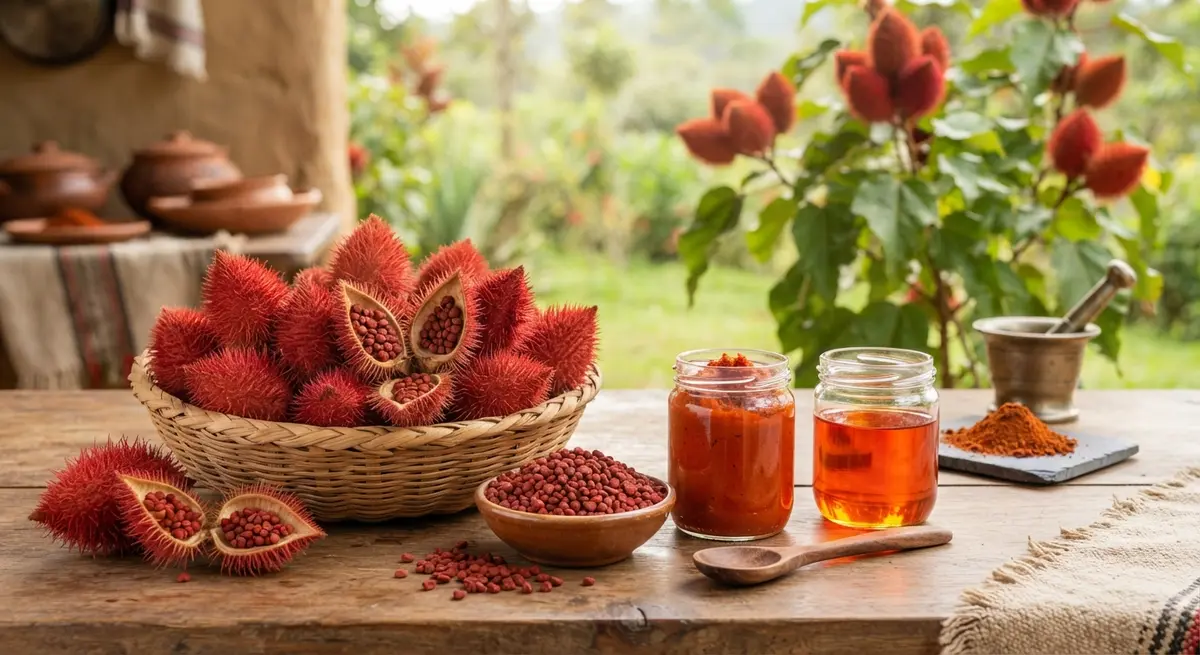
Achiote (Annatto): Flavor Profile, Health Benefits & Culinary Uses
Tiny coral-red seeds that paint food golden: the annatto tree's achiote, how to use the seeds and the Yucatan paste, and honest color substitutes.
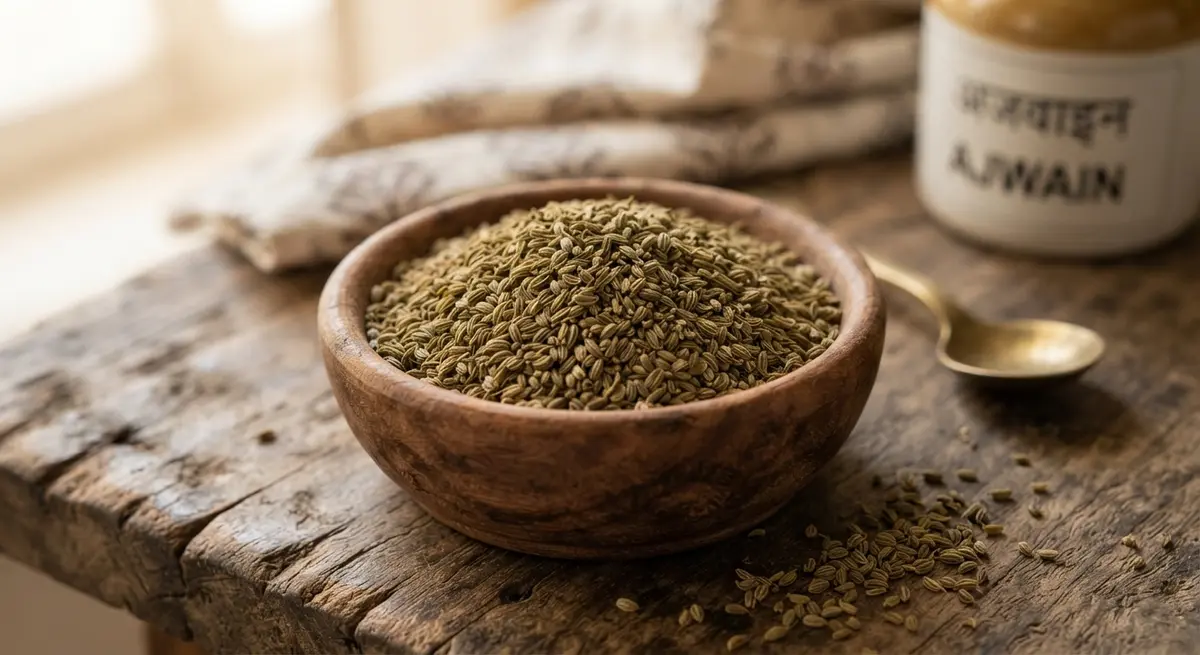
Ajwain (Carom) Seeds: Flavor Profile, Health Benefits & Culinary Uses
A tiny gray-brown seed that tastes like thyme, oregano, and cumin had a baby with a timer fuse. Here is how and why Indian kitchens use ajwain.
Aleppo Pepper: Flavor Profile, Health Benefits & Culinary Uses
Aleppo is the Mediterranean's gentle red flake, fruity and warm with real heat that never bites, perfect for everything from muhammara to roast carrots.
About the Authors
This recipe and guide was developed, tested, and approved in our home kitchen and daily life. Jamy is a retired Food Service District Manager and Early Childhood Program Manager who spent his career overseeing multi-site restaurant operations, large-scale culinary production, and daycare menu management. Kaïna brings the ultimate real-world test: making sure it brings ease and joy to our kids on a busy weeknight.
Read more about our professional background and philosophy →