Cinchona Bark: Flavor Profile, Health Benefits & Culinary Uses
By the QuiteRecipes team (Jamy & Kaïna)
The tree bark that changed the world through a bottle of tonic water. Quinine's bitter story, its dosage limits, and why home-brewing is off limits.
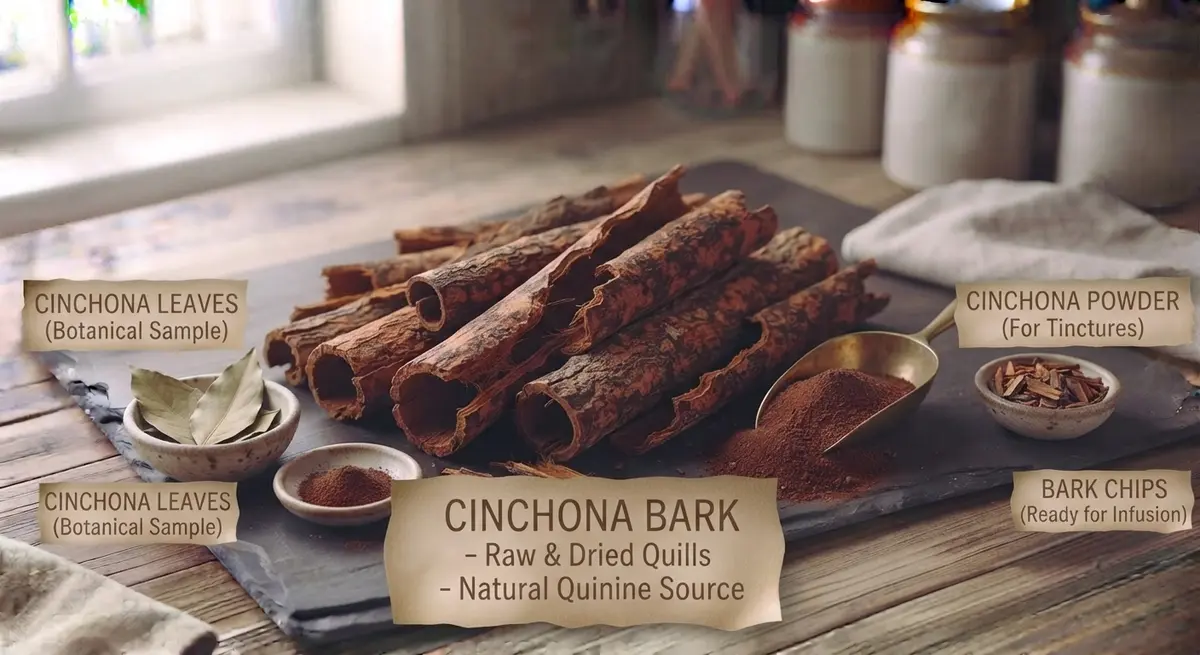
Cinchona bark is the tree bark that changed the world through a cup of tonic water. The inner bark of Cinchona species contains quinine — the bitter compound that jump-started the modern antimalarial age, created tonic water, and gave gin-and-tonics their signature bite. You use it in a glass of tonic water, not as a bark in a pot.
Quinine is a genuine medicine with a real dose-response; food-grade cinchona appears in tonic water at tightly regulated levels, roughly 83 milligrams per liter. High doses can affect the heart, hearing, and more.
Flavor Profile & Notes
Cinchona bark tastes exactly like the bitterest part of tonic water, because it is the source: intensely, sharply bitter, with a light woody-cinchona and slightly floral undertone — like the bitterness of grapefruit peel translated into a tree. The bitterness is slow-building and clean rather than acrid, which is why tonic water needs sugar and citrus to become a balanced drink. Properly dosed, tonic tastes of quinine clearly: bitter, dry, and persistent, the reason cocktails built around it work. Stored as dried bark, it keeps for years and infuses spirits with that signature edge.
Health Benefits & Nutrition
Quinine is a real drug. At tonic-water concentrations, it is safe for most adults; but the bark alone, steeped into strong tea, can deliver far more. Symptoms of excess include nausea, hearing changes, blurred vision, and cardiac rhythm disturbances; serious reactions can even occur at therapeutic doses. Pregnant women should avoid quinine except under medical supervision. So: enjoy tonic responsibly, don't brew cinchona bark at home, and if you have heart-rhythm, kidney, or pregnancy concerns, ask a doctor before making tonic a daily habit. This is a cocktail ingredient, not a health supplement.
Best Culinary Pairings
Cinchona's real pairing is tonic water and gin — the sharp dry bitterness of quinine against botanical-forward gin — and it extends to sparkling spritzes, vodka tonics, and tonic-based punches. To get the flavor without sourcing bark, buy high-quality tonic syrups made by licensed producers who control quinine content. A sliver of bark in a commercial soda formulation appears in traditional homemade-tonic recipes, but they belong in the archives, not your stove. The botanist's way: keep cinchona closer to the perfume cabinet than the pantry.
Quick Substitutes
Wild substitutions are dangerous here. For the bitter edge alone, gentian root, dandelion root, or grapefruit peel are safe ways to add bitterness to a cocktail — but none replicate quinine's exact character. Commercially prepared and labeled tonic and soda are the only safe framing of cinchona. If you want true tonic flavor, buy a licensed tonic syrup made with cinchona, or skip the bark and use a splash of finished tonic water in a mocktail with citrus and spice. Do not steep the bark at home.
FAQ / Quick Facts
- Is cinchona bark safe to brew at home? Not without controlled dosing — quinine toxicity is real; stick to commercial tonic water and syrups.
- Why is it in tonic water? Its bitterness, from quinine, was adopted when tonic was a malaria preventive and stayed for flavor.
- What does it taste like? Purely, stubbornly bitter — tonic-water bitterness with a whisper of wood and grapefruit zest.
- Botanical family: Rubiaceae / Form: bark for extraction, or finished tonic products / Best uses: tonic water, bitters (commercial).
Related Articles
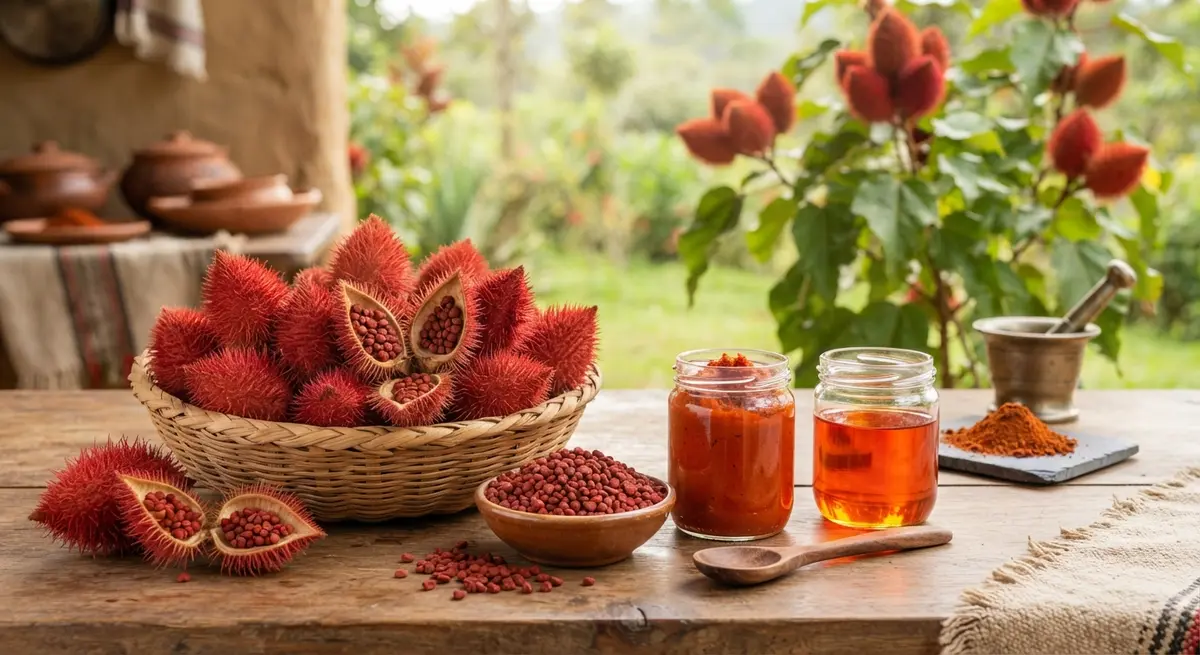
Achiote (Annatto): Flavor Profile, Health Benefits & Culinary Uses
Tiny coral-red seeds that paint food golden: the annatto tree's achiote, how to use the seeds and the Yucatan paste, and honest color substitutes.
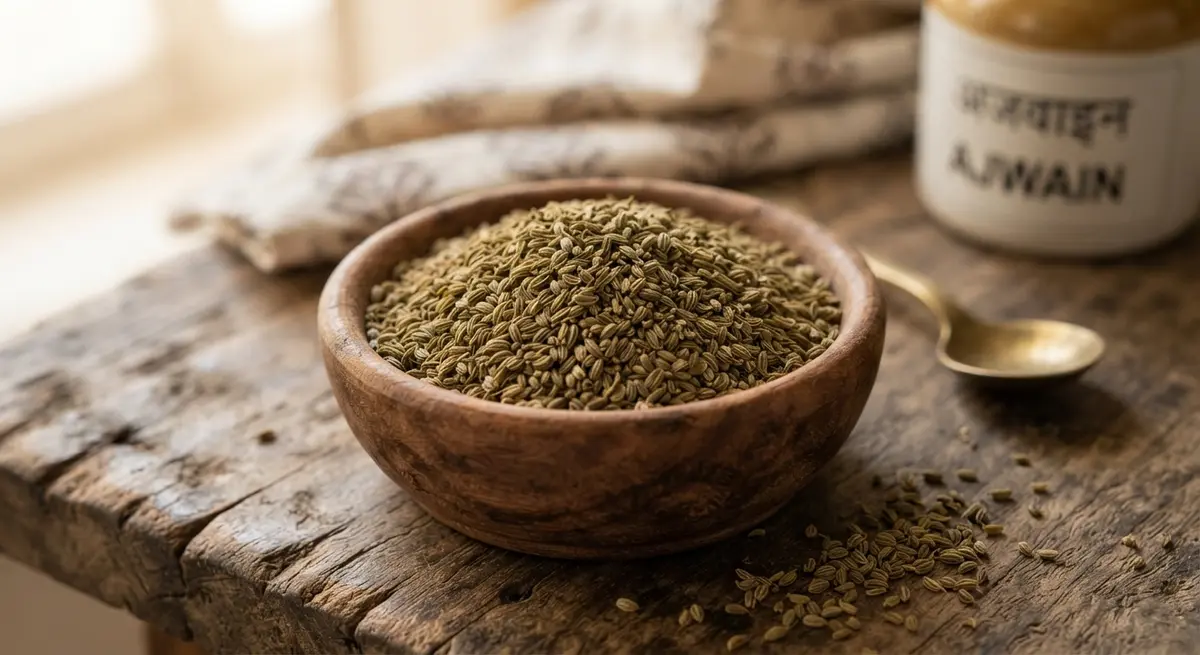
Ajwain (Carom) Seeds: Flavor Profile, Health Benefits & Culinary Uses
A tiny gray-brown seed that tastes like thyme, oregano, and cumin had a baby with a timer fuse. Here is how and why Indian kitchens use ajwain.
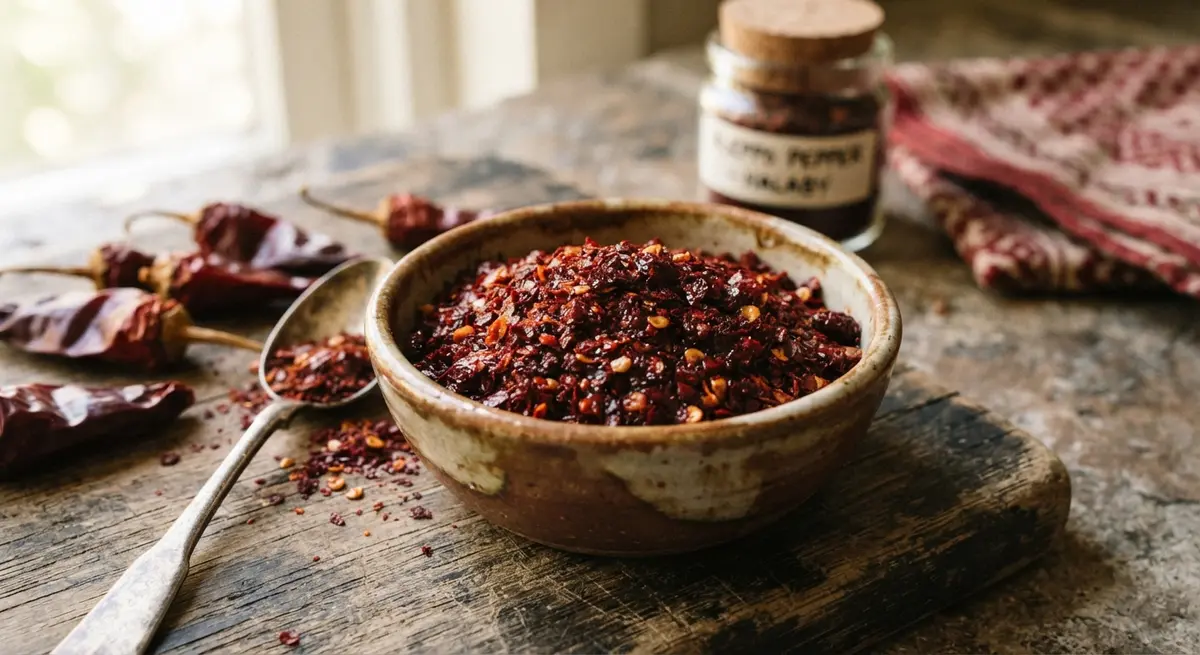
Aleppo Pepper: Flavor Profile, Health Benefits & Culinary Uses
Aleppo is the Mediterranean's gentle red flake, fruity and warm with real heat that never bites, perfect for everything from muhammara to roast carrots.
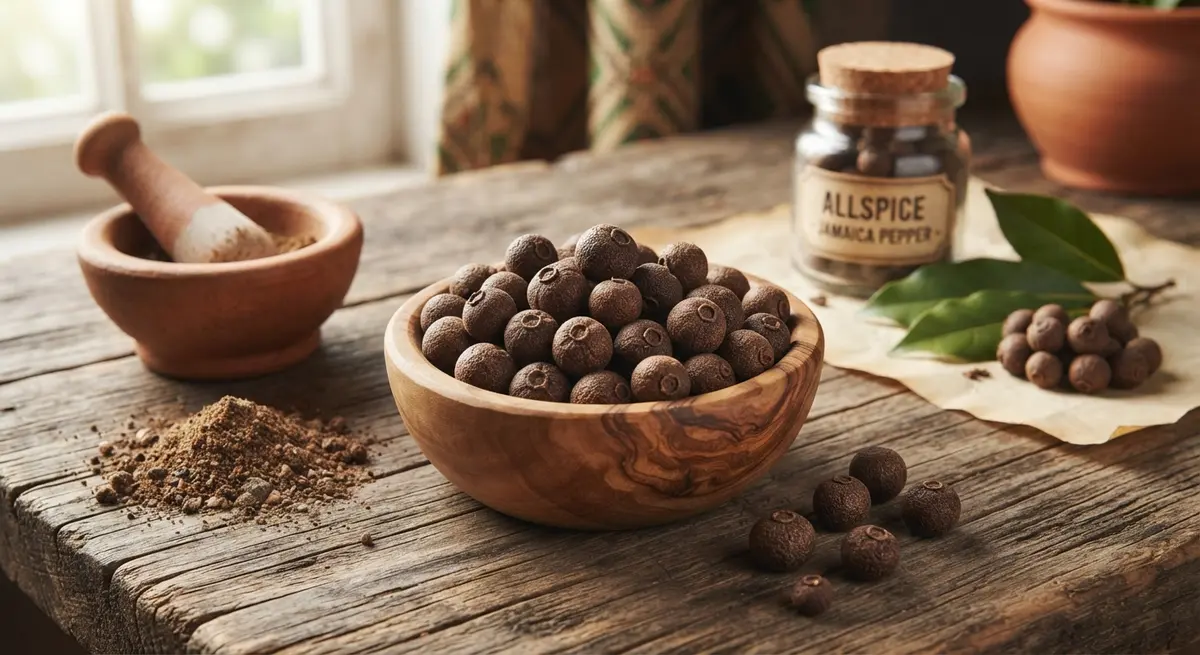
Allspice (Jamaica Pepper): Flavor Profile, Health Benefits & Culinary Uses
The original seasoning cheat: a single berry tasting of cinnamon, clove, and nutmeg, born in Jamaica, baked into jerk and grandmothers' Christmas cakes alike.
About the Authors
This recipe and guide was developed, tested, and approved in our home kitchen and daily life. Jamy is a retired Food Service District Manager and Early Childhood Program Manager who spent his career overseeing multi-site restaurant operations, large-scale culinary production, and daycare menu management. Kaïna brings the ultimate real-world test: making sure it brings ease and joy to our kids on a busy weeknight.
Read more about our professional background and philosophy →