Roasted Chicory Root: Flavor Profile, Health Benefits & Culinary Uses
By the QuiteRecipes team (Jamy & Kaïna)
The coffee-styled imposter with an honest pedigree. How it roasts, why it smoothly stands in, and where inulin's fiber really comes from.
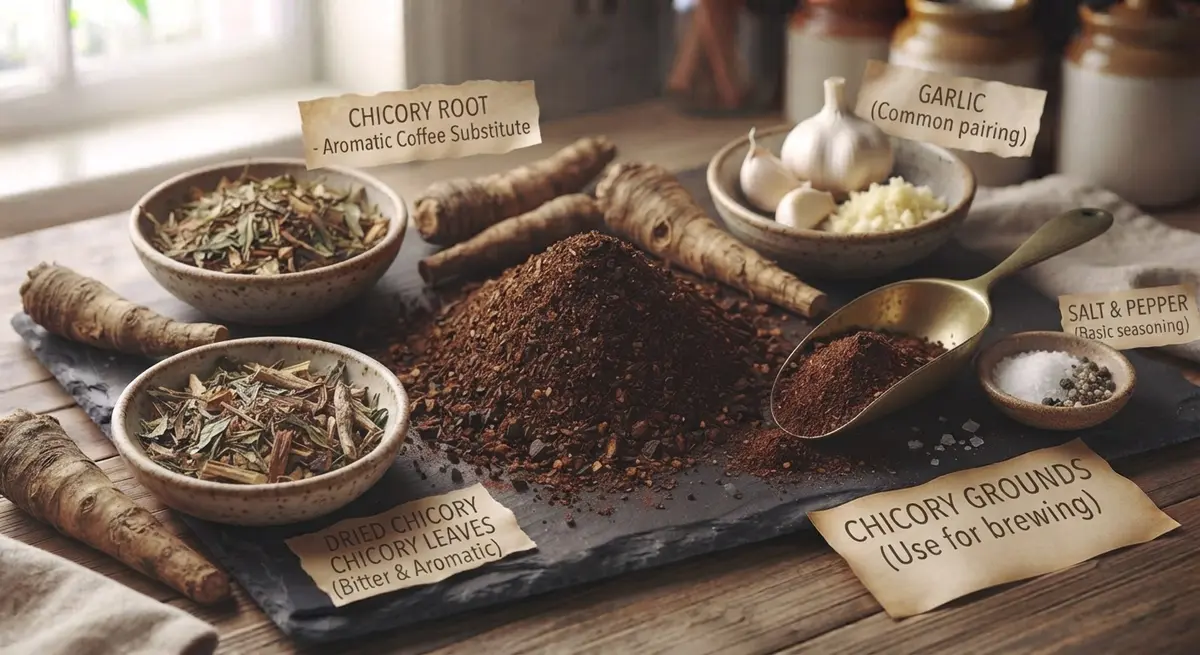
Roasted chicory root is the coffee-flavored imposter that history forgives. The taproot of Cichorium intybus — the same plant that gives you bitter salad leaves and the blue daisies of ditches — is roasted and ground into a brew that tastes uncannily like dark coffee with no caffeine. New Orleans made it famous in cafe au lait; Europe sipped it through wars and shortages; and every coffee alternative owes it a debt.
The taste is where the magic is: roasty, caramel-cocoa, with a smooth, round mouthfeel that coffee lovers recognize and sleep-deprived households reward.
Flavor Profile & Notes
Raw chicory root is bitter, woody, and slightly sweet. Roasting transforms it: light roast gives a tawny, cereal-like tea; darker roasts run smoky, caramelized, and chocolatey, with a signature hint of burnt sugar and molasses. Brewed, it comes out amber-dark with a full, velvety body — a hint of coffee's bitterness but rounder, woodier, sweeter, and completely caffeine-free. Ground, it blends with coffee (classic New Orleans is roughly a 70/30 coffee-to-chicory ratio) or brews alone. Whole dried pieces perfume a mellow, roasty root tea that takes milk beautifully.
Health Benefits & Nutrition
Chicory root is genuinely good for the gut: a rich source of inulin, a prebiotic fiber that feeds your good bacteria and is a common additive in high-fiber foods. Roasting keeps much of the inulin intact. It is caffeine-free, which makes it a real alternative for people sensitive to stimulants. Caveats are real but modest: inulin can cause bloating and gas in sensitive stomachs, and anyone managing diabetes or blood sugar should know the carbohydrate math in chicory-based products. It is coffee's friendly decaf cousin in energy, not a superfood savior.
Best Culinary Pairings
Black, blended, or cafe au lait is the classic. To stretch the flavor with a health twist, make mochas with cocoa and oat milk, or spike chai by brewing the spices in chicory instead of water. Mix it half-and-half with your usual coffee to soften bitterness. In cooking, brewed chicory adds roasty depth to braises, chili, and marinades; a spoon of ground roasted chicory in chocolate desserts intensifies cocoa. It pairs with cinnamon, cardamom, orange zest, and vanilla — anywhere you want toasty richness without the caffeine hum.
Quick Substitutes
Roasted dandelion root tea shares chicory's roasty-earthy profile. Barley tea (mugicha) brings toasty cereal notes; roasted barley coffee is the closest caffeine-free body match. For the bitter-salad end of the plant, use endive or radicchio. For inulin in cooking, Jerusalem artichokes and leeks deliver some too. In New Orleans coffee, no substitute beats the real root — buy the blend, not the imitation.
FAQ / Quick Facts
- Does it contain caffeine? No — roasted chicory root is naturally caffeine-free.
- Why does it taste like coffee? Roasting creates the same caramel compounds; it is a cousin of the flavor, not the bean.
- What does it taste like? Roasty, molasses-sweet, chocolatey, and smooth with a faint herbal finish.
- Botanical family: Asteraceae / Form: roasted root, ground, or in blends / Best uses: coffee blends, teas, baking.
Related Articles
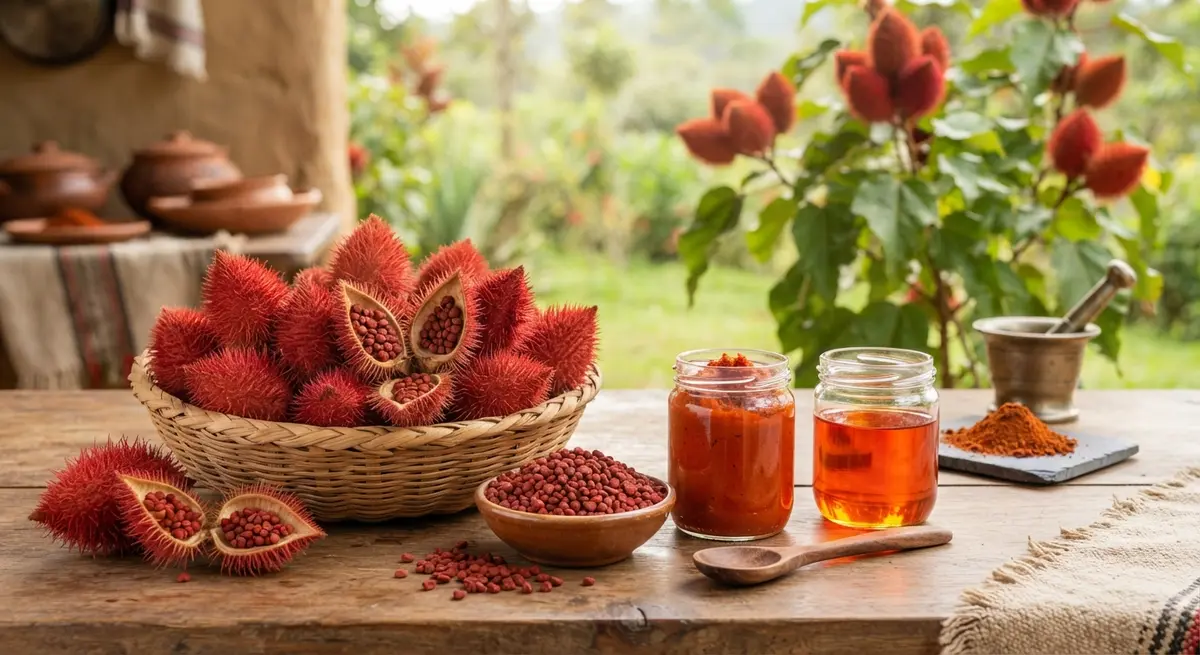
Achiote (Annatto): Flavor Profile, Health Benefits & Culinary Uses
Tiny coral-red seeds that paint food golden: the annatto tree's achiote, how to use the seeds and the Yucatan paste, and honest color substitutes.
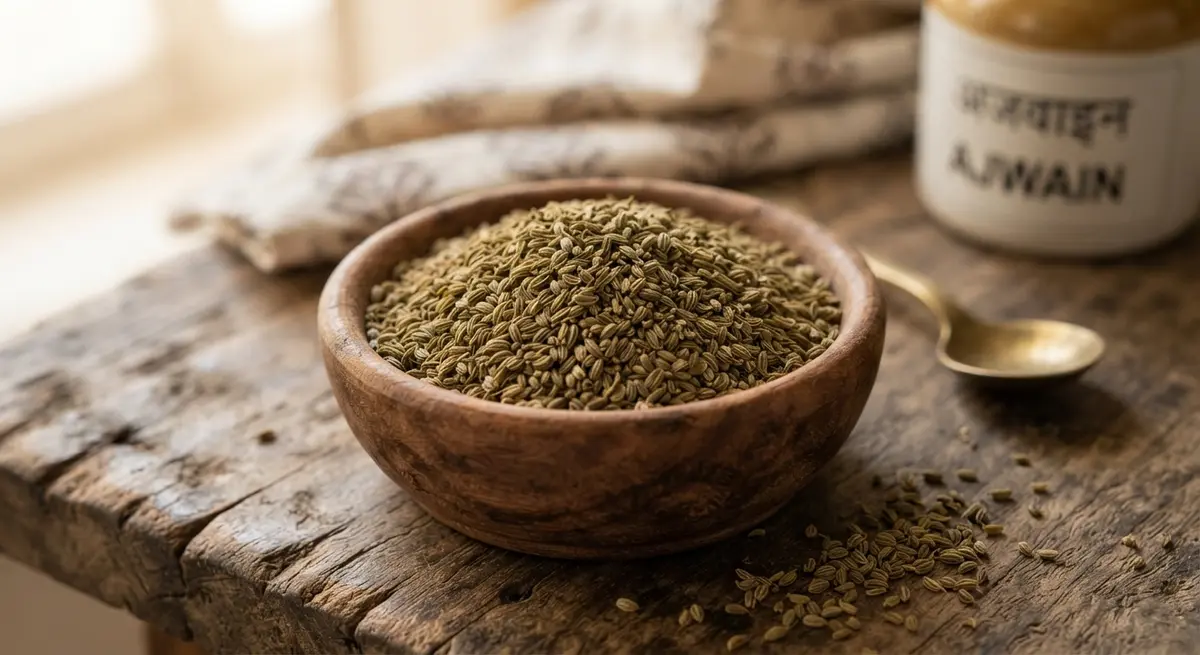
Ajwain (Carom) Seeds: Flavor Profile, Health Benefits & Culinary Uses
A tiny gray-brown seed that tastes like thyme, oregano, and cumin had a baby with a timer fuse. Here is how and why Indian kitchens use ajwain.
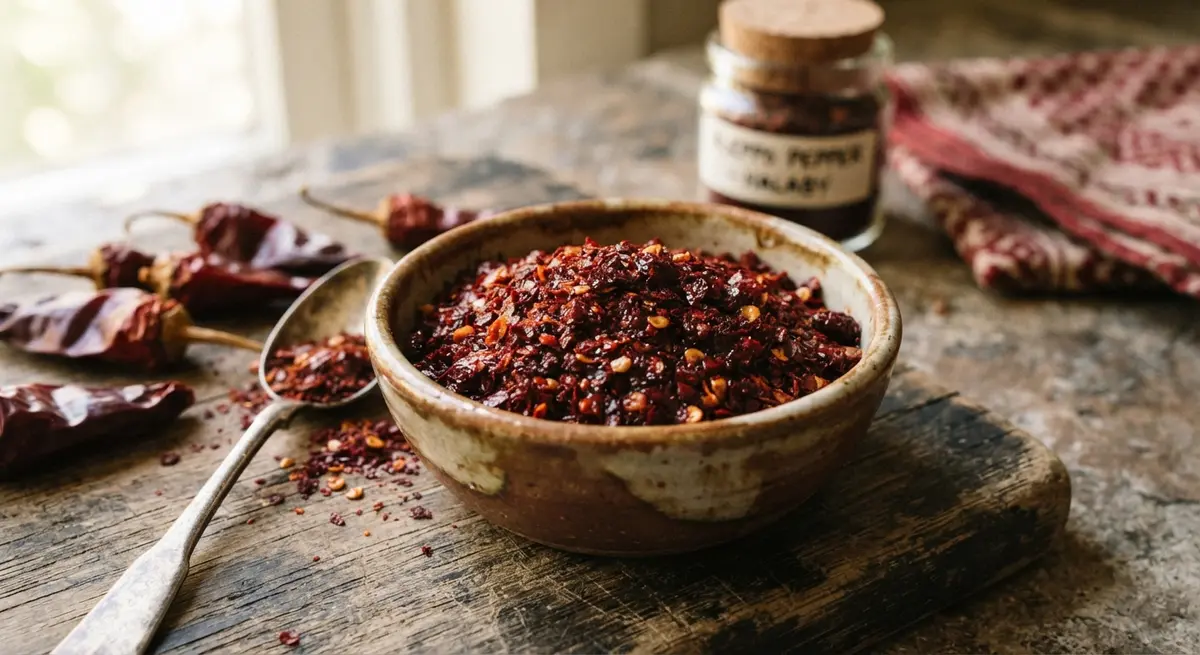
Aleppo Pepper: Flavor Profile, Health Benefits & Culinary Uses
Aleppo is the Mediterranean's gentle red flake, fruity and warm with real heat that never bites, perfect for everything from muhammara to roast carrots.
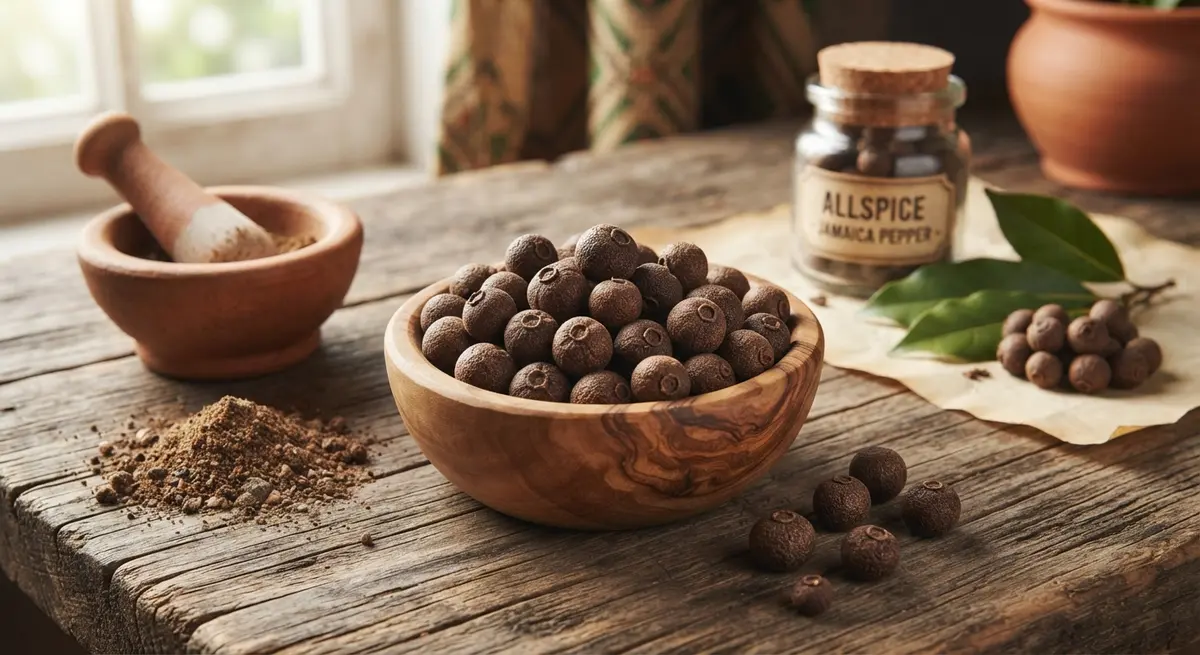
Allspice (Jamaica Pepper): Flavor Profile, Health Benefits & Culinary Uses
The original seasoning cheat: a single berry tasting of cinnamon, clove, and nutmeg, born in Jamaica, baked into jerk and grandmothers' Christmas cakes alike.
About the Authors
This recipe and guide was developed, tested, and approved in our home kitchen and daily life. Jamy is a retired Food Service District Manager and Early Childhood Program Manager who spent his career overseeing multi-site restaurant operations, large-scale culinary production, and daycare menu management. Kaïna brings the ultimate real-world test: making sure it brings ease and joy to our kids on a busy weeknight.
Read more about our professional background and philosophy →