Roasted Cashew Shell Powder: Flavor Profile, Health Benefits & Culinary Uses
By the QuiteRecipes team (Jamy & Kaïna)
Cashew shell powder needs a paragraph of honesty before any recipe. The toxicity of raw shells, what commercial processing removes, what to eat.
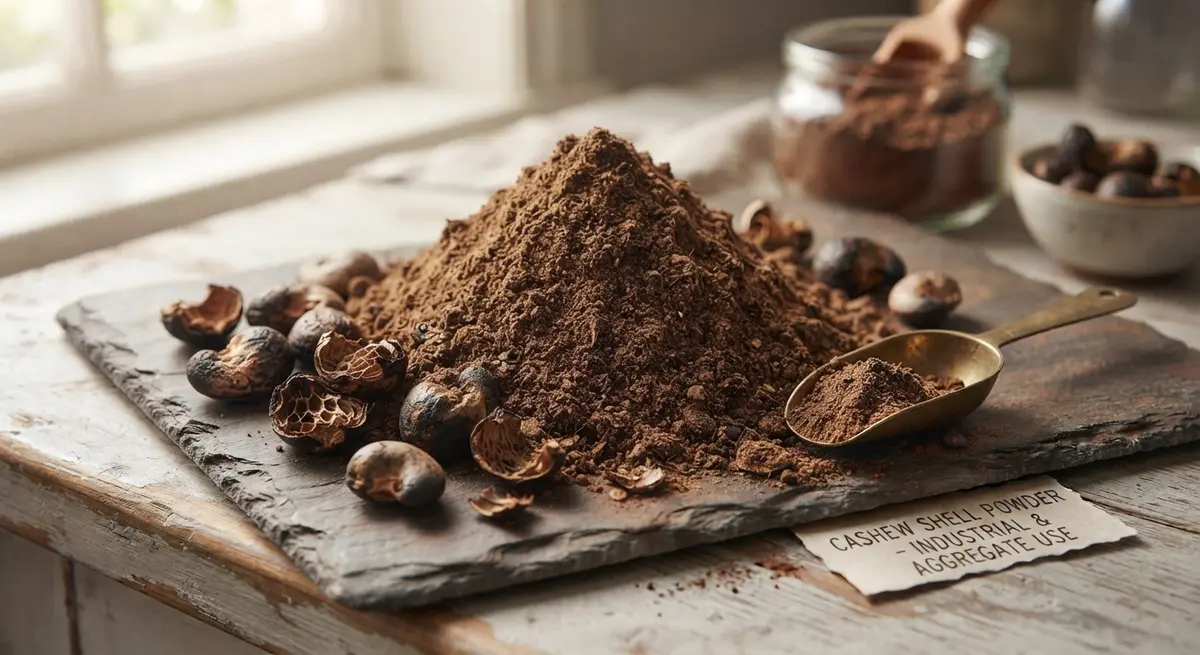
Cashew shell powder needs its own paragraph of honesty before any recipe: this is not the sweet, buttery nut you snack on, and the raw shell is not food. The shells of Anacardium occidentale contain toxic, skin-burning compounds from the urushiol family — the same chemistry as poison ivy — plus a caustic oil known as CNSL. Unprocessed cashew shell is a genuine hazard.
So why is it here? Because fully processed, food-grade derivatives — heat-treated shell components rendered stable by industry — and the culinary cashew nut itself are real ingredients. Anything labeled cashew shell powder for food use has been detoxified by industrial processing. Without that guarantee, keep shell products for the workshop, not the kitchen.
Flavor Profile & Notes
Once industrial processing removes the urushiol-laden oil, food-grade derivatives behave differently from the shell. Whole roasted cashews carry a mild, sweet, creamy-nutty note — like a softer peanut, rounder and more neutral — and roasted cashew powder adds body without a loud spice flavor. That neutrality is exactly why it appears in nut milks, vegan cheeses, and creamy sauces. The shell itself: if you smell acrid burning-plant bitterness and oily sharpness, that is the product telling you to stay away. Raw unroasted cashews have a plainer, more vegetal delicacy.
Health Benefits & Nutrition
This is where the article earns its keep: unprocessed cashew shell oil is a contact dermatitis and ingestion hazard — CNSL can blister skin, which is why its removal is the entire point of commercial processing. Only heat-treated, food-grade products are safe to eat. As for the nuts themselves: cashews are excellent food — healthy fats, magnesium, copper, and plant protein — but they are also among the most common tree-nut allergens, so label-reading matters. Never roast "raw" cashews from an unknown source in your home oven; buy from reputable processors.
Best Culinary Pairings
Use processed, food-grade cashew nut powder wherever you want creaminess without dairy: blended into soups, sauces, vegan pesto, curry bases, smoothies, and desserts. It thickens and silks; a spoon into black bean chili or mushroom gravy does what flour cannot. In baking it enriches cookies and crusts. The shell itself has no cooking role. If a seasoning blend is labeled cashew shell, confirm it is a fully processed derivative or set it down — the safe kitchen use follows the processed nut, not the shell.
Quick Substitutes
For creamy-nutty depth, use almond meal, roasted sunflower seed meal, or a smooth nut butter thinned with liquid — all safe and delicious. Peanut butter powder replaces cashew powder in many sauces at half the price and with a slightly bolder taste. In vegan dairy, silken tofu and soaked white beans deliver the same body without nuts. If you genuinely want cashew flavor, buy plain roasted or raw cashews from a reliable store and grind them yourself; skip shell-adjacent products unless the source guarantees food-grade processing.
FAQ / Quick Facts
- Is cashew shell edible? No. Unprocessed shells are toxic and skin-irritating; only fully processed, food-grade derivatives are safe — and even then, trust the label.
- What about "raw" cashews at the store? They have been heat-processed to remove shell toxins — that commercial step is what makes them safe.
- Can I use the shell powder in the garden? No — unprocessed material is an irritant; treat it as waste.
- Botanical family: Anacardiaceae / Form: nut, nut cream, food-grade processed derivatives / Best uses: creams, sauces, vegan dairy, baking.
Related Articles
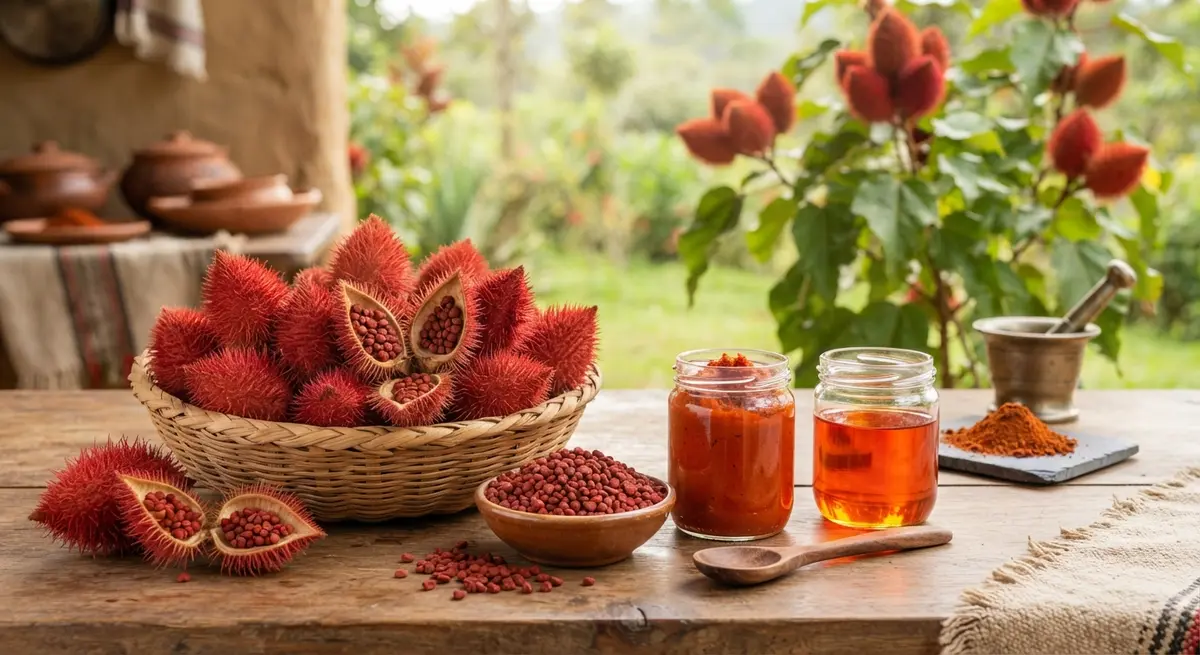
Achiote (Annatto): Flavor Profile, Health Benefits & Culinary Uses
Tiny coral-red seeds that paint food golden: the annatto tree's achiote, how to use the seeds and the Yucatan paste, and honest color substitutes.
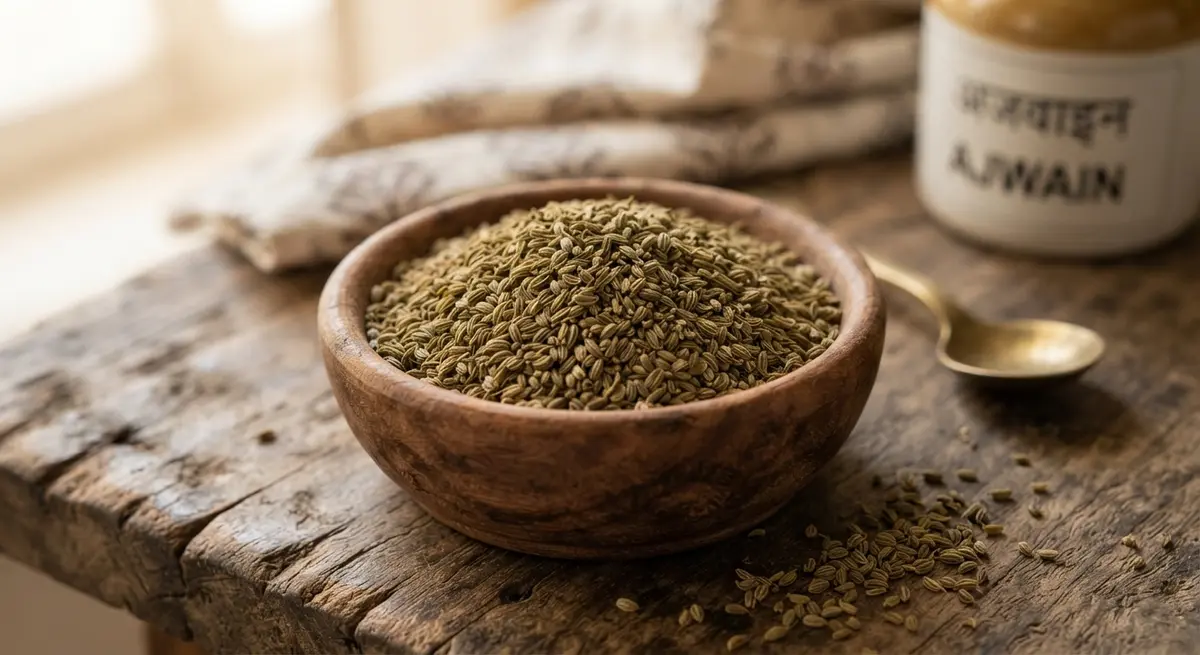
Ajwain (Carom) Seeds: Flavor Profile, Health Benefits & Culinary Uses
A tiny gray-brown seed that tastes like thyme, oregano, and cumin had a baby with a timer fuse. Here is how and why Indian kitchens use ajwain.
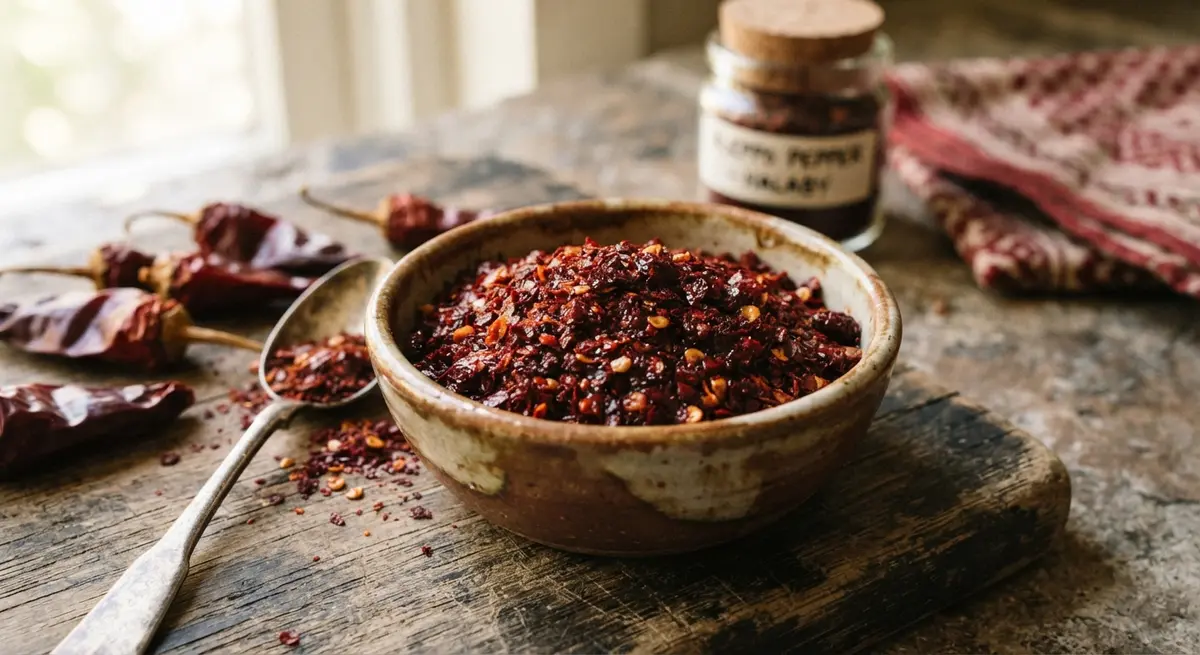
Aleppo Pepper: Flavor Profile, Health Benefits & Culinary Uses
Aleppo is the Mediterranean's gentle red flake, fruity and warm with real heat that never bites, perfect for everything from muhammara to roast carrots.
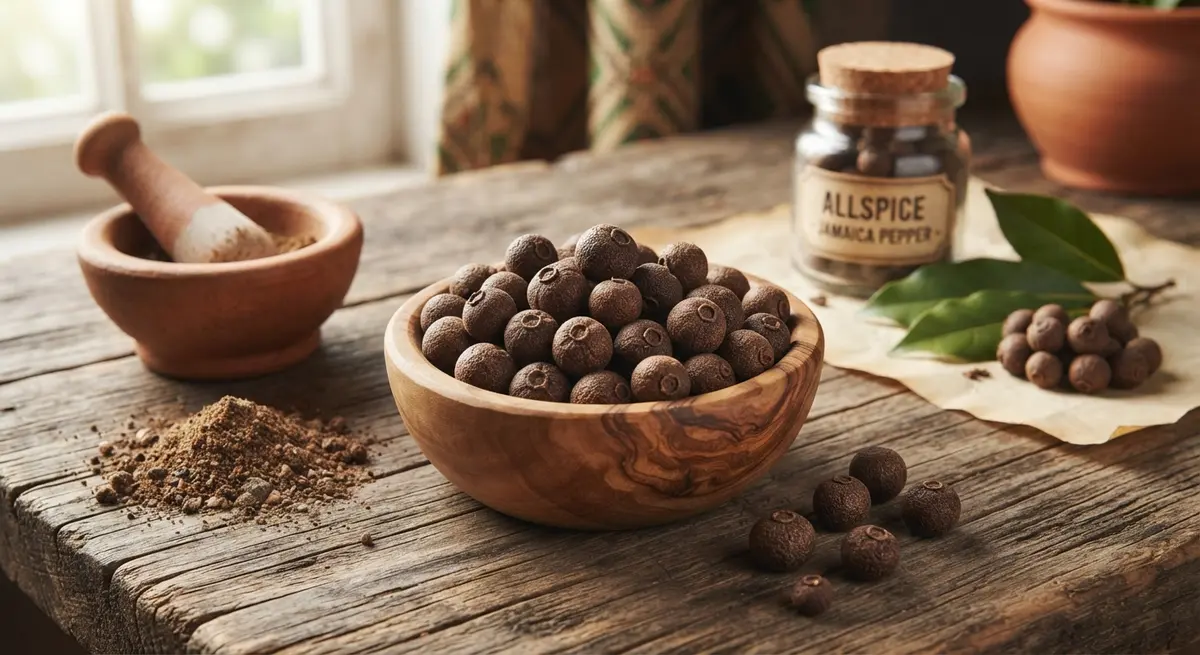
Allspice (Jamaica Pepper): Flavor Profile, Health Benefits & Culinary Uses
The original seasoning cheat: a single berry tasting of cinnamon, clove, and nutmeg, born in Jamaica, baked into jerk and grandmothers' Christmas cakes alike.
About the Authors
This recipe and guide was developed, tested, and approved in our home kitchen and daily life. Jamy is a retired Food Service District Manager and Early Childhood Program Manager who spent his career overseeing multi-site restaurant operations, large-scale culinary production, and daycare menu management. Kaïna brings the ultimate real-world test: making sure it brings ease and joy to our kids on a busy weeknight.
Read more about our professional background and philosophy →