Lemon Pepper Seasoning: Why Homemade Tastes Infinitely Better
By the QuiteRecipes team (Jamy & Kaïna)
Store lemon pepper tastes like a shrug. Grind it from freshly dried zest and real pepper and suddenly chicken, fish, and pasta have opinions.
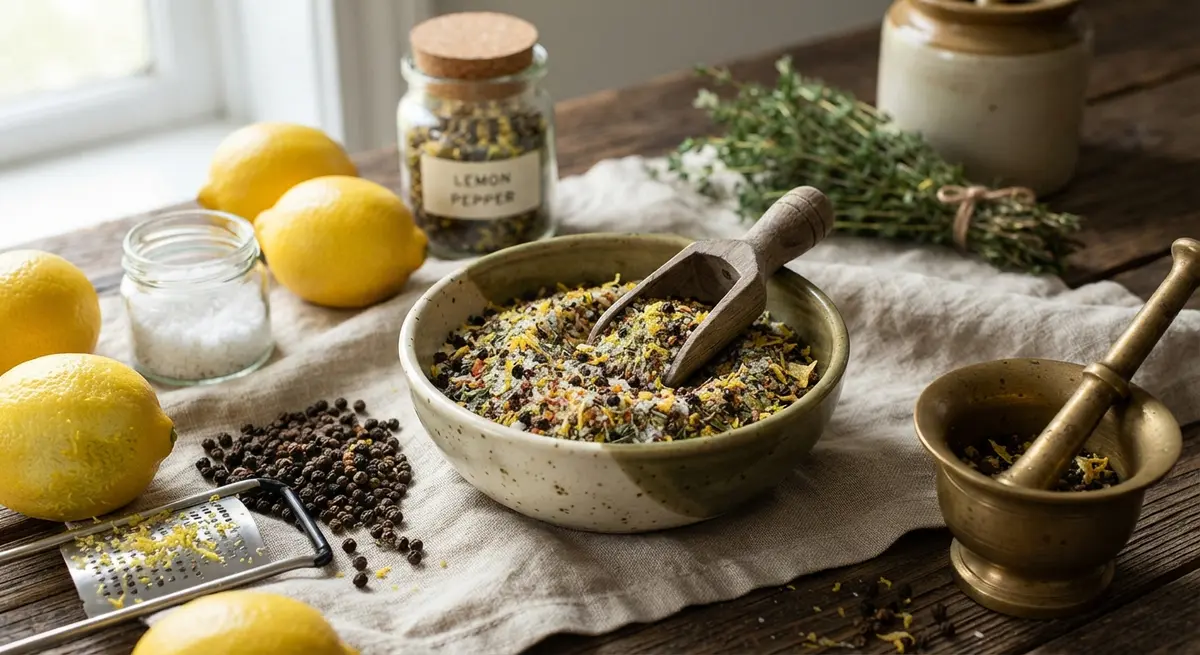
I used to believe lemon pepper only existed in those shakers that disappointed you by the second week. Then I dried a single lemon's zest on a plate and tasted what the real thing was supposed to be. Mine now lives in a small jar that empties every month, and I have not bought a packet since.
What It Is & Where It Comes From
Lemon pepper at its core is just two things: coarsely cracked black pepper and dried lemon zest, the peel without the bitter white pith, often rounded out with garlic and onion powder. Store-bought versions lean hard on salt and flat artificial lemon flavor, which is why so many of us grew up thinking the blend was one-note. Homemade, built from freshly dried zest, is a different creature entirely, sharp, bright, and alive, the way citrus should behave. The technique matters as much as the ingredients, because drying the zest properly is what saves the brightness.
The Blend: Ratios That Work
Start with fresh lemons: wash them well, then take only the yellow zest with a fine grater or vegetable peeler, leaving the white pith behind. Dry the strips in a very low oven, or on the counter overnight, until they are crisp, about 2-3 hours at your oven's lowest setting works well. Then mix roughly 2 parts dried zest to 1 part coarsely cracked black pepper: for one jar, 3 tbsp dried zest, 1 1/2 tbsp cracked pepper, 1 tsp garlic powder, and 1 tsp onion powder. Crack the pepper coarsely; cracked is the point, and powder buries the lemon.
How to Use It
For chicken, pat the pieces dry, press about 1 tsp per breast into the skin, and sear. For fish, dust 1/2 to 1 tsp per fillet right before cooking so the zest does not burn. Roasted vegetables take 1 tsp tossed with oil before the oven. Pasta likes it late, so stir 1 tsp into the finished noodles with butter, and the lemon stays bright instead of fading into the pot. Because this blend is salt-free, season to taste at the table, which is the whole idea.
Variations & Storage
If the oven route feels like too much, the countertop method works on any dry day. Add a pinch of dried thyme or oregano for a savory twist, or swap orange zest in for a softer, sweeter citrus. Keep the jar sealed in a dark, cool cabinet; pepper holds up well, but dried zest stays brightest for about 3 months, so make small batches and use them young.
FAQ / Quick Facts
- Why is store-bought lemon pepper so salty? Because salt is cheap and masks flat lemon flavor; freshly dried zest is bright on its own.
- Do I really need to dry the zest? Yes, fresh zest molds in a jar, so crisp, fully dry zest is the whole trick.
- Can I use orange zest instead? Sure, for a softer citrus; it trades some punch for roundness.
- How fine should the pepper be? Coarse cracks; fine powder turns harsh and buries the lemon under grit.
Related Articles
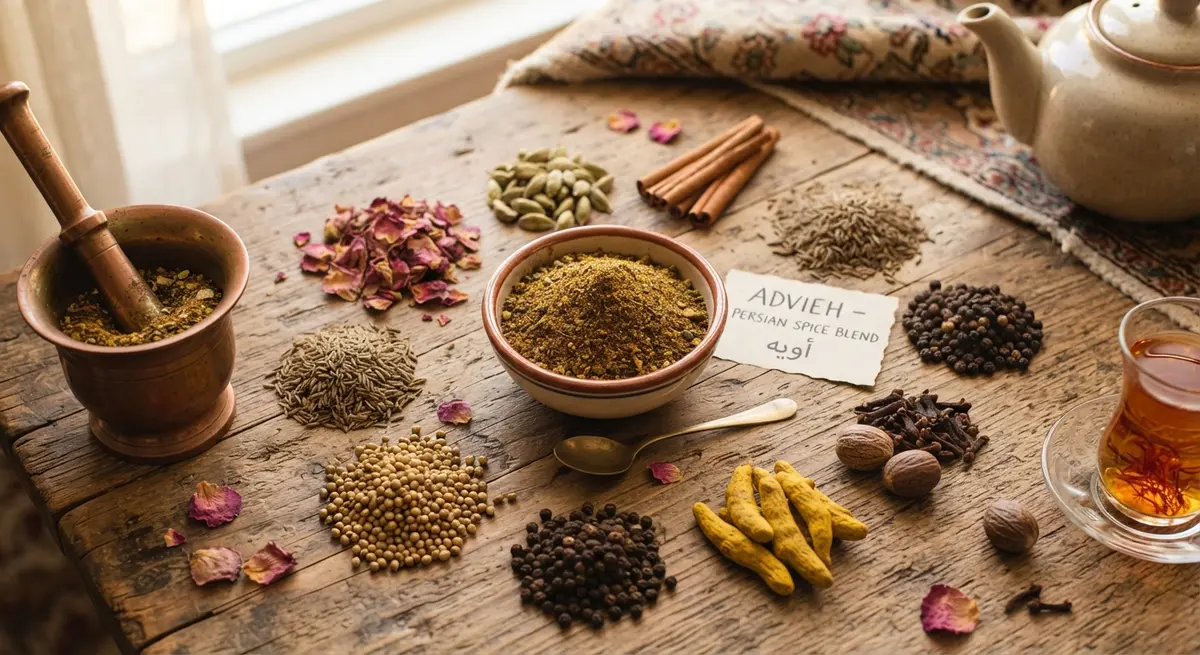
Advieh: Exploring the Aromatic Spice Blends of Persian Cuisine
Cinnamon, cardamom, turmeric, and rose petals in one jar? That is advieh, the Persian blend that turns plain rice into an occasion.
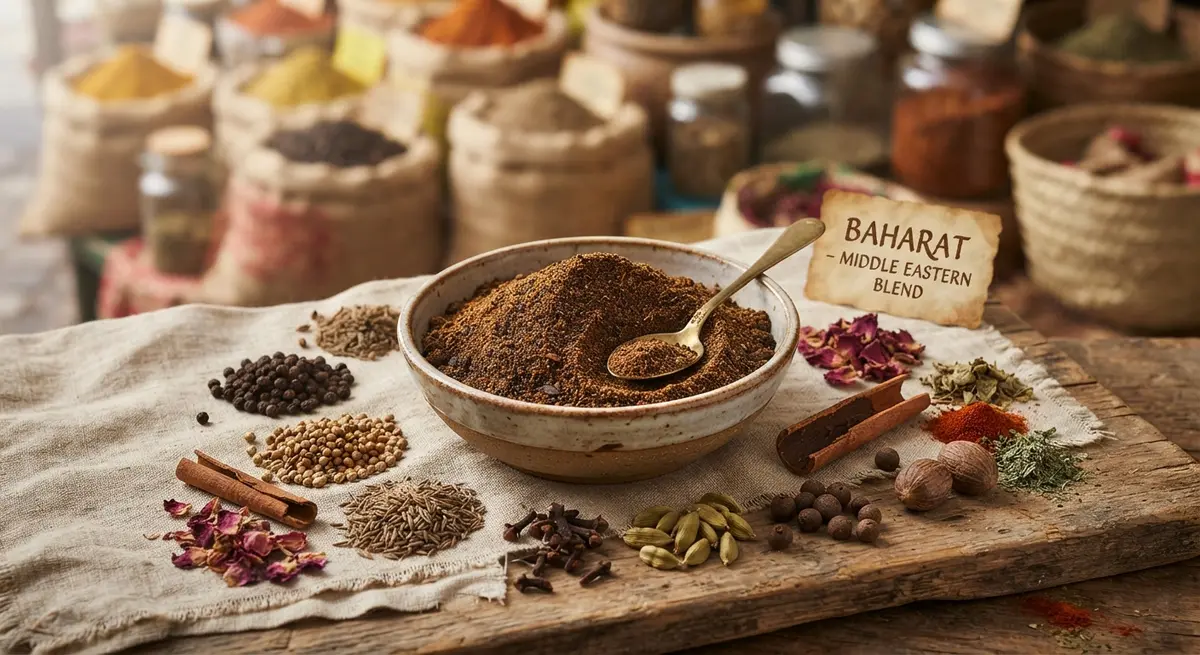
Baharat: The Warm Middle Eastern Blend That Elevates Any Meat Dish
Baharat simply means spices in Arabic, and once you balance the warm ones, it becomes the perfumed hand that lifts your whole plate of meat and rice.
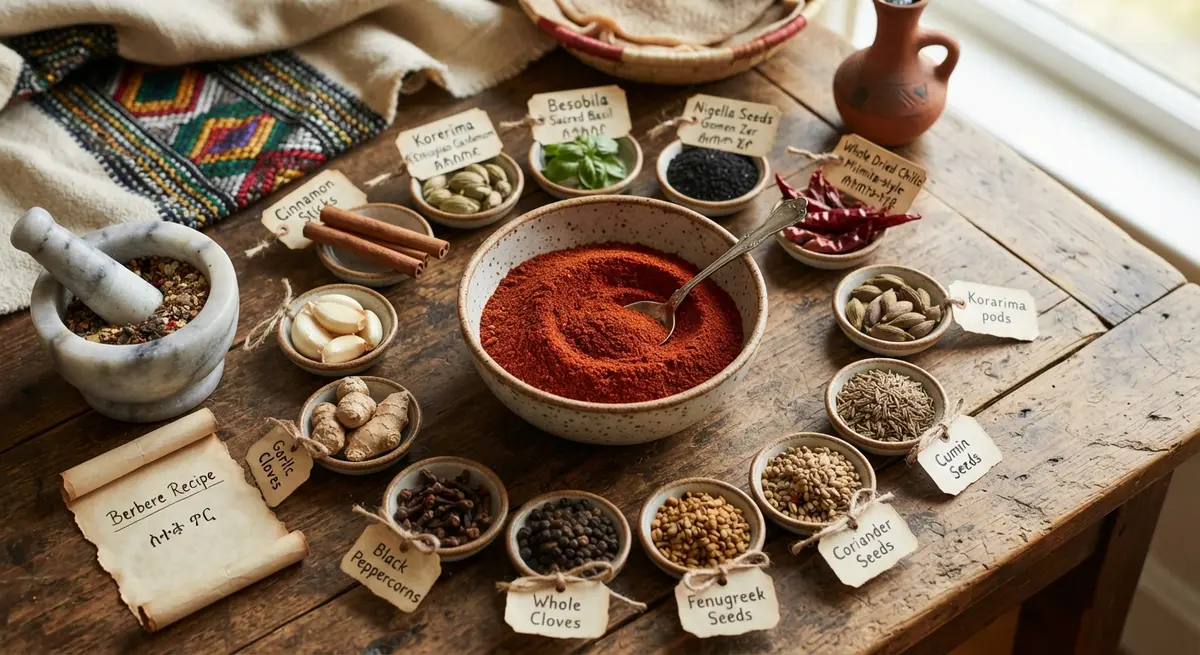
Berbere: The Fiery, Complex Ethiopian Spice Blend Explained
Berbere is the heartbeat of Ethiopian stews like doro wat. Once you blend it, a spoonful of oil turns a plain onion into dinner.
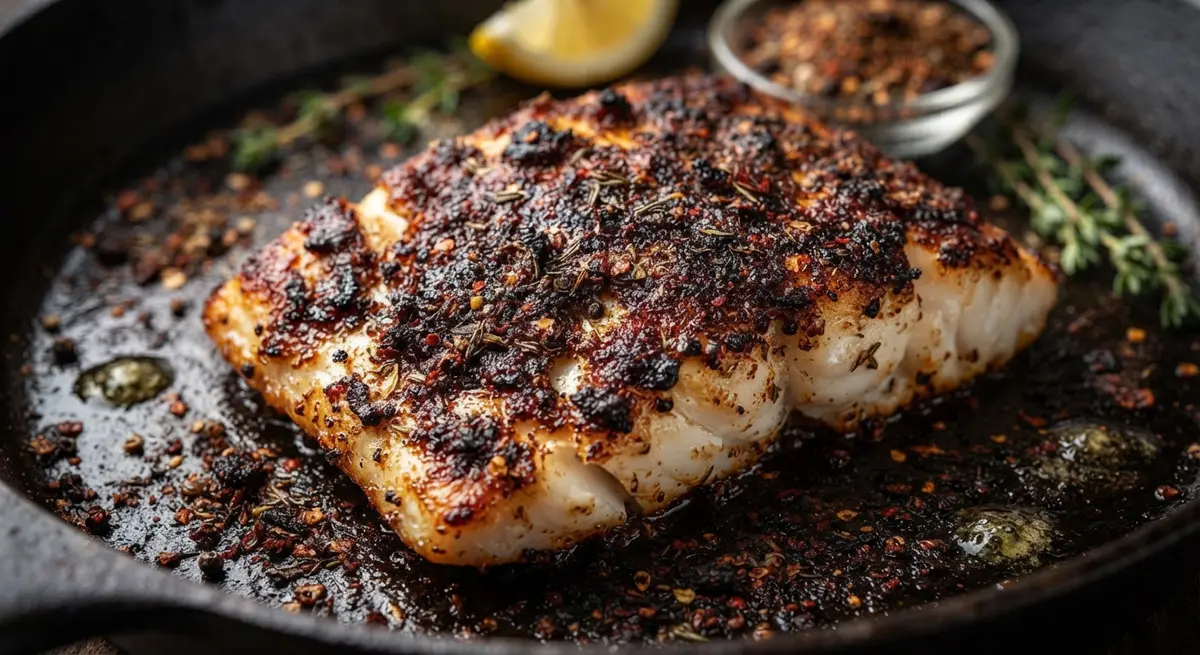
Blackened Seasoning: How to Get That Crust Without Burning Your Spices
I ruined my first three attempts at blackening before I learned the technique matters more than the mix. Now I get that crust every time.
About the Authors
This recipe and guide was developed, tested, and approved in our home kitchen and daily life. Jamy is a retired Food Service District Manager and Early Childhood Program Manager who spent his career overseeing multi-site restaurant operations, large-scale culinary production, and daycare menu management. Kaïna brings the ultimate real-world test: making sure it brings ease and joy to our kids on a busy weeknight.
Read more about our professional background and philosophy →