Chili Powder Masterclass: Blending Ancho, Cumin, and Oregano
By the QuiteRecipes team (Jamy & Kaïna)
I started blending my own chili powder the day I realized store-bought tasted flat. Ancho chilies changed everything, and now I never go back.
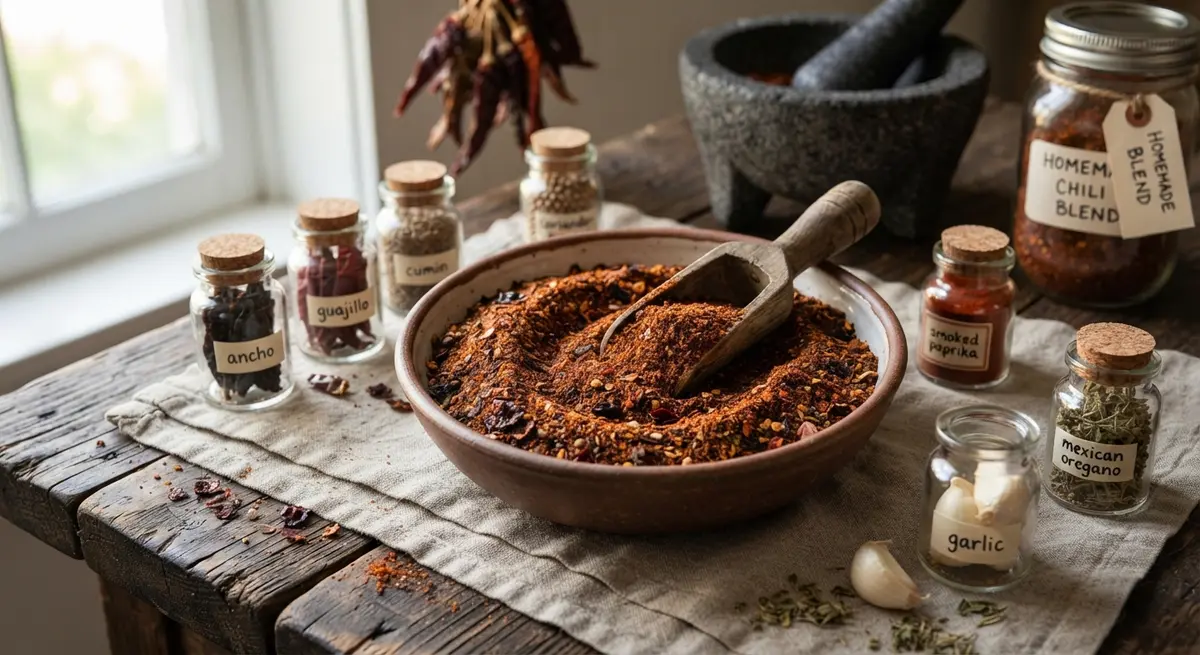
I started blending my own chili powder the day I realized store-bought tasted flat. A bag of dried ancho chilies from a local market changed everything, and now I never go back. This blend is the warm, smoky backbone of every great pot of chili and every taco night in our house.
What It Is & Where It Comes From
American-style chili powder is a blend, not simply ground chili. Its base is ground dried ancho chili, a mild, fruity, deeply flavored dried poblano. That base is combined with ground cumin, garlic, and oregano. Many cooks add coriander, cayenne for heat, allspice, or cloves for extra complexity. It is the spice backbone of chili con carne and Tex-Mex cooking broadly. It is important to remember that chili powder blend and pure ground chili are different products, and they behave very differently in recipes.
The Blend: Ratios That Work
This recipe makes about a third of a cup. Measure by weight if you can for consistency.
- 2 tablespoons ground dried ancho chili
- 1 tablespoon ground cumin
- 1 tablespoon dried oregano
- 2 teaspoons garlic powder
- 1 teaspoon ground coriander
- 1 teaspoon smoked paprika
- 1/2 teaspoon cayenne (or more, to taste)
If you are starting with whole dried anchos, remove the stems and seeds, toast them briefly in a dry skillet for 30 seconds per side until fragrant, then grind in a spice grinder to a fine powder. Toasting wakes up the oils and deepens the smoky sweetness. Mix everything together and store in an airtight jar. The cayenne is adjustable depending on how much heat your household prefers.
How to Use It
For a classic chili con carne, brown your meat, then stir in two to three tablespoons of the blend and cook it for about a minute until it darkens and becomes very fragrant. This step, blooming the spices in fat, is what gives chili its deep color and rounded flavor.
Sprinkle a tablespoon onto cubed chicken or beef for fajitas, or toss it with sweet potato wedges before roasting. Stir a teaspoon into black bean soup or enchilada sauce for warmth. Rub it onto corn on the cob with a little butter before grilling for a smoky, savory side that disappears fast.
Variations & Storage
For more heat, increase the cayenne or add a pinch of ground arbol chili. For a sweeter, more holiday-leaning blend, add a quarter teaspoon each of ground allspice and cloves. If you prefer ancho too mild, try substituting half the ancho with guajillo chili for a slightly more assertive, tangy bite.
Store in an airtight jar away from heat and light. It keeps its best flavor for about four to five months. Label your jar with the date, because this is one of those blends you reach for often and want to keep fresh.
FAQ / Quick Facts
- Is chili powder the same as cayenne? No. Chili powder is a blend, while cayenne is a single ground chili pepper and is much hotter.
- How do I toast whole dried chilies? Place them in a dry skillet over medium heat for about 30 seconds per side until fragrant and slightly pliable.
- Can I make it salt-free? Yes, this blend is naturally salt-free, so you control the salt separately in your dish.
- What if I cannot find ancho chili? Guajillo is the closest substitute, though it is slightly tangier and less sweet.
Related Articles
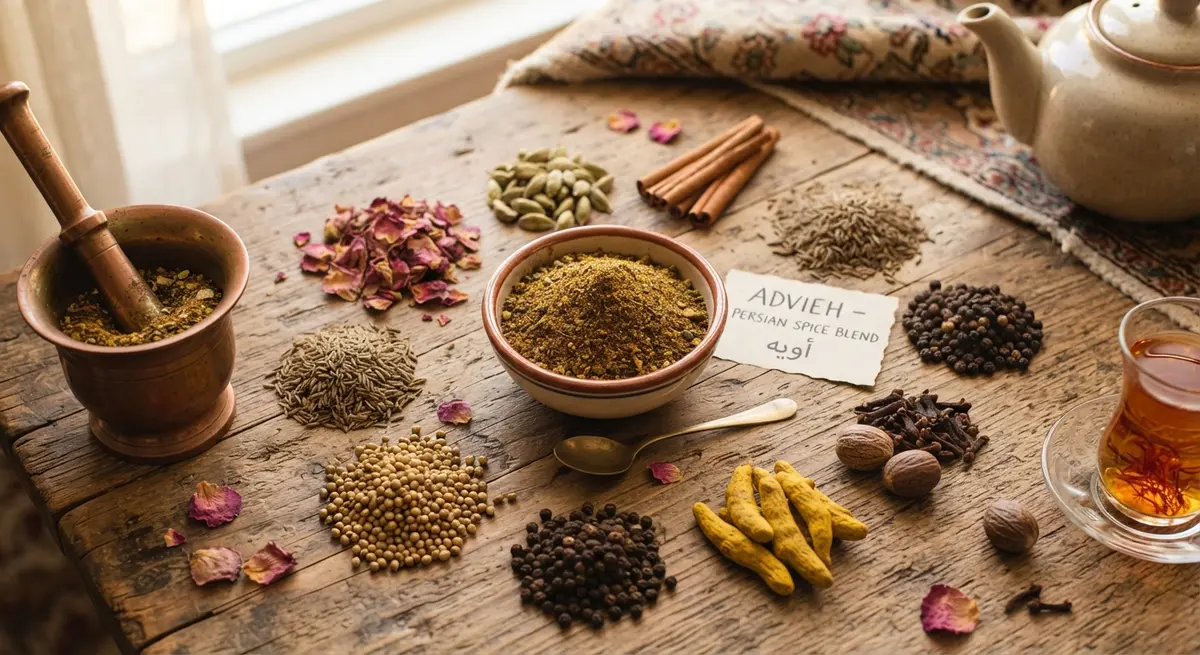
Advieh: Exploring the Aromatic Spice Blends of Persian Cuisine
Cinnamon, cardamom, turmeric, and rose petals in one jar? That is advieh, the Persian blend that turns plain rice into an occasion.
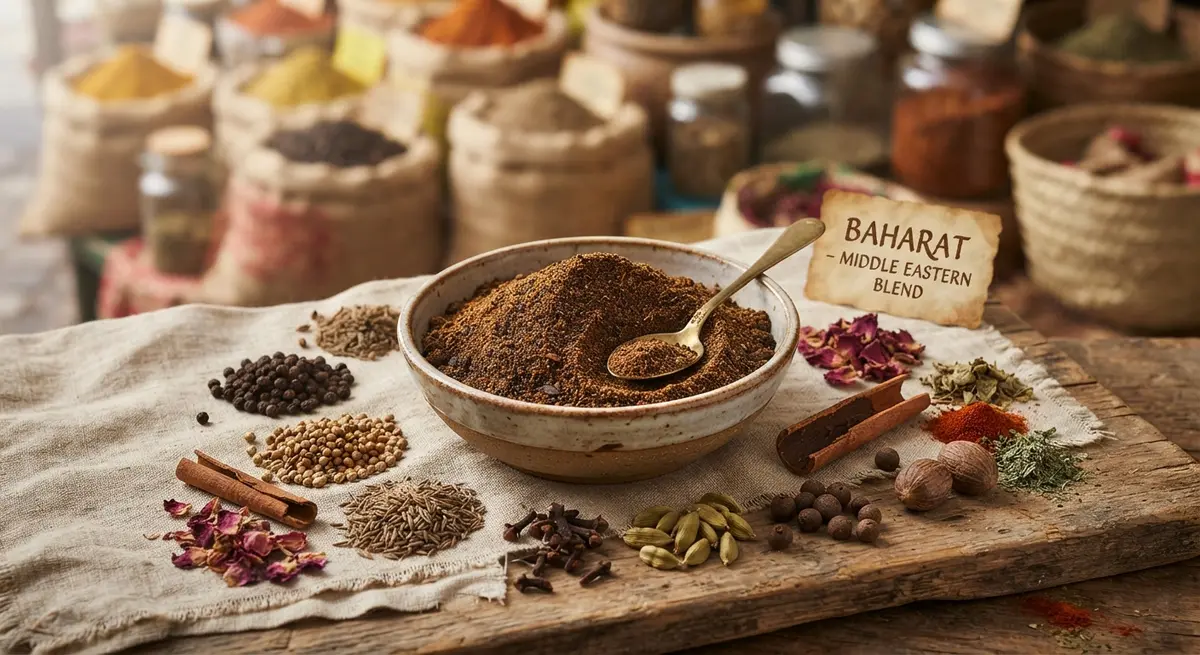
Baharat: The Warm Middle Eastern Blend That Elevates Any Meat Dish
Baharat simply means spices in Arabic, and once you balance the warm ones, it becomes the perfumed hand that lifts your whole plate of meat and rice.
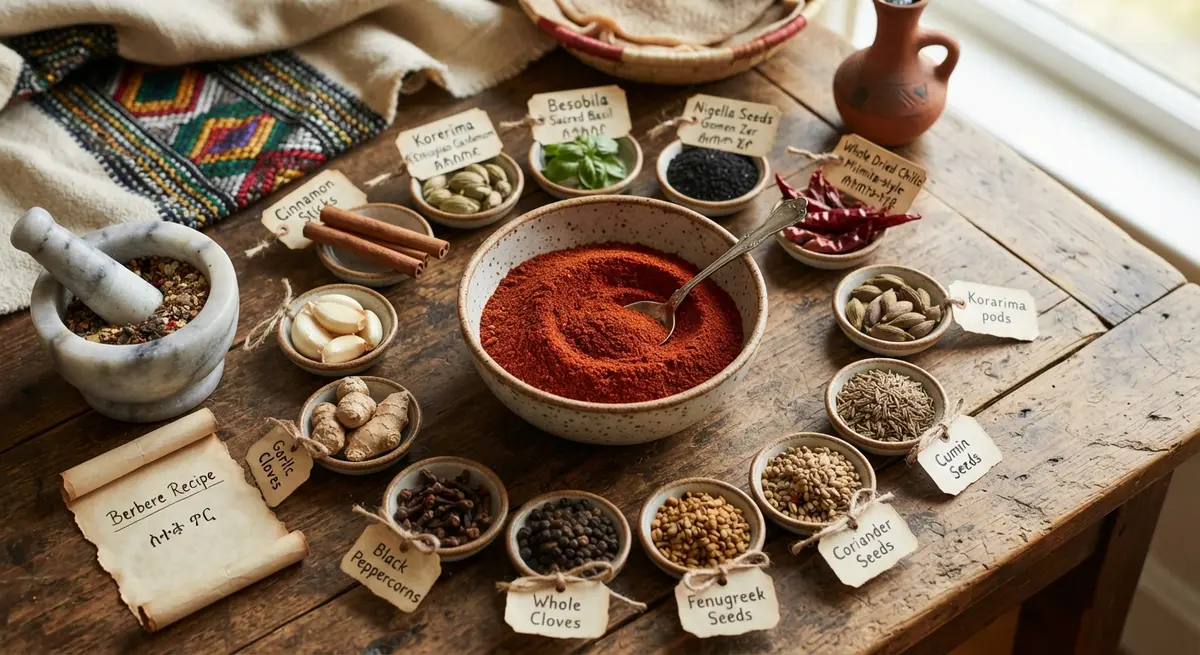
Berbere: The Fiery, Complex Ethiopian Spice Blend Explained
Berbere is the heartbeat of Ethiopian stews like doro wat. Once you blend it, a spoonful of oil turns a plain onion into dinner.
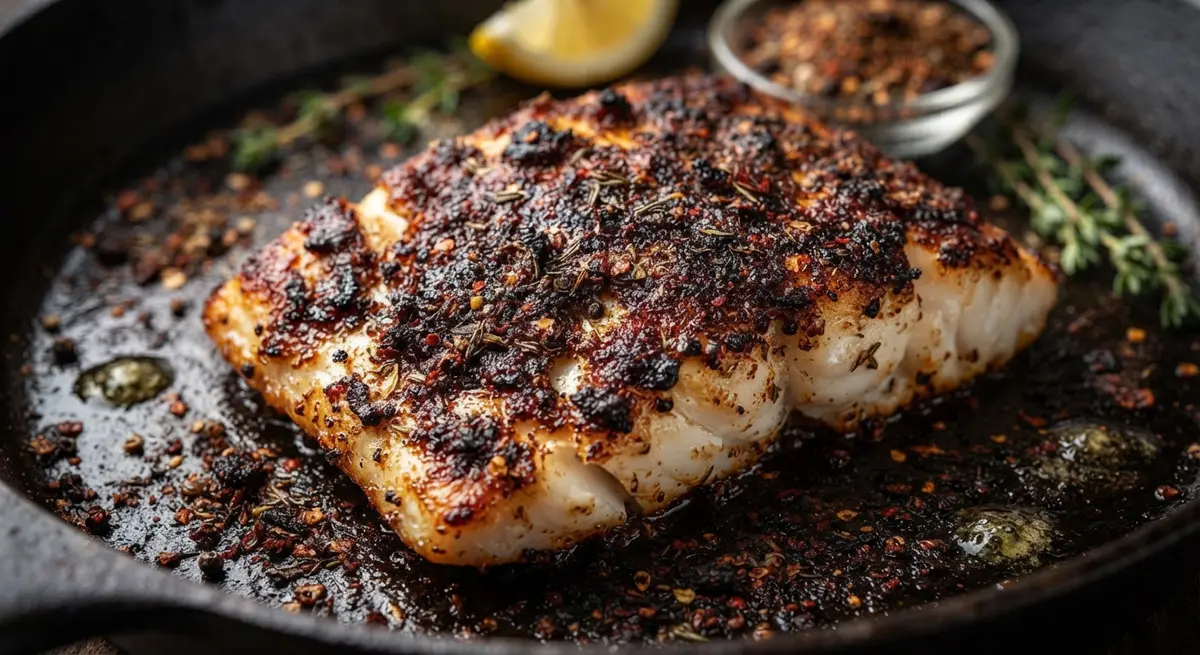
Blackened Seasoning: How to Get That Crust Without Burning Your Spices
I ruined my first three attempts at blackening before I learned the technique matters more than the mix. Now I get that crust every time.
About the Authors
This recipe and guide was developed, tested, and approved in our home kitchen and daily life. Jamy is a retired Food Service District Manager and Early Childhood Program Manager who spent his career overseeing multi-site restaurant operations, large-scale culinary production, and daycare menu management. Kaïna brings the ultimate real-world test: making sure it brings ease and joy to our kids on a busy weeknight.
Read more about our professional background and philosophy →