The Ultimate Brunch Guide: How to Host a Weekend Gathering at Home
By the QuiteRecipes team (Jamy & Kaïna)
Brunch is the easiest party to host — if you know the timing. A complete make-ahead brunch guide.
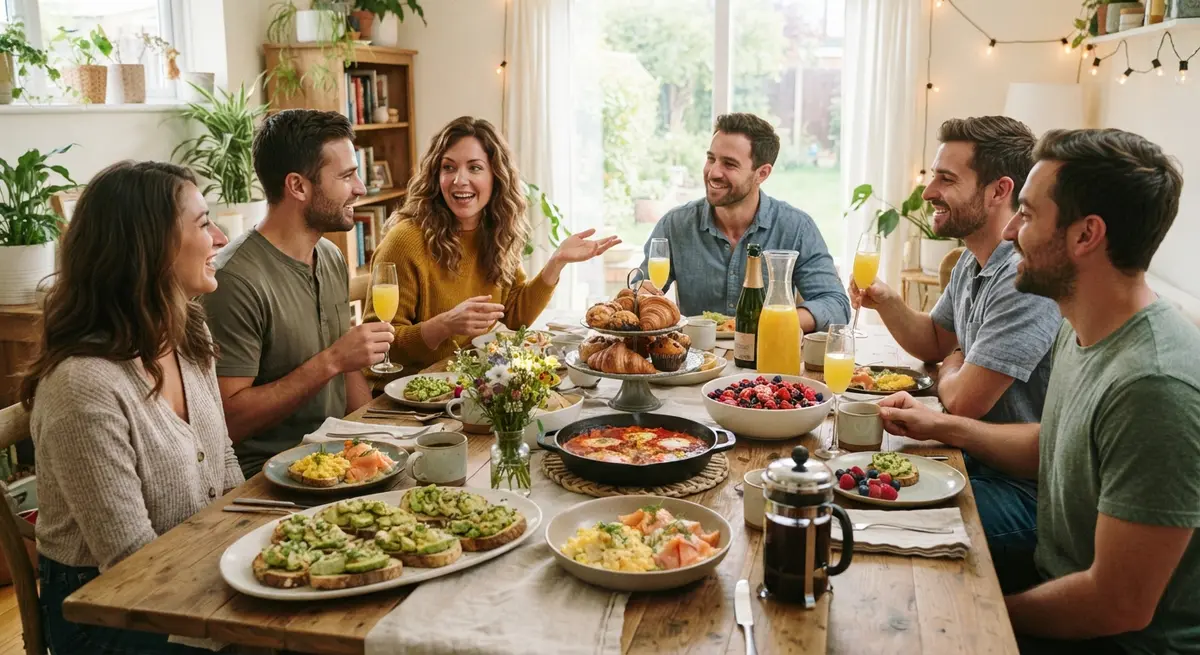
I once hosted a brunch for twelve planned to the minute, and it nearly broke me. The menu looked like a diner's greatest hits — pancakes, eggs two ways, three rounds of toast — and I spent the whole morning in a fog of hot pans and cold timings, at one point flipping a pancake directly onto the floor and briefly considering serving it anyway. Everyone had a lovely time, which they told me cheerfully through the smoke. But that morning taught me the real lesson: brunch is the easiest party to host badly and among the easiest to host brilliantly. The difference is almost entirely timing.
Breakfast foods are forgiving of time in a way that sauced dinners are not. A frittata holds warm for an hour, baked goods only get better as guests wander in late, and a casserole assembled the night before slides into the oven with zero drama. But run brunch on diner logic, cooking everything à la minute as people arrive, and you become a stressed short-order cook at your own party.
This guide is the system that replaced my smoke alarm mornings: the make-ahead menu that has never failed me, the coffee math most hosts forget, and the exact weekend timeline from Friday evening to Sunday noon.
The Make-Ahead Menu That Works
The golden rule: your hero dishes are built the day before, with almost no cooking during the party.
- A baked egg casserole or frittata, assembled the night before and baked in the morning, holds warm for an hour and slices cleanly for self-serve.
- A fruit platter arranged the night before, yogurt in a big bowl, and good granola fill the table without a stove.
- Keep two "finish in ten minutes" hot items — home fries and bacon — for drama, started as the first guests arrive.
- Aim for a ratio of seventy percent ready before anyone knocks, twenty percent hot-and-holding, and ten percent maximum near the stove.
Pro tip: A 9-by-13-inch baked egg casserole feeds ten people, holds warm, and genuinely tastes deeper after an overnight chill — the bread soaks, the custard sets, and the flavors marry like a slow braise.
The Coffee and Beverage Math
Brunch hosts obsess over pancakes and forget the table's most important item.
- A standard 12-cup maker brews about 60 ounces, serving six generous cups — plan a full cup and a half per guest, so one pot per five or six people.
- Brew into a thermal carafe instead of leaving it on the hot plate; coffee that sits for twenty minutes tastes like regret, while carafe coffee stays clean for two hours.
- Add a decaf option as the year's most underrated hosting gesture, plus a pitcher of cold citrus water that costs nothing and looks luxurious.
- A half-gallon of fresh orange juice serves eight mimosas, or skip the bubbles and set out sparkling water with a simple herb syrup.
A Table That Does the Work of a Buffet
Brunch should run like a buffet with a heart, arranged so nobody waits in a pile-up.
- Lay the kitchen counter as a one-way food lane: plates first, then savory dishes, then fruit and pastries, then jams and butter.
- Give coffee its own corner away from the mimosa fixings, so guests refill without breaking the walk.
- Keep every guest within one-handed reach of everything they need — plate in one hand, cup in the other, no third hand required.
- For crowds past six, split one big station into two smaller ones rather than letting one queue grow.
The Weekend Timeline That Removes the Panic
Brunch feels impossible when you start at 7 a.m. on Sunday in your pajamas. Run it across three moves instead.
- Friday evening: choose the menu, shop, bake the pastries, and prep the fruit and vinaigrette.
- Saturday: cook everything that benefits from overnight — frittata and casserole baked tonight, cooled, refrigerated — and set out plates, mugs, and linens.
- Sunday morning: slice the frittata, slide both baked dishes into a low oven at 8:30, and start the coffee before the first guest knocks.
Your busiest Sunday moment becomes a fifteen-minute window before the door, not ninety minutes of café chaos.
Dietary Guests and the Joy of Leftovers
Brunch scales beautifully, and it's friendlier to special diets than any dinner format.
- A frittata solves the gluten-free guest, a fruit-and-yogurt spread solves the vegan corner, and a basket of both wheat and gluten-free bread costs nothing.
- Ask about restrictions when you confirm; "anything I should avoid or embrace?" is the brunch version of the question.
- Leftovers are the feature, not the bug: a baked casserole feeds Tuesday lunch, leftover fruit becomes a smoothie, and pastries get toasted deliberately.
Pro tip: Keep one hot item in reserve in a warm oven. When a straggler arrives an hour late, you refill the buffet quietly and the party never notices the timing.
FAQ
What time should a brunch party start?
Eleven o'clock is the great all-purpose time — late enough that nobody is rushed, early enough that it reads as brunch. Ten works for families with small children, and 11:30 with a "drop in anytime through one" note keeps the weekend-laggard crowd loose. The only real mistake is starting before ten.
How much food should I plan per person?
Roughly one and a quarter savory portions each — a slice and a half of frittata, a half-pound of potatoes, two strips of bacon — and expect fruit and pastries to go faster than protein. For ten guests: one 9-by-13 casserole or two frittatas, a sheet pan of potatoes, one big fruit platter, and a dozen pastries.
How do I handle guests who arrive an hour late?
Treat the buffet like a country inn, not an airline. The eggs hold, the table stays set, and the late arrival gets the same warm greeting and a plate. Don't re-time the party to the straggler; just quietly top up the spread when they appear.
What should I serve for a mostly vegetarian brunch?
The vegetarian brunch is a joy. A spinach-and-feta casserole, a mushroom-and-leek frittata, a big fruit-and-yogurt spread, roasted vegetables, and herby home fries. Swap the salmon for marinated artichokes, throw on a tray of biscuits, and nobody will miss the meat.
How far ahead can everything be prepared?
Everything except the coffee can be ready the night before. Prep the casserole and frittata fully on Saturday, arrange the trays Saturday night, and leave only coffee, bacon, potatoes, and final assembly for Sunday. The coffee is the single item that must be made inside the party window.
Key Takeaways
- Make seventy percent of brunch ahead, with a baked egg casserole or frittata as the holding hero.
- Treat coffee like the main course: one 12-cup pot per five or six guests, brewed into a thermal carafe, plus a decaf and a juice station.
- Set the room as a one-way buffet lane with a separate drink corner and one-handed reach for every guest.
- Run the timeline across three moves: shop and bake Friday, cook and refrigerate Saturday, assemble and warm Sunday.
- Split stations past six guests, and prep one easy second version of each hero dish for dietary guests.
- Enjoy the leftovers — brunch is the only party that keeps giving all week.
A Final Word
The brunch that almost broke me ran on diner logic and left me a wreck. The brunch that taught me everything treats breakfast like a buffet with a heart: everything cooked the day before, everything engineered to hold, coffee handled like a celebrity, and the room arranged so no guest ever waits. The best brunches I've hosted felt suspiciously easy, and that easiness is the point — as close as a Friday night of prep and a Sunday that finally feels like a holiday.
Published on 2026-08-13 by the QuiteRecipes team (Jamy & Kaïna).
Related Articles
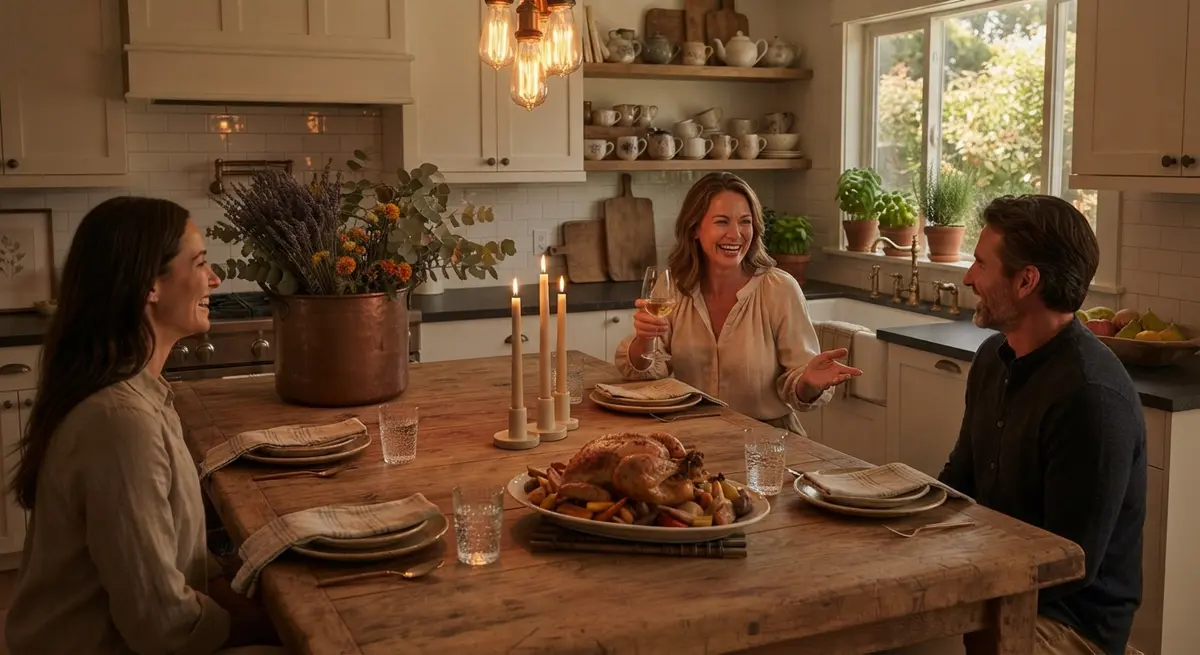
5 Simple Ways to Be a More Gracious and Relaxed Dinner Host
Gracious hosting isn't about fancy food. It's five repeatable habits that calm the room — and you.
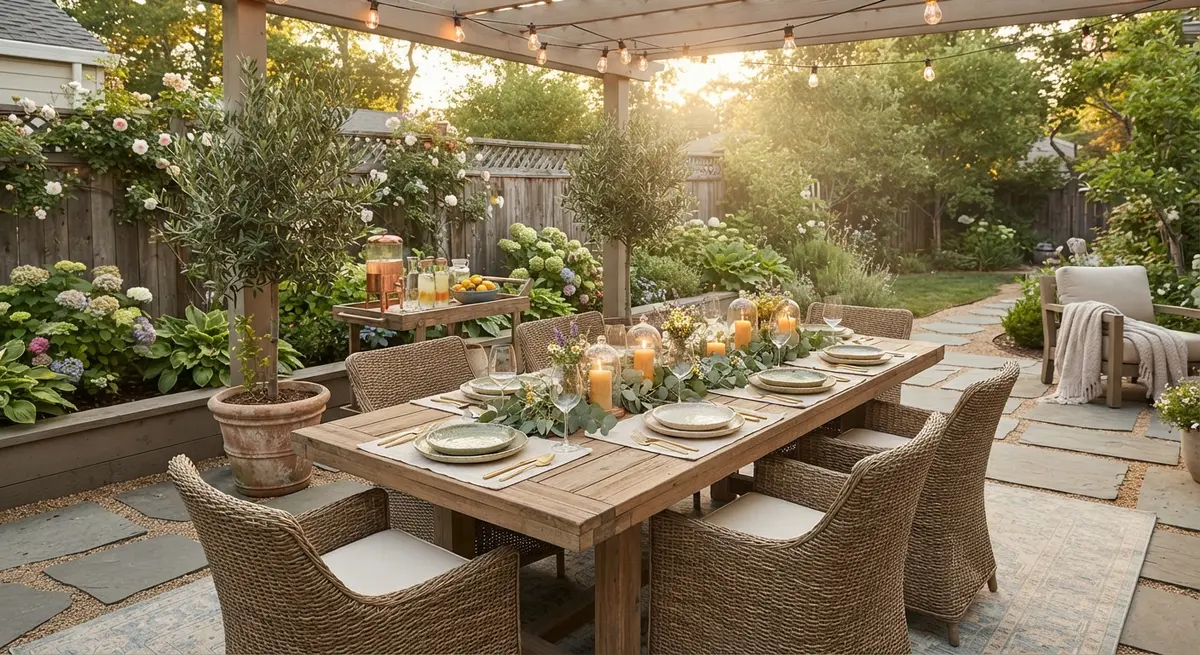
How to Create the Perfect Outdoor Dining Space in Your Backyard
A great outdoor dining space needs shade, light, and a table that works. Here's a practical plan to build one on any backyard budget.
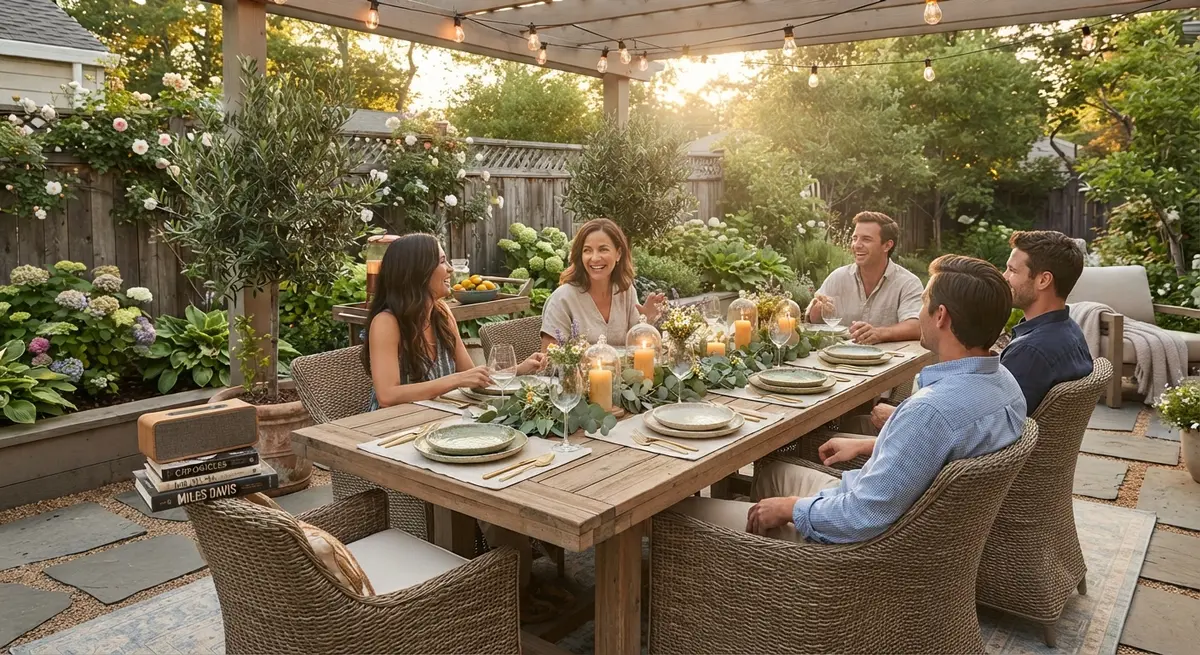
How to Curate the Perfect Dinner Party Playlist for Any Vibe
The dinner party playlist is a hosting skill. Learn volume math, tempo curves, and a no-fail structure.

How to Host a Regional Food Night: A Culinary Trip to Italy
Bring Tuscany or Sicily to your dining room. Here is how to host a regional Italian food night with a real menu, course order, and sourcing.
About the Authors
This recipe and guide was developed, tested, and approved in our home kitchen and daily life. Jamy is a retired Food Service District Manager and Early Childhood Program Manager who spent his career overseeing multi-site restaurant operations, large-scale culinary production, and daycare menu management. Kaïna brings the ultimate real-world test: making sure it brings ease and joy to our kids on a busy weeknight.
Read more about our professional background and philosophy →