The Best Low-Maintenance Houseplants to Keep in Your Kitchen
By the QuiteRecipes team (Jamy & Kaïna)
Forget the plant graveyard. These forgiving houseplants and kitchen herbs survive forgotten waterings, bright windows, and steam-filled rooms — and some make dinner taste better.
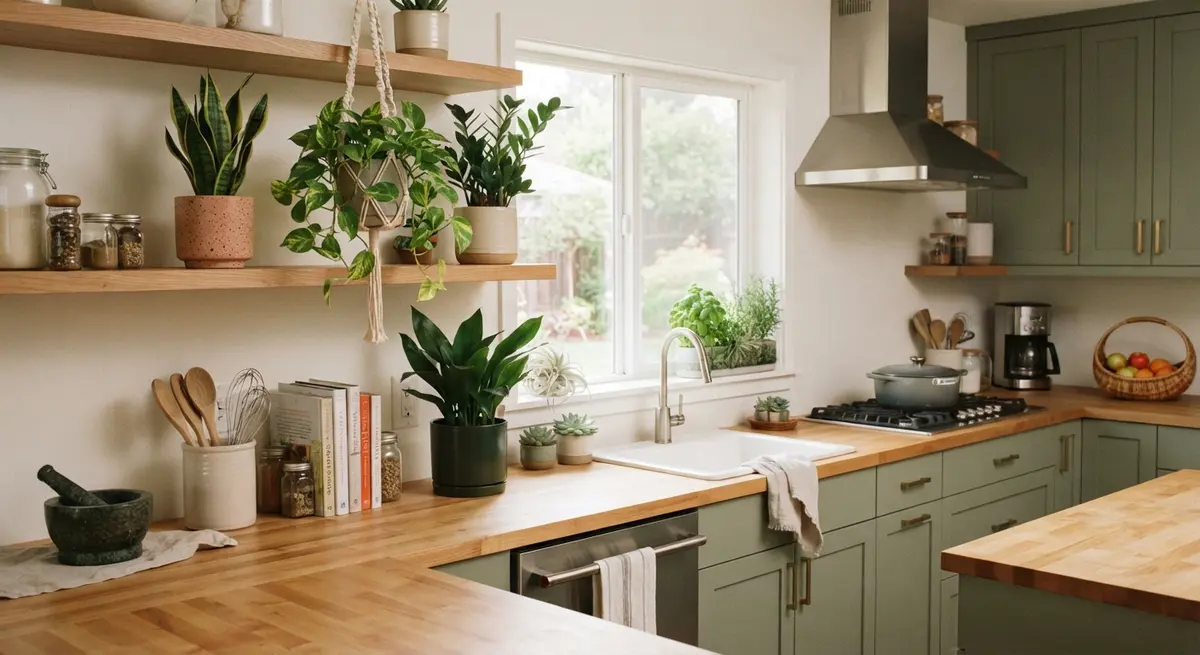
For years I was a plant killer with good intentions. I'd buy a gorgeous monstera, watch it go limp, "rescue" it with aggressive watering, and appear defeated. The kitchen, in particular, seemed like a plant graveyard — a hot, steamy, sometimes dark, heavily used room where my green dreams went to decompose.
Then a friend who actually keeps plants alive shared a wisdom that saved my countertops: the key isn't a green thumb — it's picking plants that match your kitchen's personality, then doing almost nothing.
There genuinely are houseplants that tolerate forgotten water, love bright indirect light, and shrug off kitchen humidity. Let me introduce you to my favorites — the ones that survive real life, fit on a windowsill, and some of which even end up in your dinner.
What Kills Kitchen Plants (And Why Most Die Here)
Before choosing, understand the risks specific to a kitchen:
- Bright, hot sun hitting a windowsill that becomes an oven at noon.
- Low light in deep counters or windowless galley kitchens.
- Steam and cooking fumes — a plant near the stove gets blasted with heat and vapor.
- Forgotten watering — the same way everyone forgets to water anything in a busy kitchen.
- Counter clutter — the plant gets moved, bumped, and eventually half-buried.
The winning strategy is to pick plants that are comfortable with the kitchen's quirks rather than fighting them.
The Forgiving Favorites: Plants That Don't Care if You Forget
1. Pothos (Epipremnum aureum)
The undisputed champion of low-maintenance. It tolerates low light, inconsistent watering, and thrives on benign neglect. Its trailing vines soften a shelf or high cabinet.
- Water when the top inch of soil is dry — weekly-ish, but it forgives two weeks away.
- Thrives in most kitchen light, from a bright sill to an average shelf.
- Bottom line: it's the plant to give the person who "can't keep anything alive."
2. Snake Plant (Dracaena trifasciata)
The tanks of the houseplant world. It stores water in its leaves and doesn't demand much light.
- Water every 2–4 weeks, less in winter; it prefers drought to drenching.
- Survives in low light near the back of a counter, but grows better somewhere brighter.
- A curved snake plant in a pot by the door instantly upgrades the kitchen's mood.
3. ZZ Plant (Zamioculcas zamiifolia)
Practically immortal. Glossy architectural leaves, tolerant of dim corners and long dry spells.
- Water sparingly — every 3–4 weeks. It wants to be forgotten sometimes.
- Fine with lower light and office-level cares; a hero for windowless kitchens.
4. Spider Plant (Chlorophytum comosum)
A cheerful, cascading plant that produces tiny offshoot plantlets you can propagate for free.
- Water when dry-ish, roughly weekly; it's forgiving and pet-tolerant.
- Grows well in bright, indirect light on a shelf or window.
My honest ranking for the truly forgetful: Pothos and snake plant are the two you can't kill by accident.
Herbs Worth Growing (And Better Than Buying)
Herbs are the kitchen plants that earn their keep — fresh, cheap, and infinitely better than the supermarket bag that rots in three days.
The reliable windowsill four
- Basil — grows fast in a warm, bright windowsill. Snip from the top to keep it bushy.
- Mint — basically unkillable, and it takes over if you let it. Keep it in its own pot, and it rewards you with unlimited mojito mint.
- Thyme — drought-tolerant, fragrant, and tiny leaves that shrug off neglect.
- Rosemary — Mediterranean and tough; loves sun, hates wet feet, so give it a gritty, drain-fast pot.
The set-and-forget ones
- Chives — grass-like, hardy, and you can clip the leaves right into an omelet.
- Oregano and sage — tougher than sentiment; both survive a bit of dry and add a lot of flavor.
The practical rule: one pot per busy kitchen, near the light, needs bright light and occasional pruning. Rotate crops (basil in summer, thyme and rosemary year-round) and you'll have fresh flavor without a greenhouse.
The Kitchen-Specific Placement Guide
Where you put the plant matters as much as which plant.
- Bright windowsill: basil, thyme, mint, rosemary, and succulents.
- Average shelf, brighter end: pothos, spider plant, ZZ.
- Low light near pantry: snake plant, ZZ, pothos (they tolerate it better than any flowering plant).
- In a hanging basket or high shelf: trailing pothos and spider plant babies.
Avoid placing plants near the stove-top steam zone or in direct harsh sun where they'll cook. The windowsill beside the sink is usually the happy medium — bright but not scorching, and near the water you use daily anyway.
Watering Without a Watering Regime
The killer of most kitchen plants is actually too much love (overwatering), not too little. My rules:
- The finger test — poke a finger into the soil. Water only when the top inch or two is dry. This beats any calendar routine.
- Drain, always — pot with drainage holes; no plant likes wet socks. Tip: a saucer or tray catches the overflow.
- Less in winter — most plants need significantly less water in the cold, dark months.
- Group the thirsty and the dry — keep the moisture-lovers together so you care for one zone, not eight individual schedules.
Styling Plants Without Cluttering the Counter
Kitchen plants should decorate, not contribute to the chaos. My practical approach:
- One statement plant on the main counter near the window — a pothos in a nice pot or a thriving basil bush.
- A shelf tray of small pots for herbs, organized by use (basil, thyme, mint in a row).
- Hanging options for zero counter cost — a macramé hanger or a wall planter.
- Match pots to your kitchen's mood — warm terracotta for a farmhouse feel, matte black or white for modern. Consistency beats mismatched plastic salad containers.
The one-rule styling: pick one decorative plant per zone, keep the working herbs in pots, and edit the rest. A kitchen with three lively plants looks intentional; a kitchen with nineteen looks like a jungle that took a wrong turn.
The Best Answers for Common Kitchen Problems
"My kitchen is too dark for plants."
Snake plant, ZZ, and pothos genuinely tolerate low light. Add a cheap grow lamp on a timer over the shelf if you want more variety — it's a game-changer for windowless kitchens.
"I always forget to water."
Choose drought-tolerant plants: snake plant, ZZ, succulents, aloe. They're designed for people like us, and underwatering is far less fatal than overwatering.
"I want plants that make food taste better."
Then your plant list is basil, parsley, thyme, rosemary, chives, and mint. Grow the ones you use weekly and clip them straight into the pan — the freshest possible version of each flavor.
"Are any of these safe around pets?"
Pothos is mildly toxic to cats and dogs if eaten; snake plant and aloe also have mild toxicity. Spider plant is pet-safe. If you have a nibbler, stick to spider plants, herbs like basil and mint (fine), chives (usually fine), and keep the rest high up.
What "Low Maintenance" Really Means (The Honest Bar)
"Low maintenance" plants are low-margin plants — they forgive irregular watering, mediocre light, and the occasional forgotten winter. But they're not zero-margin. The honest version:
- They tolerate neglect, they don't survive deliberate abuse. A pothos survives a missed week; it dies in a sunless closet with no water for a month.
- Their "low maintenance" is a light requirement, not light absence. Most forgiving houseplants still want bright, indirect light; north windows and dull corners still test them.
- They forgive one mistake, not a series. Nearly all the "it just died" stories are really two conjugate errors: too much water in low light, or root rot from a saucer that never drained.
Set the bar honestly and the plants thrive for years. Set the bar falsely and even a snake plant calls it quits.
The Overwatering Trap: The #1 Killer of the "Easy" Plants
More plants die from too much love than too little. The correction is untouchable:
- Let the top inch dry before watering again. Your finger, not a schedule, is the best moisture meter — stick it in; if it's dry to the first knuckle, water.
- Drainage is non-negotiable. A pot with a hole beats a pot without one every time; standing water is the one thing every indoor plant hates.
- The saucer rule: water, wait 20 minutes, pour out whatever collects. Sogginess at the roots is rot; the plant can't tell you it's drowning until the leaves do.
If a plant looks sad and you're watering "extra" to fix it — stop. Drop the water, let it drain, and most forgiving plants recover in a week.
Dead Leaves and the "Kitchen Sage" Habit
An easy care routine is a ten-minute-a-week stroll:
- Weekly snip of yellow or brown tips and any dead leaf — trimming signals the plant to push new growth and keeps the countertop patient.
- Dust the leaves. Dust acts like a shade; a damp cloth wipe monthly keeps photosynthesis high and the plant glossy.
- Rotate the pot a quarter turn. Even light distribution keeps the shape balanced instead of leaning toward the window.
Three quiet habits, one weekly lap of the kitchen, and the "low-maintenance" plants stay gorgeous and actually need the minimum — which was the whole point of buying them.
FAQ
What's the absolute easiest houseplant for a kitchen?
Pothos or snake plant — neither demands much light or water discipline, and both survive nearly any kitchen.
How much light do herbs really need?
Most culinary herbs (basil, thyme, rosemary, mint) need at least 4–6 hours of bright light a day — a sunny windowsill or a grow lamp. In a dim kitchen, they'll stretch and get leggy without light.
How do I keep basil alive instead of buying new every week?
Give it a bright warm spot, water when the topsoil dries a little, and harvest from the top (pinch the leaves down to the next pair). Expect some drama in winter; basil is a summer plant, and a spring replant is normal.
Should I repot plants I buy?
Often yes — nursery pots are compact. Move them to a slightly larger pot with drainage and fresh soil after a couple of weeks, being gentle with the roots. Overpotting stresses roots, so go one size up, not five.
Do kitchen plants do better in ceramic or plastic pots?
Both work; what matters is drainage and material matching your watering habits. Terracotta wicks moisture and suits the forgetful (dries faster); glazed ceramic holds moisture and suits the attentive. Choose accordingly.
Key Takeaways
- Pick forgiving plants: pothos, snake plant, ZZ, spider plant for life; herbs for flavor.
- Match the plant to the light and to your watering habits, not your dreams.
- The finger test beats any watering schedule; drainage and less-winter-water save lives.
- Overwatering kills more kitchen plants than neglect.
- One statement plant and a tidy herb shelf beat a cluttered jungle of pots.
A Final Word
The kitchen that once buried a monstera now has a pothos trailing over a high shelf, a snake plant by the back wall, and basil and thyme on the sill — thriving with about five minutes of attention a week. The secret wasn't a green thumb. It was picking plants that match a kitchen's noise, light, and neglect, then treating them with a generous dose of benign inattention. Plant something forgiving this week, and let your kitchen finally keep something alive.
Published on 2026-08-13 by the QuiteRecipes team (Jamy & Kaïna).
Related Articles
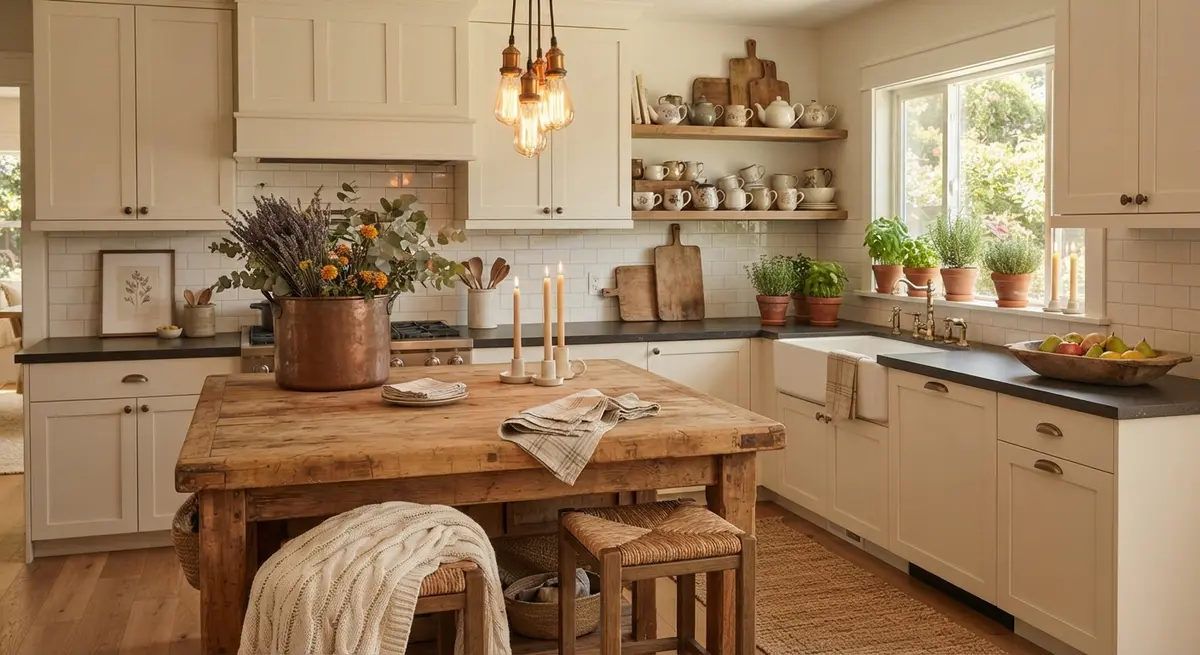
5 Cozy Decor Ideas to Make Your Kitchen Feel Like Home
The coziest kitchens aren't magazine spreads — they're layered light, soft textures, living green, good smells, and room to gather. These five ideas make any kitchen feel like home.
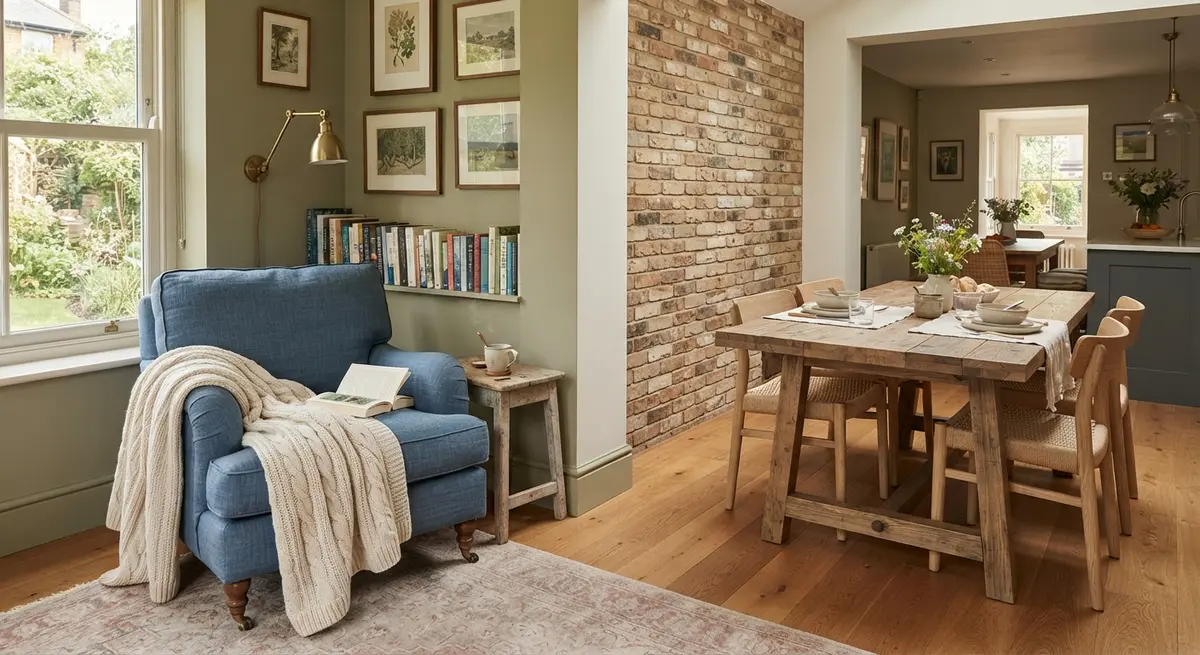
Creating a Cozy Reading Nook Right Next to Your Dining Area
Create a cozy reading nook beside your dining area without a redesign. Find the right corner, lighting, and chair for under $150.
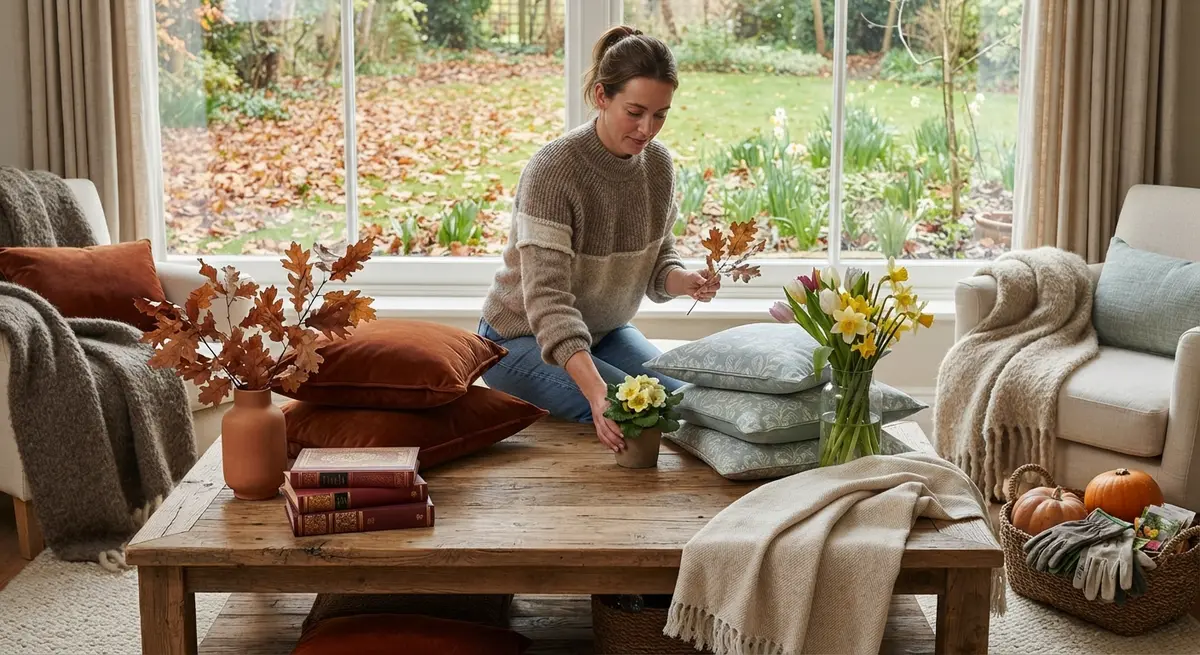
Creating a Seasonal Ritual: How to Refresh Your Living Space Every Spring & Fall
Refresh your living space every spring and fall with a simple two-day seasonal ritual. Rotate decor, deep-clean, and reset your home for under $50.
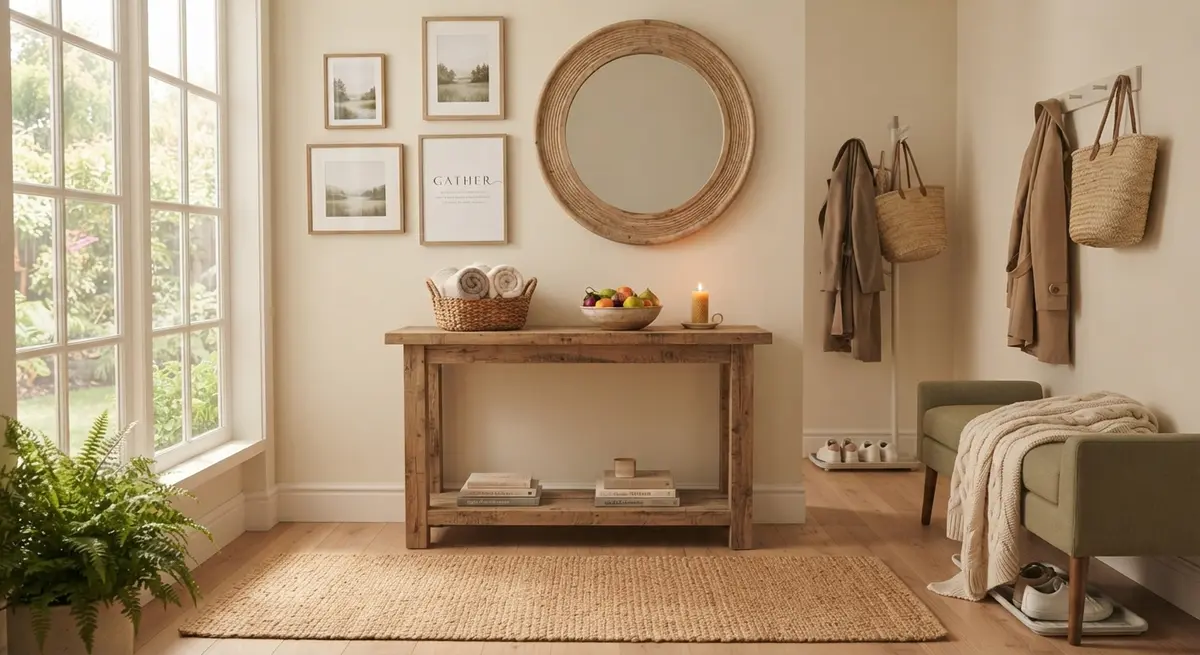
How to Create a Warm and Welcoming Entryway for Guests
Give guests a warm welcome with an entryway that works. Lighting, a catch-all tray, hooks, and scent make a small first impression that lasts.
About the Authors
This recipe and guide was developed, tested, and approved in our home kitchen and daily life. Jamy is a retired Food Service District Manager and Early Childhood Program Manager who spent his career overseeing multi-site restaurant operations, large-scale culinary production, and daycare menu management. Kaïna brings the ultimate real-world test: making sure it brings ease and joy to our kids on a busy weeknight.
Read more about our professional background and philosophy →