Mocktail Magic: Crafting Complex, Alcohol-Free Drinks for Guests
By the QuiteRecipes team (Jamy & Kaïna)
The best mocktails are built like cocktails — acid, sugar, bitter, and ritual. Here's the non-drinker's treat.
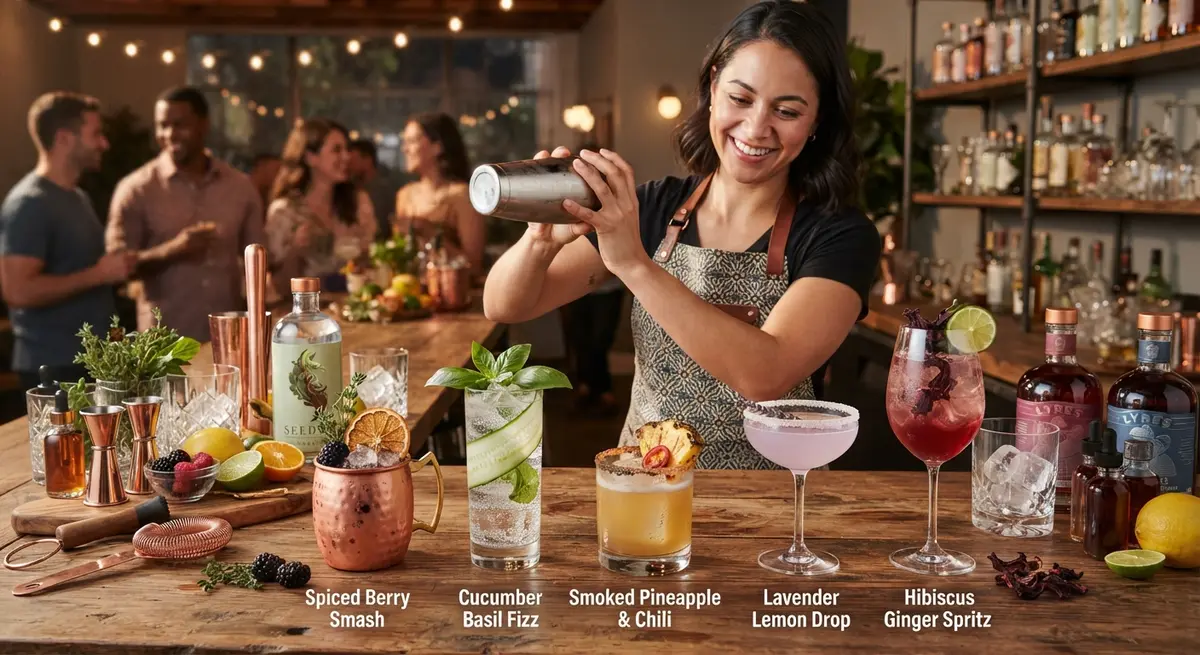
I once watched a pregnant friend at my dinner party nurse a glass of sparkling water with a sad wedge of lime while everyone else clinked pours, and I made a mental note to never let that happen again. The next party, I handed her a "spiced citrus fizz" I'd thrown together behind the counter — ginger syrup, fresh grapefruit, sparkling water, a splash of bitters — and she looked at me like I'd invented the wheel. Three guests asked for the same thing after that first round, alcohol drinkers included.
That's the whole secret: a great mocktail isn't a cocktail minus the alcohol. It's a drink engineered to be complex on its own — layered with acid, sugar, bitter, and texture — and served with the same ritual a cocktail gets. Show it the same respect, and no one feels like they lost the party lottery by not drinking.
Here's the system I use to keep a bottled-up, zero-proof bar that impresses sober and drinking guests alike.
Build Every Mocktail on the Flavor Equation
Forget recipes for a second and learn the four-part structure, and you can build any drink from what's in your pantry.
- Acid: fresh citrus juice is the workhorse — lemon, lime, grapefruit — because acid makes every other flavor stand up.
- Sweet: a simple syrup or honey balances the acid and gives body; you control the drink by how much you add.
- Bitter: a barspoon of bitters, a bitter aperitif-style syrup, or tonic water adds the grown-up depth that reads as "cocktail."
- Texture: carbonated water, a shaken froth, or an egg-white substitute gives the drink lift a flat pour never has.
Pro tip: If a mocktail tastes thin, it's almost never the liquor's fault — it's missing acid, salt, or a pinch of bitter. One squeeze of lemon fixes more flat drinks than any fancy bottle.
Stock a Ten-Dollar Zero-Proof Bar
You don't need six alcohol-free bottles to start; you need a few transforming agents.
- Simple syrup (make it at home: one part sugar, one part water, simmered for five minutes — about $1 for a big batch).
- Fresh citrus, a few bitters (bitters are alcohol-based but a few drops per glass serve the flavor), and tonic water.
- One or two alcohol-free "spirit" bottles — a zero-proof gin or aperitif — once you know you'll host regularly.
- Good ice, a shaker, and one glass each of highball, coupe, and rocks glasses; ritual is half the magic.
Pro tip: Make three flavored syrups in advance — ginger, rosemary, and vanilla — and you can build a different complex mocktail every week for a month without buying anything else.
Batch It for the Crowd
Hosts love mocktails in theory and abandon them in practice because no one wants to shake drinks all night. Batch instead.
- Mix a pitcher of the drink's pre-carbonation base — juice, syrup, bitters — and chill it; add the fizz per glass so it keeps its sparkle.
- A single batch formula serves about eight drinks in a large pitcher; scale by making two pitchers of different flavors so guests self-select.
- Keep a carafe of cold water and a small bowl of garnishes (citrus wheels, cucumber, mint) at the station so guests assemble their own final touch.
The Glass and the Ritual Matter
A mocktail in a wine glass with a garnish is a different drink from the same thing in a cracked mug.
- Tall, ice-filled glasses for fizz-based drinks; coupes for anything shaken and served up; copper or lowball for the spirit-forward ones.
- One deliberate garnish — a twist, a ribbon of cucumber, a sage leaf — communicates care in two seconds.
- Serve the first round yourself, glass in hand, with a name ("try the garden fizz"); naming a drink is half of making it feel like a treat.
The Three Mocktails I Actually Serve
Concrete beats abstract, so here are the three I lean on, all pantry-friendly.
- Citrus Fizz: 2 oz grapefruit juice, 1/2 oz ginger syrup, 3 drops orange bitters, topped with sparkling water and a grapefruit twist.
- Garden Spritz: 1 oz zero-proof gin or dry vermouth-style syrup, 1/2 oz rosemary syrup, tonic water, and a cucumber ribbon over ice.
- Coffee Cola: cold brew, a splash of vanilla syrup, and sparkling water in a highball with an orange peel — proof that mocktails span more than citrus season.
Pro tip: Taste twice. A cold drink tastes half as sweet as a warm one, so season the batch while it's actually cold — that's the single most common mocktail mistake, and the easiest to avoid.
FAQ
Do mocktails need special fancy equipment?
No — a shaker, a citrus press, and good ice will carry you, and all three are cheap to find. The glassware adds the ceremony, so spend on two or three good glasses rather than a shelf of gadgets you'll use once.
What should I serve for a guest who doesn't drink but wants to toast?
The same answer as everyone else, with an upgrade: a well-built, named mocktail in a proper glass, handed over with the same flourish you'd give a pour of wine. The toast is about inclusion, not about the contents of the glass.
How do I make mocktails busy enough for a party without being a bar?
Batch the base and let guests finish with a sparkle and a garnish. Two or three flavors on a small station — base, fizz, garnishes — hands guests the ritual of choice without chaining you to the counter all night.
Can I use alcohol-free bottled spirits interchangeably with the real thing?
Approximately. Zero-proof spirits replace some of the "cocktail body," but they lack the heat and evaporation that make drinks pop, so lean a little harder on acid and bitters than you would with alcohol, and don't expect an identical flavor.
What's a good budget to set up a mocktail bar?
About $20 to $25 covers simple syrup, a few juices, tonic, bitters, garnishes, and a couple of nice glasses. Add one zero-proof spirit bottle at $15–$25 if you're hosting regularly. It's cheaper to maintain than most wine habits.
Key Takeaways
- Build every mocktail from the flavor equation: acid, sweet, bitter, and texture — never just "juice plus fizz."
- Stock a ten-dollar transforming bar: simple syrup, citrus, bitters, tonic, and good ice.
- Make three syrup flavors ahead and you can riff a new complex drink every week for a month.
- Batch the base and add fizz per glass so the party pours itself from the fridge.
- Serve in proper glassware with one deliberate garnish and a name — ritual is half the experience.
- Remember the sober guests and the drinking ones equally; a first-class mocktail is inclusion you can taste.
A Final Word
The greatest trick in non-alcoholic hosting is that you don't have to fake anything. Give a well-built, slightly bitter, beautifully garnished drink the same care you'd give a pour of something rare, and the person holding it stops feeling like the one who's left out and starts feeling like the one who got the good stuff. My pregnant friend got a second round that night, and so did the guy who hated beer and the woman on antibiotics. Nobody left the party early because there was nothing to drink, and that, more than any recipe, is the real mocktail magic.
Published on 2026-08-13 by the QuiteRecipes team (Jamy & Kaïna).
Related Articles
5 Simple Ways to Be a More Gracious and Relaxed Dinner Host
Gracious hosting isn't about fancy food. It's five repeatable habits that calm the room — and you.
How to Create the Perfect Outdoor Dining Space in Your Backyard
A great outdoor dining space needs shade, light, and a table that works. Here's a practical plan to build one on any backyard budget.
How to Curate the Perfect Dinner Party Playlist for Any Vibe
The dinner party playlist is a hosting skill. Learn volume math, tempo curves, and a no-fail structure.
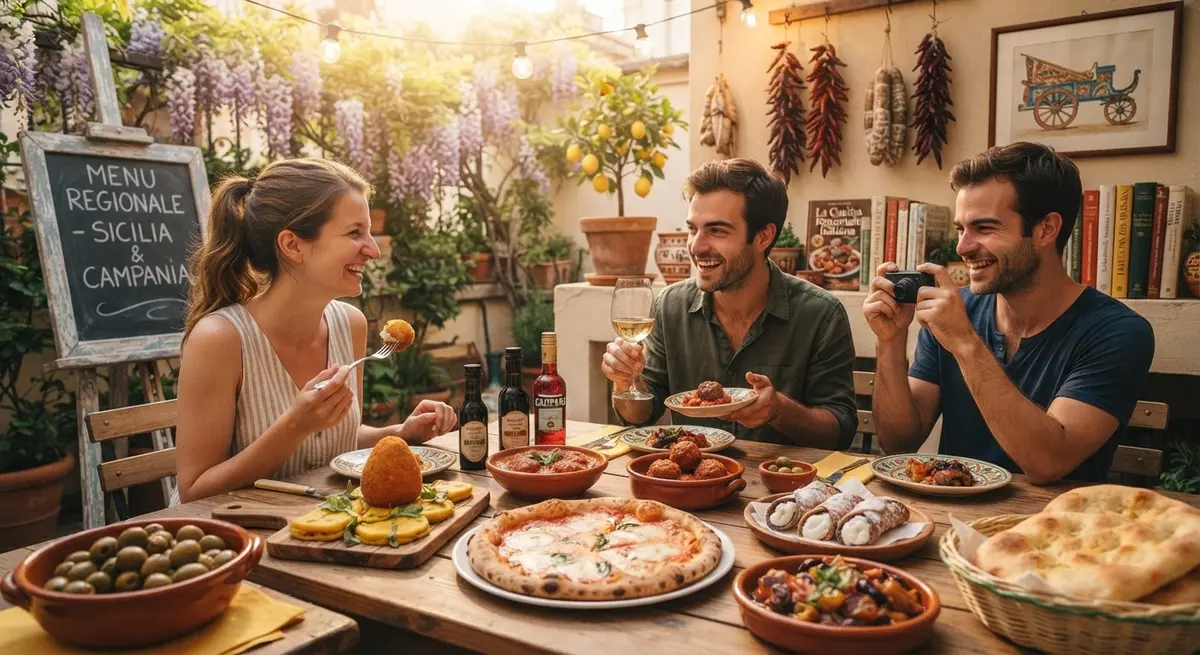
How to Host a Regional Food Night: A Culinary Trip to Italy
Bring Tuscany or Sicily to your dining room. Here is how to host a regional Italian food night with a real menu, course order, and sourcing.
About the Authors
This recipe and guide was developed, tested, and approved in our home kitchen and daily life. Jamy is a retired Food Service District Manager and Early Childhood Program Manager who spent his career overseeing multi-site restaurant operations, large-scale culinary production, and daycare menu management. Kaïna brings the ultimate real-world test: making sure it brings ease and joy to our kids on a busy weeknight.
Read more about our professional background and philosophy →