Game Night Snacks & Setup: How to Be the Ultimate Host
By the QuiteRecipes team (Jamy & Kaïna)
Game night lives or dies on its snacks. A host's guide to hands-free food, smart setup, and friendly rules.
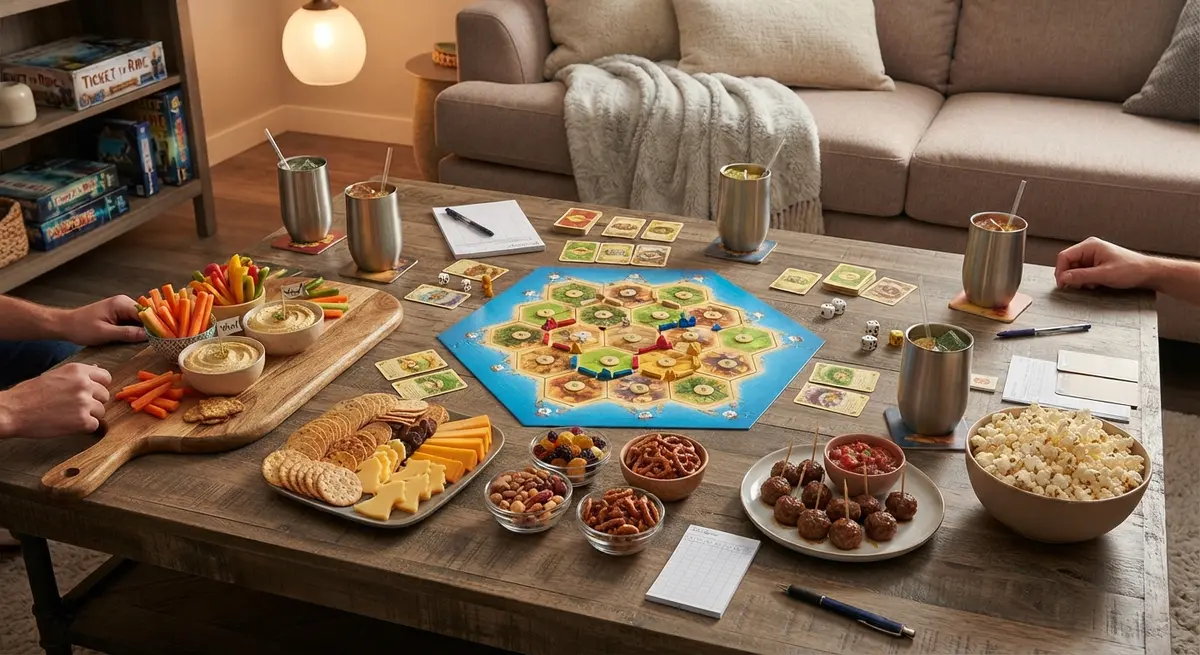
I once hosted a game night that died at eleven o'clock for no other reason than a bowl of greasy chips. Every person at the table had one hand holding cards and the other reaching into a shared bowl of nacho-cheese chips, and by round three half the cards in play had orange fingerprint smudges. A guest made a joke about "playing with the cards the way they were printed," and something about the sticky, salty awkwardness quietly drained the night. It wasn't the game, and it wasn't the company. It was the food being one-handed in all the wrong ways.
That night sent me down a small rabbit hole of designing snack tables around the actual physics of playing: food that can be eaten with one clean hand, doesn't grease the cards, and never makes anyone leave the table mid-round to wash up. Game night's food isn't just fuel — it's part of the game.
Here's everything I've learned since, from the snack strategy to the seating and the rules that keep a room playing past the point where anyone meant to leave.
Design a Self-Serve Snack Table With Purpose
The snack table should work without you, at arm's length from the action.
- A side table a step from the play surface beats a kitchen counter three rooms away; standing to refill is how rounds get interrupted.
- Provide plates and small napkins at the table, not hidden in a drawer; the "no plate" habit is how greasy fingers happen.
- Give snacks their own zone so cards, controllers, and crumbs never share a surface.
Pro tip: A small wastebin or paper bag right beside the table is the unsung hero — husks, stems, and napkins disappear from the play surface mid-round instead of piling up where someone's elbow lands.
Pick Snacks Built for One Clean Hand
Every snack earns its place based on one question: can a guest eat it without a break in play and without transferring grease to the cards?
- Roasted chickpeas, popcorn (not the microwaved-butter kind), roasted nuts, and pretzel sticks are the gold standard — crunchy, dry, and one-hand safe.
- Raw vegetable sticks with a small pot of dip on the side read as a classy counter to the salt.
- Avoid anything greasy, saucy, or sticky: wings, nacho cheese, saucy fingers, and everything-dusted chips are the classic culprits that smudge the game.
Pro tip: Lay a strip of parchment under the snack bowls. It keeps the table edge clean, sweeps away in seconds, and means you never scrub dried dip off a game box again.
Have One Hot Dish (Timed to the Halfway Mark)
A fully cold spread can feel lean; a single hot, hands-safe dish adds a salvation moment to the night.
- Serve one tray of baked things — pizza rolls, mini quiches, meatballs on sticks, or a sheet-pan of stuffed mushrooms — timed to come out at the natural halftime.
- Put the hot tray on a folded trivet at the snack table, pre-split onto small plates, so nobody juggles a knife and a losing hand.
- Time it to the game, not the clock: it's the refuel for the second wind, usually an hour in.
Seat the Room for Maximum Play
Seating decides whether a game night is a roaring success or a series of text-message notifications.
- Choose a table where everyone fits without elbowing, and put the game within easy reach of every seat — nothing kills flow like the "can you slide me the board" two-step.
- Good playing light matters: bright, warm, glare-free light on the table, with the dim switch saved for the dessert phase.
- Put the introvert-friendly guest beside the casual chatterer, not the intense strategist, and let couples split up so the table stays lively.
Pro tip: Keep the whole setup to a game night tolerance — everyone within arm's reach of drinks and snacks. The moment a player has to stand to reach anything, someone's about to "just check their phone."
Choose Games by the Room, Not by Your Shelf
The best games for entertaining are the ones nobody has to retire to the reading chair over.
- Start warm and fast — a party game that takes two minutes to explain — then graduate to something brainier when the table's comfortable.
- Keep three tiers ready: a party game, a strategy or co-op game, and a quick filler for between courses.
- Learn the rules of every game cold before the night; the host who can teach without reading the manual is worth more than any good snack.
Pro tip: End the night on a short, silly game rather than the longest one still on the table. Winners feel glorious and the evening closes on laughter instead of a forty-minute cleanup of a half-finished epic.
FAQ
What snacks are truly mess-free for game night?
Dry, one-hand-safe foods: roasted chickpeas, plain popcorn, pretzels, salted nuts, and raw vegetables with dip on the side. Avoid anything oily or sticky — greasy hands are the number-one game-night killer, and sauce-free food keeps the cards, controllers, and table clean all night.
How many people work best for a game night?
Four to six is the magic zone for most board and party games, keeping every player engaged without the table breaking into side conversations. Six to eight works for team-based or party-style games; beyond eight, split into two tables so nobody waits through three turns.
Should I serve a full meal or just snacks?
Snacks are the format, but one hot hands-safe dish at the halfway mark prevents the 9 p.m. energy crash and makes the night feel hosted rather than merely stocked. Skip a full seated dinner — the meal interrupts the momentum, and the whole point is staying at the table.
How do I avoid gluten allergies or other dietary issues?
Cover the basics without breaking the flow: keep one gluten-free cracker or pretzel option on the table, one nut-free option, and label dishes with any obvious allergen. Ask politely in the invitation ("anything I should avoid?") and the guests with restrictions will feel seen, not singled out.
How long should a game night actually last?
Aim for three to four hours of game time — enough for a real arc of games without turning into a slog. Plan one fast opener, one meaty centerpiece, and one short closer, then let the strong cue toward coffee and the door. You want guests leaving on a peak, not on fatigue.
Key Takeaways
- Position the snack table within arm's reach of the play surface, with plates, napkins, and a small wastebin at the table.
- Choose one-hand-safe, non-greasy snacks — roasted chickpeas, pretzels, nuts, popcorn, veggie sticks — and a dry parchment strip under the bowls.
- Time one hot, hands-safe dish to the natural halfway mark for the evening's second wind.
- Seat everyone within reach of the game, light the table well, and pair guests to keep conversation lively.
- Keep three tiers of games ready, teach every rule cold, and close the night on a short, silly game.
- Plan for three to four hours and three arc-shaped games, and send everyone home happy on the peak.
A Final Word
That greasy-chips game night taught me that hosting is design, and game night is the purest version of it: everything arranged so the room just plays itself. When the snacks are one-hand safe, the table is lit and reachable, the hot food arrives like a timer on the fun, and the games are chosen to match the mood, you barely have to host at all. You'll find yourself learning the rules of a game you've never played, because the night has finally run out of problems for you to solve. That's the exact moment it becomes the best game night of the year.
Published on 2026-08-13 by the QuiteRecipes team (Jamy & Kaïna).
Related Articles
5 Simple Ways to Be a More Gracious and Relaxed Dinner Host
Gracious hosting isn't about fancy food. It's five repeatable habits that calm the room — and you.
How to Curate the Perfect Dinner Party Playlist for Any Vibe
The dinner party playlist is a hosting skill. Learn volume math, tempo curves, and a no-fail structure.
How to Pair Wine with Dinner When You're Not a Sommelier
Wine pairing isn't rocket science. Learn the three simple matches that work for home dinners.
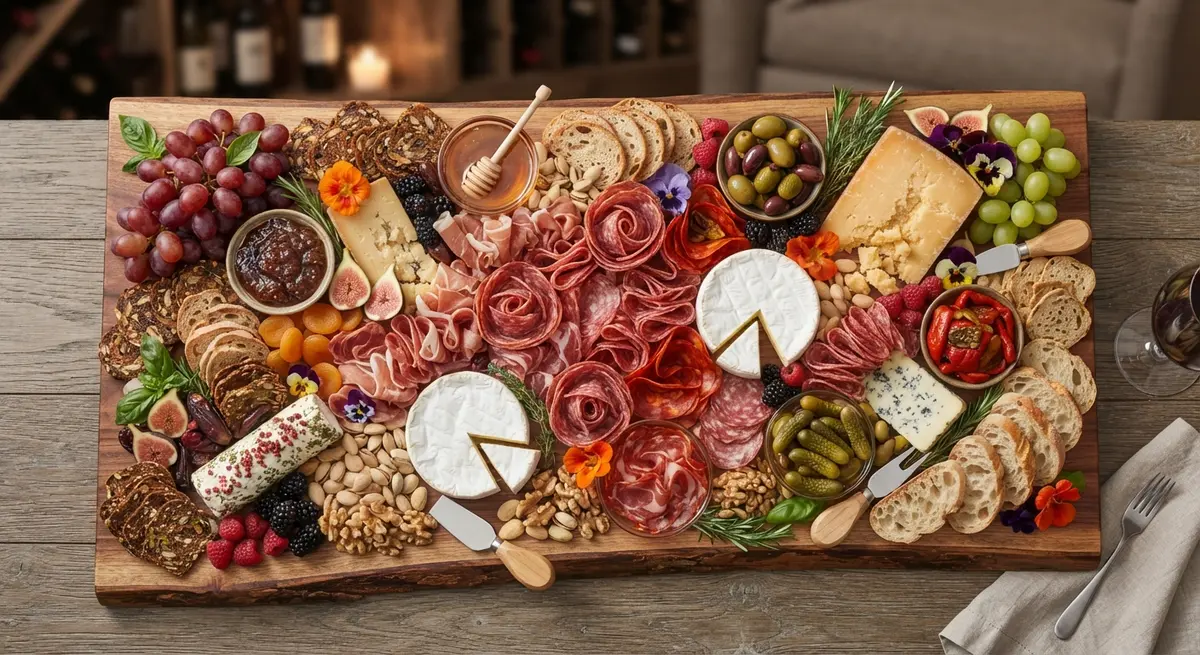
The Art of Charcuterie: How to Build a Show-Stopping Board Every Time
Charcuterie is about structure, not stuffing the board. Here's the ratio-based system pros use.
About the Authors
This recipe and guide was developed, tested, and approved in our home kitchen and daily life. Jamy is a retired Food Service District Manager and Early Childhood Program Manager who spent his career overseeing multi-site restaurant operations, large-scale culinary production, and daycare menu management. Kaïna brings the ultimate real-world test: making sure it brings ease and joy to our kids on a busy weeknight.
Read more about our professional background and philosophy →