Cast Iron, Stainless, or Nonstick: Which Pans Do You Need?
By the QuiteRecipes team (Jamy & Kaïna)
Cast iron, stainless steel, or nonstick? The answer is usually 'two of them.' Here's the honest breakdown of what each pan does best, what to skip, and the starter set that covers 90% of cooking.
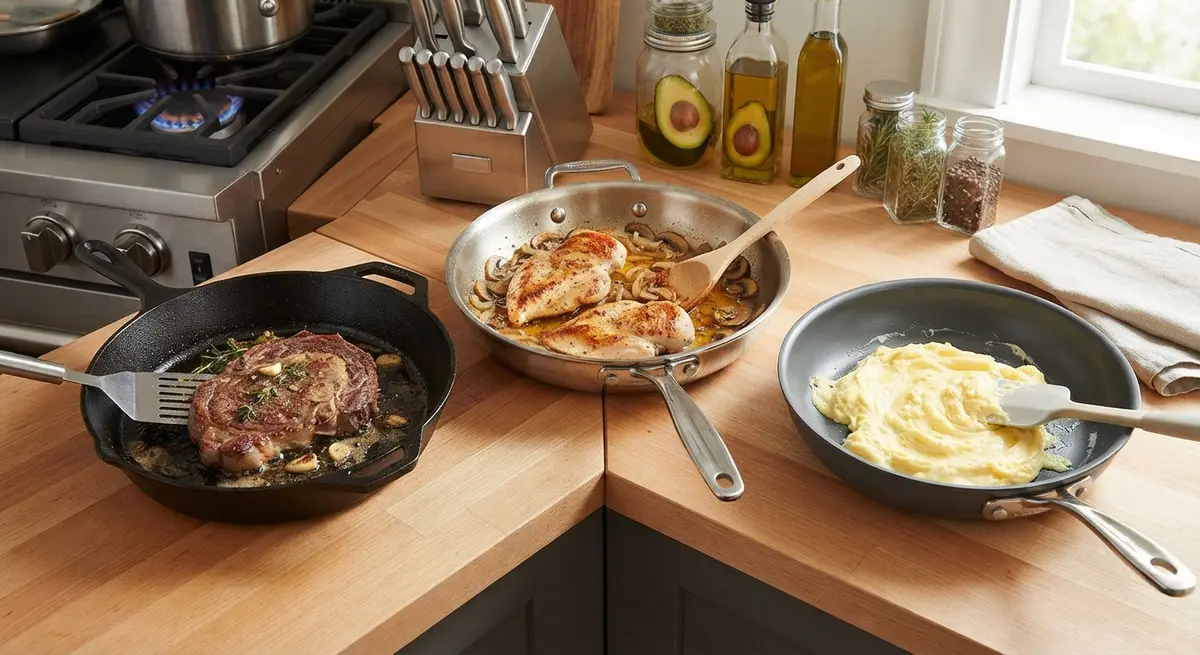
When I first outfitted a kitchen from scratch, I bought one of everything that looked "essential" on a listicle: nonstick, stainless steel, cast iron, carbon steel, a griddle, an egg pan, a crepe pan I have never once used. Two years later I cooked almost exclusively with three pans, and the other nine sat on a shelf like a museum of my indecision.
Here's the truth the entire cookware industry would prefer I didn't tell you: you do not need a collection. You need a system. And understanding cast iron, stainless steel, and nonstick is understanding a system where each material has a specific job and a specific weakness.
This guide is my honest, experienced breakdown of the three — how they behave, how much they cost, what each is genuinely best at, what it's secretly bad at, and exactly which pans to buy if you want to stop thinking about pans forever.
The Three Materials at a Glance
Let me answer the core question up front, then we'll dig into each.
- Cast iron is the workhorse: brilliant searing, oven versatility, and a surface that gets better with age. Heavy, needs seasoning, dull at acidic foods.
- Stainless steel is the professional standard: even heat, great fond and pan sauces, dishwasher-friendly in most cases. It sticks if you use it wrong, which is why beginners fear it.
- Nonstick is the specialist: effortless eggs, delicate fish, and low-fat cooking. It's the only truly easy pan — and the most fragile, with a coating that breaks down over time.
The honest framing: none of these is "the best." Each one wins a category, and a great kitchen owns at least two of them.
Cast Iron: The Generational Workhorse
What it's actually great at
- Searing — steak, chicken thighs, burgers. Cast iron holds ferocious heat and creates a crust stainless only wishes it could match under the same heat.
- Oven-to-table versatility — skillet cornbread, frittatas, biscuits, whole roasted chicken. It goes from stovetop to 230°C oven and back, fearlessly.
- Durability — with any normal care, a cast iron pan is genuinely hereditary. Mine is older than I am and cooks better every year.
- Cost — a quality 25-centimeter cast iron skillet costs a fraction of a comparable stainless pan, and it never needs replacing.
What it's secretly bad at
- Acidic foods — tomatoes, wine, citrus. Long simmering can strip the seasoning and add a metallic tinge.
- Breakfast eggs — unless the seasoning is pristine, eggs will laugh at your cast iron.
- Weight and heat control — it's heavy, heats slowly, and cools slowly. Beginners often scorch the first batch.
Cost in practice
$25–$60 for a solid skillet. An absolute bargain that lasts decades.
Stainless Steel: The Professional Workhorse
What it's actually great at
- Even, responsive heat — layered stainless (with an aluminum core) heats evenly and responds quickly to temperature changes. This is the pan for control.
- The fond — the browned bits left after searing become the base of pan sauces, risotto, and stews. Stainless builds fond brilliantly, and it doesn't dissolve into food the way a nonstick does.
- Acidic foods — unlike cast iron, stainless handles tomatoes, wine, and citrus for any length of time, with no metallic off-flavor.
- Low maintenance — most stainless is dishwasher safe and doesn't need seasoning. It shrugs off knives and metal utensils.
What it's secretly bad at
- Raw eggs — without fat and the right technique, eggs stick hard.
- Any delicate, low-fat protein — until you learn the "stick-then-release" trick, chicken breasts can weld themselves to the surface.
- Cost — good stainless is the priciest of the three. A solid 28-centimeter skillet runs $80–$180.
The one technique that unlocks it
Heat the pan before adding oil. The drop-of-water test: flick a drop in a dry, preheated pan; if it beads and skates like mercury, it's ready. Then add oil and food. This single habit turns a "sticky" pan into the most versatile tool you own.
The honest truth: stainless steel is the pan most home cooks avoid and most professional cooks won't live without. It rewards one ten-minute lesson.
Nonstick: The Delicate Specialist
What it's actually great at
- Eggs — fried, scrambled, omelets, the tasks where coating is everything.
- Delicate fish — sole, halibut, skinless fillets that would tear under a spatula.
- Low-fat cooking — you can cook with barely any oil, without sacrificing the slide.
- Ease — it's the "I'm tired" pan. No preheating ritual, no sticking, no technique.
What it's secretly bad at
- High heat — most nonstick coatings degrade above 250°C. Cooking a screaming-hot sear will damage it.
- Metal utensils — spatulas and tongs scratch the coating, and once scratched, the pan is compromised.
- Dishwashers — the heat and detergents age the coating fast.
- Lifespan — even with perfect care, a nonstick pan's coating degrades in a few years. It is expressly not hereditary.
Cost in practice
$30–$70 for a good one. Treat it as a 2–3 year consumable, not an heirloom.
My warning: never use nonstick for that raging-hot sear. It's not a deficiency of the pan — it's asking a specialist to do a generalist's job.
What to Buy: The Starter Set That Covers Everything
You're not trying to own "a pan per recipe." You're trying to own "three pans that cover 90% of cooking."
- A 25–28 cm cast iron skillet — for steaks, burgers, oven bakes, and generational durability. ~$35.
- A 26–28 cm stainless steel skillet — for pan sauces, acidic cooks, vegetables, and any high-heat job without sticking drama. ~$100.
- A 20–22 cm nonstick fry pan — for eggs, delicate fish, and the nights you need easy. ~$40.
That's the whole set. Add a stockpot and a saucepan and you've covered nearly every meal in Western home cooking.
When Cast Iron Wins, and When It Doesn't
Ask: do I need a crust, an oven finish, or a skillet that lasts generations? → Cast iron.
Ask: am I cooking acidic or saucy food, and do I want easy cleanup? → Stainless.
Ask: do I want effortless eggs and delicate proteins, with lower heat? → Nonstick.
Most weeknight dinners are a mix, which is why owning two good pans beats owning one "best" pan.
The "Just Three Pans" Kitchen (and the Four-Pan Upgrade)
A minimalist pan drawer the chefs actually respect:
- Pan #1: a 30cm stainless skillet — the searer, the deglazer, the workhorse, the one that takes the rack.
- Pan #2: a 25cm nonstick skillet or one great small pan — eggs, crepes, delicate fish, rice-stick dishes. This pan gets the silicone tools and the lowest available heat; it's a specialist, not a soldier.
- Pan #3: a stainless or cast-iron pot or sauté pan — soups, braises, pasta tosses, big batches. It holds a quart and a system.
If you buy one more, make it a cast-iron skillet for the oven — cornbread, deep-dish proportions, or the side of recommended poultry. But three truly well-made pans beat twenty cabinet-cloggers.
The Cost Logic: Pay for the Pan's Worst Job
Everyone wins when the pan matches the decade it's likely to survive.
- Nonstick is consumable — every nonstick pan on earth dies in 2–5 years. Paying €150 for a nonstick you'll retire in three years is a rent, not an investment. Buy a good, honest mid-price nonstick and replace it on schedule.
- Stainless is generational — a quality stainless skillet outlives your kitchen; buy it once, cry once, keep it forever.
- Cast iron is heirloom — a seasoned skillet improves across decades and sometimes marriages; it's the pan to buy cheap, clean, and swear by.
The cost logic tells the truth: spend once on the pans that last, spend modestly on the ones that won't, and never confuse the two budgets.
Troubleshooting: Why That Dish Stuck (and It's Not the Pan's Fault)
Most "my pan is ruined" problems are heat problems, not pan problems:
- New stainless pan? More heat, more patience — the Leidenfrost effect needs the pan hot before oil. Patience with the dry-sear trick fixes 90% of sticking.
- New cast iron that stains and sticks? The seasoning isn't built yet; it needs fat and dry heat to lay down its first layers. Two months of devotion will reward you; two weeks of doubt will not.
- Nonstick that's shedding at the edges? That's a retirement notice. Flaking is the one true end-of-life signal — replace, don't keep eating it.
- Sauce that won't release? Lower the heat and deglaze instead of raging. The fond was food, not failure.
Every dish that "sticks" is a feedback loop — and once you know the heat math, the pan was never the problem.
FAQ
Is cast iron actually too heavy for daily use?
For many people, partly. A 25 cm cast iron skillet weighs 2.5–3.5 kg empty. If wrist weight matters, consider a lighter carbon steel pan instead — similar searing, half the weight, and it also builds a seasoning over time.
Can I wash cast iron with soap?
Yes — modern wisdom says so. Soap won't destroy a well-seasoned pan; only excessive scrubbing and rust will. The old "never soap" advice predates modern gentle soaps. Just dry it thoroughly (put it back on the heat for a minute) and re-oil lightly.
Does nonstick ever need to be replaced?
Yes, and you should. Scratched or flaking nonstick should be retired — the coating deteriorates. A good rule of thumb: when eggs start sticking on a pan where they used to slide, it's done.
What's better for cooking most nights?
For the home cook's 80% of meals, stainless steel is the everyday answer — it's versatile, low-maintenance, and handles acids and sauces. Cast iron is the specialist for crusts. Nonstick is the specialist for eggs and fish.
Why does stainless steal stick and what do I do?
It's not sticking — it's thermal bonding. Preheat properly, add oil, and the food will release when it's ready (about the time it develops a golden crust). Poke it before it's ready and you'll tear it. Patience is the unlock.
Key Takeaways
- Cast iron: crusts, oven work, durability, and the lowest cost — but skittish with acid and heavy.
- Stainless steel: control, fond, sauces, and low maintenance — the pro's every day, but it needs preheating technique.
- Nonstick: eggs, delicate fish, and effortlessness — fragile, short-lived, and not for high heat.
- Buy three pans, not a set of "everything."
- If you skip one, skip nonstick first — stainless with technique handles most of what you'll need.
A Final Word
I still own eleven pans. I cook with three. My advice is to skip the decade of collecting and the nine unused pans, and start with the three that matter. Buy a good cast iron, a good stainless skillet, and a modest nonstick. Learn each one's one job. Then buy anything else only when a specific dish genuinely demands it — and trust me, remarkably few will. Your drawer, your budget, and your shoulders will all thank you.
Published on 2026-08-13 by the QuiteRecipes team (Jamy & Kaïna).
Related Articles
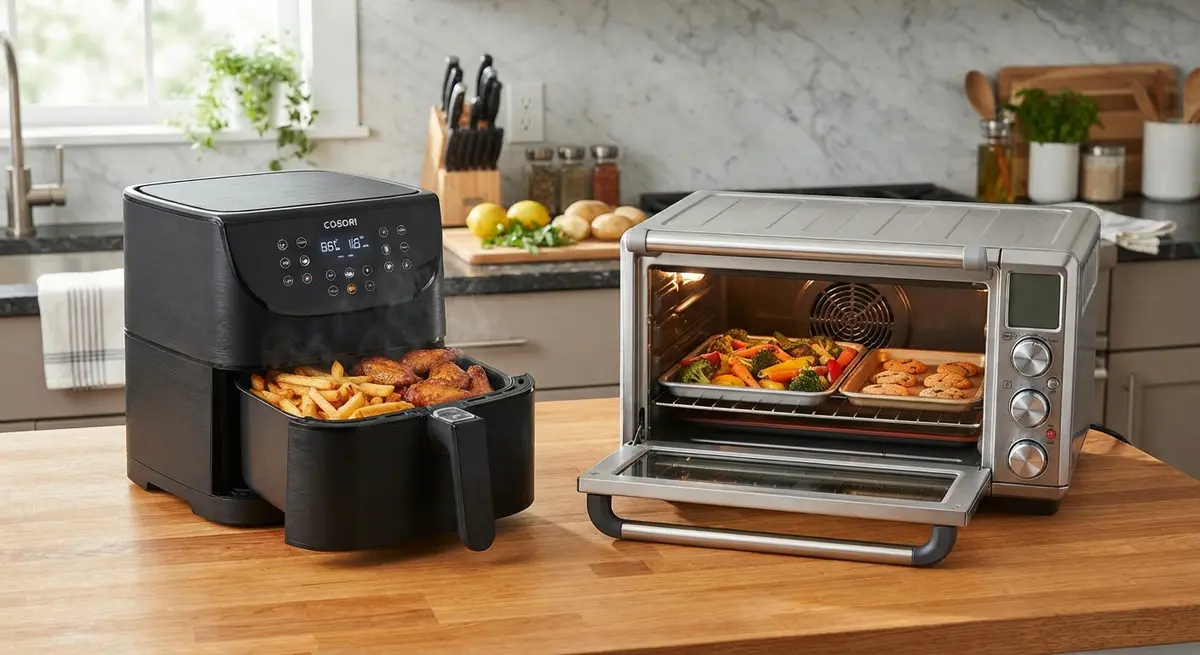
Air Fryer vs. Convection Oven: Which Earns Its Space?
An air fryer is a small convection oven with a built-in fan — but the differences matter. Compare speed, crispiness, capacity, energy, and price to decide what earns your counter.
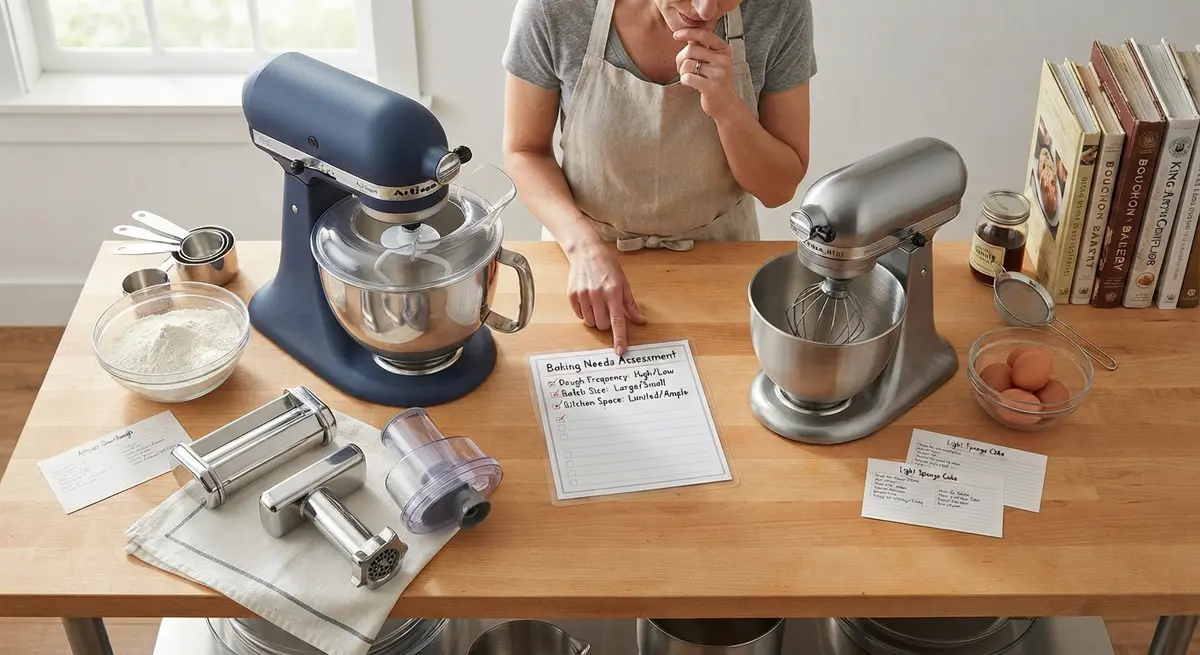
How to Choose the Right Stand Mixer for Your Baking Needs
The right stand mixer survives decades of baking — the wrong one collects dust. This guide cuts through the specs: capacity, bowl, power, attachments, and the decision rule for your kitchen.
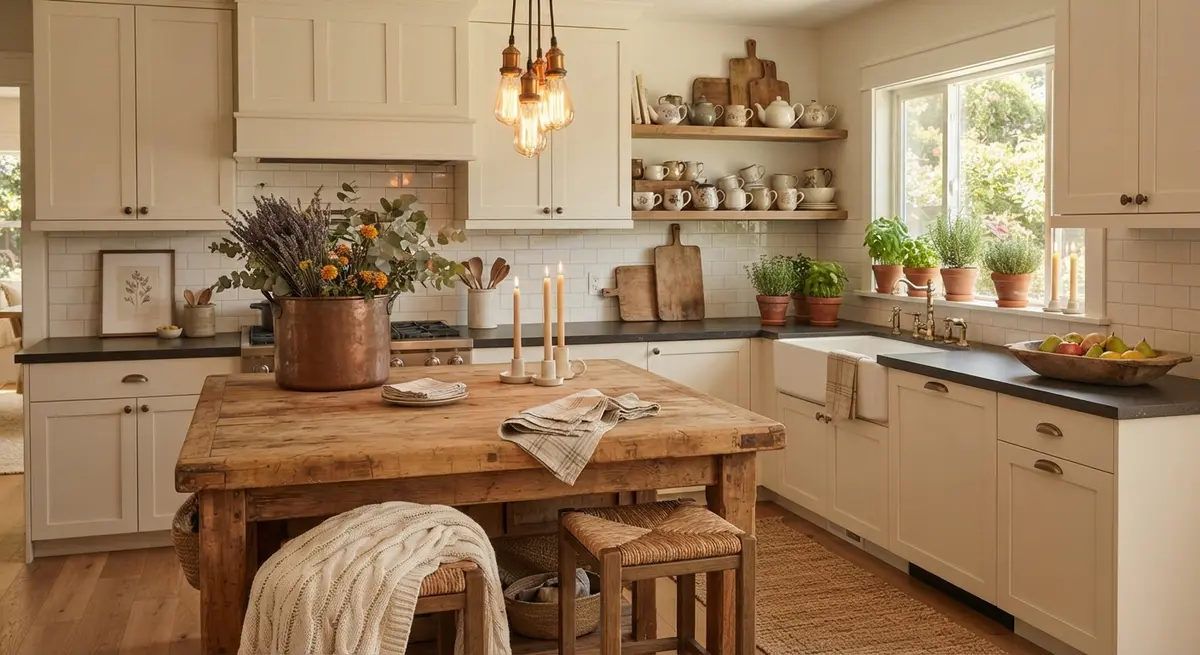
5 Cozy Decor Ideas to Make Your Kitchen Feel Like Home
The coziest kitchens aren't magazine spreads — they're layered light, soft textures, living green, good smells, and room to gather. These five ideas make any kitchen feel like home.
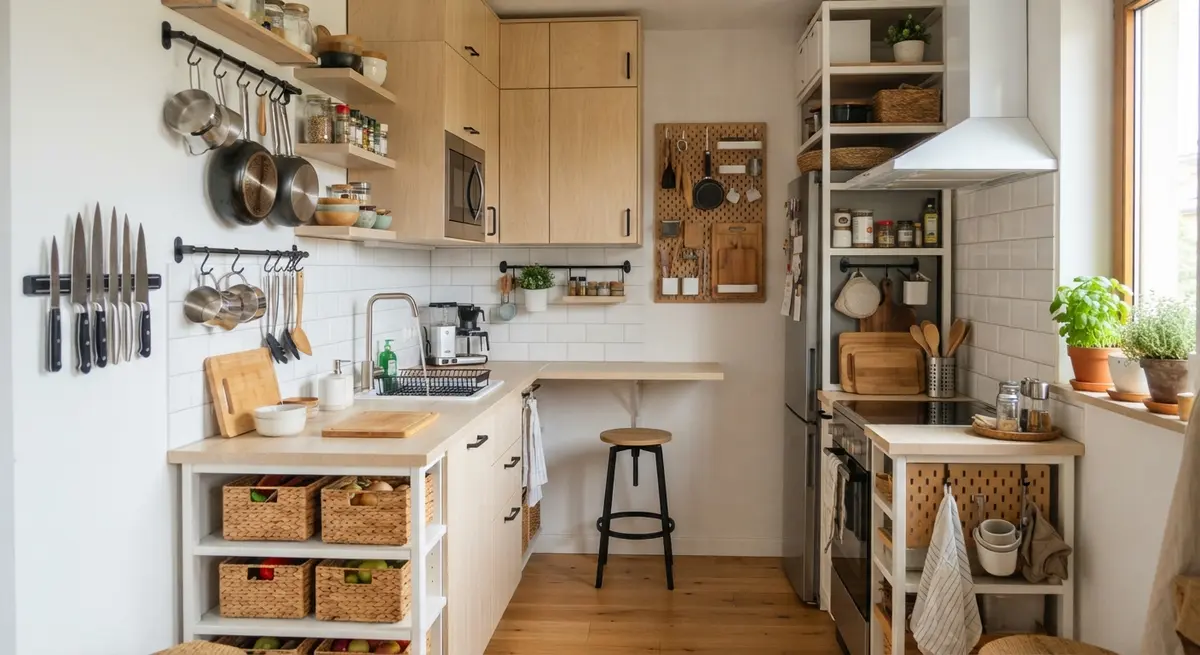
7 Simple Space-Saving Hacks for Small Kitchens
A tiny kitchen can still feel open and work beautifully. These seven hacks — from vertical storage to multitasking tools — double your usable space without a renovation.
About the Authors
This recipe and guide was developed, tested, and approved in our home kitchen and daily life. Jamy is a retired Food Service District Manager and Early Childhood Program Manager who spent his career overseeing multi-site restaurant operations, large-scale culinary production, and daycare menu management. Kaïna brings the ultimate real-world test: making sure it brings ease and joy to our kids on a busy weeknight.
Read more about our professional background and philosophy →