Paprika: Flavor Profile, Health Benefits & Culinary Uses
By the QuiteRecipes team (Jamy & Kaïna)
Sweet, hot, or smoked — paprika is the warm, forgiving spice that turns plain rice and eggs into dishes people ask about. Here is the how and why.
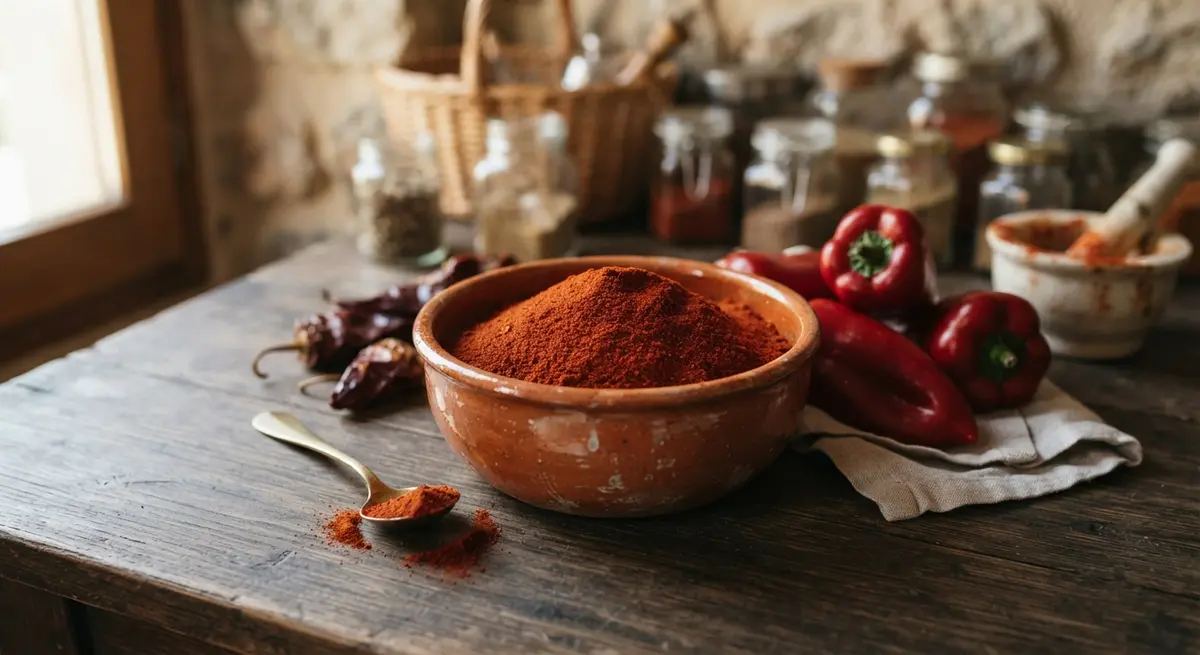
Paprika is ground, dried peppers, and that simple description hides the range hiding in a single word. Sweet paprika uses mild, fleshy red peppers and is barely spicy. Hot paprika adds pungent varieties for warmth. Smoked paprika — the Spanish pimentón — starts with peppers dried over smoldering oak fires until they drink in the smoke. Same stone, three very different grinders.
The jars confuse people at first, but the rule is easy: sweet paprika for color and warmth, hot paprika when you want the heat, smoked paprika when you want to taste a campfire. Once you sort that out, paprika quietly becomes the most forgiving spice in your cabinet.
Flavor Profile & Notes
Sweet paprika is warm, fruity, and gently sweet, with a deep red color that reddens whatever it touches. Hot paprika tastes like sweet paprika with a polite kick at the end. Smoked paprika is the crowd favorite: sweet pepper and clean woodsmoke in one, closer to a trip to a barbecue than a spice jar. All three are sensitive to heat — paprika scorches into a bitter red-brown mess faster than almost anything, so add it toward the end of cooking or in oil over low heat. If it ever tastes metallic and burnt, you let it go too far.
Health Benefits & Nutrition
Paprika is packed with provitamin A from Beta-carotene and a meaningful dose of vitamin E for a dried spice. Its vivid red color comes from capsanthin, a carotenoid antioxidant that gives the pepper its health niche. All this arrives for almost no calories, which makes paprika one of the cheapest health upgrades in the pantry — half a teaspoon in rice, eggs, or soup does double duty. As always, treat it as food, not medicine.
Best Culinary Pairings
Paprika's head is Hungarian goulash and chicken paprikash, where it turns broth a deep rust red. Smoked paprika does the heavy lifting in paella, chorizo-spiced anything, and potato wedges roasted with garlic and olive oil. Sprinkle sweet paprika over deviled eggs, stir it into softened butter for grilled corn, or dust it across hummus for a garnish that earns its keep. Half a teaspoon in plain rice is the party trick that makes people ask what you did.
Quick Substitutes
Out of sweet paprika, go with a mild chili powder or a mix of cayenne's heat with a pinch of sugar for the color and warmth — not identical, but close. For smoked paprika, start with sweet paprika plus a drop or two of liquid smoke. If the recipe only needs color and nearly no flavor, a pinch of turmeric gives the tint without the pepper. Taste the dish after each swap and adjust salt, since paprika brings sweetness you will lose.
FAQ / Quick Facts
- Which kind should I buy? Sweet first, smoked second, hot if you cook a lot of Hungarian and Spanish food.
- Why does paprika burn? The natural sugars toast fast; keep heat low and add it late or bloom in oil.
- Know your spice: Solanaceae family; sweet, hot, or smoked ground pepper; a pillar of Hungarian, Spanish, and Portuguese cooking.
Related Articles
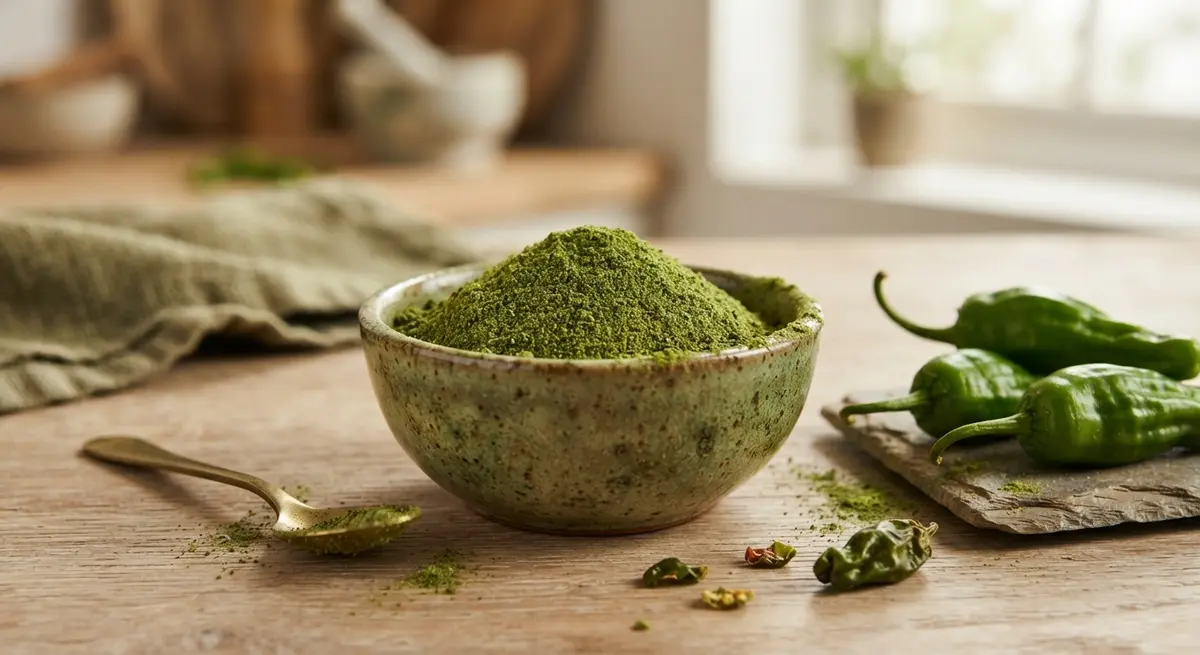
Padrón Pepper Powder: Flavor Profile, Health Benefits & Culinary Uses
Padrón powder is the dried, ground version of Spain's famous little green peppers: sweet-smoky, grassy, and friendly, with a light heat that never steals the plate.
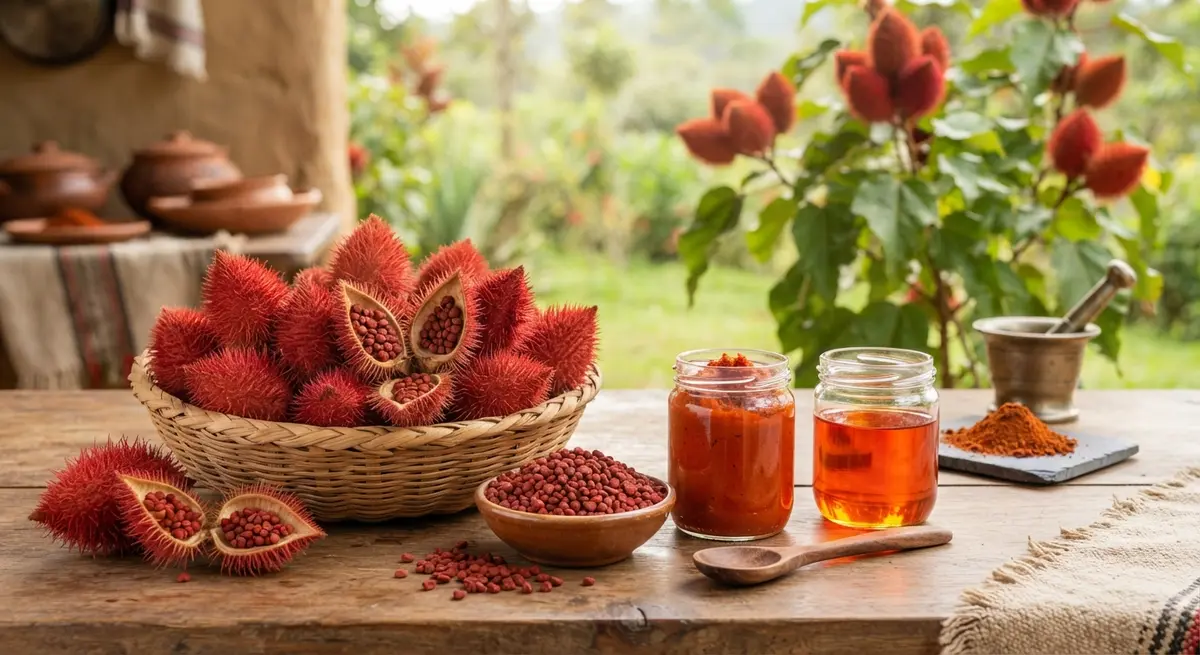
Achiote (Annatto): Flavor Profile, Health Benefits & Culinary Uses
Tiny coral-red seeds that paint food golden: the annatto tree's achiote, how to use the seeds and the Yucatan paste, and honest color substitutes.
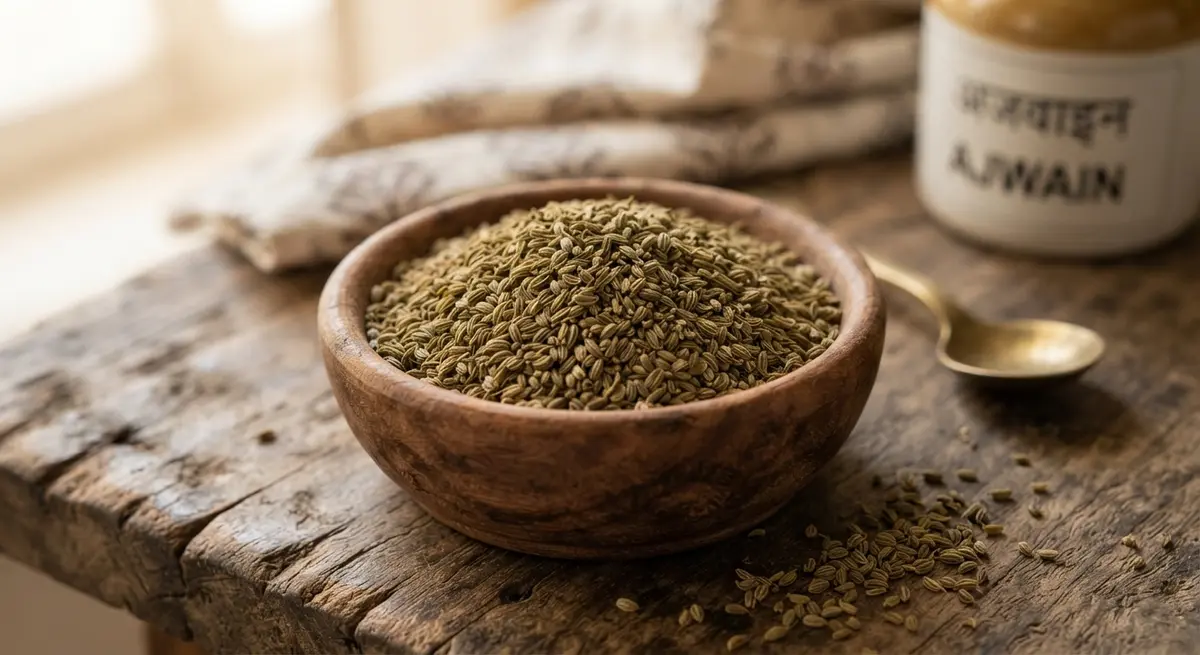
Ajwain (Carom) Seeds: Flavor Profile, Health Benefits & Culinary Uses
A tiny gray-brown seed that tastes like thyme, oregano, and cumin had a baby with a timer fuse. Here is how and why Indian kitchens use ajwain.
Aleppo Pepper: Flavor Profile, Health Benefits & Culinary Uses
Aleppo is the Mediterranean's gentle red flake, fruity and warm with real heat that never bites, perfect for everything from muhammara to roast carrots.
About the Authors
This recipe and guide was developed, tested, and approved in our home kitchen and daily life. Jamy is a retired Food Service District Manager and Early Childhood Program Manager who spent his career overseeing multi-site restaurant operations, large-scale culinary production, and daycare menu management. Kaïna brings the ultimate real-world test: making sure it brings ease and joy to our kids on a busy weeknight.
Read more about our professional background and philosophy →