Ginger: Flavor Profile, Health Benefits & Culinary Uses
By the QuiteRecipes team (Jamy & Kaïna)
Fresh ginger is bright and hot; ground ginger is woody and warm. Know both forms, what gingerol really does, and which dishes each one deserves.
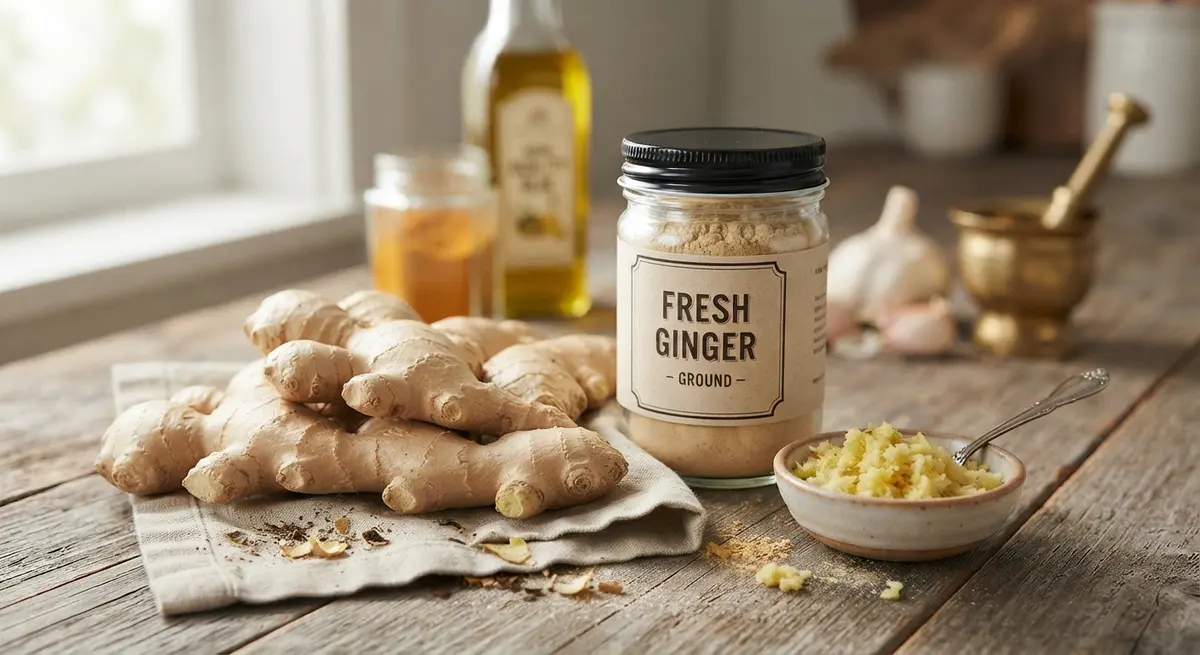
Ginger is the rare spice that changes personality between its two store-bought forms, and plenty of recipes get ruined by treating them as the same thing. The knobby fresh root and the beige powder from the baking aisle come from the same plant, Zingiber officinale, a Southeast Asian perennial in the same family as turmeric and cardamom. But drying and grinding transforms the chemistry, and with it the flavor.
Fresh ginger is bright, juicy, and sharply hot; ground ginger is dusky, woody, and sweet. Bookmark that sentence, because it explains sixty percent of ginger mistakes in home kitchens.
Flavor Profile & Notes
Fresh ginger's bite comes from gingerol, the compound that also gives it its health reputation; a few drops of lemon-tinged heat linger on the tongue, mostly gone by the end of a bite. Heat lightly and quickly — a quick blast ups the aroma; over-frying turns it bitter and dull. Ground ginger is created by drying and milling, which converts some gingerol into shogaol, a hotter, less fragrant compound that reads sweeter and more baking-friendly. They are not 1:1 swaps, ever.
Health Benefits & Nutrition
Gingerol is the star: a well-studied anti-inflammatory, and ginger is one of the few foods with real, published evidence behind its traditional identity as a settle-the-stomach spice — it is genuinely helpful for nausea from morning sickness, motion, and the mild queasiness after a rich meal. Steep it as tea, or just cook with it often. The honest framing: ginger is delicious, evidence-supported for digestion, and never a replacement for medical care.
Best Culinary Pairings
Fresh ginger belongs in stir-fries, marinades for chicken and salmon, ginger-scallion sauce, curries, and brothy soups — a thumb-sized piece grated in at the end keeps it loud. Ground ginger lives in gingerbread, ginger snaps, pumpkin pie, spice cakes, and mulled cider, where its dusty sweetness belongs. Both meet happily in carrot-ginger soup and in brine for ginger ale at home. A slice dropped in hot water with lemon makes a genuinely pleasant after-dinner tea.
Quick Substitutes
For fresh ginger, galangal is the nearest and most honest match, with a piney, cooler bite. In a crunch, use a quarter teaspoon of ground ginger plus a splash of fresh lemon juice per tablespoon of fresh. Going the other way, a tablespoon of grated fresh ginger can sit in for a teaspoon of ground if you also cut the sugar and liquid in a baked recipe slightly. Every swap loses something, but dinner survives.
FAQ / Quick Facts
- Does fresh ginger go bad? Store it loosely wrapped in the fridge for weeks, or freeze peeled and grate straight from frozen.
- Which form for which food? Fresh for Asian and savory cooking; ground for baking, where its woodiness is the point.
- Know your spice: Zingiberaceae family; fresh root or ground; the warm heart of stir-fries, gingerbread, and healing teas.
Related Articles
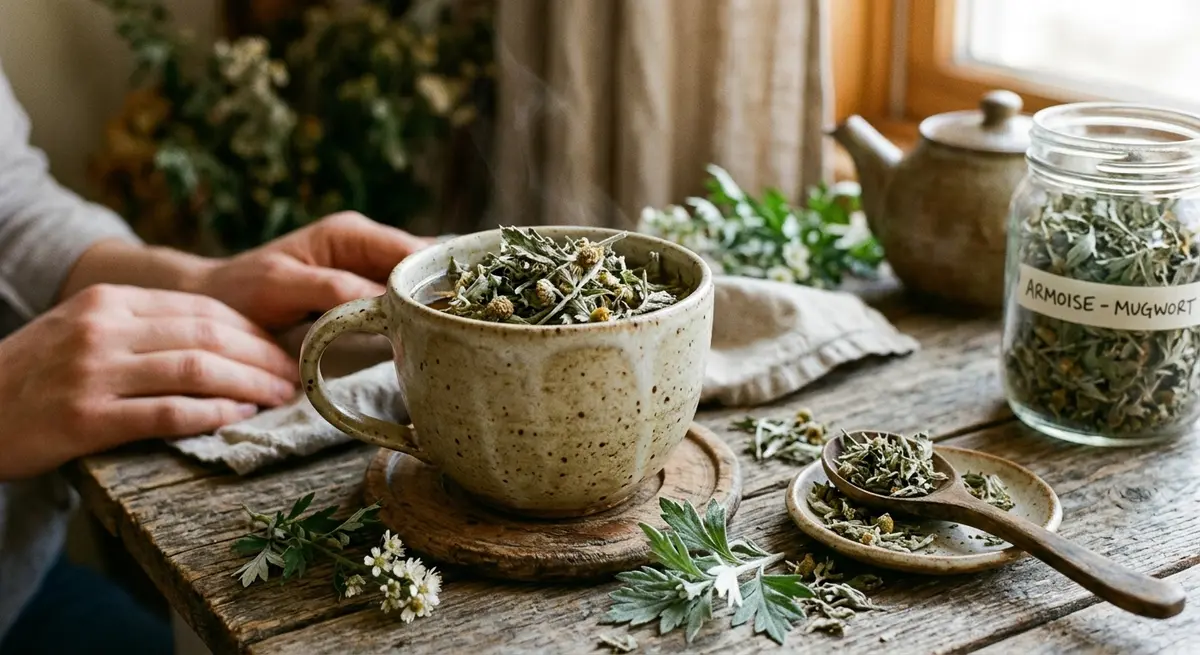
Mugwort: Flavor Profile, Health Benefits & Culinary Uses
A venerable gray-green bitter herb that shows up across three food cultures. The flavor notes, the thujone cautions, and the safest culinary role.
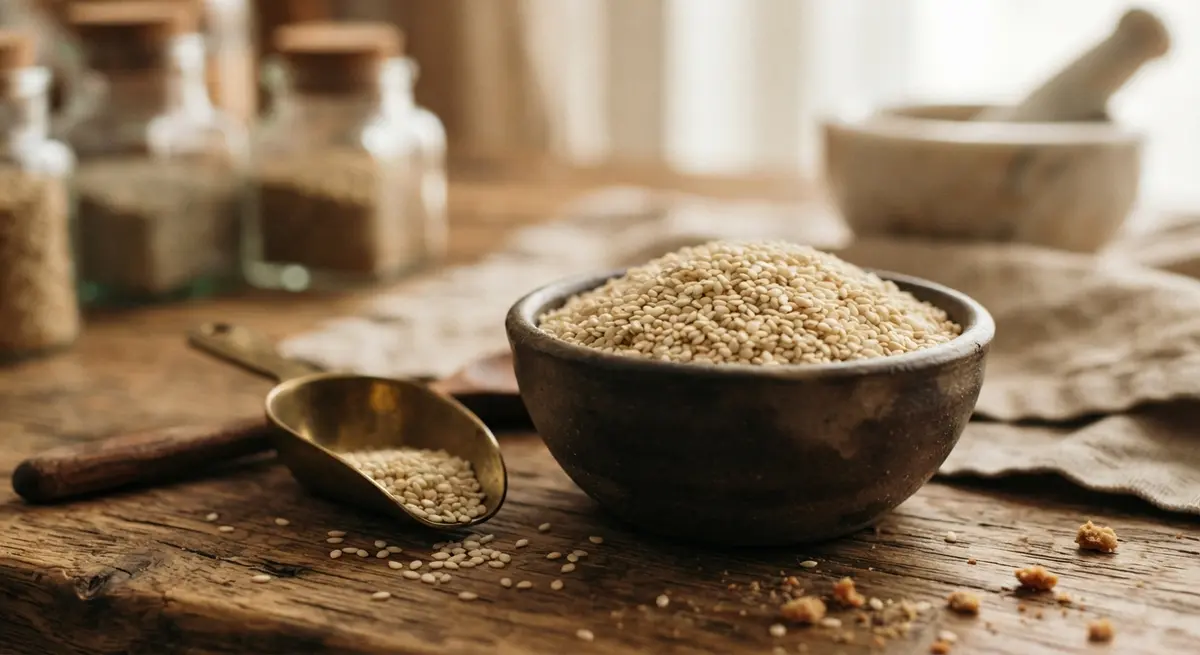
Sesame Seeds: Flavor Profile, Health Benefits & Culinary Uses
One of the oldest oilseeds on Earth, sesame is nutty, humble, and everywhere — tahini, gomashio, everything-bagel spice. Here is the white-versus-black guide.
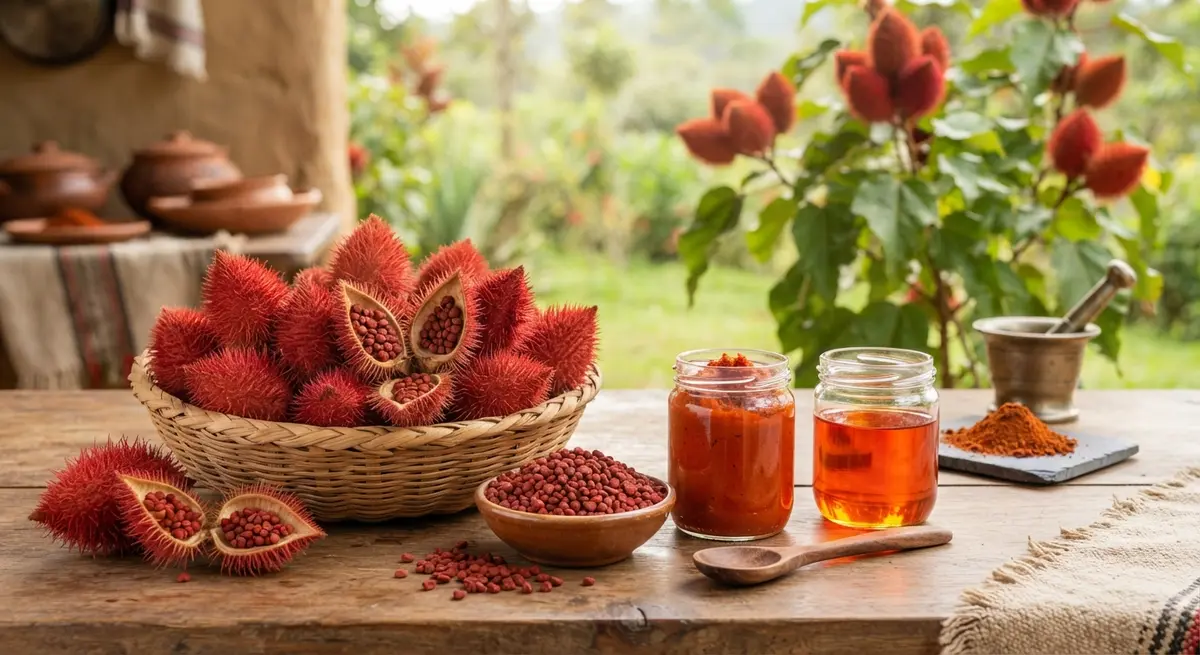
Achiote (Annatto): Flavor Profile, Health Benefits & Culinary Uses
Tiny coral-red seeds that paint food golden: the annatto tree's achiote, how to use the seeds and the Yucatan paste, and honest color substitutes.
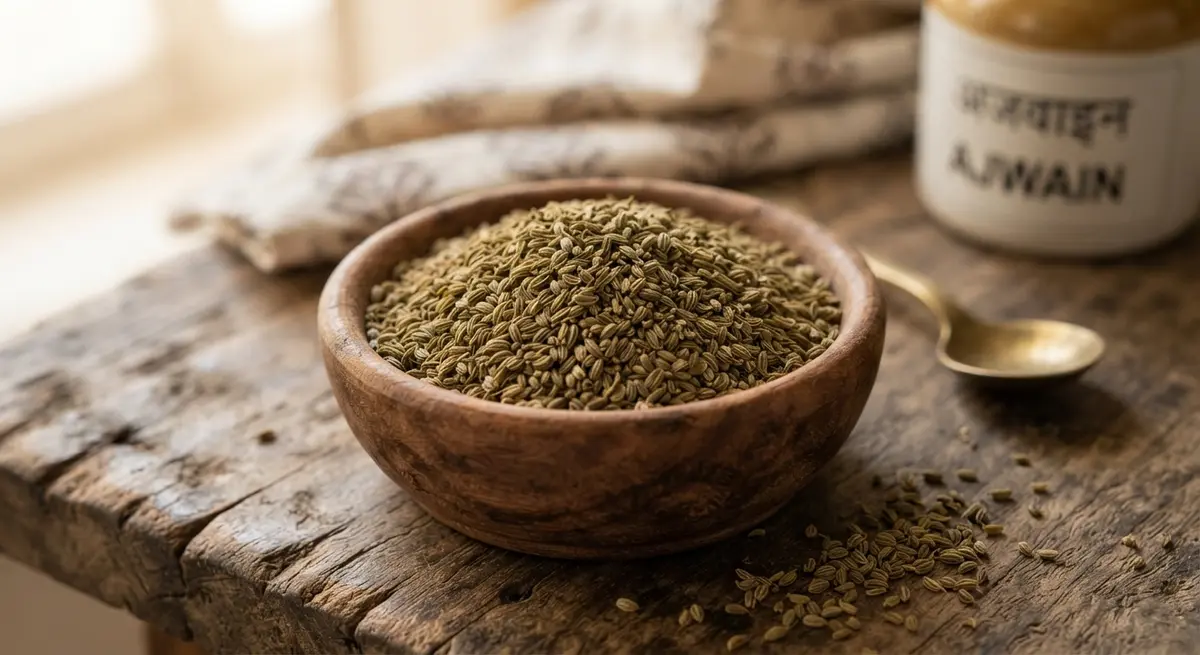
Ajwain (Carom) Seeds: Flavor Profile, Health Benefits & Culinary Uses
A tiny gray-brown seed that tastes like thyme, oregano, and cumin had a baby with a timer fuse. Here is how and why Indian kitchens use ajwain.
About the Authors
This recipe and guide was developed, tested, and approved in our home kitchen and daily life. Jamy is a retired Food Service District Manager and Early Childhood Program Manager who spent his career overseeing multi-site restaurant operations, large-scale culinary production, and daycare menu management. Kaïna brings the ultimate real-world test: making sure it brings ease and joy to our kids on a busy weeknight.
Read more about our professional background and philosophy →