Chia Seeds: Flavor Profile, Health Benefits & Culinary Uses
By the QuiteRecipes team (Jamy & Kaïna)
The tiny seed that gels, thickens, and binds its way through your kitchen while hiding in plain sight. Fiber math, texture tricks, and swaps.
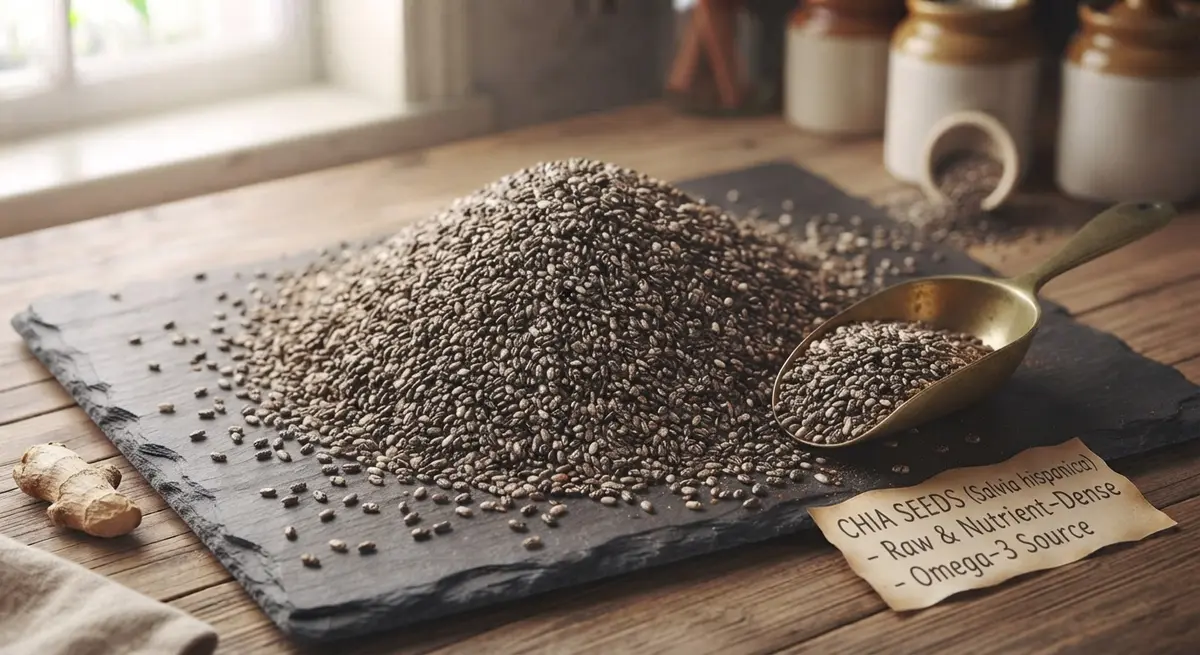
Chia seeds crossed from ancient Aztec staple to modern cabinet mainstay without changing at all — and that is the point. The tiny seeds of Salvia hispanica are still packed with fiber and omega-3s, still form that famous gel when they meet liquid, and still taste almost like nothing, which makes them one of the most adaptable pantry items you own. "Chia" comes from the Nahuatl word for oily, their ancient utility.
Their superpower is texture: hydrated, they become tapioca-like pearls; ground, they thicken quietly. You are not seasoning with chia; you are building structure and nutrition by subtraction.
Flavor Profile & Notes
Dry chia seeds are famously neutral — a little nutty-wheaty, like a soft-flavored hemp or poppy seed — which is exactly why they are so easy to disguise in food. Their real contribution is physical: soak them in milk, juice, or water and after ten minutes they form a silky pudding; ground and mixed into dough, batters, or sauces, they thicken within minutes. Toasted or powdered, they offer a mild toasty note that fits granola and crackers. Raw, unsoaked seeds pass through the body mostly unhydrated — a real reason recipes soak them first.
Health Benefits & Nutrition
The nutrition is genuinely unusual: two tablespoons deliver roughly 5 to 10 grams of fiber, solid plant omega-3s in ALA form, protein, calcium, magnesium, and iron. Studies tie chia's soluble fiber to steadier blood sugar and better cholesterol profiles. The caveat is humble and honest: start small and drink fluids, because a sudden high-fiber shift in a dry context can cause digestive complaint. Chia absorbs about five times its weight in water, which is also why a mouthful of dry chia can be a swallowing hazard. Soak, stir, enjoy your breakfast.
Best Culinary Pairings
Chia pudding — milk, sweetener, vanilla, fruit — is the classic, but the seed does far more: sprinkle it into smoothies, oatmeal, and yogurt; whisk into salad dressings and sauces as a quiet thickener; stir into jam as a pectin-less setter; bake it into crackers and bread for crunch. It plays with vanilla, coconut, citrus, and berries, and works as an egg replacement — one tablespoon ground plus three tablespoons water. Tender, fast, forgiving: the most productive shelf-sitter in the pantry.
Quick Substitutes
Flaxseed meal is the closest functional twin — grind chia and you are in flax territory for eggs and thickening. Poppy seeds match appearance but little else. Ground psyllium husk handles thickening but not pudding texture. Hemp seeds give protein and fat but don't gel. Tapioca or arrowroot starches achieve silky puddings without the fiber. Only chia delivers both the nutrition and the gelatinous set; for swaps, match the job you need — gelling, thickening, or crunch — not the seed.
FAQ / Quick Facts
- Do I need to soak them? For puddings and smoothies, yes — it softens texture, unlocks the gel, and avoids the dry-seed swallowing hazard.
- Can I replace eggs with them? Yes — one tablespoon ground chia with three tablespoons water stands in for one egg in most baking.
- What do they taste like? Nearly nothing — mild, nutty, wheaty — which is why they adapt everywhere.
- Botanical family: Lamiaceae / Form: whole seeds, ground meal / Best uses: puddings, smoothies, thickening, baking.
Related Articles
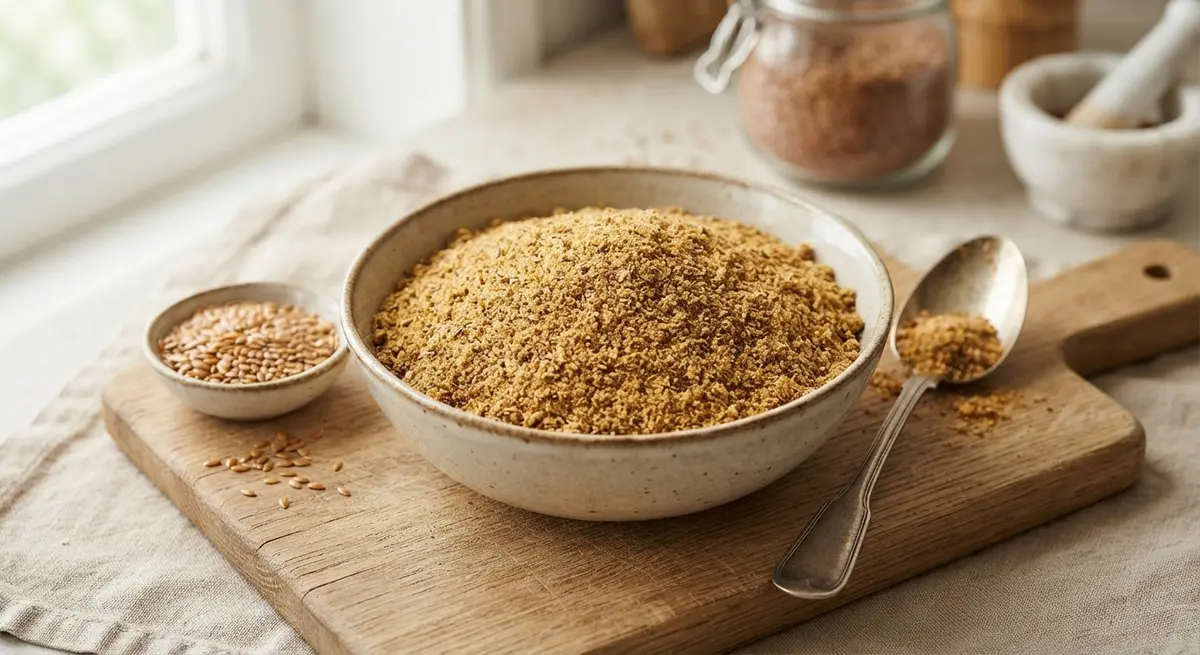
Flaxseed Meal: Flavor Profile, Health Benefits & Culinary Uses
Whole seeds pass through, ground flax does the work. Omega-3s, lignans, fiber, and the egg trick — plus why fresh meal goes bitter fast.
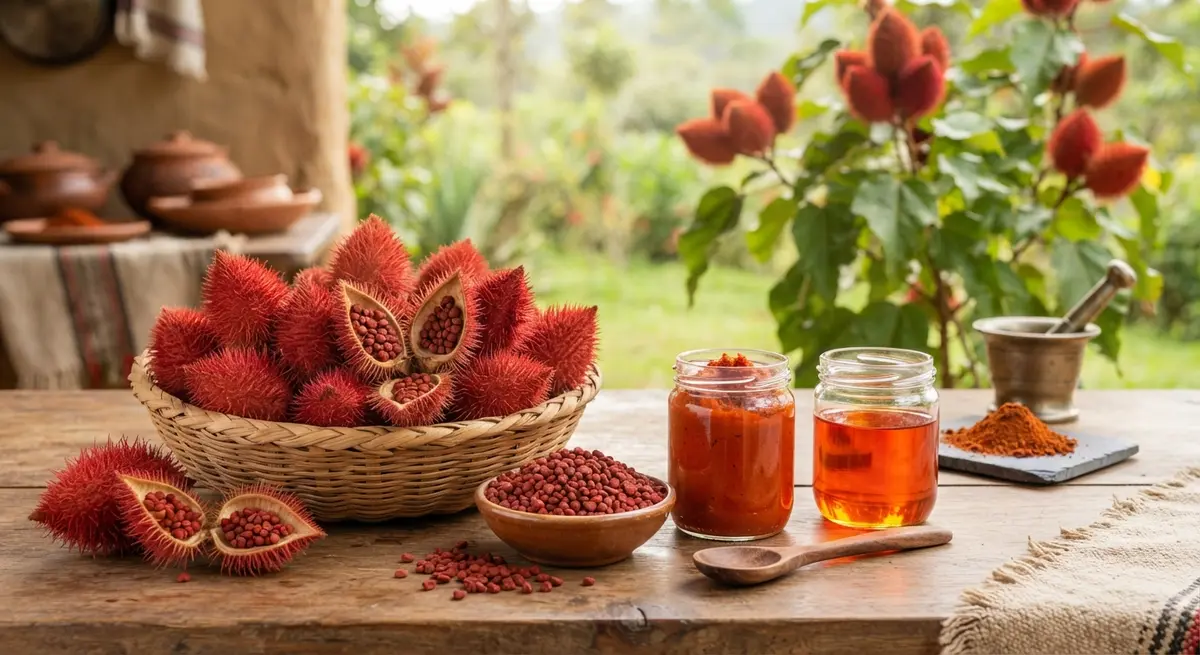
Achiote (Annatto): Flavor Profile, Health Benefits & Culinary Uses
Tiny coral-red seeds that paint food golden: the annatto tree's achiote, how to use the seeds and the Yucatan paste, and honest color substitutes.
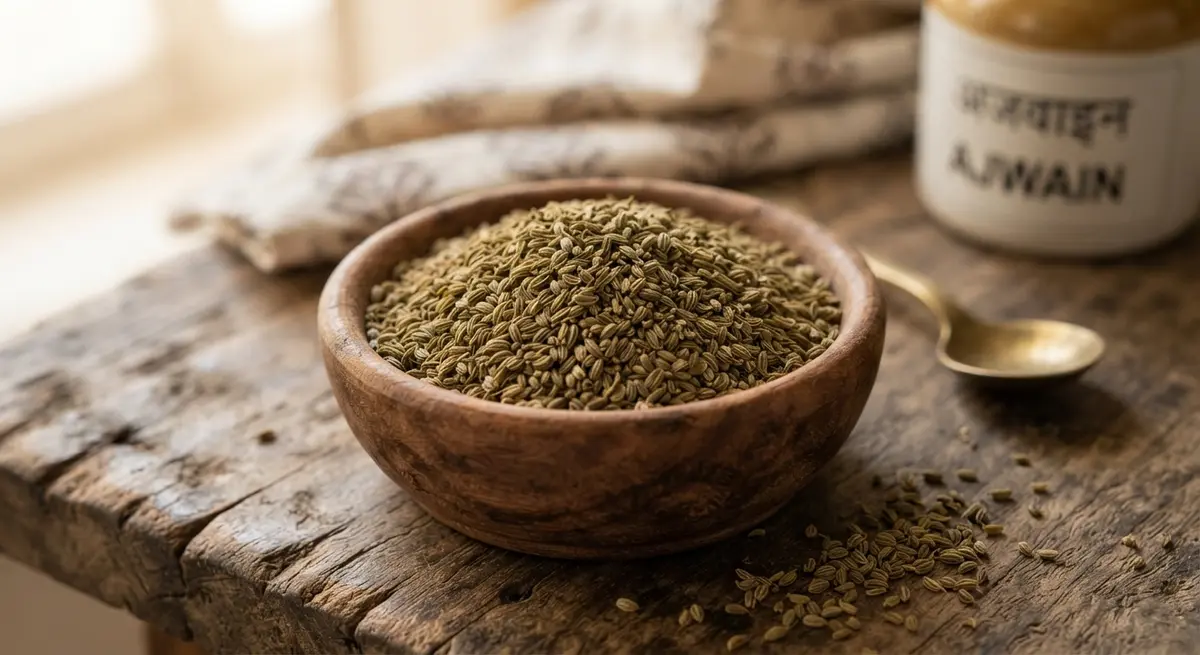
Ajwain (Carom) Seeds: Flavor Profile, Health Benefits & Culinary Uses
A tiny gray-brown seed that tastes like thyme, oregano, and cumin had a baby with a timer fuse. Here is how and why Indian kitchens use ajwain.
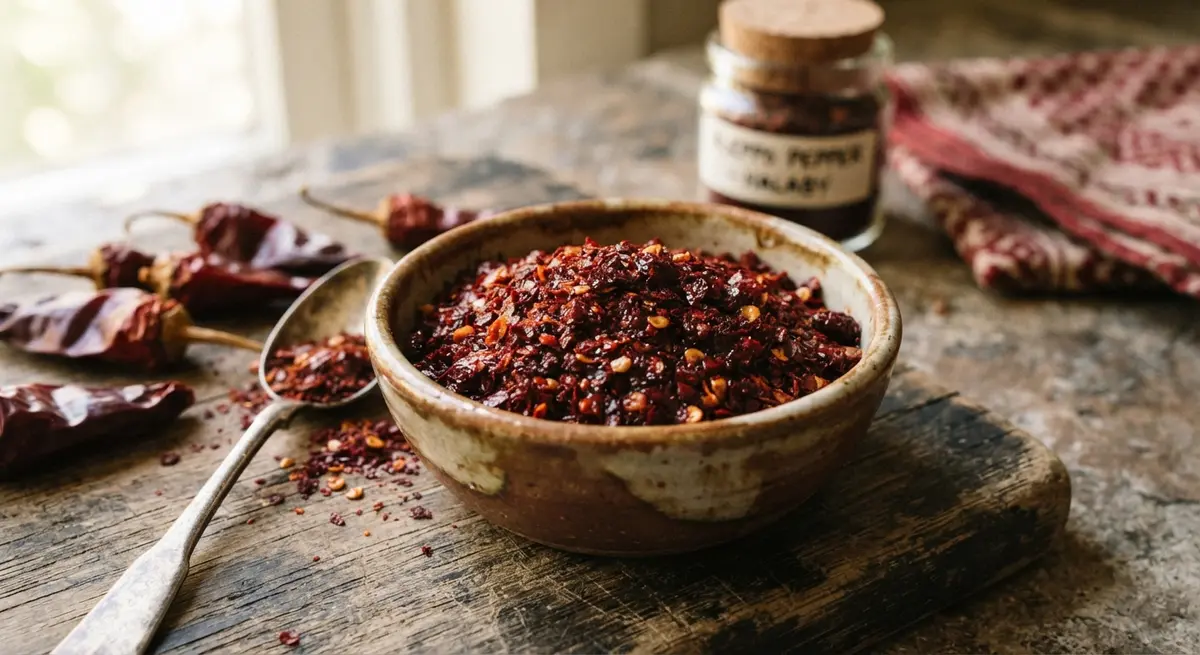
Aleppo Pepper: Flavor Profile, Health Benefits & Culinary Uses
Aleppo is the Mediterranean's gentle red flake, fruity and warm with real heat that never bites, perfect for everything from muhammara to roast carrots.
About the Authors
This recipe and guide was developed, tested, and approved in our home kitchen and daily life. Jamy is a retired Food Service District Manager and Early Childhood Program Manager who spent his career overseeing multi-site restaurant operations, large-scale culinary production, and daycare menu management. Kaïna brings the ultimate real-world test: making sure it brings ease and joy to our kids on a busy weeknight.
Read more about our professional background and philosophy →