Pastrami Rub Recipe: Cracking the Code of Peppery, Coriander-Rich Crusts
By the QuiteRecipes team (Jamy & Kaïna)
A deli-style crust of cracked pepper and coriander you can actually make at home. One rub, loads of nostalgia, zero mystery ingredient.
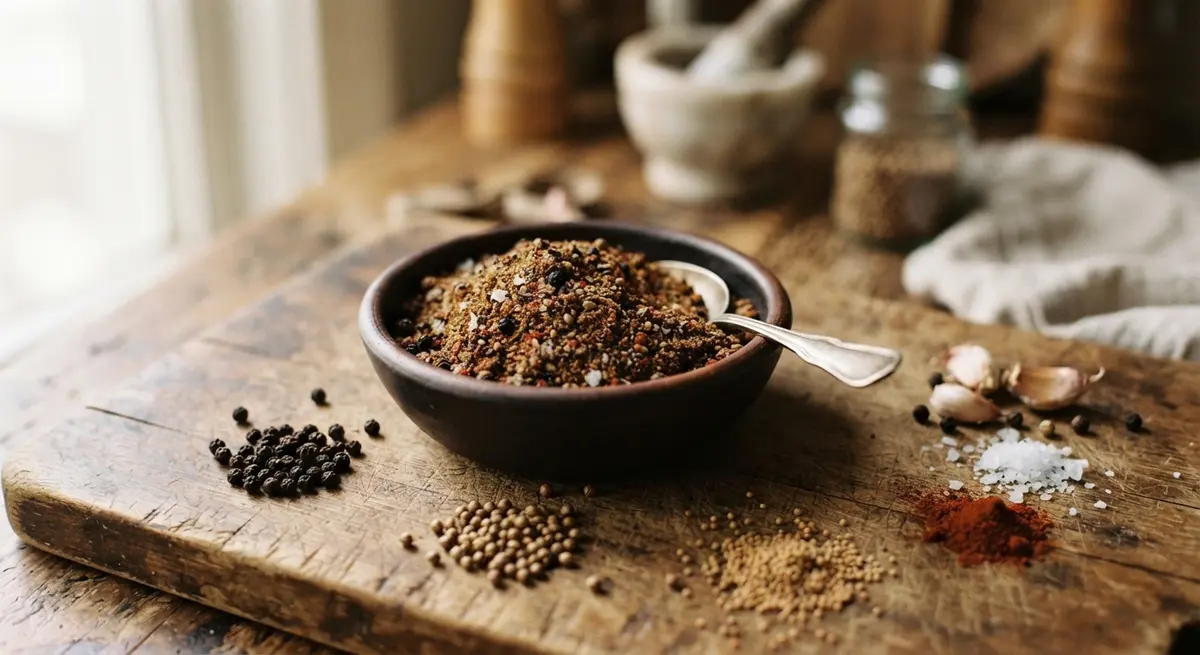
The first time I cracked the code was the day I realized pastrami is two stories: the brine under the surface and the crust on top. Mine lives in a zipper bag in the spice drawer, ready the moment a brisket comes home. Pastrami starts as a cured beef brisket that gets rubbed, smoked, and then steamed or braised, and that coarse peppery crust is the part everyone remembers.
What It Is & Where It Comes From
Pastrami is cured beef, most often brisket, that is coated in spice and slowly smoked before being finished by steaming or braising. The signature look is a coarse, craggy crust that seems to shout pepper before you even take a bite. That crust is built on boldly cracked black pepper and coriander seed, two partners that show up over and over in deli pastrami, with smaller supporting roles for a little paprika, garlic, and onion.
The Blend: Ratios That Work
This makes enough to coat a five-pound brisket generously:
- 1/4 cup cracked black pepper, coarse
- 1/4 cup cracked coriander seed
- 1 tbsp smoked or sweet paprika
- 1 tbsp garlic powder
- 1 tbsp onion powder
- 1 tsp ground coriander, optional for extra perfume
Crack the pepper and coriander with a mortar and pestle, or give them a rough pulse in a spice grinder; you want pieces you can see, not dust. Mix everything well. Press the rub into the surface of your brined brisket after patting it dry, and let the coat set for an hour or two in the fridge so it clings through the smoke.
How to Use It
The classic path is a cold brine for several days, then this rub, then a slow smoke until deeply colored. For a home version, smoke low and slow until it reaches tenderness, then wrap and steam or braise until it slicks up. Slice it thin against the grain, warm it in a skillet if you like, and pile it high on rye with mustard. No smoker? Roast the coated brisket low in the oven, then finish wrapped with a little liquid for the same tender, crusty effect. Leftover rub is wonderful on roast beef, lamb, or even a thick pork chop.
Variations & Storage
Coriander is the quiet star, so do not be shy with it; if you only keep one spice ready, make it that. Swap pepper for Sichuan or green peppercorns when you want a different kind of tingle. The rub keeps in an airtight jar in a cool, dark cabinet for several months. If your beef is already brined and salty, skip any added salt in the rub, since the classic crust is mostly about pepper and seed.
FAQ / Quick Facts
- Do I need to brine before using this rub? Pastrami traditionally starts from cured meat, so yes, a brine is the classic foundation for the authentic deli flavor.
- Can I use this rub on other meat? Absolutely, it is wonderful on roast beef, lamb, and pork even without the full pastrami treatment.
- Is the crust supposed to be that peppery? Yes, the coarse cracked pepper and coriander crust is the hallmark of pastrami, so be generous.
- How is a rub-only brisket finished? If you skip the smoker, roast low in the oven and finish wrapped with a little liquid for tenderness.
Related Articles
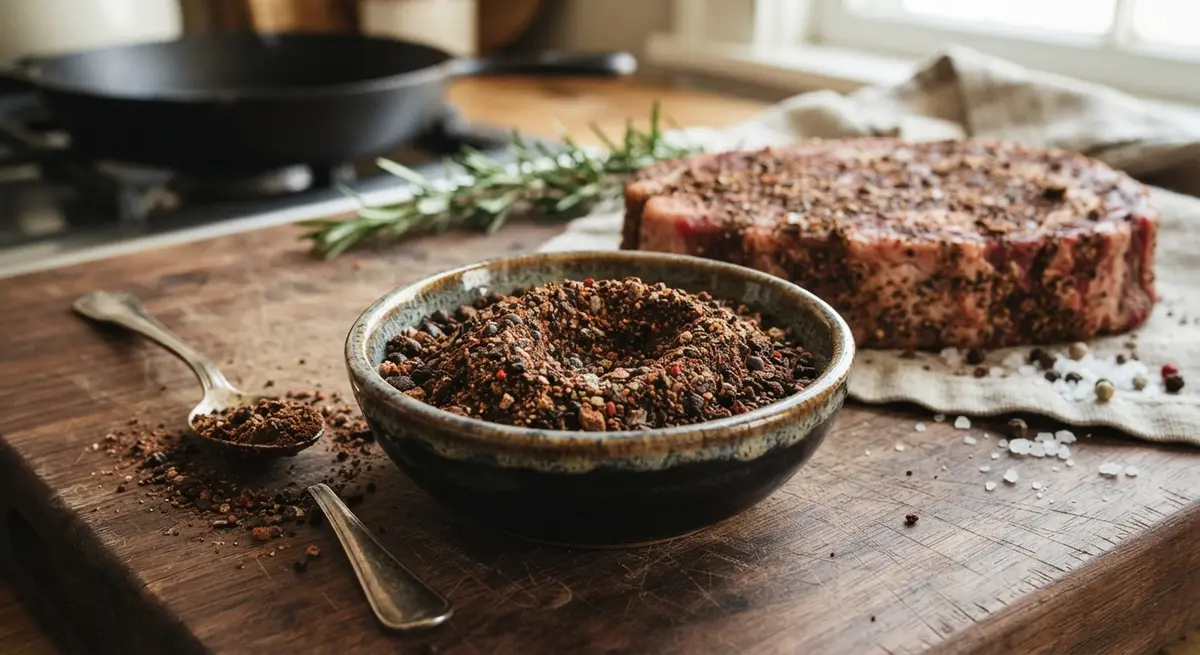
Steakhouse Rub Secrets: Coffee, Cocoa, and Spices for Beef
I first tried coffee on steak at a friend's cookout and was skeptical until I tasted the crust. Now this rub is the only one I use for company.
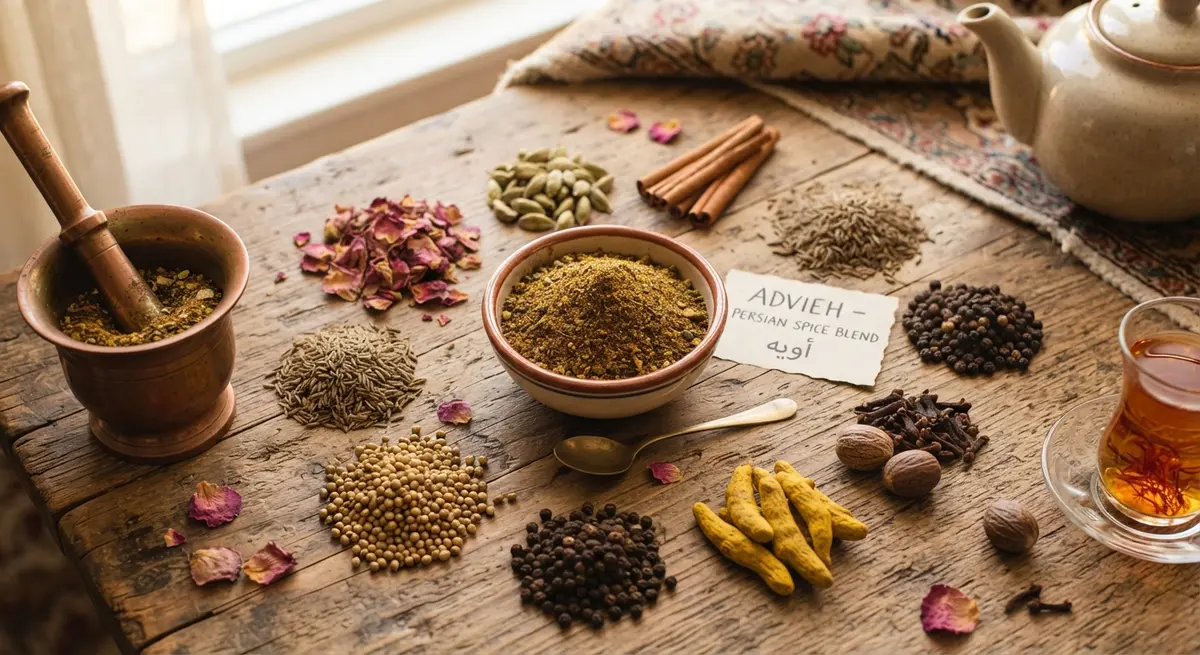
Advieh: Exploring the Aromatic Spice Blends of Persian Cuisine
Cinnamon, cardamom, turmeric, and rose petals in one jar? That is advieh, the Persian blend that turns plain rice into an occasion.
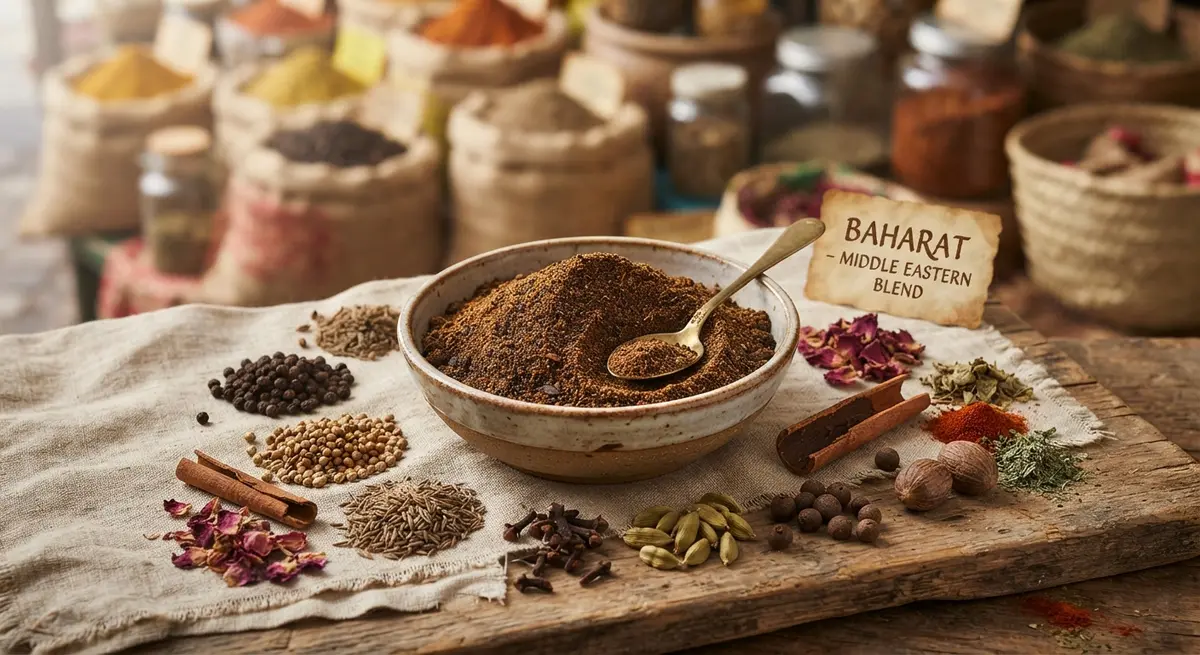
Baharat: The Warm Middle Eastern Blend That Elevates Any Meat Dish
Baharat simply means spices in Arabic, and once you balance the warm ones, it becomes the perfumed hand that lifts your whole plate of meat and rice.
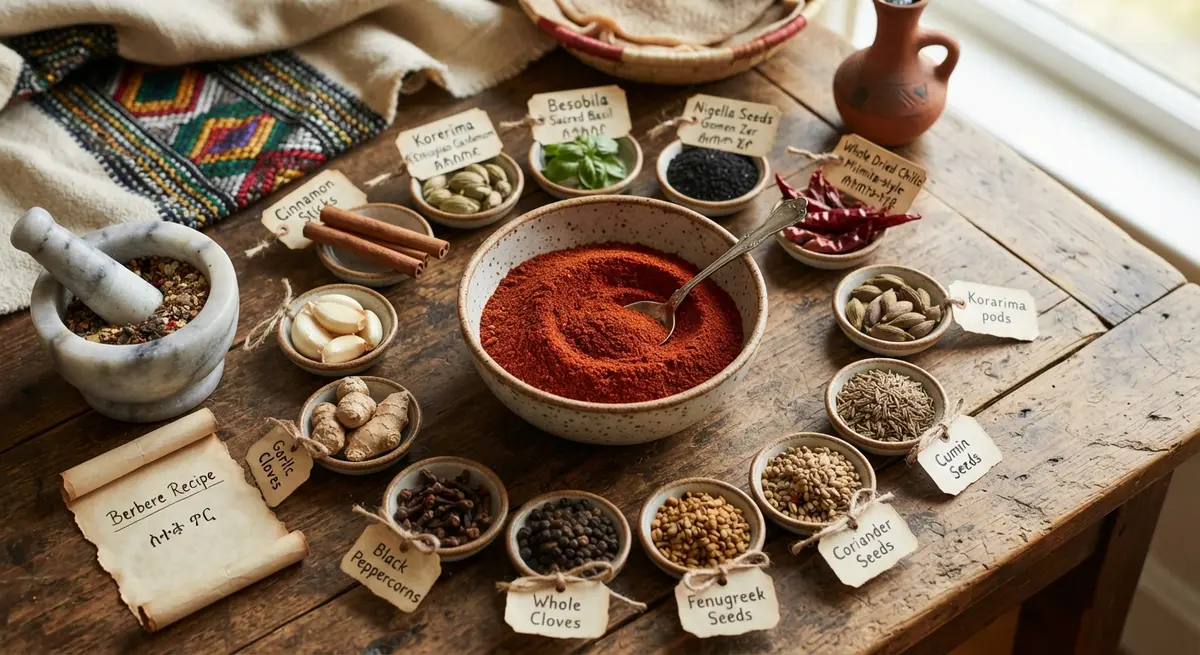
Berbere: The Fiery, Complex Ethiopian Spice Blend Explained
Berbere is the heartbeat of Ethiopian stews like doro wat. Once you blend it, a spoonful of oil turns a plain onion into dinner.
About the Authors
This recipe and guide was developed, tested, and approved in our home kitchen and daily life. Jamy is a retired Food Service District Manager and Early Childhood Program Manager who spent his career overseeing multi-site restaurant operations, large-scale culinary production, and daycare menu management. Kaïna brings the ultimate real-world test: making sure it brings ease and joy to our kids on a busy weeknight.
Read more about our professional background and philosophy →