Panch Phoron: The Five-Spice Indian Blend That Will Change How You Cook
By the QuiteRecipes team (Jamy & Kaïna)
The whole secret to panch phoron is that you cook it in hot oil, not grind it. I was hooked the first time I heard it sizzle.
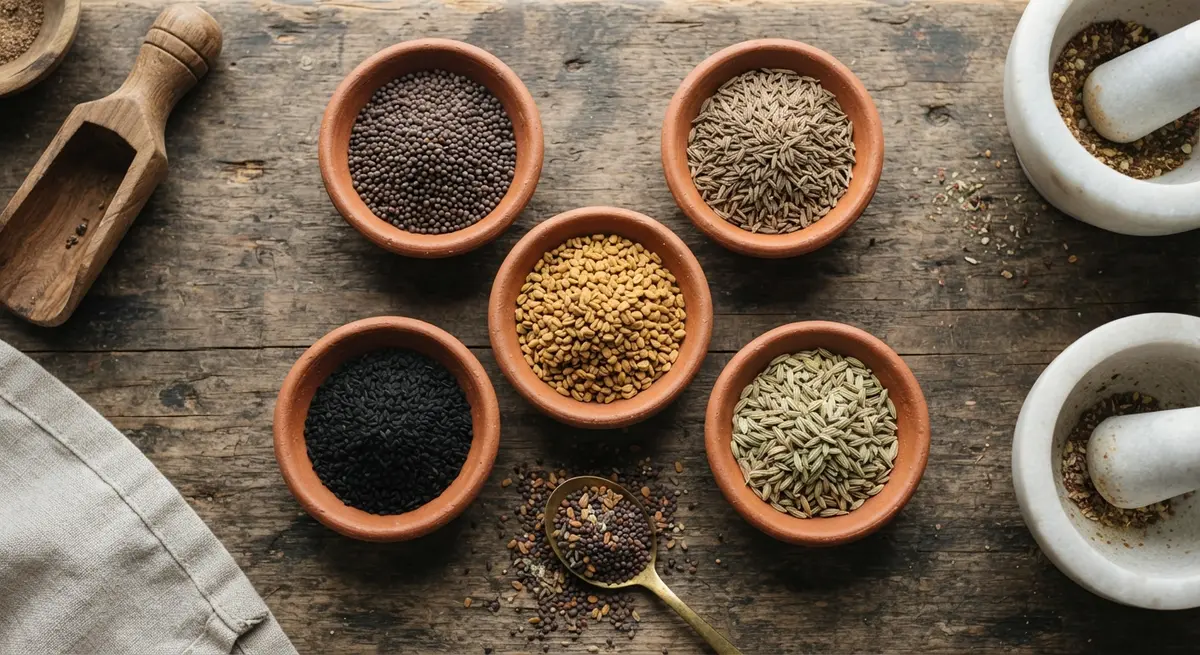
The first time I watched a tiny spoonful of seeds hit hot oil and go from silent to crackling, I understood tempering instantly. That's panch phoron — the Bengali five-spice that never gets ground, only sizzled. Mine is measured once and kept in a jar, ready to wake up whatever I'm cooking. It's the closest thing I have to a shortcut that still tastes like effort.
What It Is & Where It Comes From
Panch phoron comes from Bengal, in eastern India, and its genius is restraint: just five whole seeds used in equal parts — cumin, fennel, black mustard seeds, fenugreek seeds, and nigella, which you'll also see called kalonji. Unlike most spice blends, it isn't ground into a powder. Instead, it's bloomed whole in hot oil, a technique called tadka or tempering, which releases the seeds' oils and gives every bite little bursts of flavor.
The Blend: Ratios That Work
Measure the five seeds equal: 1 tablespoon each of cumin seeds, fennel seeds, black mustard seeds, fenugreek seeds, and nigella. Use a little more fennel if you love sweetness. Mix them in a small jar and you're done — no toasting, no grinding, no fuss. The cooking happens in the pan: warm oil (or ghee or mustard oil) until it shimmers, drop in the seeds, and in about 15 to 30 seconds they'll crackle and pop. Add your vegetables or lentils right away so nothing burns.
How to Use It
Always bloom panch phoron in hot oil at the very start of the dish. A heaping teaspoon is plenty for a pot of dal or a pan of potatoes. It transforms simple vegetables — green beans, cauliflower, potatoes — and is a classic finish for lentils. Add it at the beginning, not the end, because the whole point is the seeds sizzling in the hot oil.
Variations & Storage
Nigella is the hardest seed to find, but it's essential — look for kalonji at Indian or specialty grocers, or order it online. If only yellow mustard seeds are available, they work, though they're milder. Want more heat? A pinch of dried chili goes in the oil with the seeds. Store the whole seeds in an airtight jar away from light; whole seeds keep well for six months to a year, far longer than ground spice.
FAQ / Quick Facts
- Do I grind panch phoron? No — it's meant to be bloomed whole in hot oil so the seeds crackle and pop.
- What is nigella? Tiny black seeds also sold as kalonji — sharp, onion-adjacent, and the blend wouldn't be itself without them.
- When do I add it? At the start, in shimmering hot oil, before the vegetables or lentils go into the pan.
- Which oil works best? Neutral oil, ghee, or mustard oil all work; just get it shimmering hot first.
Related Articles
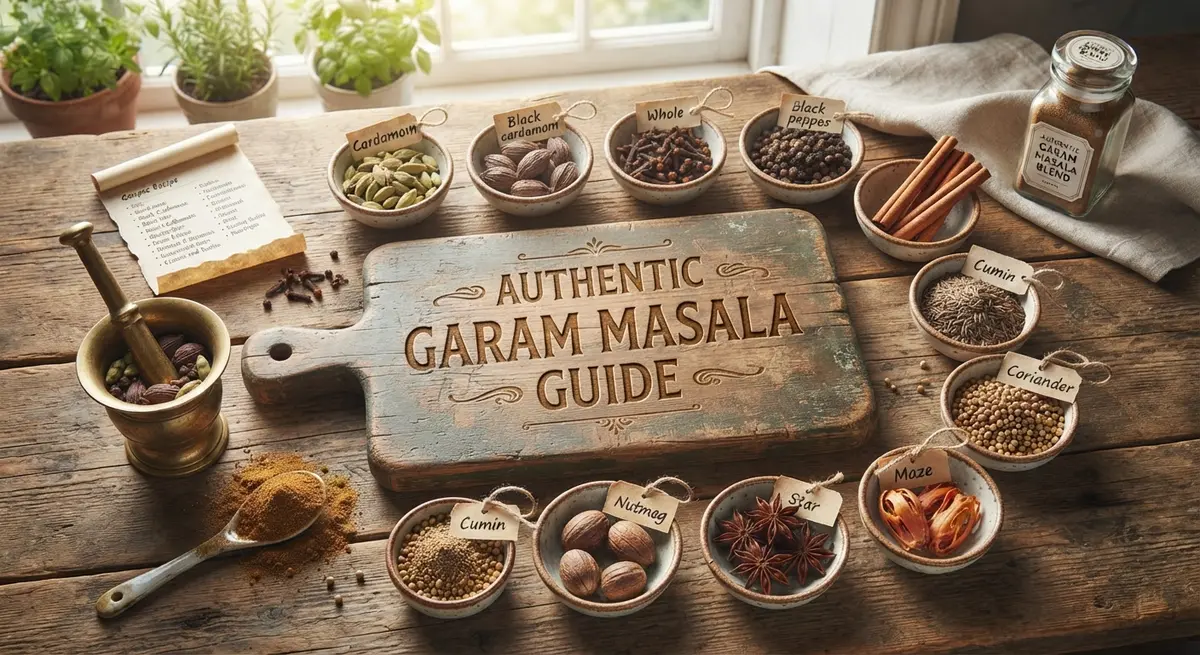
The Ultimate Guide to Making Authentic Garam Masala at Home
Mine lives in a little tin on my counter, and I reach for it more than I reach for salt. Once you taste homemade, you won't go back.
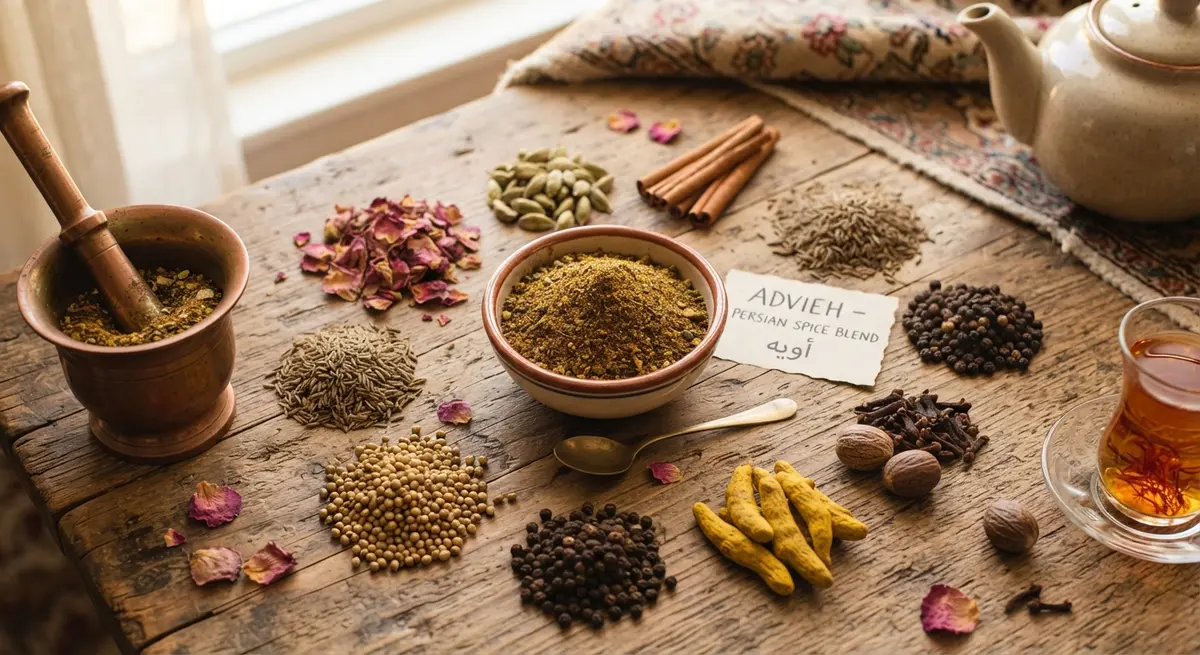
Advieh: Exploring the Aromatic Spice Blends of Persian Cuisine
Cinnamon, cardamom, turmeric, and rose petals in one jar? That is advieh, the Persian blend that turns plain rice into an occasion.
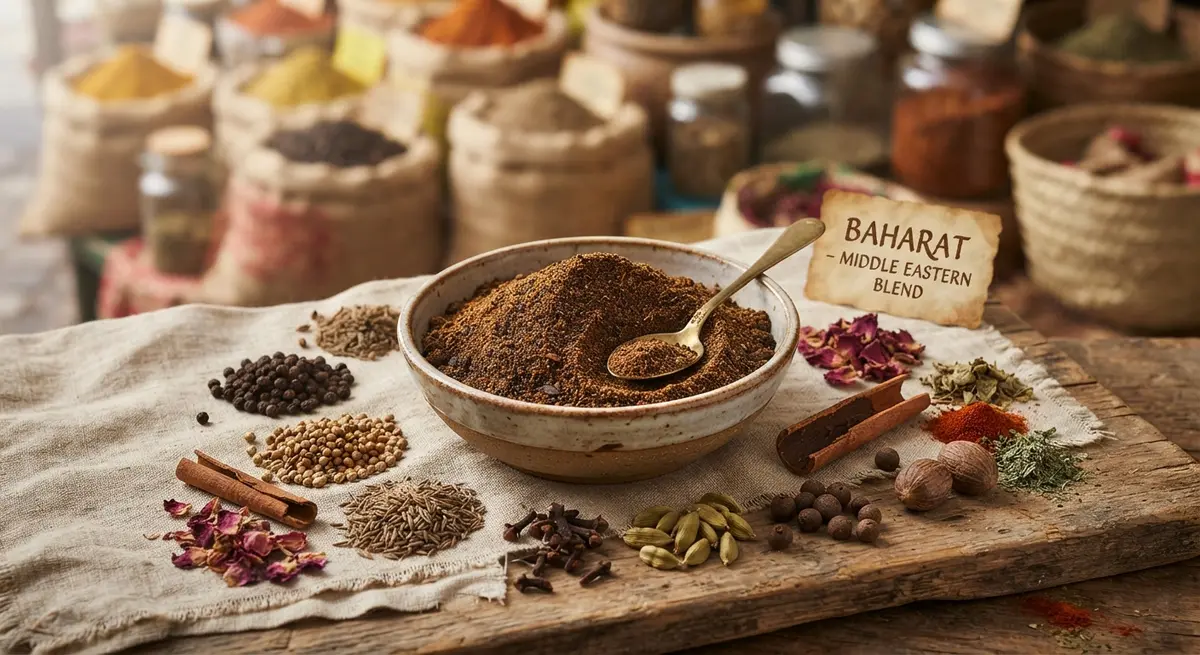
Baharat: The Warm Middle Eastern Blend That Elevates Any Meat Dish
Baharat simply means spices in Arabic, and once you balance the warm ones, it becomes the perfumed hand that lifts your whole plate of meat and rice.
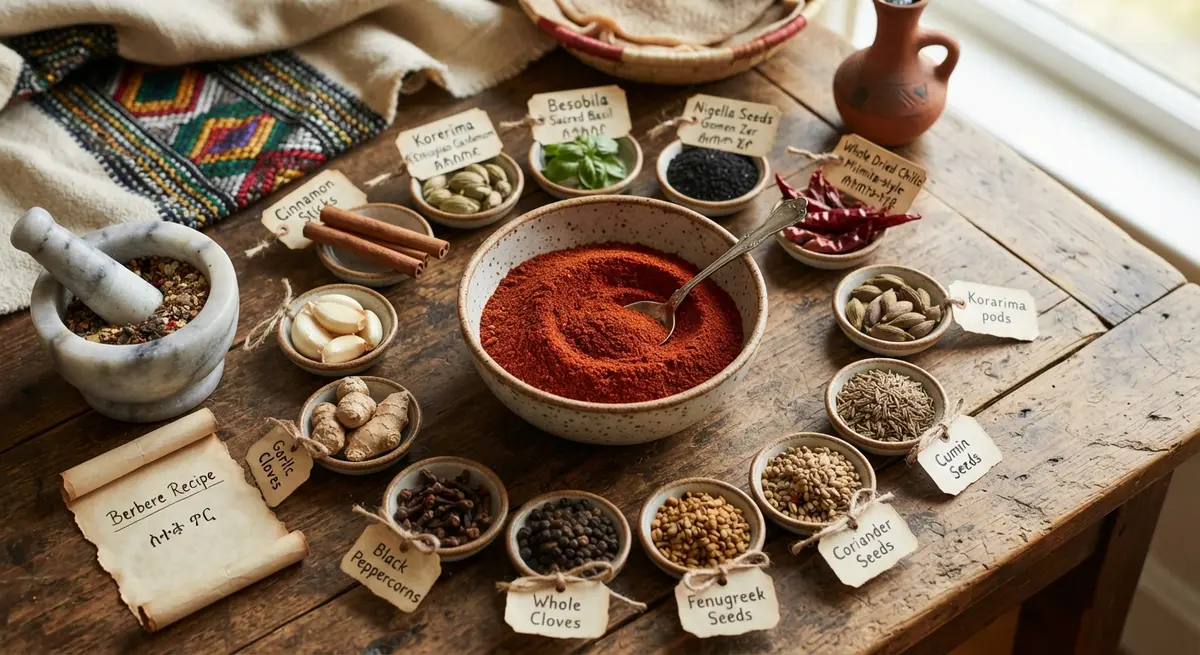
Berbere: The Fiery, Complex Ethiopian Spice Blend Explained
Berbere is the heartbeat of Ethiopian stews like doro wat. Once you blend it, a spoonful of oil turns a plain onion into dinner.
About the Authors
This recipe and guide was developed, tested, and approved in our home kitchen and daily life. Jamy is a retired Food Service District Manager and Early Childhood Program Manager who spent his career overseeing multi-site restaurant operations, large-scale culinary production, and daycare menu management. Kaïna brings the ultimate real-world test: making sure it brings ease and joy to our kids on a busy weeknight.
Read more about our professional background and philosophy →