Why Your Homemade Ras el-Hanout Needs These 12 Secret Spices
By the QuiteRecipes team (Jamy & Kaïna)
I didn't really understand ras el-hanout until I ground my own twelve-spice version. It's sweet, warm, and earthy all at once.
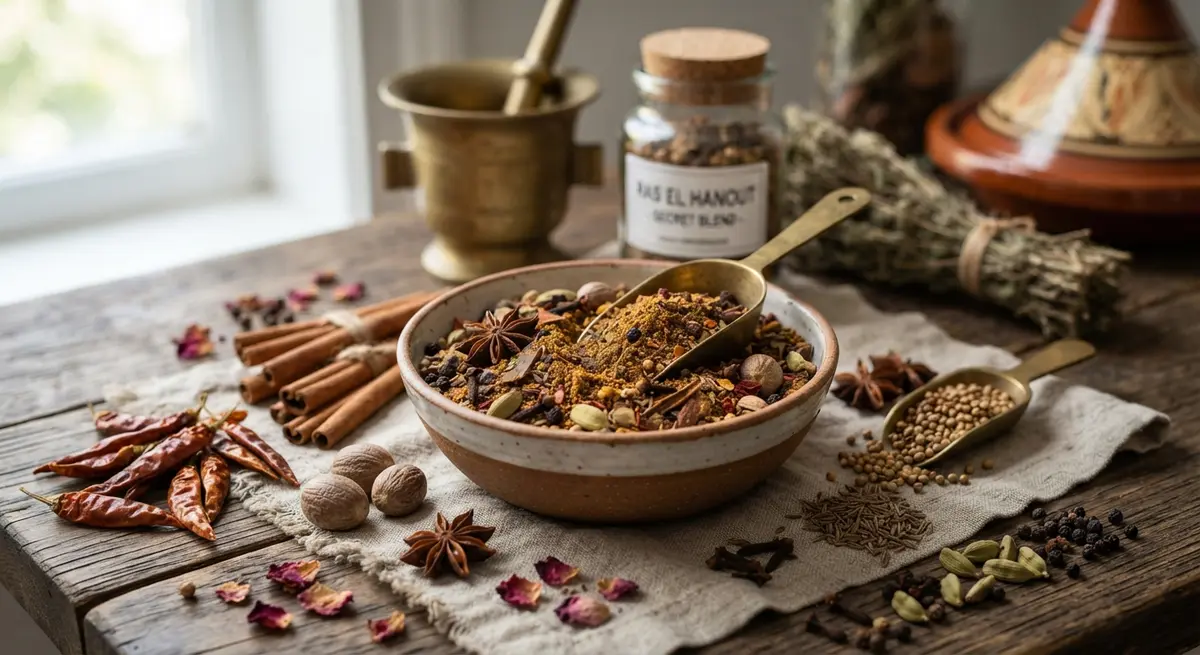
The first time a friend handed me a bag of ras el-hanout from a spice souk, I opened it and just stood there breathing it in. It smelled like an entire spice shop at once — sweet, warm, earthy, and a little mysterious. Mine now lives in a lidded jar on my shelf, and it's the base of every tagine I make. Four teaspoons of it in a slow braise, and dinner feels like a celebration.
What It Is & Where It Comes From
Ras el-hanout comes from North Africa, most famously Morocco, and the name roughly translates to head of the shop — the shopkeeper's very best blend. Historically these blends were remarkably large, sometimes built from dozens of spices to show off the whole store. Modern versions typically settle around 20 to 30 spices, and every maker's list is their own. The overall personality is sweet, warm, and earthy, which is exactly why it loves slow-cooked meat and root vegetables.
The Blend: Ratios That Work
You don't need thirty spices to capture the character. This balanced 12-spice shortlist does it: 2 tablespoons cinnamon, 2 tablespoons cumin, 1 tablespoon coriander, 1 tablespoon ground ginger, 1 tablespoon turmeric, 1 tablespoon cardamom, 1 teaspoon nutmeg, 1 teaspoon allspice, 1 teaspoon cloves, 1 teaspoon black pepper, 1 teaspoon white pepper, and a small handful of dried rose petals (optional). Toast the cumin, coriander, and whole cardamom in a dry pan until fragrant, then grind everything together into a fine powder, keeping the ginger, turmeric, and rose petals to the side until grinding.
How to Use It
Ras el-hanout is made for slow cooking. Rub two teaspoons into a lamb or chicken shoulder before a tagine braise, or stir a teaspoon into the pan as onions soften. It also shines on roasted meats, in couscous, and tossed through rice. A little goes a long way — start with 1 teaspoon per serving of sauce and build from there.
Variations & Storage
If you don't have white pepper, use all black, or add a pinch of cayenne for brightness. Dried rose petals are optional — leave them out on a weeknight without remorse. A dried chili or a little fenugreek adds depth or heat if you like. Store in an airtight jar in a cool, dark cupboard; the blend keeps well for about six months, though the rose and citrus notes fade first. Grind small batches for the best aroma.
FAQ / Quick Facts
- What does ras el-hanout mean? Roughly head of the shop, because it was meant to be the spice shopkeeper's very best of everything.
- Is it spicy hot? Usually not; the personality is sweet, warm, and earthy, and the heat stays gentle by design.
- Do I really need all 12 spices? No, fewer works fine — but the magic lives in the layering of sweet, warm, and earthy notes.
- Can I skip the dried rose petals? Absolutely — they add perfume more than flavor, and many versions leave them out.
Related Articles
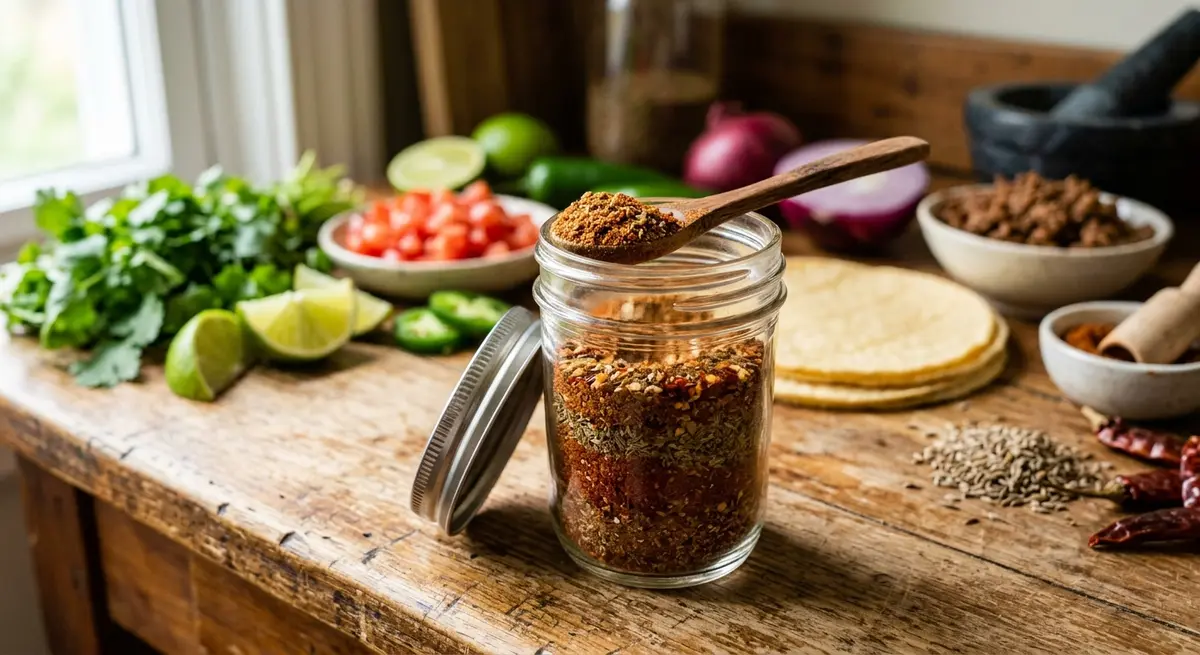
How to Blend the Perfect Low-Sodium Taco Seasoning from Scratch
Taco seasoning from a packet is almost all salt. From scratch, it is bright chili, warm cumin, and garlic you control with your own spoon.
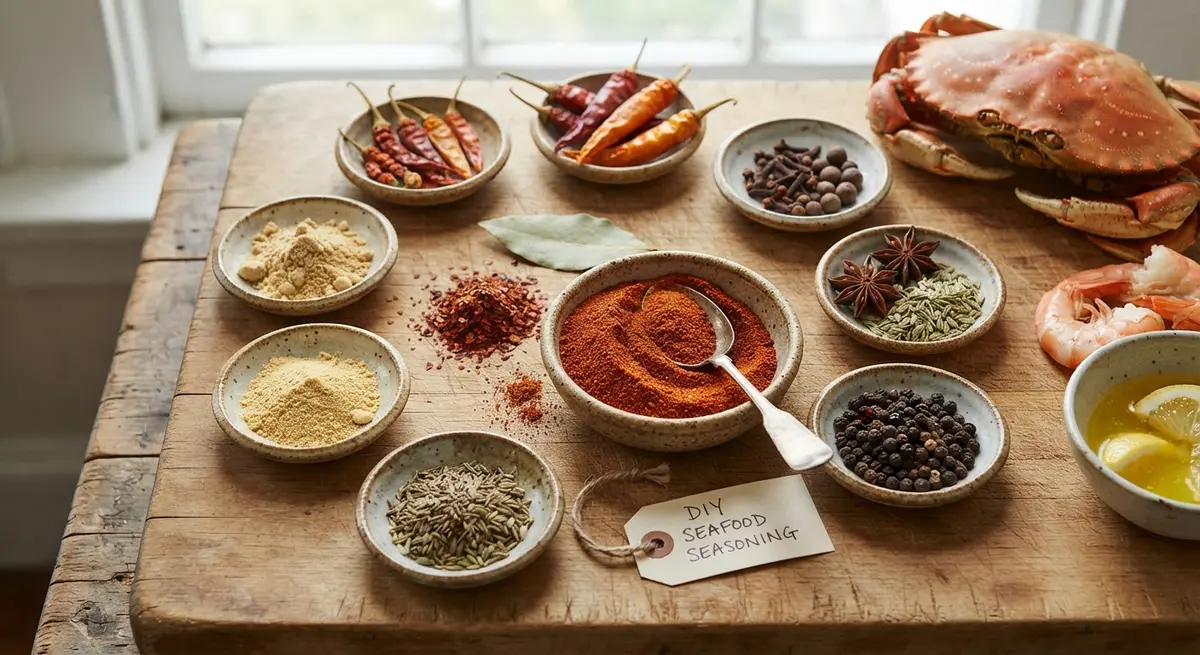
Old Bay Alternative: How to Make Your Own Seafood Spice Mix
Old Bay is iconic, but the label tells a long story. Mix your own and you control the salt, skip the MSG, and still taste the bay.
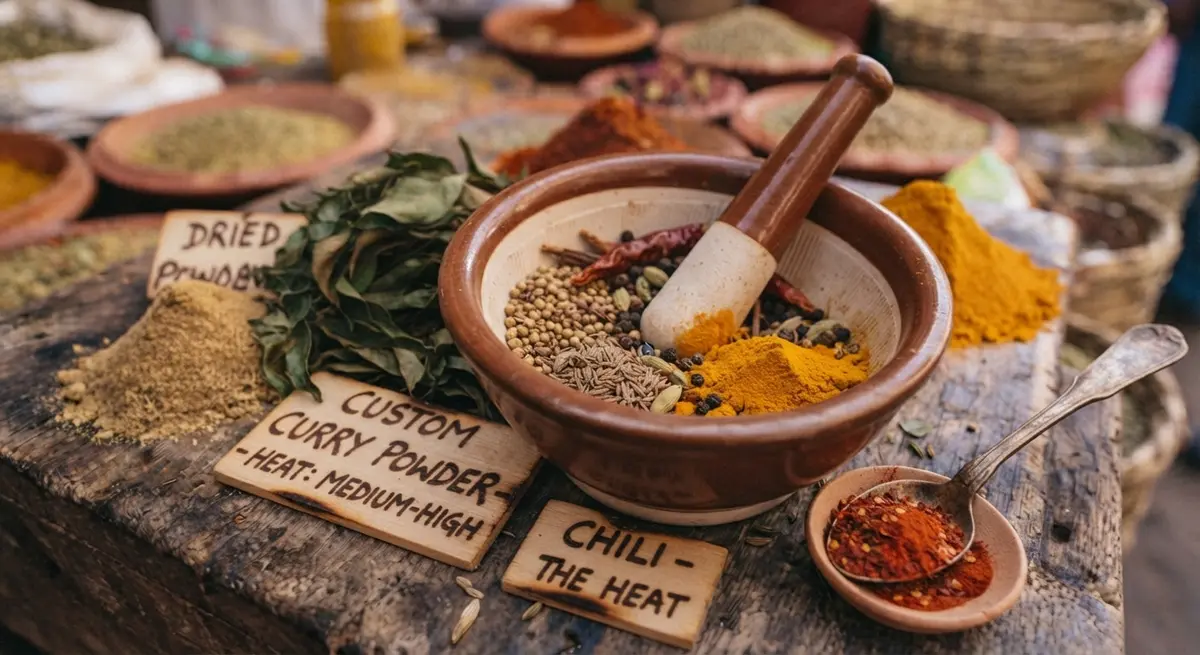
The Science of Curry Powder: Crafting Your Own Custom Heat Level
Most kitchen curry powder is actually a British invention — and that's freeing. You get to build heat exactly your way.
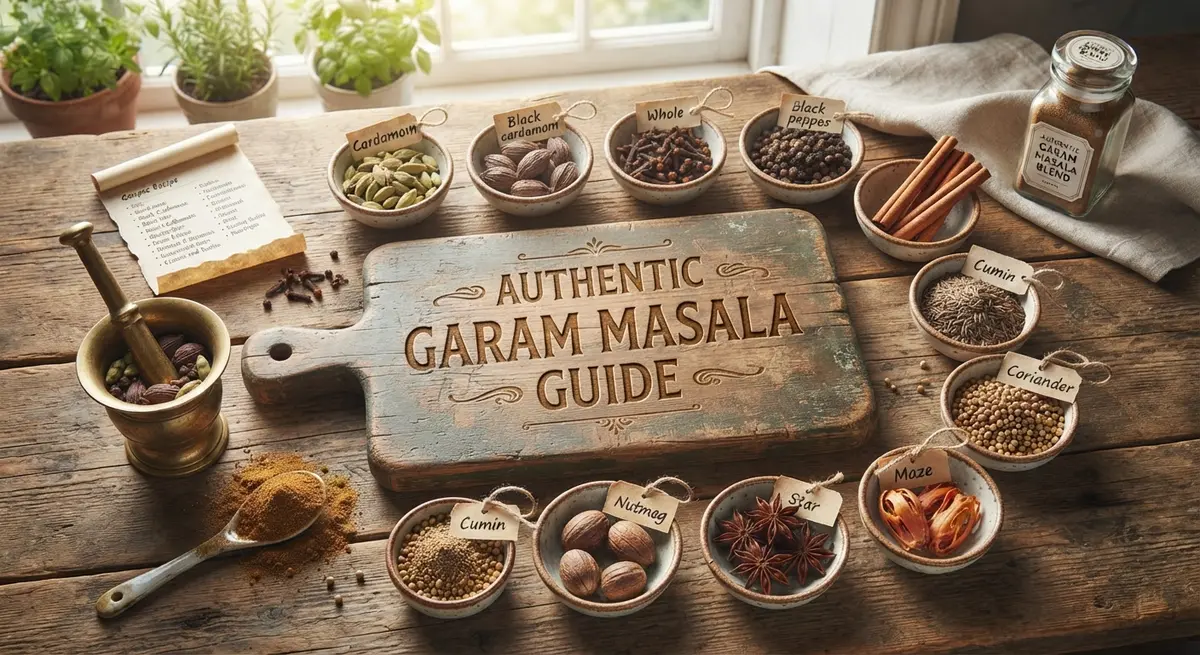
The Ultimate Guide to Making Authentic Garam Masala at Home
Mine lives in a little tin on my counter, and I reach for it more than I reach for salt. Once you taste homemade, you won't go back.
About the Authors
This recipe and guide was developed, tested, and approved in our home kitchen and daily life. Jamy is a retired Food Service District Manager and Early Childhood Program Manager who spent his career overseeing multi-site restaurant operations, large-scale culinary production, and daycare menu management. Kaïna brings the ultimate real-world test: making sure it brings ease and joy to our kids on a busy weeknight.
Read more about our professional background and philosophy →