Chicken Coconut Milk Curry (Canned, Limited to 1/2 cup), Carrots & Zucchini (Seedless) (Creamy without onion)
By the QuiteRecipes team (Jamy & Kaïna) | Food Service Professional, Early Childhood Expert & Parents
A creamy low-FODMAP chicken curry with canned coconut milk limited to half a cup, carrots, and seedless zucchini — no onion anywhere.
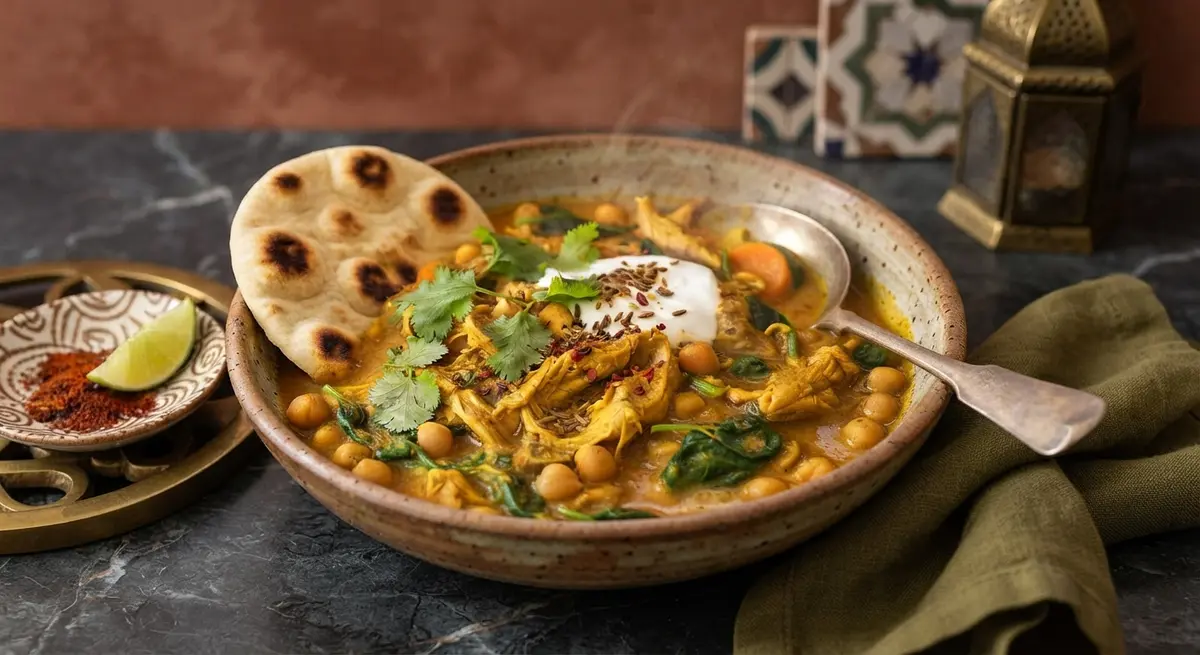
Creamy curry without a single onion — that used to feel impossible, and this pot proves it isn't. Chicken, carrots, and seedless zucchini fold into a canned coconut milk broth held carefully to the low-FODMAP limit, with ginger and a whisper of turmeric carrying the warmth. It is comforting, properly creamy, and completely within the low-FODMAP rules.
🥄 Ingredients
- 🫗 300g (10 oz) chicken breast, cut into bite-size pieces
- 🫗 1/2 cup (120ml) canned coconut milk — the total for the pot, keeping each serving at the low-FODMAP limit
- 🫗 1 tablespoon coconut oil or neutral oil
- 🫗 1 teaspoon grated fresh ginger
- 🫗 1/2 teaspoon ground turmeric
- 🫗 1/2 teaspoon ground cumin
- 🫗 2 carrots (about 150g), peeled and sliced into half-moons
- 🫗 1 zucchini (about 200g), halved, seeds scooped out, and sliced
- 🫗 2 tablespoons chopped cilantro leaves (optional)
- 🫗 1/2 lime, juiced
- 🫗 Salt
Nutrition Facts*
*Nutritional information is an estimate and may vary based on ingredients, brands and portion sizes. Values are provided per serving.
👨🍳 Instructions
Warm the oil in a skillet over medium-high heat. Brown the chicken for 4–5 minutes, then add the ginger, turmeric, cumin, and a pinch of salt and stir for 1 minute until fragrant.
Add the carrots and 1/4 cup (60ml) of water, reduce to a simmer, and cook for 5 minutes.
Stir in the coconut milk and simmer for 6–8 minutes until the chicken is cooked through and the carrots are tender.
Add the seedless zucchini slices for the last 3–4 minutes, until just tender but not mushy.
Finish with the lime juice, taste for salt, scatter with cilantro, and serve with steamed rice if you like.
⚠️ Common Mistakes
- ✕
Adding a fresh garlic clove or onion "for depth" — that undoes the whole point of the dish.
- ✕
Using a whole can of coconut milk; the pot would be lush but the portion would break the rule.
- ✕
Dropping the zucchini in at the start so it turns to mush before the curry is done.
🔄 Variations
Swap the chicken for firm tofu or raw shrimp.
Add drained, rinsed canned bamboo shoots for crunch.
Serve over basmati rice or rice noodles for a bigger plate.
🧊 Storage
- 📦
Keeps 2 days in the fridge; coconut curry tastes even better the next day.
- 📦
Reheat gently — a fast, rolling boil can split coconut milk.
💡 Chef Tips
Tip 1: The half cup of canned coconut milk is the entire pot's worth — per person that sits well under the Monash-safe line, and it keeps the saturated fat honest too.
Tip 2: Scoop the zucchini seeds out with a teaspoon — the seed core is where the excess polyols concentrate.
Tip 3: Toasting the spices in oil for one minute wakes them up without any extra heat-based FODMAP worries.
Tip 4: Use canned coconut milk, not the carton drinking kind — the canned version is the one that creams a sauce.
❓ FAQ
How much coconut milk is allowed? Monash puts the safe ceiling at about half a cup (120ml) per serving; this pot splits that across both servings, so everyone stays inside the line.
Why scoop the zucchini seeds out? The seeded core is where zucchini's excess polyols sit; removing it, along with peeling, is the low-FODMAP convention.
Do I have to serve it with rice? No — the curry is complete on its own; rice is just a fine low-FODMAP add when you want a fuller plate.
🔗 Related Recipes


.webp)
About the Authors
This recipe and guide was developed, tested, and approved in our home kitchen and daily life. Jamy is a retired Food Service District Manager and Early Childhood Program Manager who spent his career overseeing multi-site restaurant operations, large-scale culinary production, and daycare menu management. Kaïna brings the ultimate real-world test: making sure it brings ease and joy to our kids on a busy weeknight.
Read more about our professional background and philosophy →