How to Organize a Kid-Friendly Picnic That Goes Smoothly
By the QuiteRecipes team (Jamy & Kaïna)
A picnic with kids is 90% planning and 10% luck. Here is the food, the gear, and the games that turn a blanket in the park into a happy family afternoon.
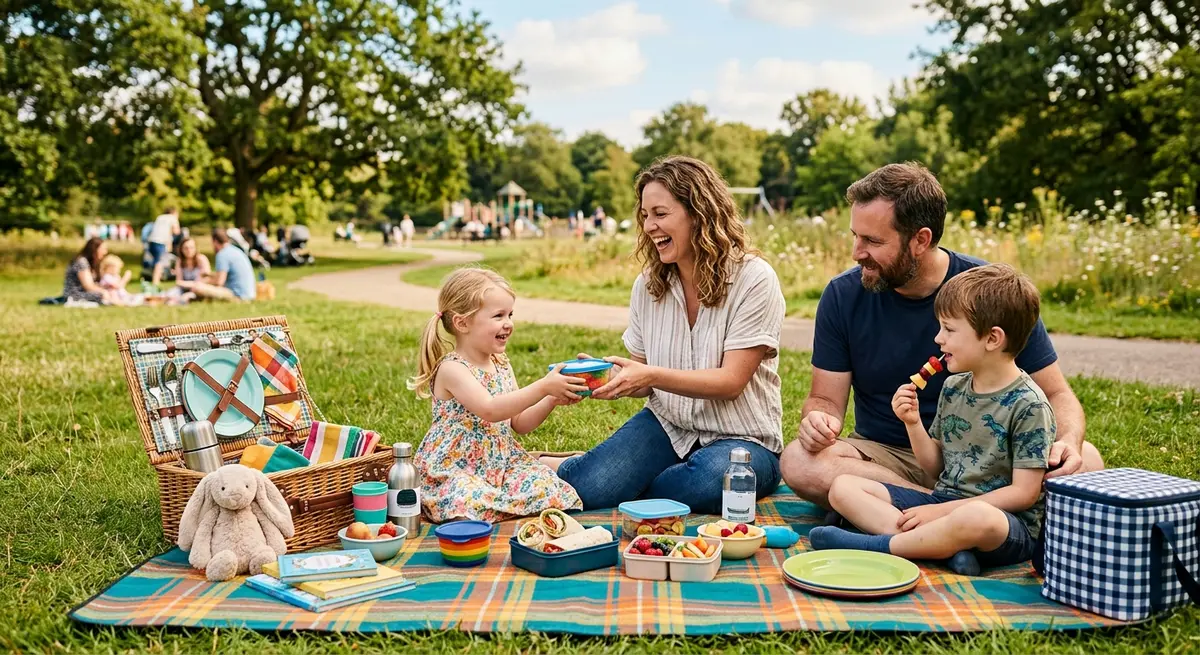
Every spring, I convince myself that this time the picnic will be idyllic: a plaid blanket, warm sun, and children nibbling grapes like a scene from a magazine. Then we get to the park, the wind flips everything, someone steps on the sandwiches, and a toddler announces he hates the great outdoors in eight different ways. I have been the mom packing the ambitious pasta salad with cute little jars, and I have been the mom silently eating her own sandwich in the parking lot.
After years of trial and error — plus a husband who used to run a foodservice operation and can pack a cooler like it breathes — we finally cracked the code. A picnic with kids is not about the perfect scene. It is about removing single points of failure: hard-to-eat food, nowhere to sit, nothing to do, and a schedule that collides with nap time. Plan for those four, and the rest takes care of itself.
This guide is everything we do before the blanket even leaves the trunk: the food that travels, the gear that saves you, the games that survive grass stains, and the timing tricks that keep little people happy from nap to snack.
Start With Food That Travels Like a Trip
When I first packed for picnics, I packed like I was serving dinner at a table. Big mistake. Kids need food they can grab, dip, and eat without a fork tumbling into the grass — and food that still looks edible after an hour in a cooler.
The golden rules after a decade of park lunches:
- Keep it finger-friendly: anything you can hold in one small hand wins. Think veggie sticks, cheese cubes, mini sandwiches, hard-boiled eggs, and fruit that doesn't need a knife at the scene.
- Skip the mayo-heavy, melt-prone stuff. Dressed salads turn sad and risky fast in warm weather; go for ingredients that get better in the shade.
- Pack dips separately so nothing turns to mush before the blanket is down. A small tub of hummus or yogurt travels beautifully.
- Rice paper wraps and small skewers look fancy but create a "two hands required" problem for toddlers — plain and simple beats pretty.
Our family's default picnic plate: quartered turkey-and-cheese sandwiches on sturdy bread, cucumber coins, grape halves, baby carrots, and a jar of olives for the grown-ups. Nothing to reheat, nothing to slice at the scene, everyone eats real food.
Pro tip: freeze a couple of water bottles the night before and use them as the cooler's ice blocks. They keep food cold and turn into cold drinks exactly when the kids get hot and grumpy.
Hydration and the Mess Factor
The two silent picnic killers are thirsty kids and sticky fingers. Plan for both before you leave the house.
- Bring one bottle per child plus a shared refill — kids share everything except attention, and hands-free sippers reduce spills on the blanket.
- Wet wipes and a damp hand towel in a zipper bag should outnumber your guests. Wipe little hands before food, not just after, or everything on the blanket becomes a napkin.
- A garbage bag clipped to the cooler catches wrappers, peels, and the inevitable "I don't want this anymore" item without a swarm of ants claiming a corner of your life.
Gear That Saves the Afternoon
I used to believe a blanket was enough. Then I met wind, damp grass, and a two-year-old who thought the whole thing was a slip-and-slide. A short checklist makes a massive difference:
- A waterproof blanket with a wipe-clean surface on one side — you will be grateful the first time a sippy cup meets the grass.
- A small pop-up shade or an umbrella if there is no tree. Sunburn ends picnics faster than hunger.
- Chairs or stools for the adults, or extra quilts to lean on; on damp ground adults get uncomfortable before kids ever complain.
- A couple of clean old towels for wet slides and spilled drinks — they double as a dry spot for baby feet.
- Keep the heavy cooler in the car or on the picnic table bench, not in the middle of the blanket where it becomes a climbing frame and a disaster waiting to happen.
Games That Pack Flat
The food always invites the games, but a child with nothing to do will find the wind fascinating for about four minutes. Pack activities that fit in the tote and need zero setup:
- A frisbee, a soft ball, and a bubble wand cover 80% of outdoor energy for kids from 2 to 12.
- A scavenger hunt list — "find three yellow things, one smooth rock, one feather" — plants them on their feet and keeps them looking at nature instead of your sandwiches.
- Sidewalk chalk if the park has concrete, or simply a roll of twine to build a "creek" or a pretend fence line. Kid logic works with almost nothing.
- For younger kids, bring one cuddly toy each and let them picnic their own snack on a small second blanket. Giving toddlers a job turns meltdowns into missions.
Timing: Work Around Nap and Hunger
A picnic fails on schedule more often than on food. The sweet spot in our house is the morning window, starting around 10 a.m. — before the sun peaks, before the hangry meltdown, and after the first nap if you have a baby. A morning picnic gets lucky with tired-but-happy children and comfortable temperatures.
- Aim to eat within the first twenty minutes of arriving; kids who wait while you "set up" will revolt on schedule.
- If you must go later, plan a quick snack immediately on arrival and the real meal shortly after, so nobody waits hungry.
- Have an exit plan with dignity: pack a "last activity" (a race, a final swing set visit) so leaving feels like a win, not a walk of shame off the grass.
Make It a Family Habit
Over time we stopped calling our outings "picnics" and started calling them "the good days." It takes one small rolling cooler, the same five food favorites, and a schedule that works with the kids instead of against them. The grass stains and the ants are part of the deal, but so is the memory of small sticky hands breading themselves on the smile while chasing the frisbee.
Start simple: one blanket, three foods, one game, and a good morning. Your children will remember the feeling long after they forget the sandwiches.
Related Articles

Breastmilk or Formula: How to Use Familiar Milk as Your Weaning Helper
Before solids take center stage, familiar milk is still the star. Learn how breastmilk or formula thins purees, softens cereals, and gently eases your baby into new flavors and textures.
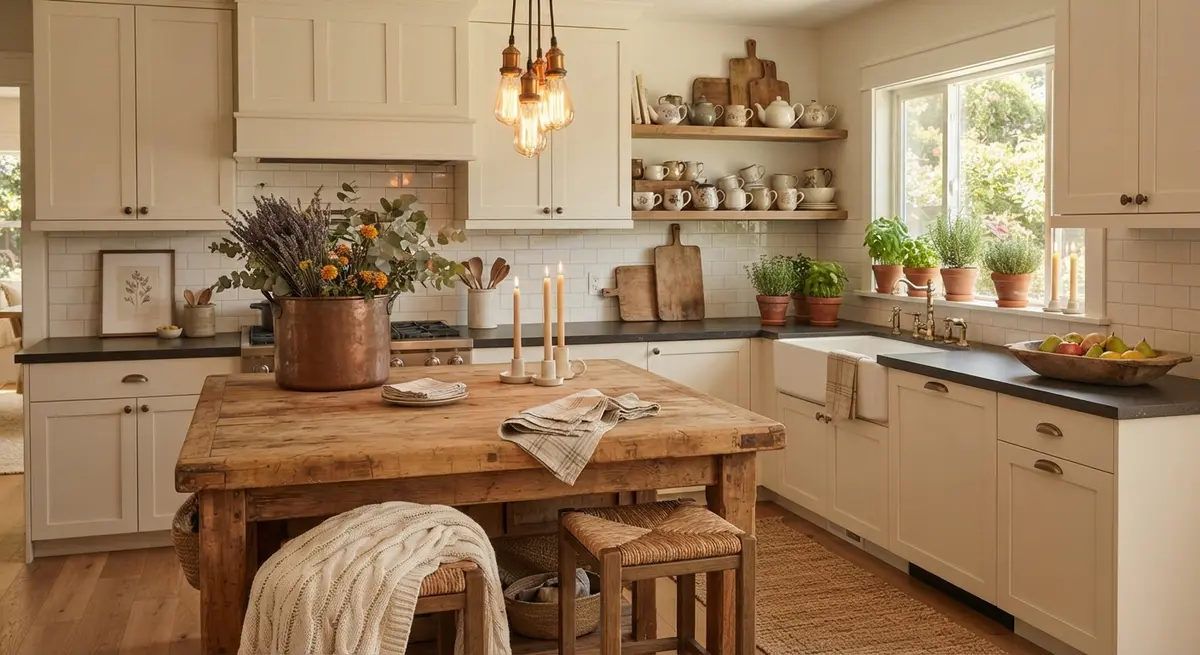
5 Cozy Decor Ideas to Make Your Kitchen Feel Like Home
The coziest kitchens aren't magazine spreads — they're layered light, soft textures, living green, good smells, and room to gather. These five ideas make any kitchen feel like home.
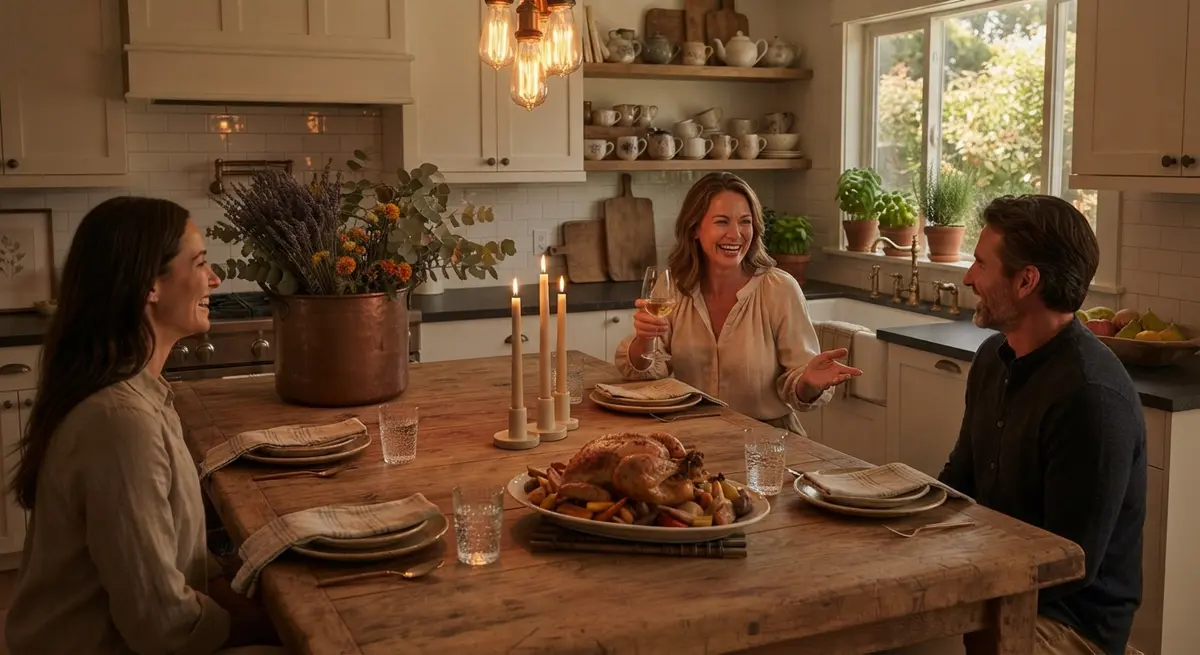
5 Simple Ways to Be a More Gracious and Relaxed Dinner Host
Gracious hosting isn't about fancy food. It's five repeatable habits that calm the room — and you.
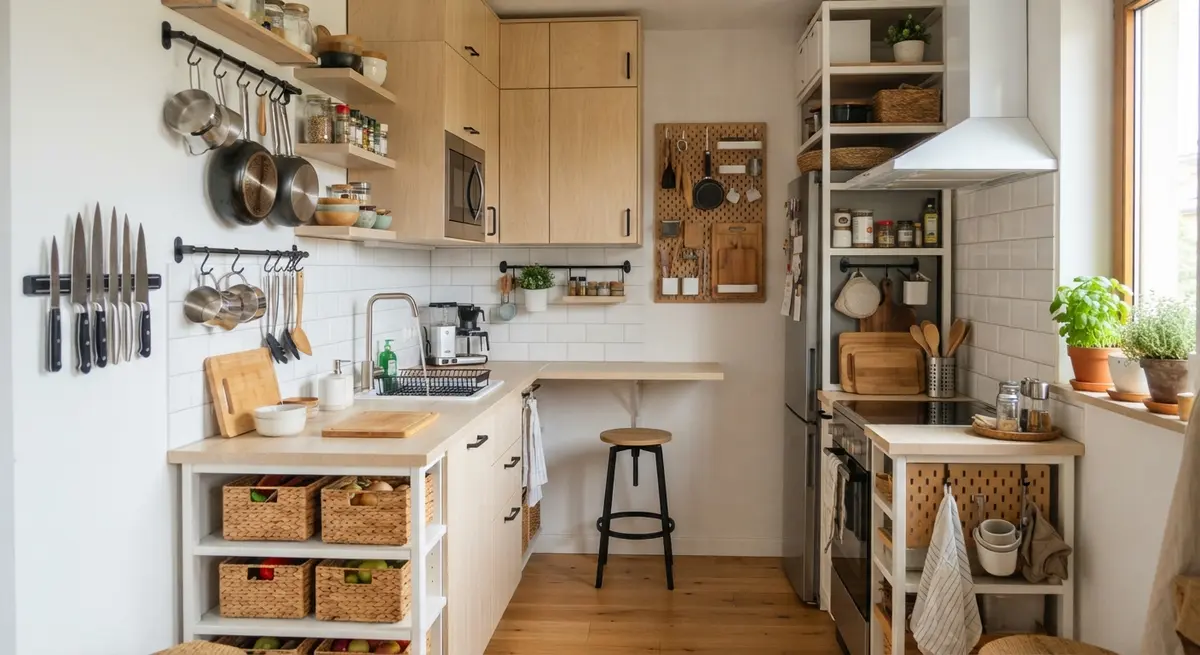
7 Simple Space-Saving Hacks for Small Kitchens
A tiny kitchen can still feel open and work beautifully. These seven hacks — from vertical storage to multitasking tools — double your usable space without a renovation.
About the Authors
This recipe and guide was developed, tested, and approved in our home kitchen and daily life. Jamy is a retired Food Service District Manager and Early Childhood Program Manager who spent his career overseeing multi-site restaurant operations, large-scale culinary production, and daycare menu management. Kaïna brings the ultimate real-world test: making sure it brings ease and joy to our kids on a busy weeknight.
Read more about our professional background and philosophy →