Why a Microplane Is the Best Spice Tool You Own
By the QuiteRecipes team (Jamy & Kaïna)
One fine rasp grate whole nutmeg, ginger, garlic, zest, and chiles into clouds. It is the fastest finishing tool in a spice kitchen.
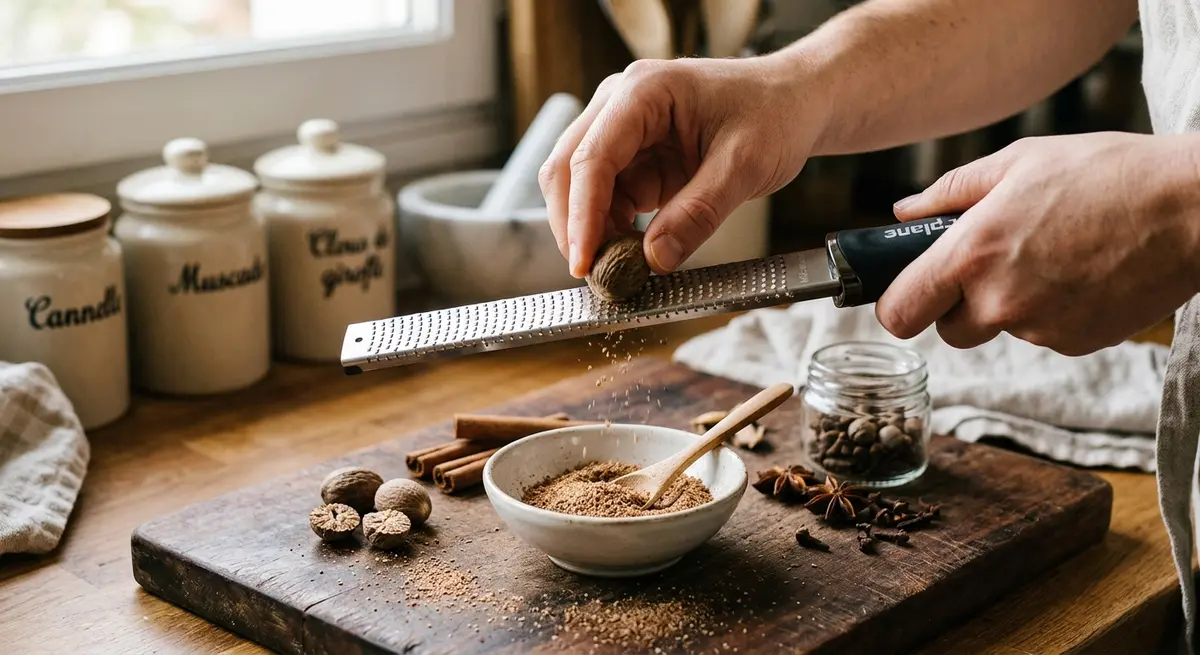
Of all the tools in my kitchen, the one I would most hate to lose costs less than a dinner out: a fine microplane. It turns whole nutmeg into fragrant snow, ginger into juice, garlic into paste, and citrus into perfumed zest in seconds. I bought mine for the nutmeg grater and discovered it is the universal finishing tool. This guide is the grip, the stroke, and the ten spices that deserve the microplane treatment.
Why It Matters
Whole spices arrive as vaults: nutmeg, cinnamon bark, ginger, horseradish, turmeric, and garlic. The microplane opens them instantly, releasing their oils straight into the air and the dish, fresher than any pre-ground powder. A fine rasp also protects your knuckles when used right, and it makes the finishing pinch effortless: one sweep over a finished plate and dinner looks like it came from a professional kitchen. It is small, cheap, and sharp, the perfect featured tool for a spice lover.
The Technique, Step by Step
- Hold the rasp at a slight angle over your bowl or plate, stable on the counter or with a thumb.
- Grate with long, even strokes, moving the whole nut or ingredient, not the tool.
- For zest, use the strips in one direction and stop before the white pith enters.
- For garlic and ginger, grate directly into oil or sauce, catching the juicy base.
- For chiles and horseradish, grate on demand and use immediately, the oils fly fast.
- Rinse the microplane right away under water and brush the underside with a dry brush.
Common Mistakes to Avoid
- Grating over the counter and losing the flakes: grate directly into the dish or a small bowl.
- Going down to the nub of the nutmeg: near the end, skin transfers and grates turn to grit.
- Including the bitter pith of citrus zest: white flesh turns the perfume to a sour scrape.
- Grating garlic on the fine side for a rub: the juice is great, but the clove falls apart fast.
- Letting the microplane sit dirty: oils harden, and next week's thyme tastes like last week's garlic.
Quick Wins & Variations
- Grate a whole nutmeg over custard, ice cream, or bechamel for a bakery glow.
- Use the fine side for a fast garlic-ginger paste for stir-fries.
- Zest the whole lemon at once and freeze the bright scraps.
- Grate horseradish or chile directly into a condiment when you crave the bite.
- Add a medium or fine grater to the tool drawer, the microplane is the finishing-tool prize.
FAQ / Quick Facts
- What is the microplane best for? Whole nutmeg, ginger, garlic, citrus zest, chiles, and hard spices, instant fragrance.
- Do I need to peel ginger before grating? No, a thick-skinned ginger grates beautifully skin-side down.
- How do I avoid scraping the jury? Grate with even strokes and stop before the nub or with a safe finger guard.
- Is the microplane a finishing tool? Also, one sweep over a wood plate finishes soups, salads, and mains instantly.
Related Articles
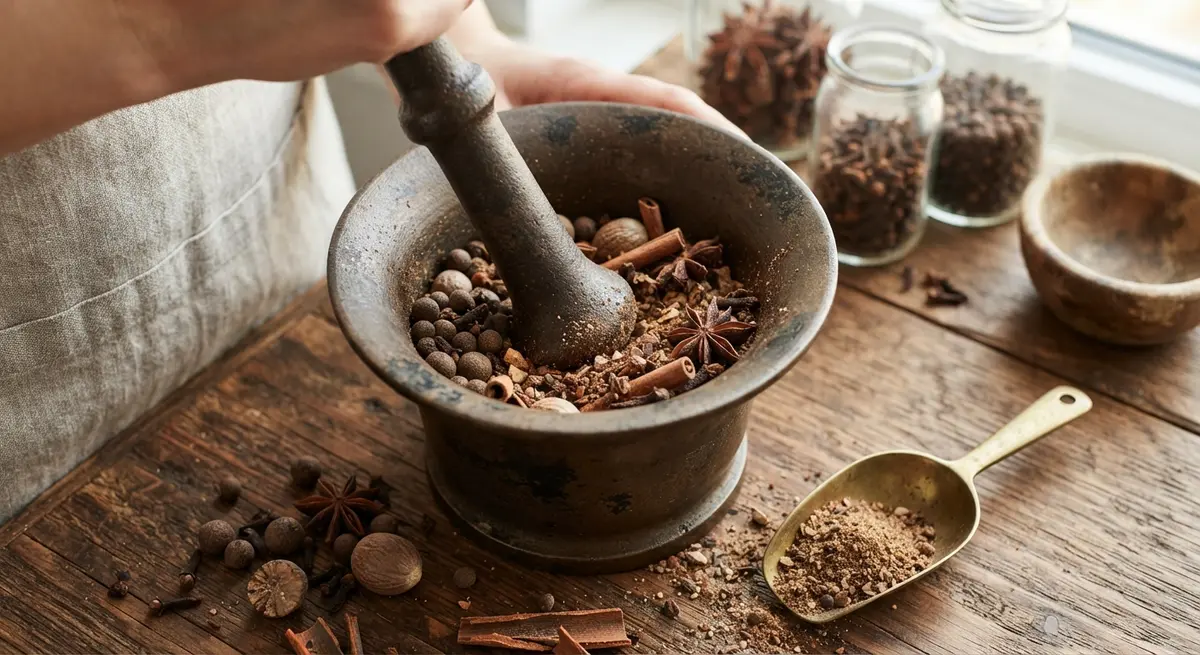
How to Grind the Hard Spices Without Losing Your Mind
Cinnamon bark, nutmeg, and star anise are stubborn. Warm them, break them, wrap them, and even a cheap grinder will surrender fine powder.
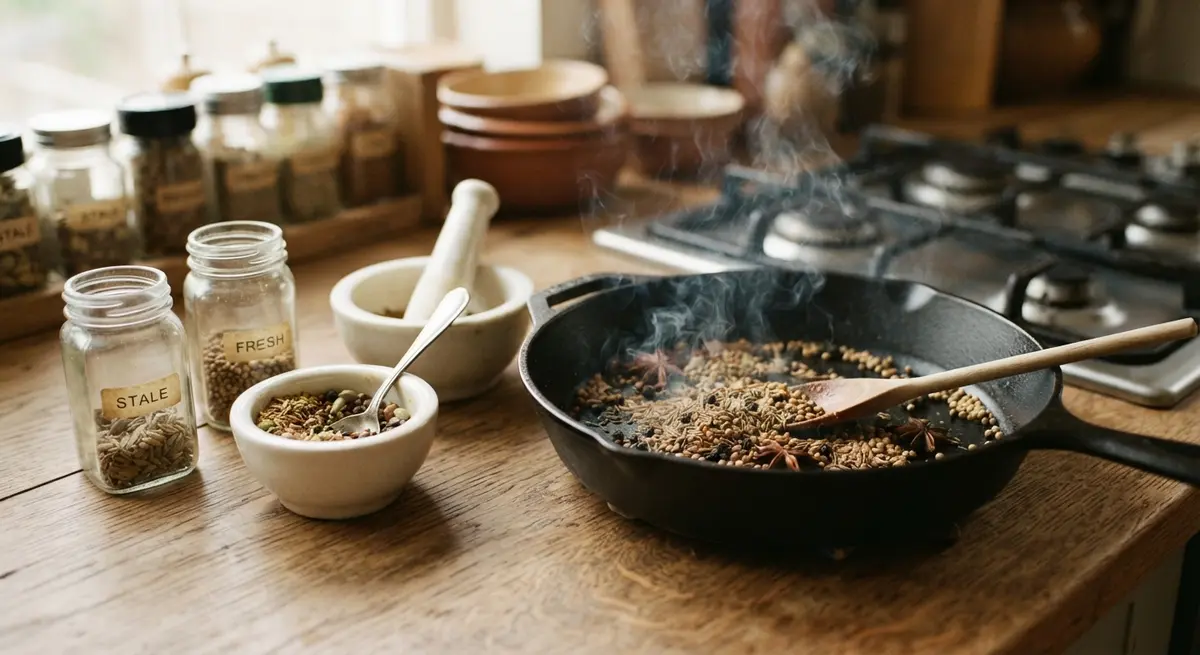
Can You Revive Stale Spices? Mostly No, and Here Is the Fix
Stale spice can be nudged back a little, never fully. Toast, blend, and refresh what you can with restraint; some jars just deserve retirement.
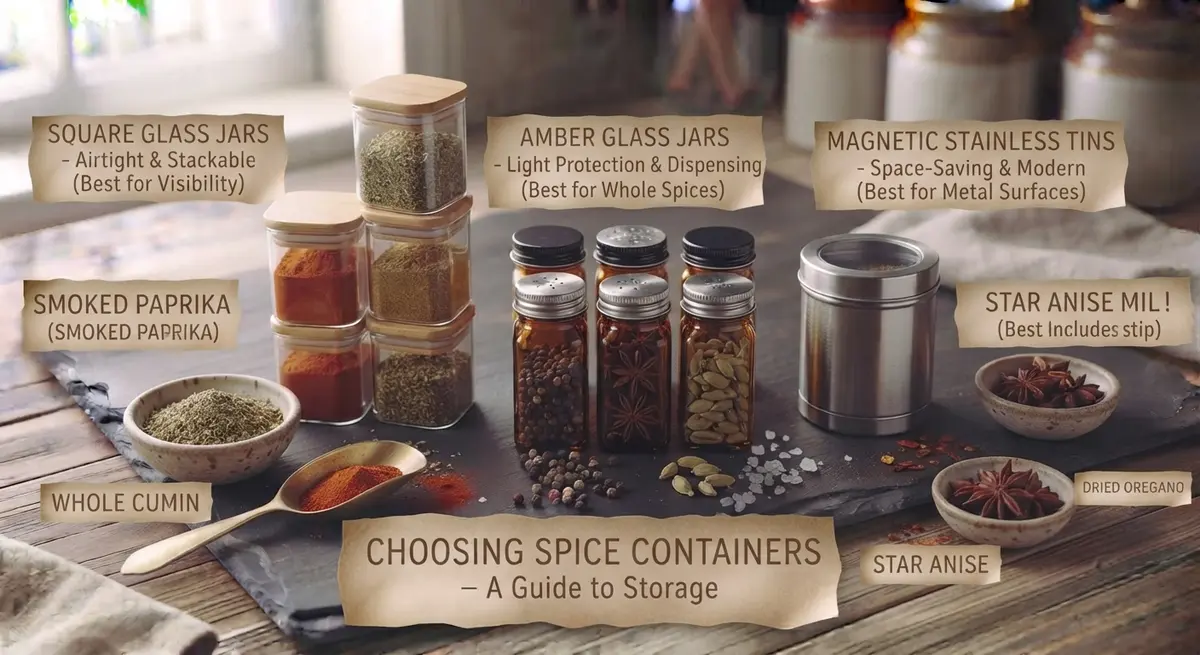
Choosing the Right Containers for Your Spice Stash
Glass, tin, and plastic each suit a different spice job. Match container to use, with little brown jars winning for the everyday shelf.
Cooking Low-Sodium With Spices That Carry the Flavor
Cutting sodium is easier when spice, acid, and umami do the heavy lifting. Build low-salt flavor in layers and no one misses the salt.
About the Authors
This recipe and guide was developed, tested, and approved in our home kitchen and daily life. Jamy is a retired Food Service District Manager and Early Childhood Program Manager who spent his career overseeing multi-site restaurant operations, large-scale culinary production, and daycare menu management. Kaïna brings the ultimate real-world test: making sure it brings ease and joy to our kids on a busy weeknight.
Read more about our professional background and philosophy →