How to Test Whether a Spice Is Still Worth Using
By the QuiteRecipes team (Jamy & Kaïna)
Guessing if a spice is stale costs you the dish. These three quick tests, nose, pinch, and hot oil, settle the question in seconds.
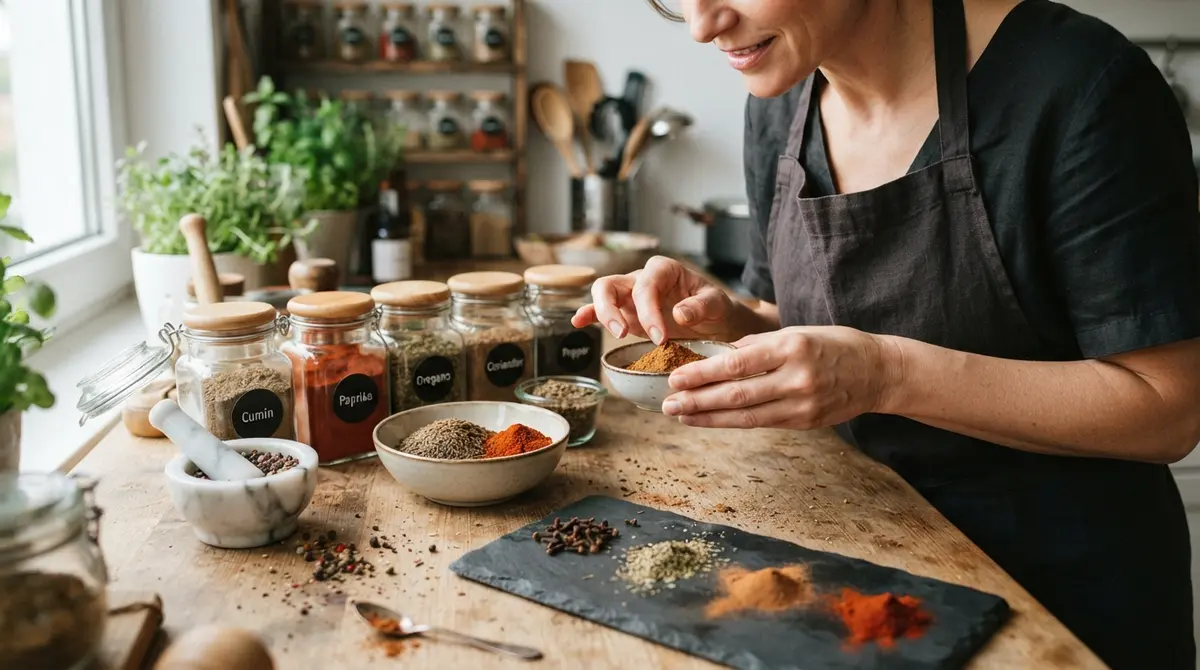
There is a way to check a spice that is faster than googling a shelf-life chart, and it takes about four seconds. I have a jar of cinnamon in my drawer that traveled with me for years, and one sniff test retired it for good. The test is simple because stale spice fails in three obvious ways: it smells like nothing, tastes like nothing, and does nothing in oil. Learn the three signals and you never need a label again. This guide turns your own nose into the most reliable freshness tool in the kitchen.
Why It Matters
Freshness decides whether a recipe sings or flatlines, and the difference between a fresh jar and a dead one is enormous. A stale spice still looks like spice, which is why the label date lies and judgment matters. Learning quick sensory tests lets you rescue what is alive, replace what is spent, and stop wasting money on jars that quietly died. It also builds the habit of tasting as you cook, which is the single best seasoning skill there is.
The Technique, Step by Step
- Open the jar and bring it close to your nose, take a single deep, deliberate sniff, not a huff.
- Ask whether the aroma is as strong as it should be: cumin should smell like cumin, loudly.
- Rub a small pinch between thumb and index finger, warmth releases the last oils, then sniff again.
- Toss a pinch into a teaspoon of hot oil in a small pan, if it perfumes the air quickly, it is lively.
- Look at the color: a paprika that has gone from red to brown-gray has spent its pigment.
- Decide now: keep it if it passes, and donate it or school-sniff-test it if it fails.
Common Mistakes to Avoid
- Sniffing from arm's length: the aromatic cloud is thin, bring the jar all the way up.
- Checking color alone: some ground spices naturally darken, so combine smell with the hot-oil test.
- Trusting the label date over the tongue: dates tell age, not the truth, noses tell truth.
- Testing spice raw and declaring it dead: heat changes things, the hot-oil test is the fair judge.
- Keeping a failing jar "for visual display": a pretty jar is story, but the cooking deserves better.
Quick Wins & Variations
- Run the sniff test on three jars a week and keep the drawer honest.
- Renew your top five spices each season and the confidence jump shows.
- Grind a fresh whole alternative immediately when a jar fails the sniffer.
- Test whole seeds by crushing, warmth and fresh aroma arrive together.
- Give failing jars to the compost pile, then notice the soil gets the life, not the food.
FAQ / Quick Facts
- What does stale spice smell like? Dust, cardboard, or nothing at all, the sharp character simply disappears.
- How fast do spices lose freshness? Ground spices within months; whole spices over a year or two, kept cool and airtight.
- Is the hot-oil test necessary? It is the fairest, since some spices only release aroma with heat.
- Should I trust my nose? Yes, for freshness, the human nose is shockingly accurate at catching faded spice.
Related Articles
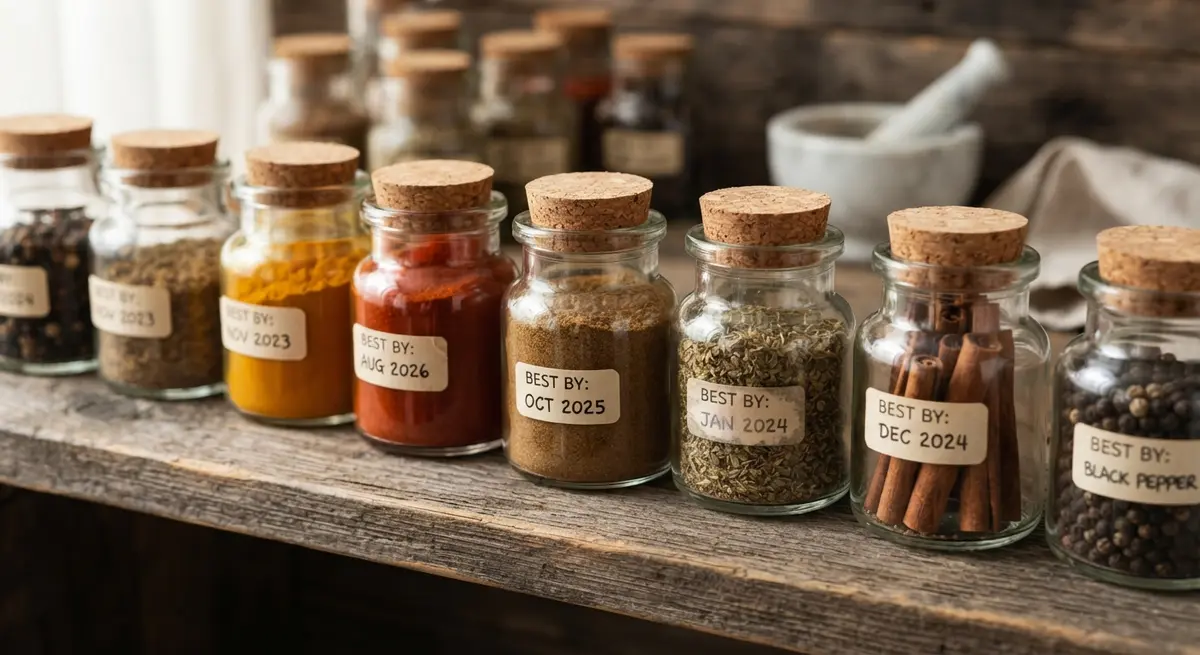
Understanding Spice Best-By Dates Without the Guilt
A best-by date marks peak quality, not the moment flavor ends. Sniff the jar, taste the pinch, and let your senses own the decision.
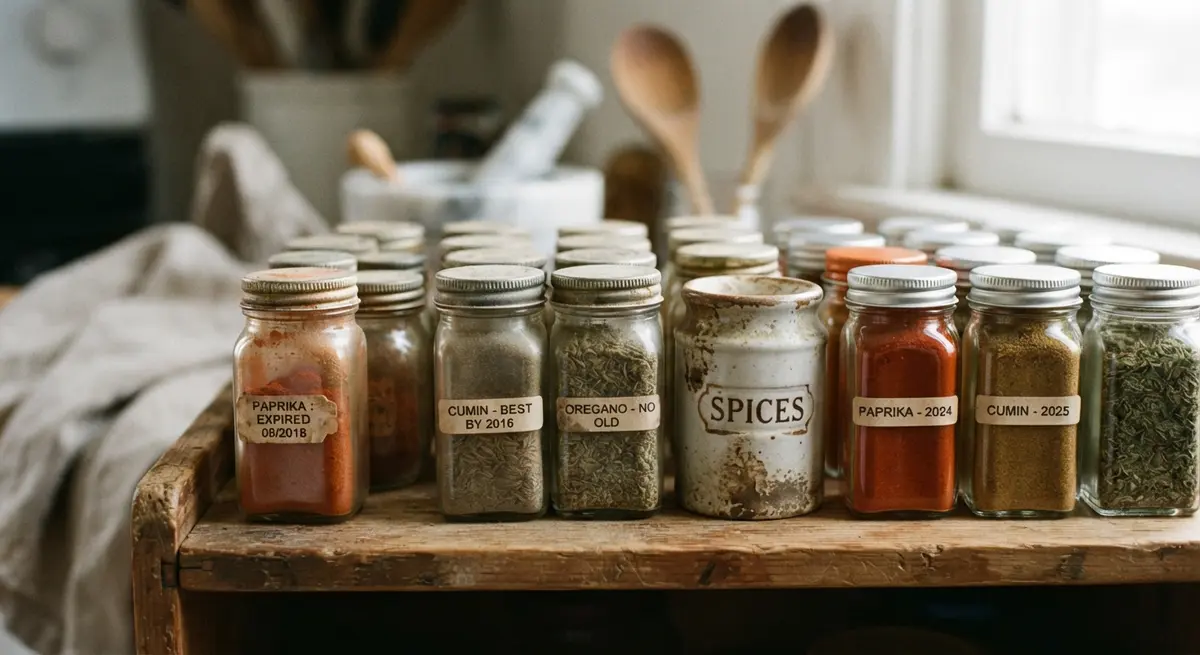
Do Spices Expire? How to Read the Date and Sniff the Truth
Spice dates are about flavor, not food safety. A sniff and a pinch tell you when a jar is past its prime and needs to go.
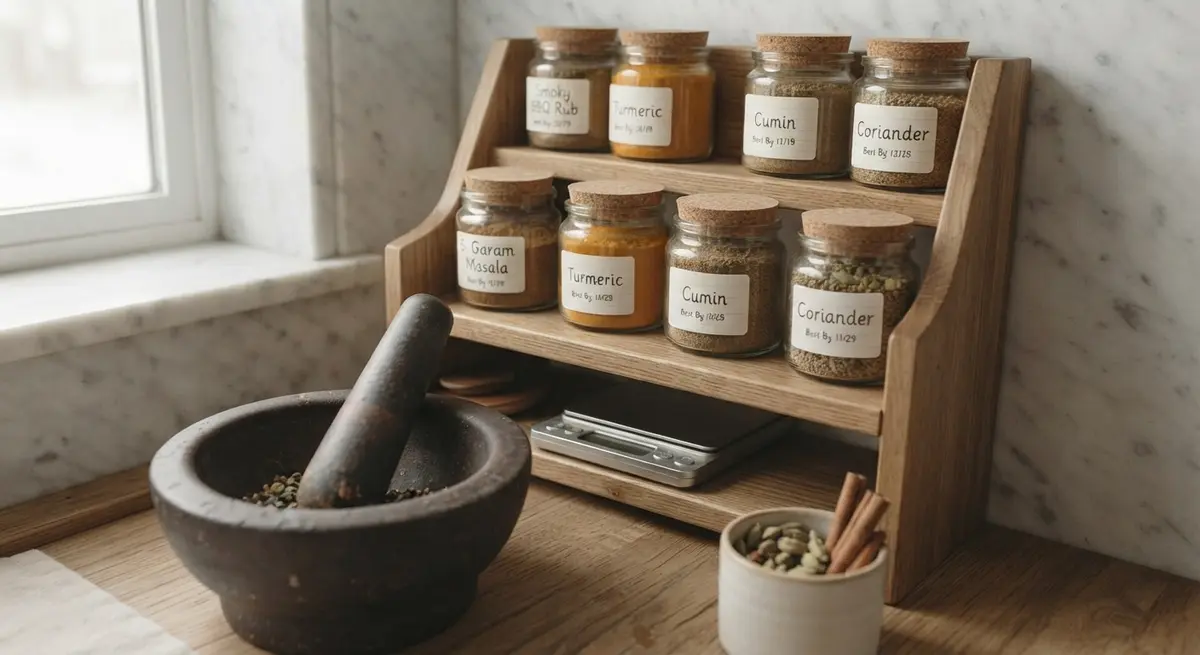
How to Store Spices So They Stay Loud Longer
Air, light, and warmth quietly rob your spices. Put them in a cool, dark drawer in airtight jars and they keep their edge twice as long.
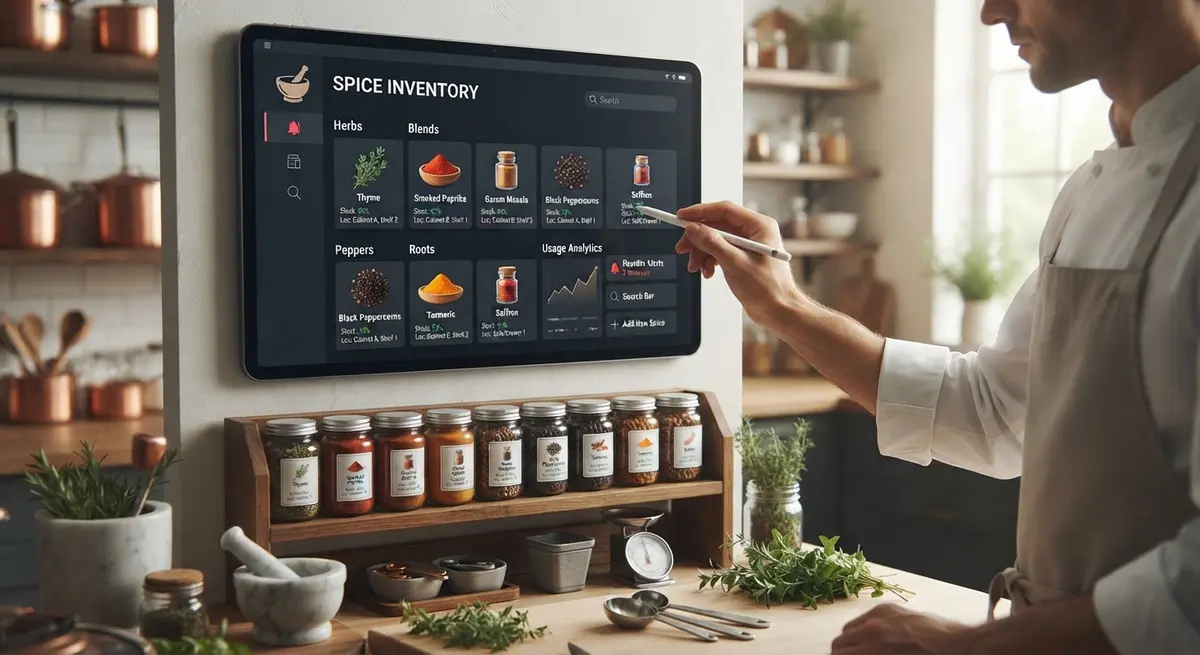
The Spice Inventory System: See What You Have, Use What You Buy
A labeled jar, a one-page list, and a monthly sweep keep thirty spices tidy. Track the ten you use, and no jar ever dies in the back.
About the Authors
This recipe and guide was developed, tested, and approved in our home kitchen and daily life. Jamy is a retired Food Service District Manager and Early Childhood Program Manager who spent his career overseeing multi-site restaurant operations, large-scale culinary production, and daycare menu management. Kaïna brings the ultimate real-world test: making sure it brings ease and joy to our kids on a busy weeknight.
Read more about our professional background and philosophy →