How to Fix an Overspiced Dish Without Starting Over
By the QuiteRecipes team (Jamy & Kaïna)
One heavy pinch too many? Don't toss the pot. Dairy, acid, sugar, or a plain base pulls heat and spice back to balance.
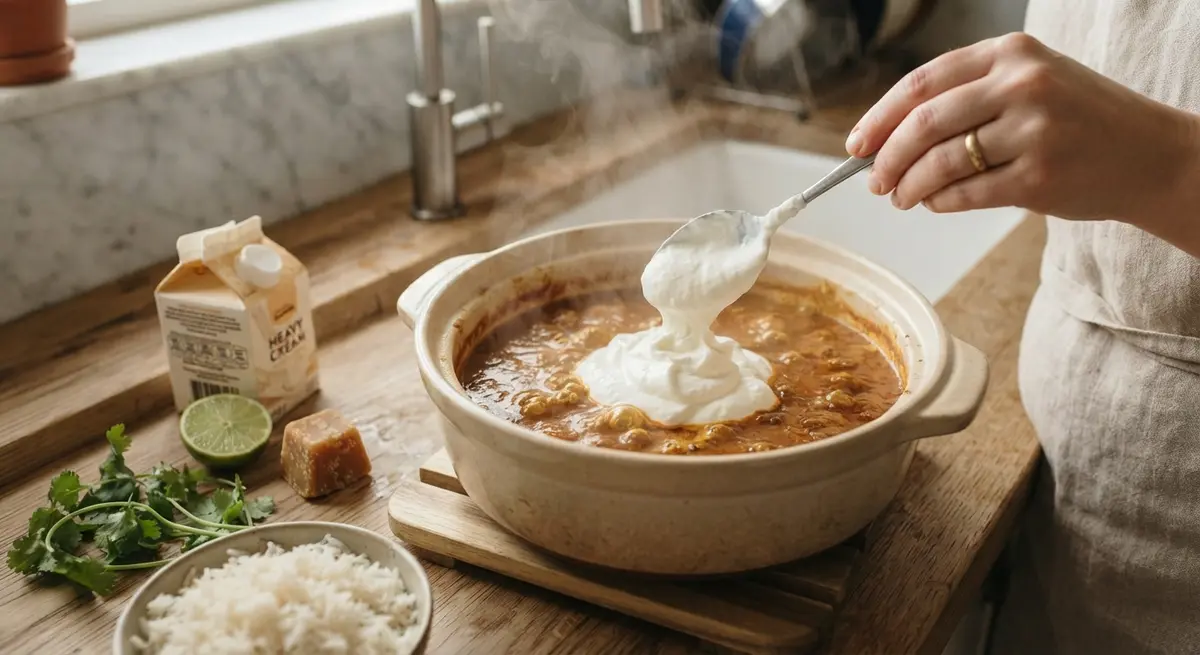
We have all done it: tipped one spoon too many, and the pot now tastes like a science experiment. The good news is that overspicing is almost always fixable, and you rarely need to throw anything away. My rule grew from a week of spicy fails and a bowl of plain rice: choose your rescue based on the problem. Too hot? dairy. Too bitter? acid. Too dry and spicy? a neutral base. This guide is the rescue map I now keep on the fridge for the curries and stews that overshoot.
Why It Matters
Spice goes wrong in different ways, and each way needs a different move. Capsaicin heat dissolves in fat, which is why dairy and rich bases calm it. Bitter over-toasting responds to acid and sweetness. Oversalted spice blends behave like salt, so they need dilution or a creamy mate. Understanding which complaint you have lets you fix the dish without losing its character. It also teaches you to season bravely up front, because the recovery is now just a step, not a funeral.
The Technique, Step by Step
- Diagnose first: taste, wait ten seconds, name the problem, heat, bitterness, or saltiness.
- For heat: stir in dairy, cream, coconut milk, or yogurt, or fold in a spoon of peanut, almond, or cashew butter.
- For scorched bitterness: add a splash of acid, lemon, lime, or vinegar, then a pinch of sugar or honey.
- For salt and spice overload: dilute with stock, unsalted broth, or pureed plain vegetables.
- Give the rescue a few minutes to settle, then taste again before adding anything else.
- Serve hot with cool sides, yogurt, rice, or fresh bread, so the balance reads on the plate.
Common Mistakes to Avoid
- Adding a gallon of water to chase spice: it dilutes everything, and the flavor thins out with the fire.
- Reaching for sugar first at the first sign of heat: sugar masks briefly, but bitter and salty need different medicine.
- Tasting immediately after adding a fix: give the dish time to absorb the rescue before you judge it.
- Fixing a single portion instead of the pot: balance the whole batch so the recipe stays fair for everyone.
- Over-rescuing: one spoon of cream is a fix, a quart is a new soup with an identity crisis.
Quick Wins & Variations
- Stir in a spoon of tomato paste to tame heat and rebuild savory depth at once.
- Add grated potato and simmer, the starch swallows excess spice in soups and stews.
- Fold in a beaten egg yolk off the heat for a quick, rich calm in thick sauces.
- Reach for a neutral side: rice, bread, or potatoes absorb heat per bite.
- Finish bright with yogurt and herbs so the dish reads balanced, not survived.
FAQ / Quick Facts
- What calms spicy hot best? Fat in diary form, cream, yogurt, or coconut milk, with a little sweetness to settle it.
- Can sourness fix an overspiced dish? Yes, for burnt or bitter spice, acid and a small sweetener rebalance well.
- How much do I add? Less than you think, a spoon at a time, then let it rest before you taste again.
- Does salt reduce spiciness? No, salt makes other flavors louder, it does not calm fire, so choose fat and acid instead.
Related Articles

Can You Revive Stale Spices? Mostly No, and Here Is the Fix
Stale spice can be nudged back a little, never fully. Toast, blend, and refresh what you can with restraint; some jars just deserve retirement.
Choosing the Right Containers for Your Spice Stash
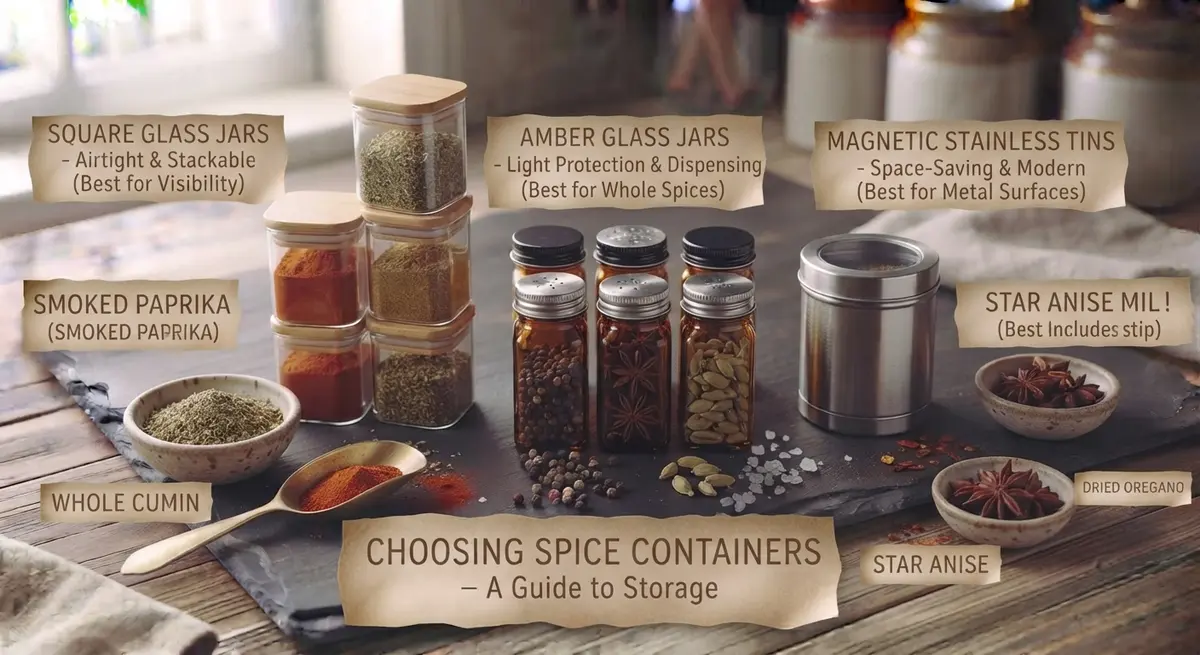
Glass, tin, and plastic each suit a different spice job. Match container to use, with little brown jars winning for the everyday shelf.
Cooking Low-Sodium With Spices That Carry the Flavor
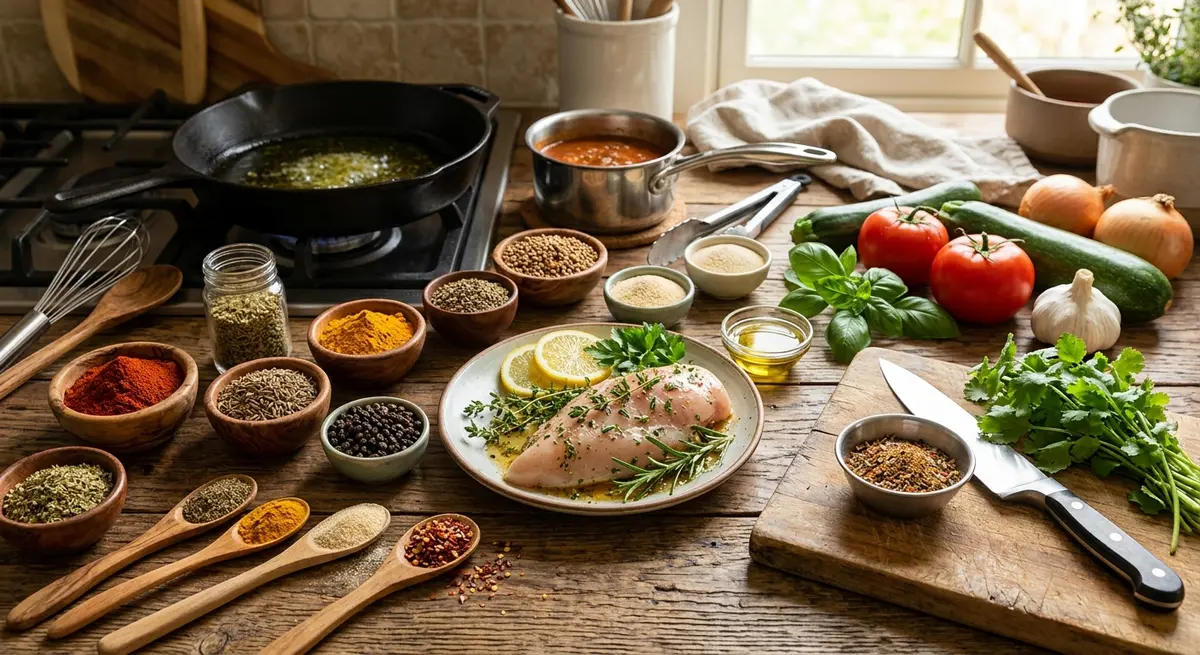
Cutting sodium is easier when spice, acid, and umami do the heavy lifting. Build low-salt flavor in layers and no one misses the salt.

Do Spices Expire? How to Read the Date and Sniff the Truth
Spice dates are about flavor, not food safety. A sniff and a pinch tell you when a jar is past its prime and needs to go.
About the Authors
This recipe and guide was developed, tested, and approved in our home kitchen and daily life. Jamy is a retired Food Service District Manager and Early Childhood Program Manager who spent his career overseeing multi-site restaurant operations, large-scale culinary production, and daycare menu management. Kaïna brings the ultimate real-world test: making sure it brings ease and joy to our kids on a busy weeknight.
Read more about our professional background and philosophy →