The Short History of Spice: From Caravan to Countertop
By the QuiteRecipes team (Jamy & Kaïna)
Pepper was once worth its weight in gold. A five-minute tour of spice's past explains why those jars matter and how they arrived.
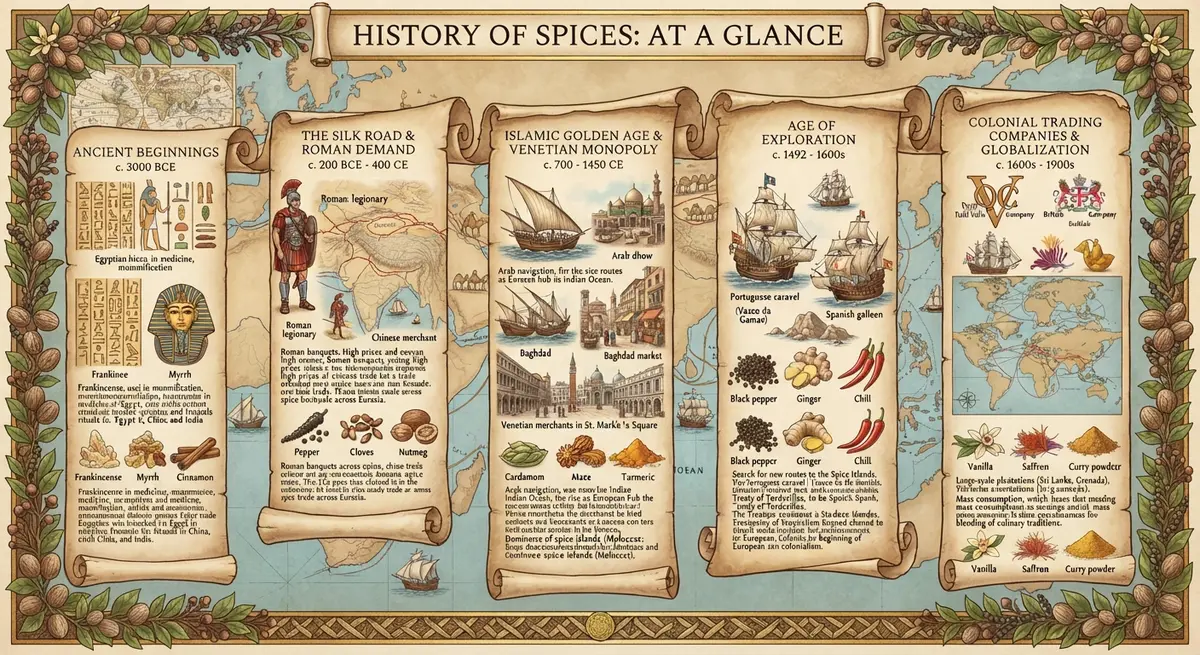
The spice rack over your stove is a monument to one of the wildest chapters in human history. Pepper, cloves, and nutmeg once traveled oceans, emptied purses, and launched empires, all because they made food taste alive in an age before refrigeration. I find that history makes every pinch more interesting, and it also explains a few practical things: why some spices stay pricey, why whole spices were worth dying for, and how the modern jar got so cheap. This guide is the five-minute tour I keep in my head while I cook.
Why It Matters
Understanding spice history explains your kitchen's whole layout. Whole spices kept longer and traveled better than ground, which is why the finest kitchens still grind on demand. The lust for pepper financed exploration, and Dutch obsession with nutmeg nearly drove a spice's annihilation. Knowing why spices were treated like currency makes you value freshness, protect oils, and respect that there are two paths for every jar: whole or ground, precious or practical.
The Technique, Step by Step
- Start with the trade routes: from the Moluccas clove islands to Rome, silks and spices, one long road.
- Meet the great spice ships, the Portuguese globes and Dutch fleets, each rewriting maps.
- Appreciate why whole beat ground: a ground spice was a stale spice, so husks traveled.
- Notice taste whiplash: nutmeg on custards, pepper on everything, saffron for the extravagant.
- See where the money went: pepper made merchants rich, and empires financed voyages for a berry.
- Land at your pantry: the same pepper, now cheap and ground, still voted the most used spice.
Common Mistakes to Avoid
- Forgetting that "fresh-grinding" is a historical skill, not a fad: hulls protected oils for the whole journey.
- Assuming price equals quality: saffron's cost is labor, not always quality, a modern lesson.
- Assuming rare today means rare then: pepper was once worth its weight in gold, and now it is everywhere.
- Skipping storage knowledge: the same oils that made traders rich are the ones you still protect.
- Letting the history lesson push you into buying exotic jars you never cook with.
Quick Wins & Variations
- Share one spice story at the table, pepper is always the crowd-pleaser.
- Compare a whole and ground jar of the same spice, taste the history in practice.
- Add a pinch of nutmeg to custard and think of the nutmeg wars.
- Keep a decent pepper mill and save a "green gold" conversation for dinner.
- Try an uncommon whole spice once, you are participating in a modern trade itself.
FAQ / Quick Facts
- Why were spices so valuable? They preserved and flavored food before refrigeration, and the journey from the East was brutal and long.
- Which spice toppled empires? Nutmeg and cloves drove fleets and trading wars, while pepper financed the ages.
- Is pepper still the top spice? Yes, black pepper remains the most-used spice in the world's kitchens.
- What changed to make spices cheap? Modern growing, shipping, and grinding made them ordinary pantry staples.
Related Articles
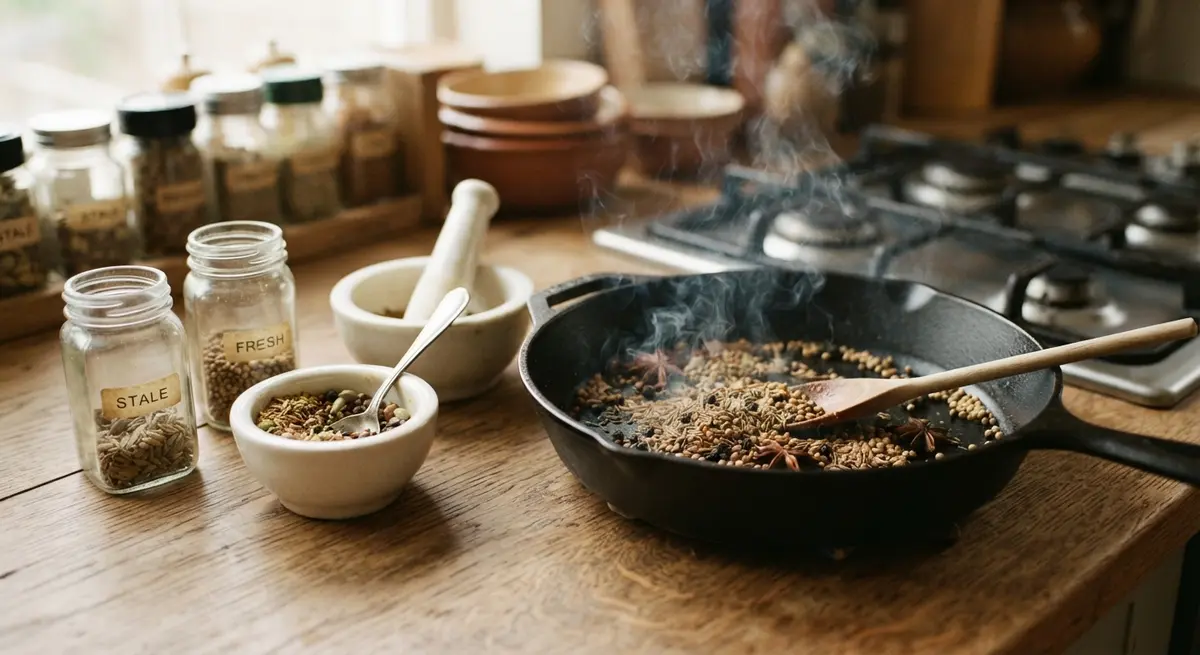
Can You Revive Stale Spices? Mostly No, and Here Is the Fix
Stale spice can be nudged back a little, never fully. Toast, blend, and refresh what you can with restraint; some jars just deserve retirement.
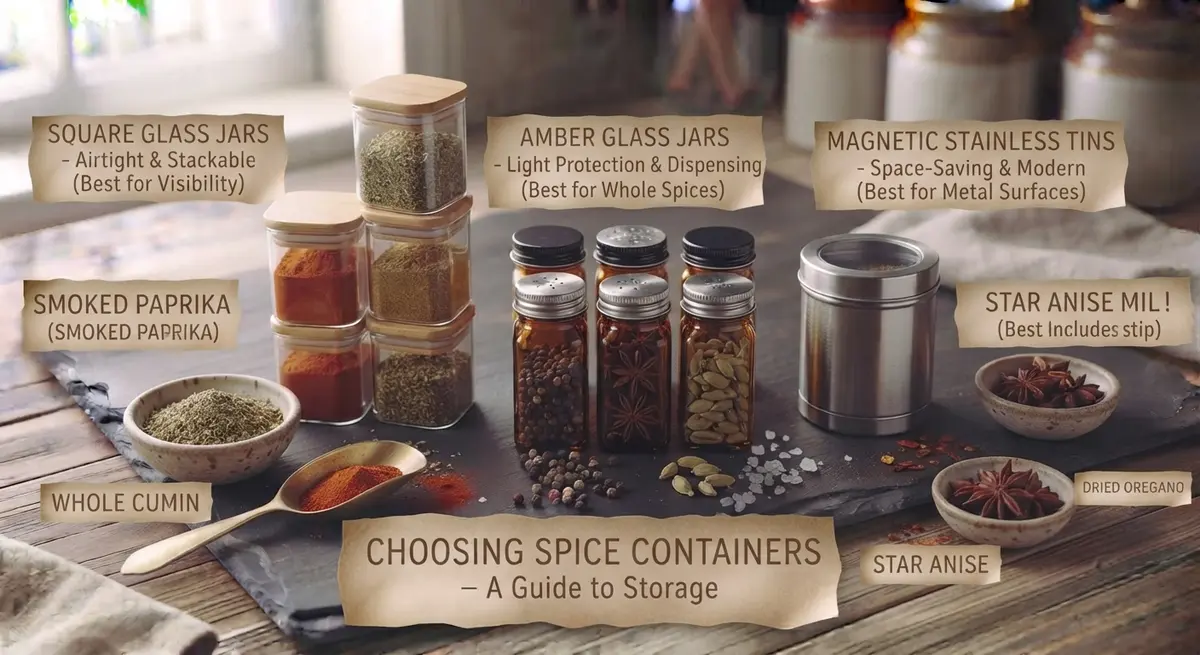
Choosing the Right Containers for Your Spice Stash
Glass, tin, and plastic each suit a different spice job. Match container to use, with little brown jars winning for the everyday shelf.
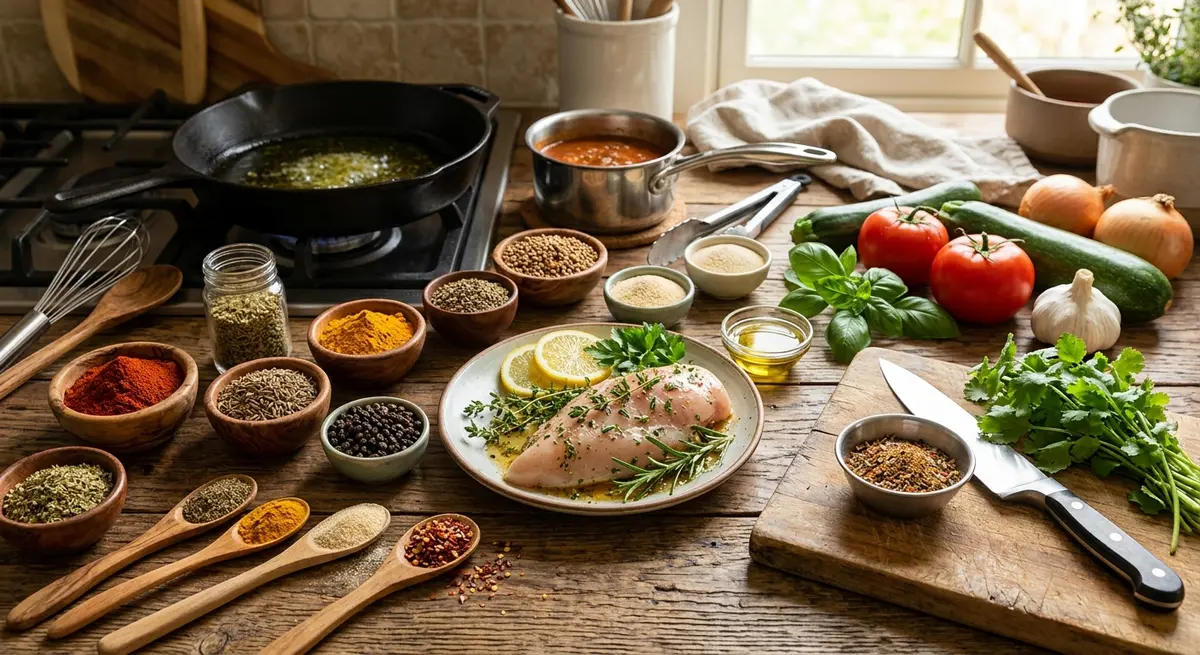
Cooking Low-Sodium With Spices That Carry the Flavor
Cutting sodium is easier when spice, acid, and umami do the heavy lifting. Build low-salt flavor in layers and no one misses the salt.
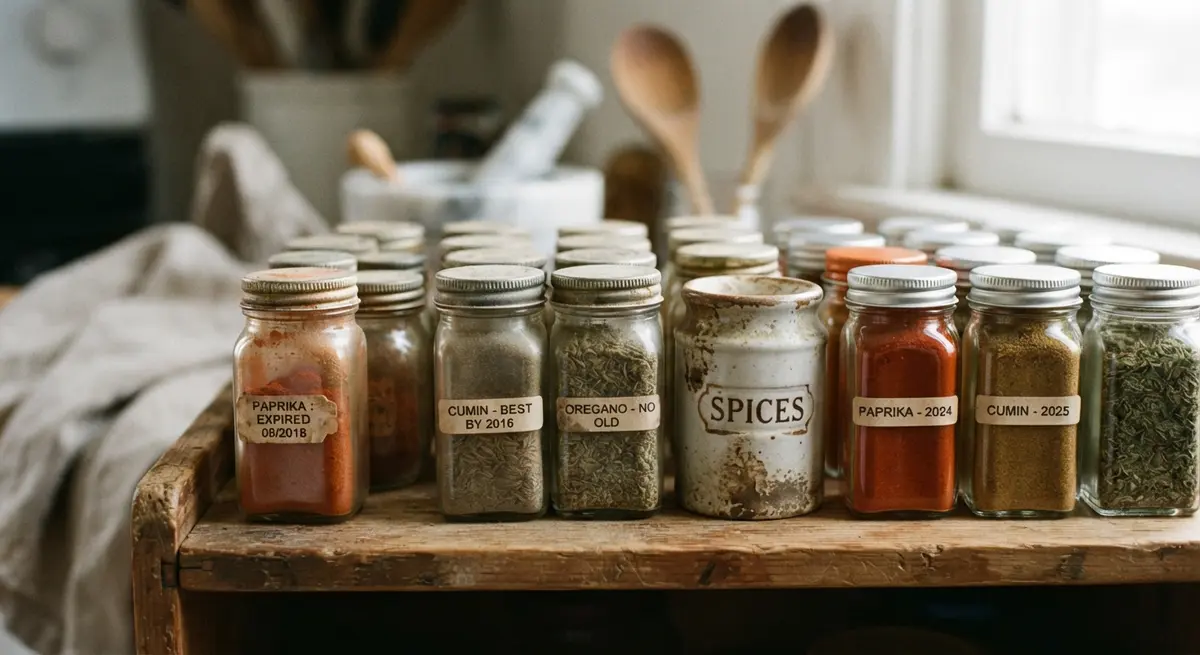
Do Spices Expire? How to Read the Date and Sniff the Truth
Spice dates are about flavor, not food safety. A sniff and a pinch tell you when a jar is past its prime and needs to go.
About the Authors
This recipe and guide was developed, tested, and approved in our home kitchen and daily life. Jamy is a retired Food Service District Manager and Early Childhood Program Manager who spent his career overseeing multi-site restaurant operations, large-scale culinary production, and daycare menu management. Kaïna brings the ultimate real-world test: making sure it brings ease and joy to our kids on a busy weeknight.
Read more about our professional background and philosophy →