Poultry Seasoning Decoded: The Classic Herb Blend for Roast Chicken
By the QuiteRecipes team (Jamy & Kaïna)
I first stumbled on a jar of poultry seasoning at a flea market and never looked back. This is the blend that makes weeknight roast chicken taste like Sunday dinner.
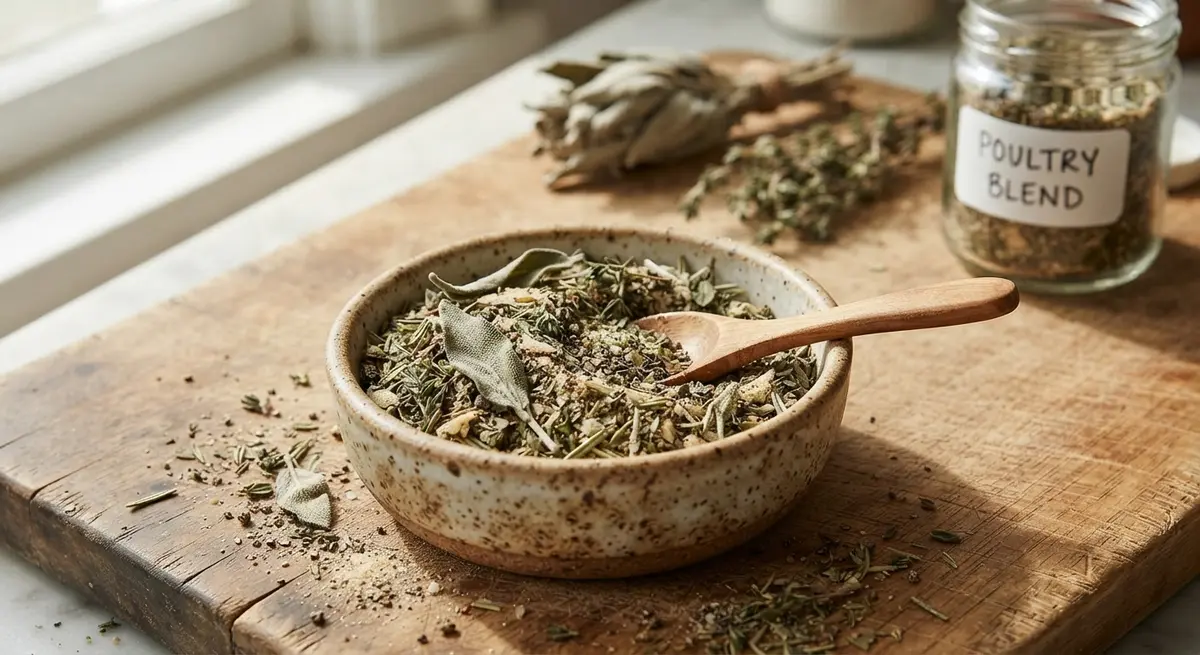
I first stumbled on a jar of poultry seasoning at a flea market, tucked between old cookbooks, and I never looked back. This is the blend that makes weeknight roast chicken taste like Sunday dinner, and it lives permanently in my spice rack. If you love herb-forward cooking, this one is going to earn its keep.
What It Is & Where It Comes From
Poultry seasoning is a classic dried herb blend built around sage and thyme as the dominant notes, rounded out with marjoram and rosemary. Most versions also include a touch of black pepper and sometimes a whisper of nutmeg for warmth. It has been a staple in American and British kitchens for generations, especially around holiday roasts. In many homes it sits on the shelf right next to the salt and pepper, waiting for the next bird.
The Blend: Ratios That Work
Here is a reliable starting ratio that we use in our kitchen. Use measuring spoons so you can scale up easily:
- 3 tablespoons dried sage, crushed
- 3 tablespoons dried thyme, crushed
- 1 tablespoon dried marjoram, crushed
- 1 tablespoon dried rosemary, crushed
- 1 teaspoon coarsely ground black pepper
- 1 teaspoon ground nutmeg (optional)
Crush whole dried herb leaves gently with your fingers or a mortar and pestle. You want them broken and fragrant, not powdery. Powdered herbs turn bitter and lose their bright, resinous character. If you are starting with whole rosemary needles, give them an extra pass with the mortar. Mix everything together and store in a small jar.
How to Use It
For a whole roast chicken, pat the bird dry and rub one to two tablespoons of the blend under the skin of the breast and thighs, plus another tablespoon inside the cavity. The herbs release their oils into the meat as it roasts, and the drippings become incredible for pan sauce.
For turkey, double the amount and rub generously all over, including under the skin of the breast. Toss a teaspoon into your stuffing mixture along with sautéed celery and onion for a truly classic holiday side.
Sprinkle a half teaspoon into gravies, pan sauces, or roasted root vegetables in the last few minutes of cooking. It also works beautifully stirred into softened butter for compound butter on bread or steak.
Variations & Storage
Swap the marjoram for dried oregano if you prefer a slightly more pungent, Mediterranean-leaning flavor. A pinch of dried lemon zest brightens the blend for spring roasts. For a poultry rub with more kick, add a half teaspoon of smoked paprika or garlic powder.
Store the blend in an airtight glass jar away from heat and light. We find it keeps its punch for about six months. Beyond that it is still safe, but the sage and thyme will fade. Make small batches every few months so you always have fresh-tasting poultry seasoning on hand.
FAQ / Quick Facts
- Is poultry seasoning the same as chicken seasoning? These terms overlap, but poultry seasoning is typically a dried herb blend, while chicken seasoning can include salt and chili.
- Can I use fresh herbs instead of dried? You can, but use three times the volume of fresh to replace dried, and reduce cooking time so the herbs stay bright.
- Does it contain salt? Traditional poultry seasoning is salt-free, so you control the seasoning separately.
- Can I add it to soup? Yes, a teaspoon stirred into chicken soup or pot pie filling adds a warm, herbal backbone.
Related Articles
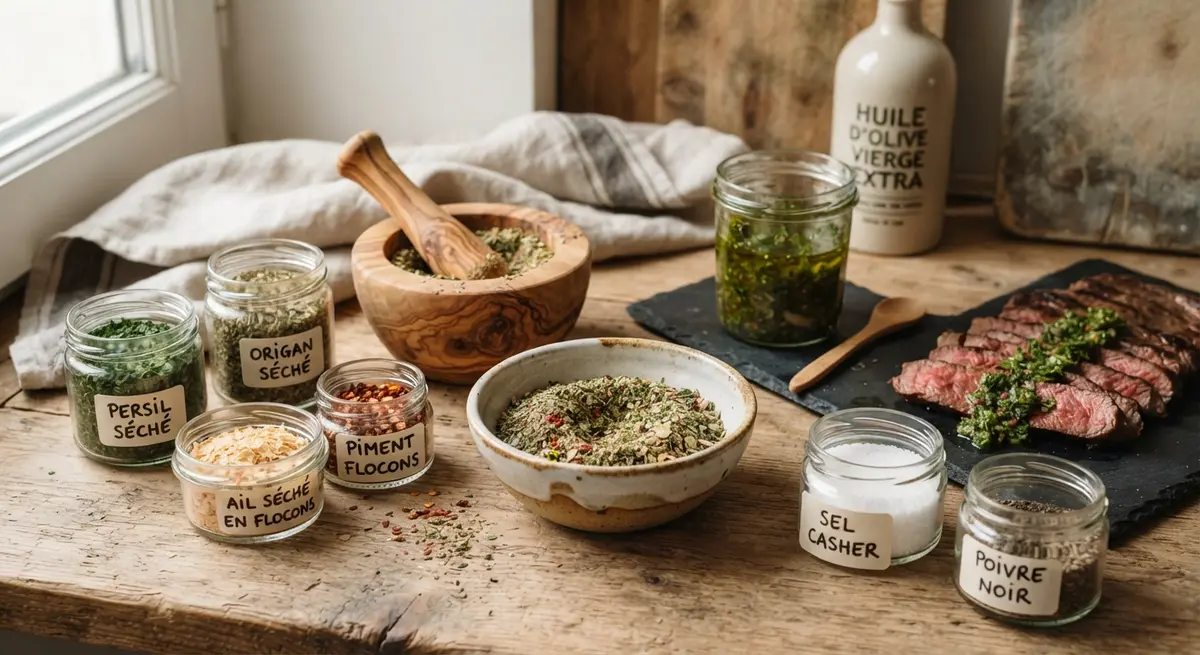
Chimichurri Spice Base: Dried Herb Blends for Quick Argentinian Sauces
Fresh chimichurri heat is great, but a dry base means sauce on demand. Oregano, parsley, garlic, chili, and vinegar in under a minute.
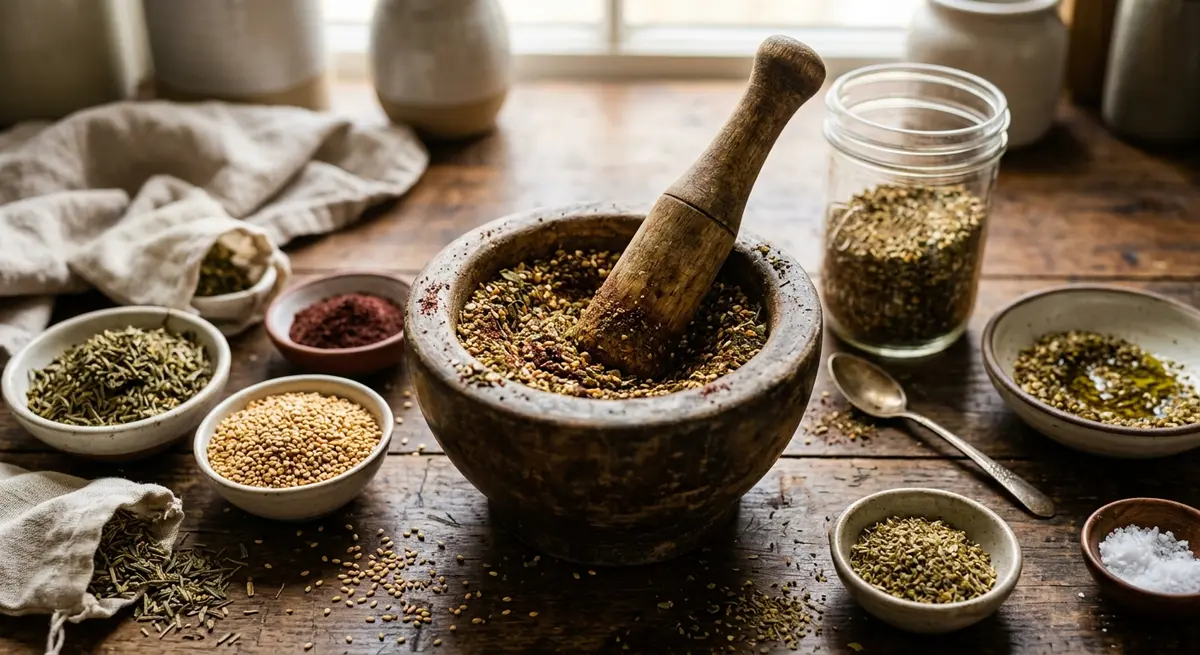
Mastering Za'atar: The Middle Eastern Herb Blend You Need on Everything
I keep a jar of za'atar where I can see it every morning. Dip bread in olive oil, drag it through, and breakfast is suddenly special.
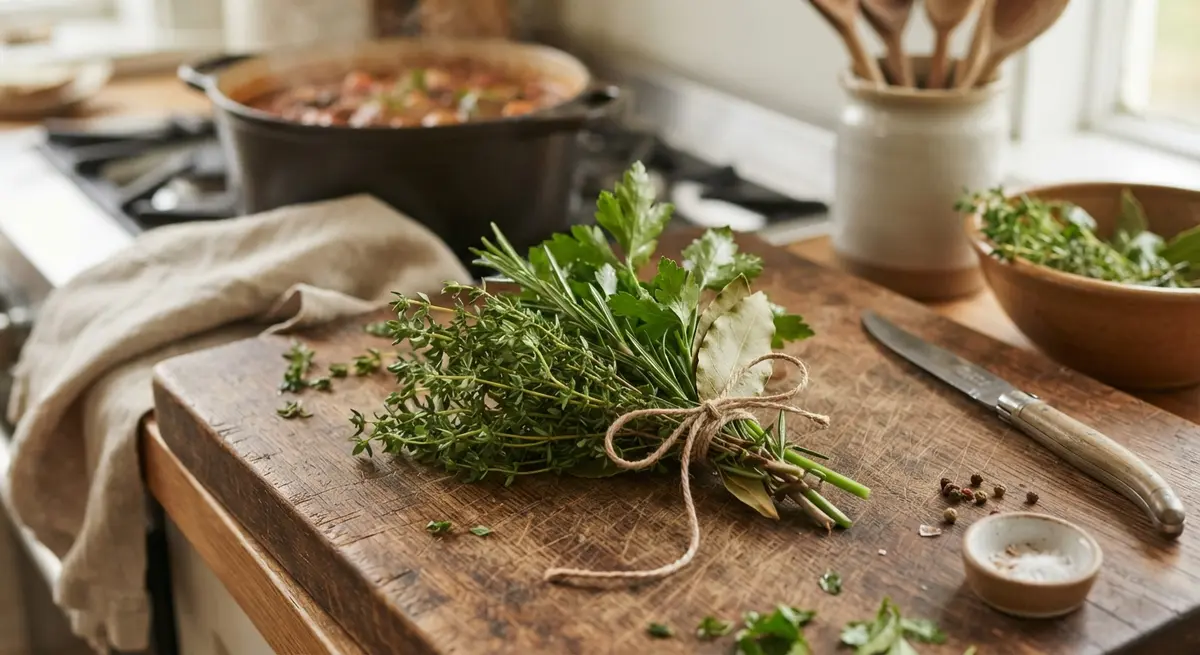
Provençal Bouquet Garni: Fresh vs. Dried Herb Bundles Explained
What sounds fancy is just thyme, parsley, and bay tied in twine. One bundle, every pot of stew, and zero picking herbs out at the end.
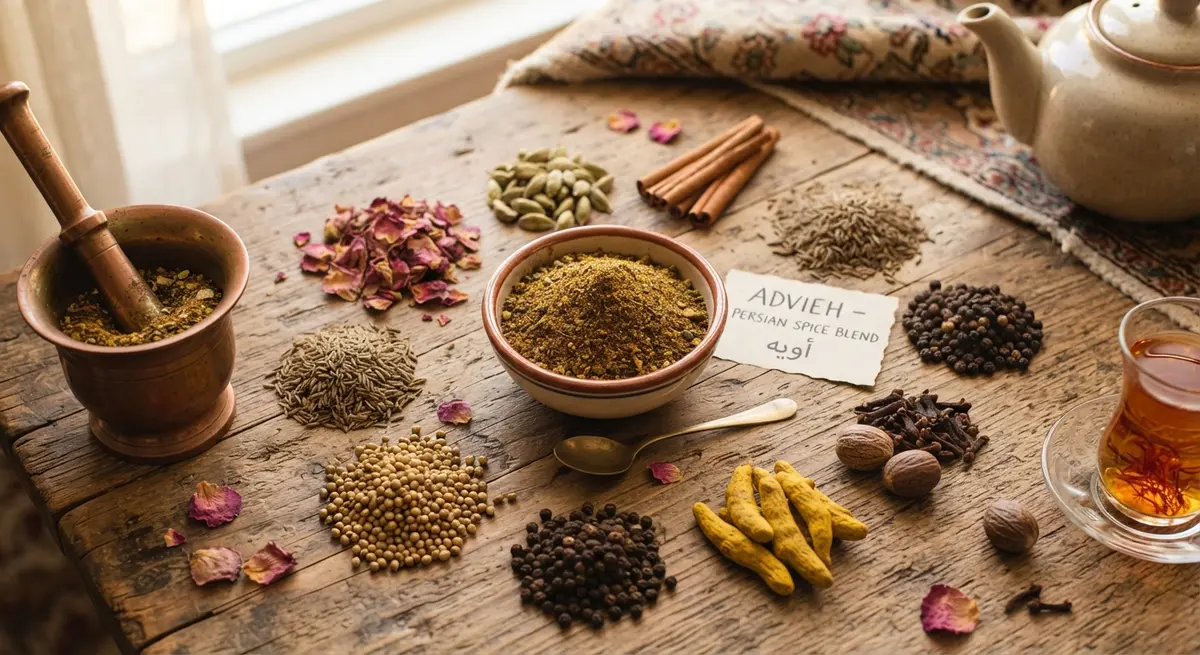
Advieh: Exploring the Aromatic Spice Blends of Persian Cuisine
Cinnamon, cardamom, turmeric, and rose petals in one jar? That is advieh, the Persian blend that turns plain rice into an occasion.
About the Authors
This recipe and guide was developed, tested, and approved in our home kitchen and daily life. Jamy is a retired Food Service District Manager and Early Childhood Program Manager who spent his career overseeing multi-site restaurant operations, large-scale culinary production, and daycare menu management. Kaïna brings the ultimate real-world test: making sure it brings ease and joy to our kids on a busy weeknight.
Read more about our professional background and philosophy →