Mastering Za'atar: The Middle Eastern Herb Blend You Need on Everything
By the QuiteRecipes team (Jamy & Kaïna)
I keep a jar of za'atar where I can see it every morning. Dip bread in olive oil, drag it through, and breakfast is suddenly special.
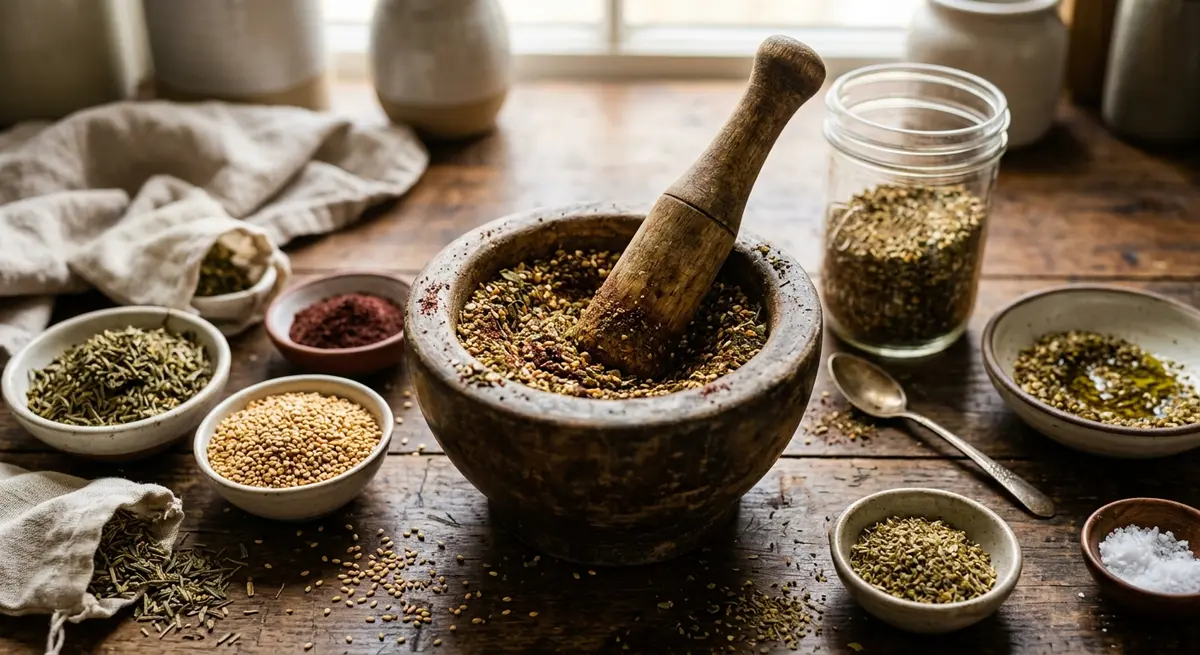
The first time someone served me warm flatbread with olive oil and za'atar, I ate half the plate before anyone else got a piece. I've since learned how easy it is to make at home, and mine now lives in a constant refill loop on my counter. It makes eggs, labneh, and even plain toast taste like a tiny vacation.
What It Is & Where It Comes From
Za'atar is a Levantine table blend built on wild thyme (or oregano), toasted sesame seeds, sumac, and salt — most versions hang together from those four things. Levantine describes the eastern Mediterranean region where the blend has been loved for generations, and the exact ratios are personal from home to home. It's the kind of condiment that belongs on almost anything savory, which is why shop counters and family tables across the region keep a jar out. Some families favor more sumac for tang; others go heavier on the thyme.
The Blend: Ratios That Work
The common starting point is about 2 parts thyme or oregano : 1 part sesame : 1 part sumac, plus a pinch of salt. Concretely: 2 tablespoons dried thyme, 1 tablespoon toasted sesame seeds, 1 tablespoon sumac, and 1/2 teaspoon salt. Toast the sesame seeds in a dry pan over medium heat until golden, shaking constantly so they brown evenly, then cool completely before mixing. Blend everything and taste — push the sumac up for tang or the sesame up for nuttiness.
How to Use It
Treat za'atar as a finishing sprinkle, not a cooking spice. Stir a heaping teaspoon into labneh or plain yogurt, shower it over fried or scrambled eggs, or mix it into olive oil for dipping warm flatbread. It's also excellent on grilled vegetables and roasted cauliflower. Because sesame can scorch, add the blend near the end of cooking rather than at the start.
Variations & Storage
No sumac? A squeeze of lemon over the finished dish mimics part of its tang, or you can just dial the sesame up. Oregano stands in fine for thyme — the blend is forgiving. Skip the salt if you're watching sodium, or add a little crushed fennel for sweetness. Keep it in an airtight jar away from heat and light; it stays good for about six months, though the sesame is best within the first couple.
FAQ / Quick Facts
- What is sumac? It's the tangy, lemony ground berry that gives za'atar its bright edge, and it's the hardest ingredient to substitute.
- Why do I have to toast the sesame? Toasting wakes up the nutty oils, which is what makes the blend pop on bread, eggs, and vegetables.
- Is za'atar spicy? Not really — its character is earthy herbs, zingy sumac, and nutty sesame, not heat.
- How should I store it? In an airtight jar in a cool, dark spot; it keeps about six months, and the sesame tastes best early.
Related Articles
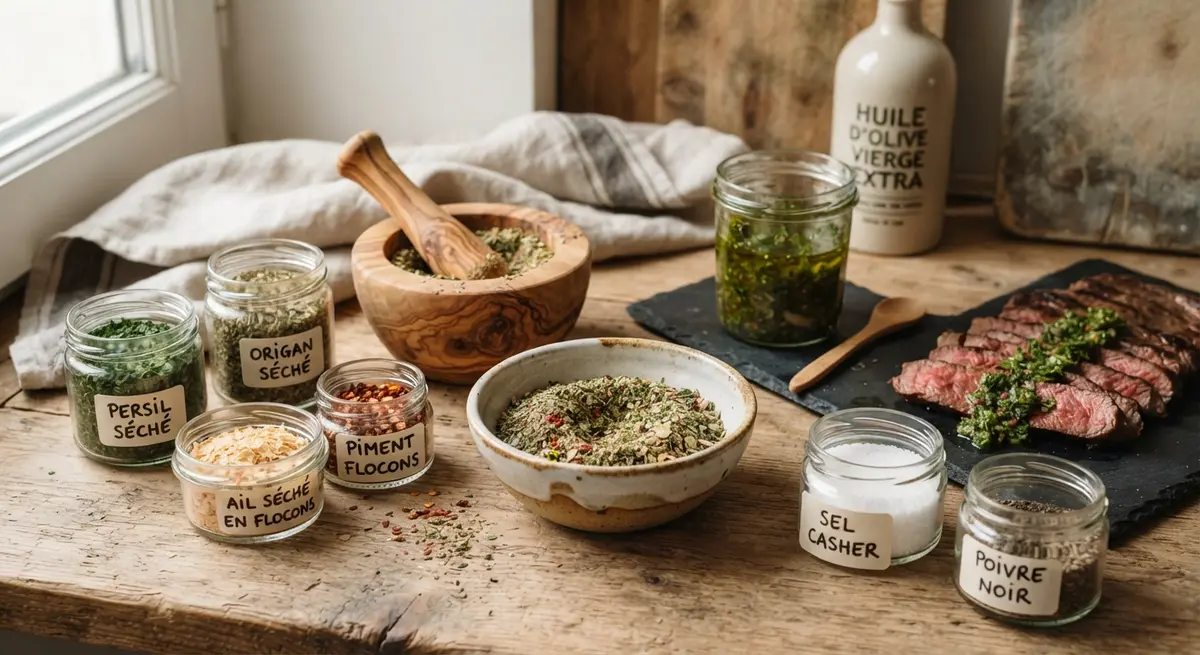
Chimichurri Spice Base: Dried Herb Blends for Quick Argentinian Sauces
Fresh chimichurri heat is great, but a dry base means sauce on demand. Oregano, parsley, garlic, chili, and vinegar in under a minute.
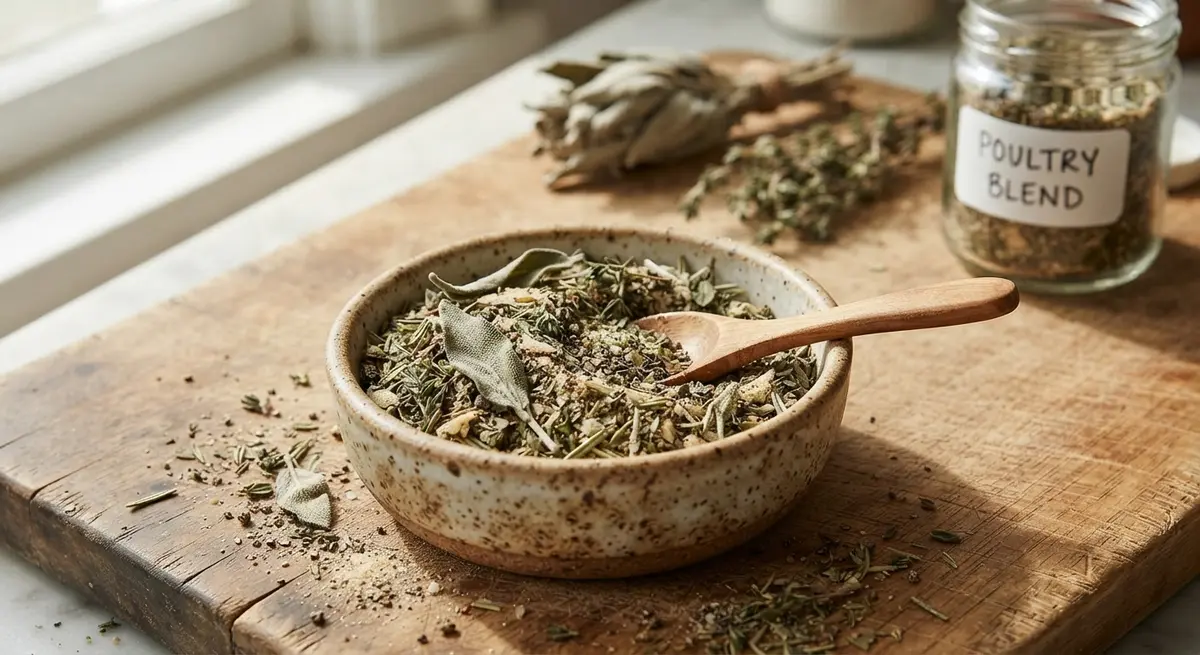
Poultry Seasoning Decoded: The Classic Herb Blend for Roast Chicken
I first stumbled on a jar of poultry seasoning at a flea market and never looked back. This is the blend that makes weeknight roast chicken taste like Sunday dinner.
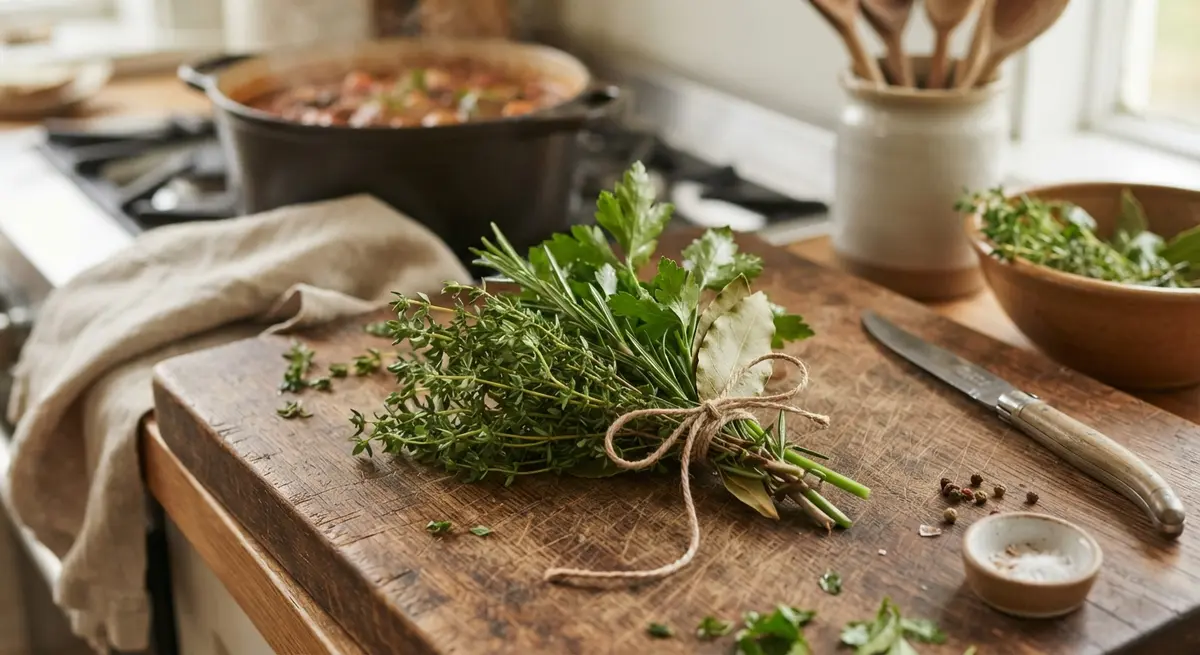
Provençal Bouquet Garni: Fresh vs. Dried Herb Bundles Explained
What sounds fancy is just thyme, parsley, and bay tied in twine. One bundle, every pot of stew, and zero picking herbs out at the end.
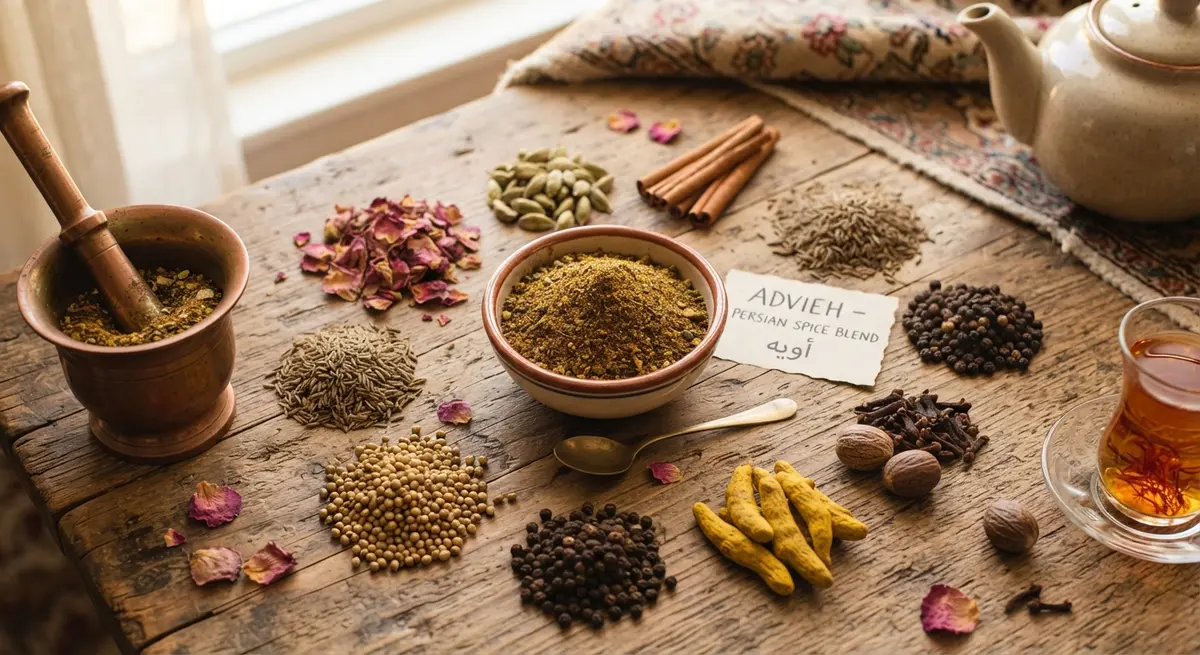
Advieh: Exploring the Aromatic Spice Blends of Persian Cuisine
Cinnamon, cardamom, turmeric, and rose petals in one jar? That is advieh, the Persian blend that turns plain rice into an occasion.
About the Authors
This recipe and guide was developed, tested, and approved in our home kitchen and daily life. Jamy is a retired Food Service District Manager and Early Childhood Program Manager who spent his career overseeing multi-site restaurant operations, large-scale culinary production, and daycare menu management. Kaïna brings the ultimate real-world test: making sure it brings ease and joy to our kids on a busy weeknight.
Read more about our professional background and philosophy →