The Ultimate Spice Pairing Guide for Root Vegetables and Winter Squash
By the QuiteRecipes team (Jamy & Kaïna)
Root vegetables and winter squash love warm spices and hearty herbs; roast them hot and let maple or honey seal the deal.
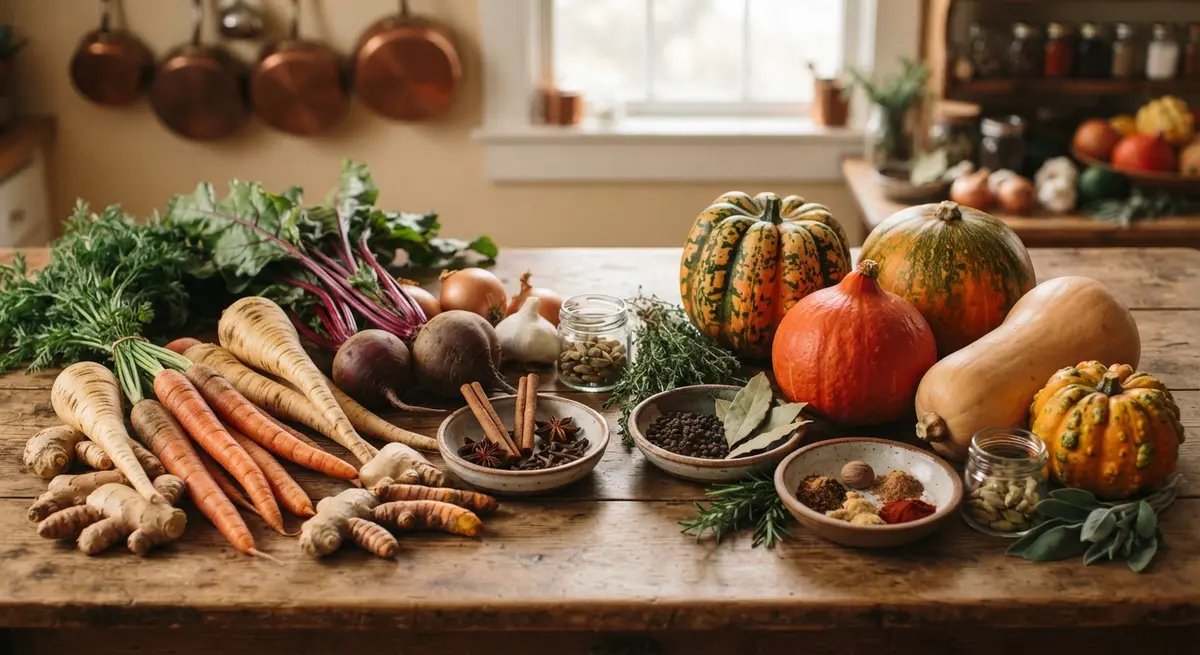
Few things smell like cold-weather cooking quite like a tray of carrots, parsnips, and squash roasting at high heat. These vegetables share two traits: a natural sweetness and a willingness to absorb whatever spices you bring. Warm spices like cinnamon, cloves, allspice, and star anise feel right at home with them, and so do the dependable herb classics thyme and rosemary. Use them in moderation and every bite tastes like the season.
Why This Pairing Matters
The flavors of root vegetables and winter squash are forgiving, which makes them perfect for experimentation. Their sweetness locks onto warm spices the way cinnamon locks onto oats, and their earthy sides welcome herbs like rosemary and thyme. Because they are dense and sturdy, they also roast beautifully at high heat, letting sugars caramelize into golden edges. That caramelization is where the magic happens, so the spice is really just the finishing touch, not the whole story.
The Best Spices for It
- 1 tsp ground cinnamon for roasted carrots, squash, or sweet potato wedges
- 1/4 tsp ground cloves for squash soup or roasted parsnips — it is strong, so go easy
- 1/2 tsp ground allspice for warm, rounded flavor in roasted parsnips or beets
- 1 star anise pod simmered in squash soup or a glaze for roasted veggies
- 1 tbsp fresh thyme (or 1 tsp dried) scattered over carrots and squash before roasting
- 1 tbsp fresh rosemary (or 1 tsp dried) chopped fine and tossed with oil and root cubes
- 1 tbsp maple syrup or honey, optional, brushed on in the last ten minutes
How to Use Them Together
Cut the vegetables into even pieces so they cook at the same speed, then toss with olive oil, salt, and your spice or herb of choice. Roast at 425 degrees until the edges caramelize and a fork slides in easily. For warm spices, coat the vegetables well before roasting; for thyme and rosemary, mixing them into the oil works beautifully. Brush maple or honey over the vegetables with about ten minutes left so the sugar caramelizes instead of burning. In soups or stews, simmer a star anise pod along the way and fish it out before serving — a little goes far.
Quick Fixes & Variations
Only have dried herbs? Use one third of the amount and rub them between your fingers before adding. Craving something sweet? Finish roasted squash with cinnamon, a drizzle of maple, and a pinch of coarse salt. Turn leftover roasted roots into a warming mash by blending with butter and a little cream. If mild spices are not your thing, a shake of sweet (hot) paprika before roasting gives the same vegetables a spicy makeover.
FAQ / Quick Facts
- Which roasting temperature caramelizes vegetables best? A hot oven around 425 degrees gives the natural sugars time to turn golden without burning.
- Do I really need both spice and herbs? No — warm spices and hearty herbs are two different directions, and many cooks stick with one or the other.
- Can maple syrup stand in for honey? Yes, they behave the same way brushed on near the end, so use whichever you keep on hand.
- How do I keep herbs from burning in the oven? Toss fresh herbs with oil so they soften rather than scorch, and keep the oven hot but not screaming, around 425 degrees.
Related Articles
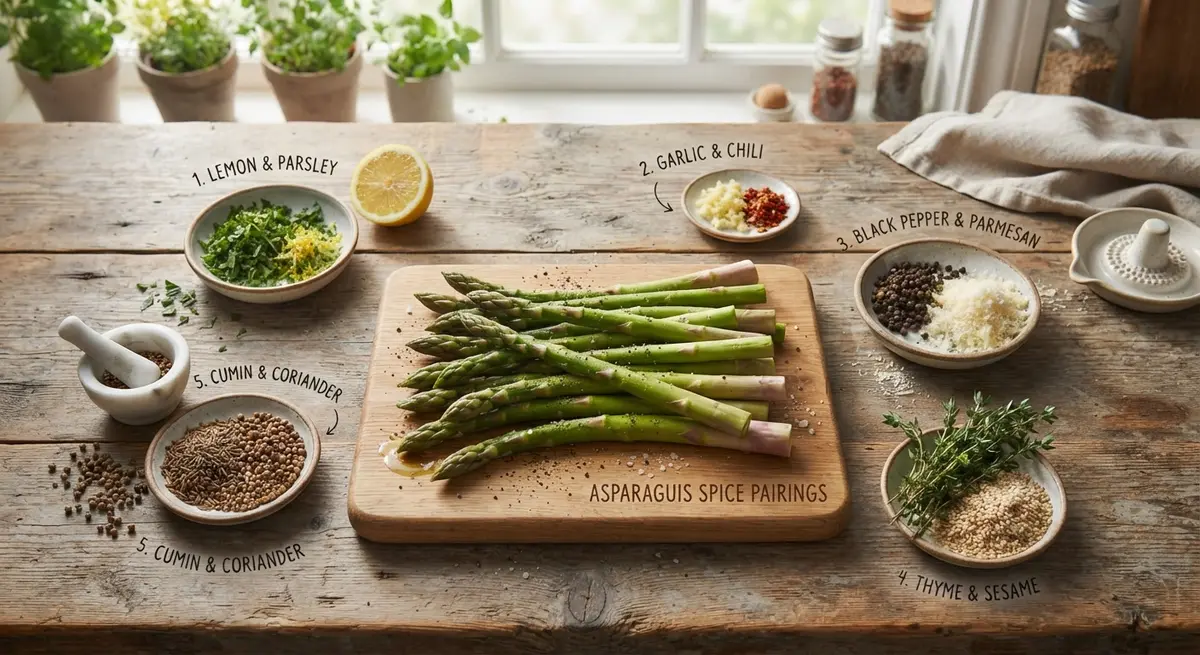
Pairing Spices with Asparagus: Enhancing Spring's Best Vegetable
Asparagus asks for very little: high heat, a light hand, and one or two flavors that let it taste like spring instead of lawn clippings.
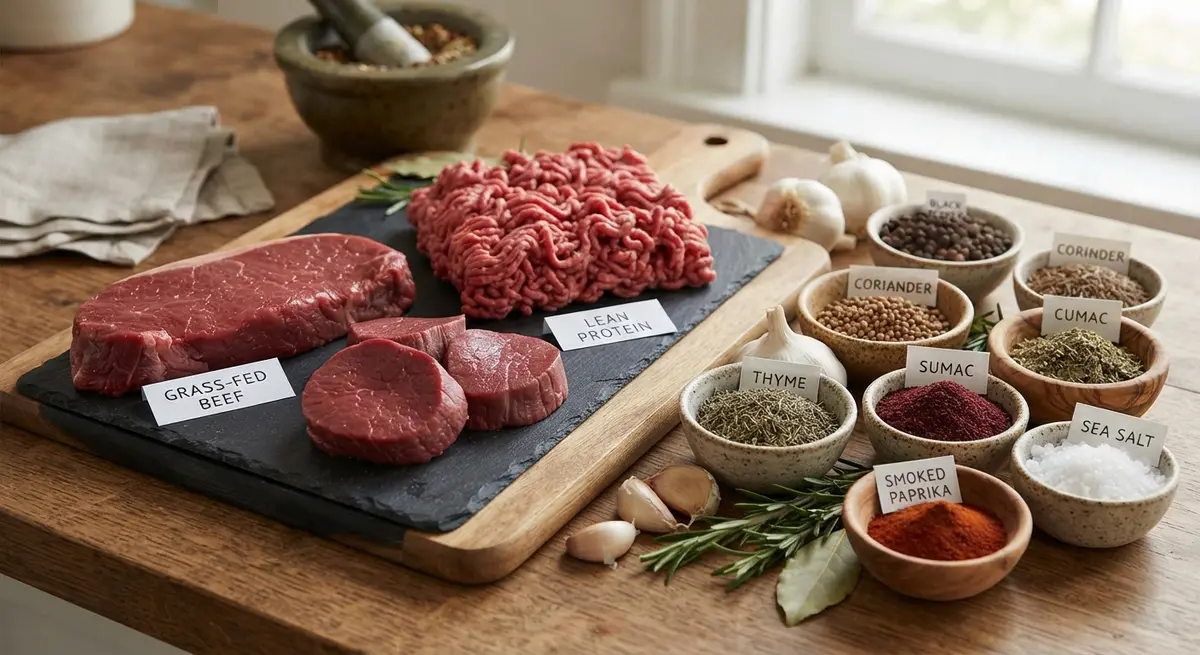
The Best Spice Pairings for Grass-Fed Beef and Lean Proteins
Lean beef does not need a spice rack dumped on it. A couple of sharp aromatics and one smart rub do more than ten busy ones.
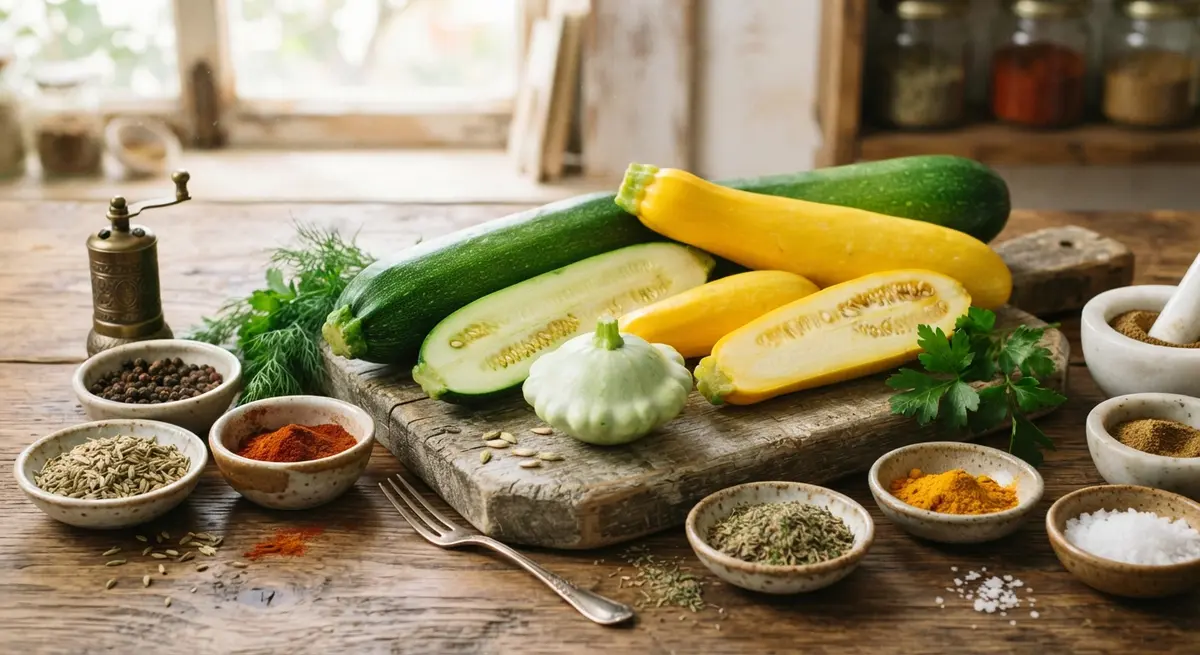
Zucchini and Spice: How to Keep Summer Squash Exciting All Season
Zucchini is the vegetable that won't quit, and with hot pans and a few spices it signs up for dinner all summer long without boring you.
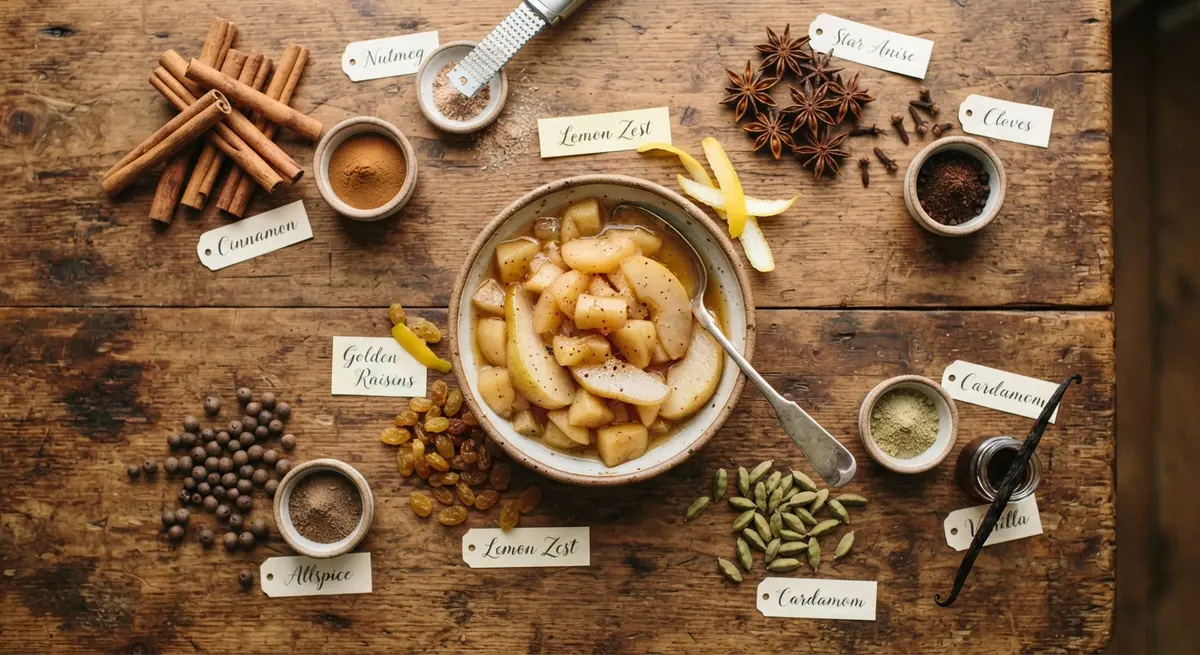
Apple and Pear Spice Pairings: Elevating Simple Fruit Compotes
Simmer a few apples and pears with a pinch of the right spice, and you have a compote that belongs on everything.
About the Authors
This recipe and guide was developed, tested, and approved in our home kitchen and daily life. Jamy is a retired Food Service District Manager and Early Childhood Program Manager who spent his career overseeing multi-site restaurant operations, large-scale culinary production, and daycare menu management. Kaïna brings the ultimate real-world test: making sure it brings ease and joy to our kids on a busy weeknight.
Read more about our professional background and philosophy →