Pairing Spices with Red Lentils: Transforming Simple Dahls into Masterpieces
By the QuiteRecipes team (Jamy & Kaïna)
A sizzling tadka poured over soft red lentils is the fastest way to make dinner taste like it took all day, and it takes minutes.
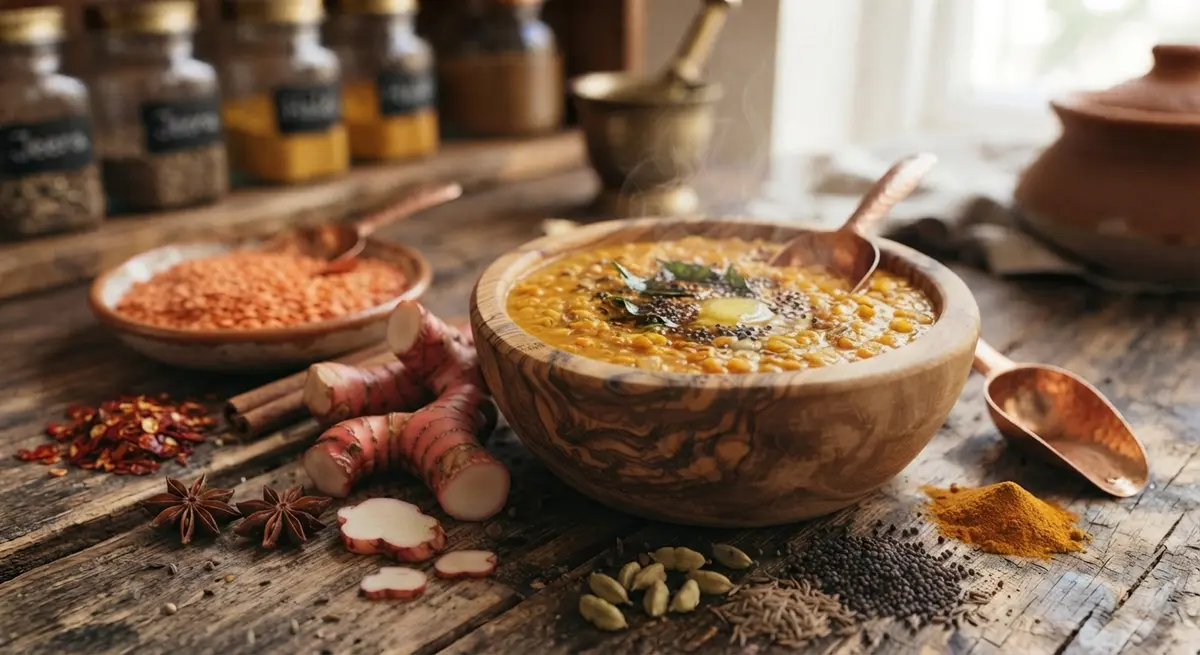
Red lentils are the fastest friend a weeknight cook can have. They cook in about fifteen to twenty minutes, turn silky soft, and accept almost any flavor you throw at them. But the real transformation happens at the very end, when hot oil hits a handful of seeds and spices and gets poured right over the pot. That moment, called tadka, is the soul of good dal.
Why This Pairing Matters
Boiled lentils by themselves are honest but plain — the spice work is what turns them into a dish worth bragging about. The classic finish is a tempering of hot oil or ghee with mustard seeds, cumin seeds, dried chili, and curry leaves, plus a pinch of asafoetida, poured over the cooked lentils. It makes a noise, fills the kitchen with scent, and wakes up every bland bite. Ground spices like turmeric, coriander, and garam masala do their quieter work during cooking, while the tempered oil does the loud, glorious finale.
The Best Spices for It
- 1/2 tsp mustard seeds popped in hot oil for the classic tadka kick
- 1 tsp cumin seeds bloomed with the mustard seeds for earthy warmth
- 1 or 2 dried chilies, broken, so the oil sizzles without burning
- 6 to 8 fresh curry leaves cracked into the hot oil for fragrance
- 1/4 tsp asafoetida (hing) added to the oil for instant savory depth
- 1/2 tsp ground turmeric stirred into the lentils early in simmering
- 1 tsp ground coriander for warm, citrusy notes
- 1/2 tsp garam masala stirred in near the end so it stays aromatic
How to Use Them Together
Rinse one cup of red lentils, then simmer in three cups of water with turmeric and a little salt until they soften and break down, about fifteen to twenty minutes. While they cook, heat oil or ghee in a small pan until shimmering. Add mustard seeds and wait for them to pop, then cumin seeds, dried chili, curry leaves, and asafoetida, keeping everything moving so it sizzles without burning. Stir ground coriander and garam masala into the dal, then pour the tempered oil over the surface with a satisfying hiss. Finish with lemon juice or a sprinkle of amchur powder for a sour note that ties it together.
Quick Fixes & Variations
No curry leaves? Skip them or swap a few torn basil leaves in at the end. Out of ghee? Plain oil works, though butter at the finish adds richness. Want it soupier or thicker? Adjust the water while simmering, since red lentils absorb liquid fast. Leftover dal makes a great chunky dip or a filling for warm flatbread the next day.
FAQ / Quick Facts
- How long do red lentils actually take to cook? About fifteen to twenty minutes, and they do not need soaking, which is why they are so weeknight friendly.
- What is the point of the tadka? Pouring hot, spiced oil over the finished lentils releases fragrance and adds a layer of flavor that simple boiling never gives.
- Can I skip the asafoetida? Yes, it deepens flavor, but the dal is still excellent without it, so tweak the spices to your pantry.
- Why add amchur or lemon at the end? A sour finish balances the warm spices and rounds out an otherwise one-note pot of lentils.
Related Articles
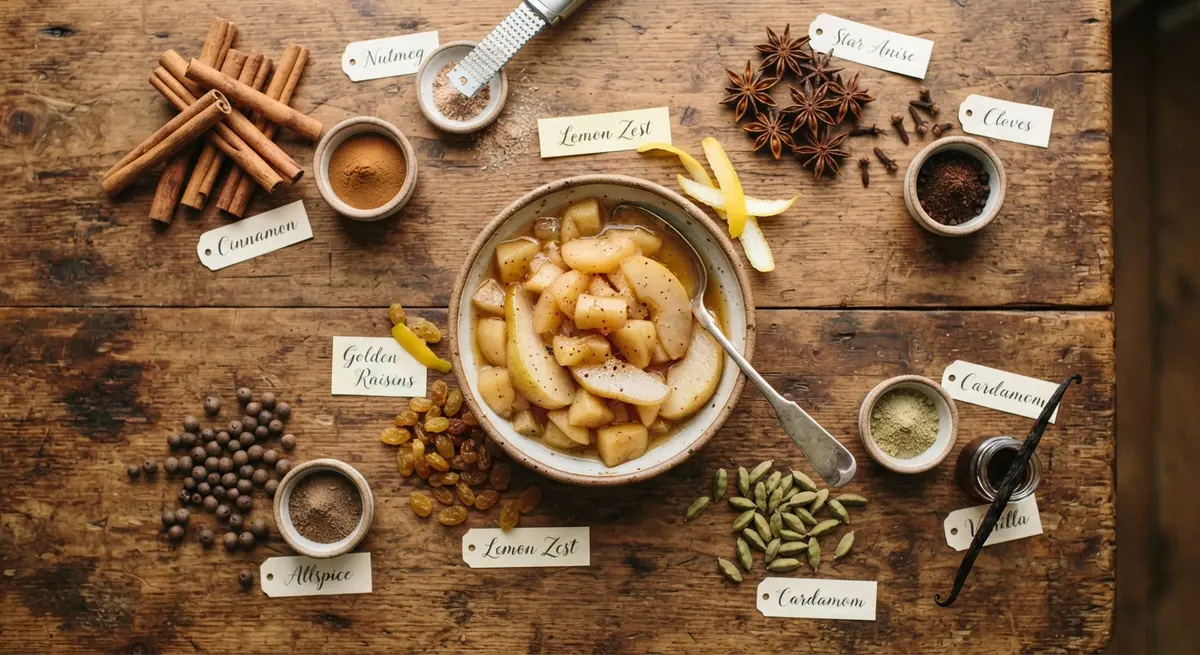
Apple and Pear Spice Pairings: Elevating Simple Fruit Compotes
Simmer a few apples and pears with a pinch of the right spice, and you have a compote that belongs on everything.
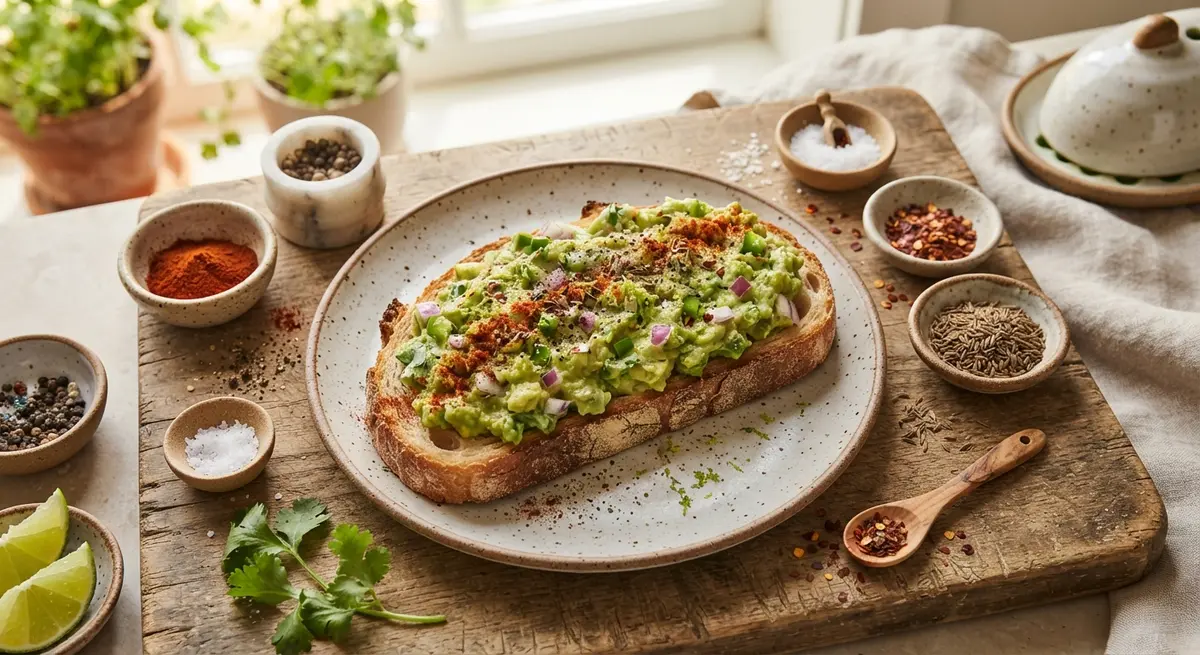
Avocado and Spice: Elevating Guacamole and Toasts Beyond Salt and Pepper
Avocado is rich and fatty, so a little acid and a few warm spices make it taste bigger. Here is the guacamole and toast upgrade.
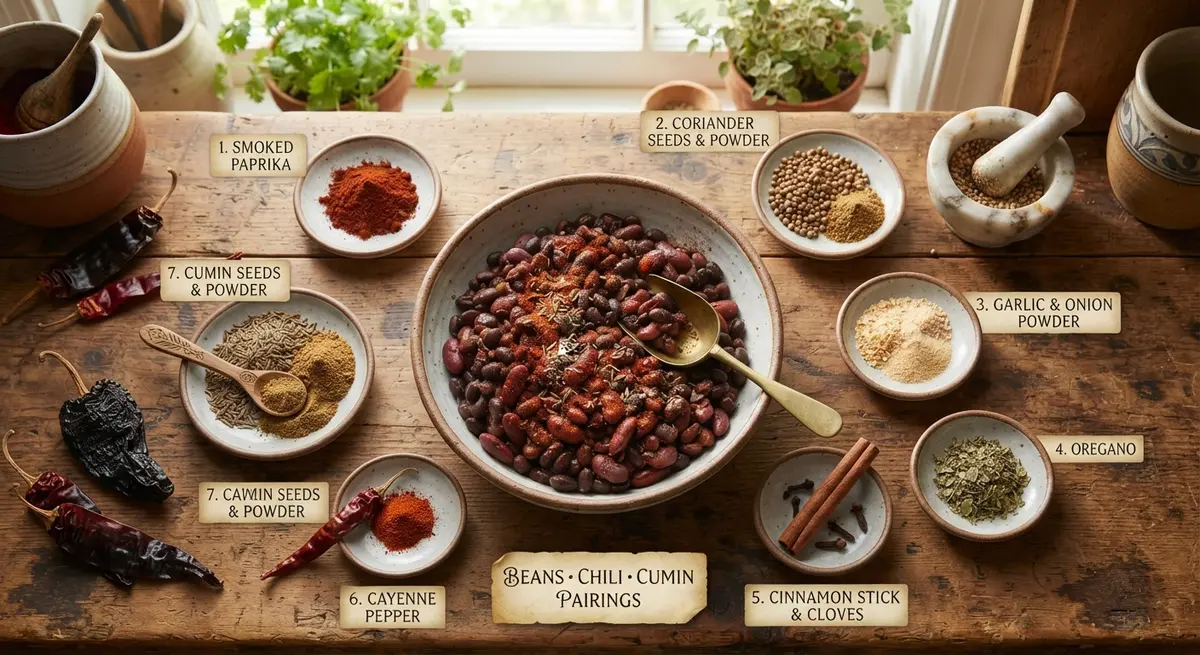
Beans, Chili, and Cumin: The Spice Trio That Turns a Pot Into a Feast
Beans accept almost any spice, but chili, cumin, and paprika make them taste like the pot cooked for hours. Let them bloom and your shortcut dinner wins.
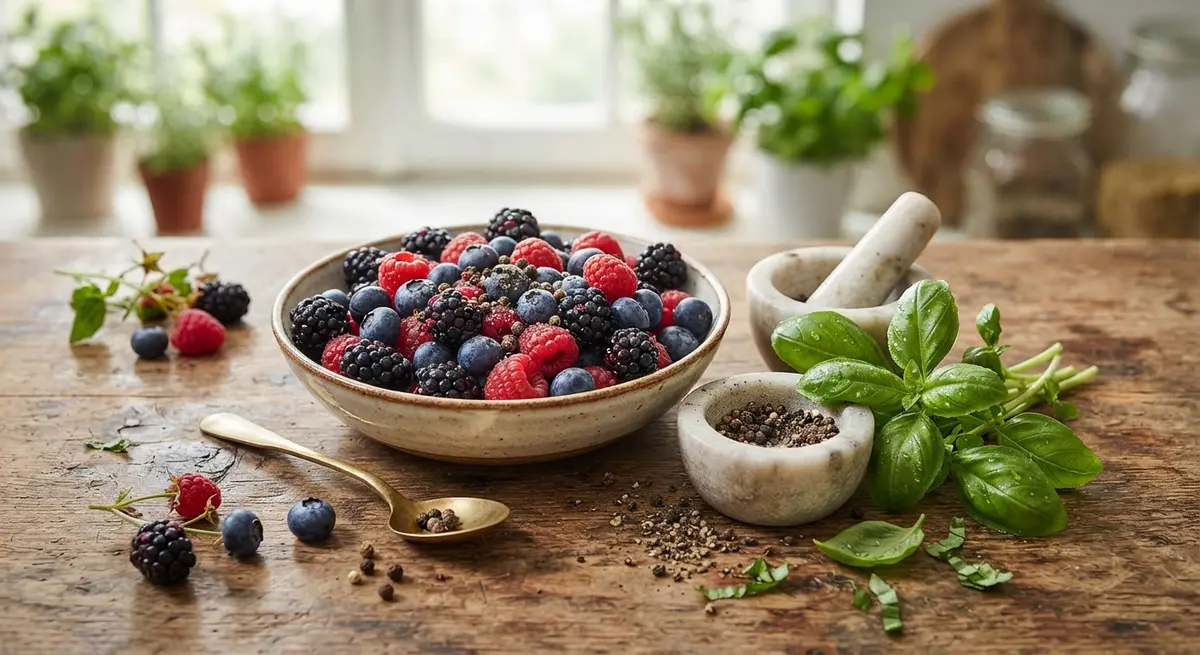
Berry and Spice: Pairing Fresh Berries with Black Pepper and Basil
Berries love black pepper, and the plain version starts to seem unfinished. Here is how to macerate and spice strawberries, raspberries, and blueberries.
About the Authors
This recipe and guide was developed, tested, and approved in our home kitchen and daily life. Jamy is a retired Food Service District Manager and Early Childhood Program Manager who spent his career overseeing multi-site restaurant operations, large-scale culinary production, and daycare menu management. Kaïna brings the ultimate real-world test: making sure it brings ease and joy to our kids on a busy weeknight.
Read more about our professional background and philosophy →