Spice Pairings for Quinoa and Ancient Grains: Escaping Bland Side Dishes
By the QuiteRecipes team (Jamy & Kaïna)
A pot of quinoa is a promise you keep with aromatics: toast the grains, bloom the spices, and a side dish becomes the side to beat.
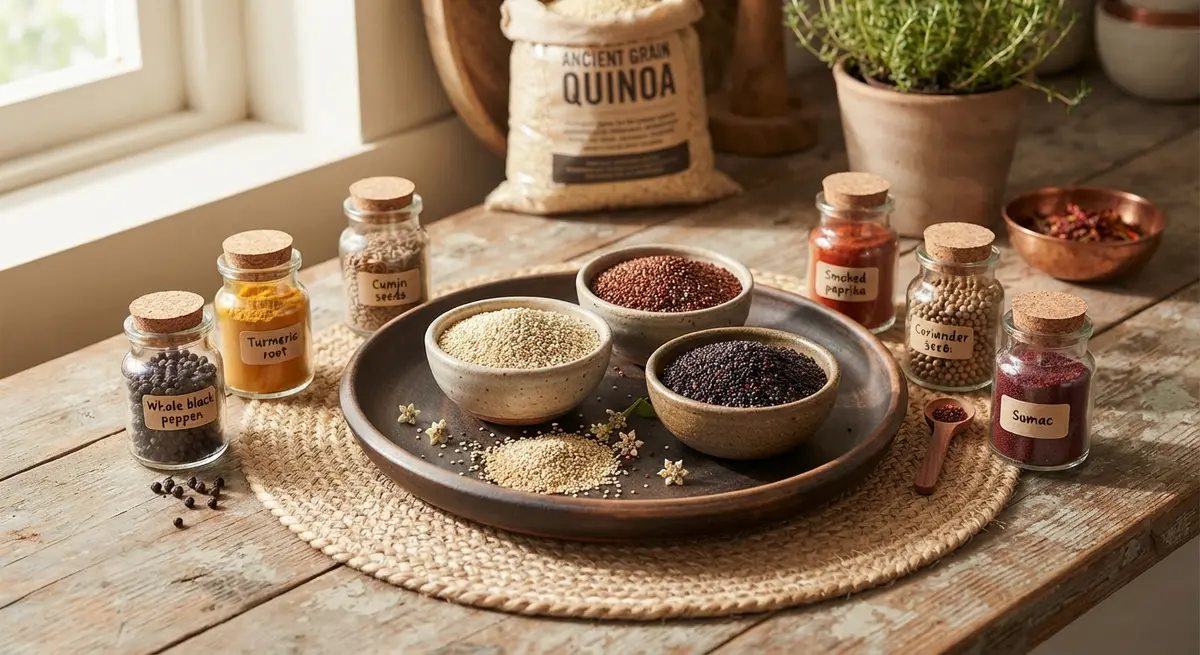
Somewhere along the way we ate one too many bowls of sad, steamed quinoa and decided enough was enough. The fix turned out to be hiding in plain sight, in the old pilaf trick our grandmothers used on rice. Toast the grain, bloom the spice, then add liquid, and the same mild grain shows up dressed for dinner.
Why This Pairing Matters
Quinoa, farro, barley, millet, and freekeh are all mild by nature, which is exactly why they make such good company for bold seasoning, and why they taste like nothing when you skip it. Because the grains absorb cooking liquid, they also absorb flavor, so spice added early rides all the way into the kernel. The classic pilaf method handles this perfectly: dry grains go into hot oil with whole spices that release their perfume, then broth finishes the job. A little fat, a little salt, and a bright finish of lemon zest and herbs will carry even a plain cup of millet into something you actually want to eat.
The Best Spices for It
- Cumin: 1 teaspoon of toasted cumin seeds added to the oil before the grains, for warmth that suits almost any ancient grain.
- Coriander: 1 teaspoon of coriander seeds, bruised and toasted with the cumin, for a citrusy, floral base note.
- Bay leaf: 1 leaf simmered right in the cooking liquid for a mellow herbal depth.
- Cardamom pods: 2 to 3 pods, lightly crushed and toasted in the oil, for a sweet, aromatic lift that makes pilaf feel dressed up.
- Black pepper: 1/2 teaspoon of cracked pepper added with the broth for gentle heat that never overpowers.
- Lemon zest: 1 teaspoon grated over the finished grains alongside chopped parsley or mint for the bright final note.
How to Use Them Together
Rinse the quinoa first, because even a few minutes under water shakes off the bitter saponin coating. Warm a couple of tablespoons of oil or butter in the pot, then add the cumin and coriander seeds, the cardamom pods, and the bay leaf, and toast until fragrant, about a minute. Pour in the grains and stir until they smell nutty and toasted, then add hot broth, cover, and simmer low until tender. When it is done, let the pot sit for ten minutes off the heat, fluff with a fork, and work in the lemon zest and a handful of fresh herbs. Salt goes into the liquid rather than only at the end, and the spice-perfumed oil does the heavy lifting.
Quick Fixes & Variations
No whole seeds in the house? Use about 1 teaspoon each of ground cumin and coriander and skip the toasting step. Out of lemon? A splash of white wine vinegar at the end gives the same bright lift. Make it a meal by stirring in toasted almonds and chickpeas, or keep it lazy with a spoon of tomato paste bloomed in the oil before the broth. The pilaf trick transfers to any grain in the pantry, so do not stop at quinoa.
FAQ / Quick Facts
- Do I need to rinse quinoa before cooking? Yes, a quick rinse removes the natural saponin coating that can taste soapy and bitter.
- Can I toast the spices and grains right before cooking? Absolutely, the whole point is that the toasting happens in the same pot minutes before the liquid goes in.
- Which ancient grain absorbs the most flavor? Freekeh and farro have the strongest character on their own, while quinoa and millet act as the truest blank canvases for spices.
Related Articles
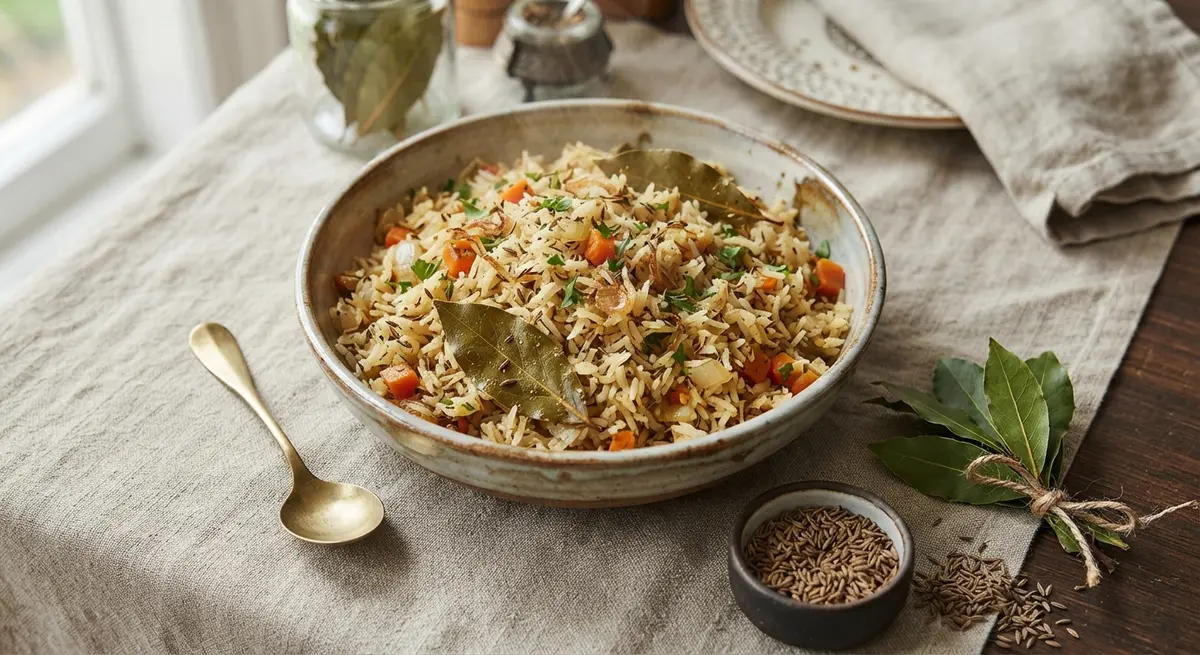
Rice Pilaf With Bay Leaf and Cumin: Flavor Every Grain Deserves
The secret to restaurant-level rice is not a fancy chef, it is a bay leaf and a whisper of cumin resting in the stock as the rice steams.
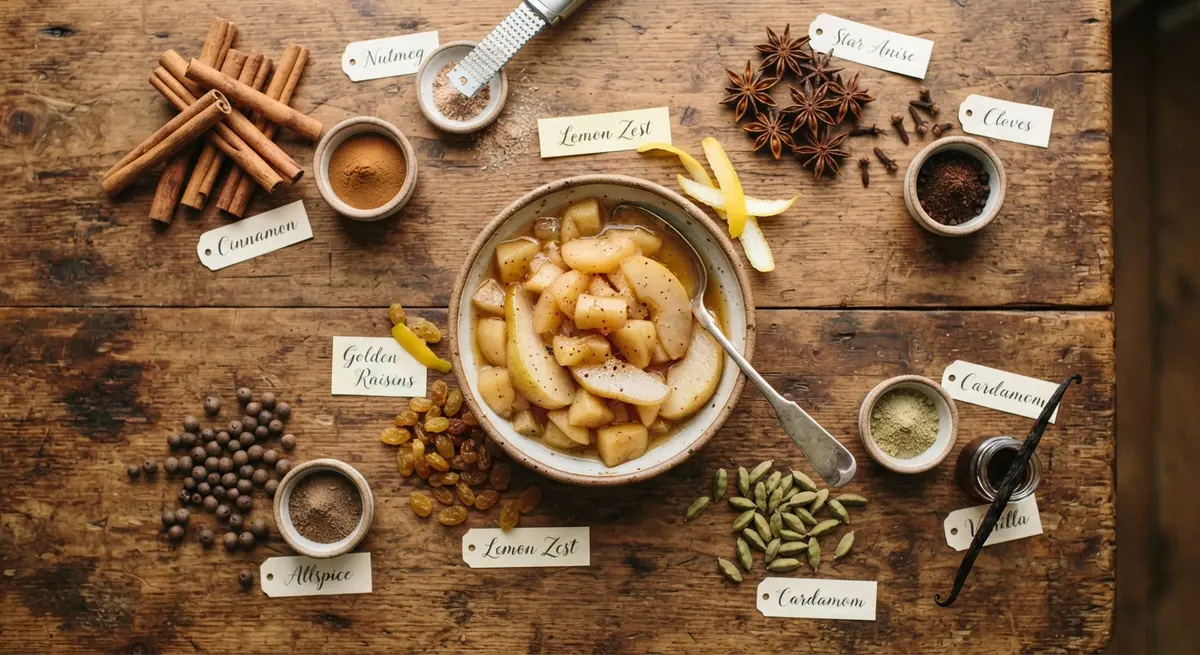
Apple and Pear Spice Pairings: Elevating Simple Fruit Compotes
Simmer a few apples and pears with a pinch of the right spice, and you have a compote that belongs on everything.
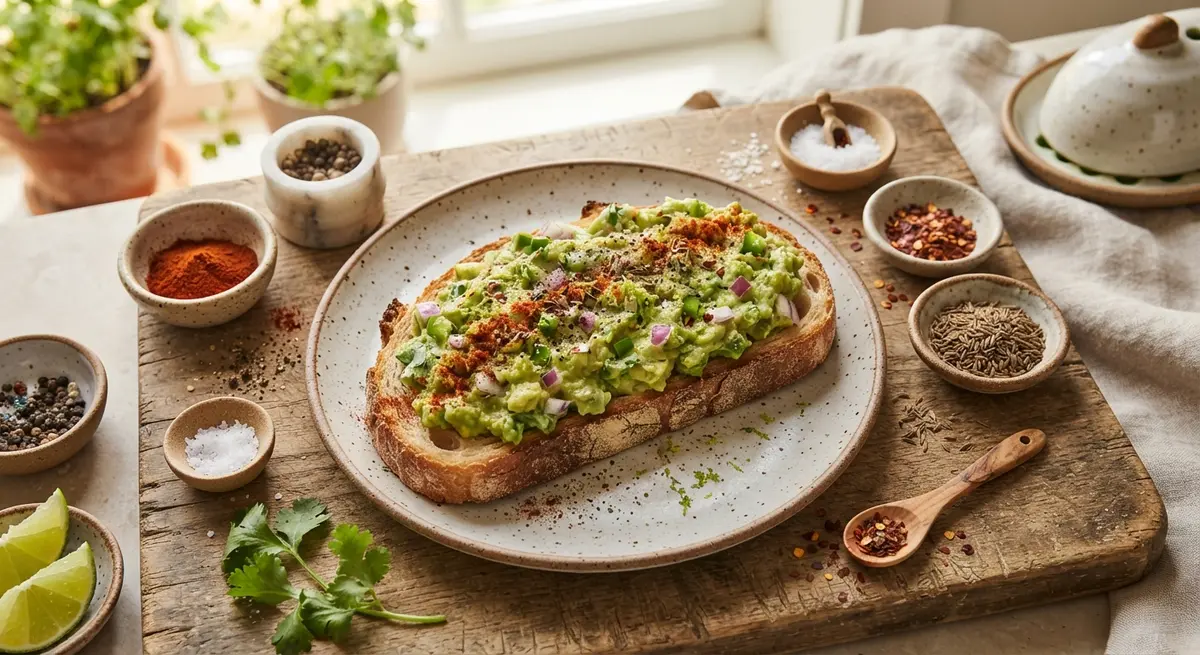
Avocado and Spice: Elevating Guacamole and Toasts Beyond Salt and Pepper
Avocado is rich and fatty, so a little acid and a few warm spices make it taste bigger. Here is the guacamole and toast upgrade.
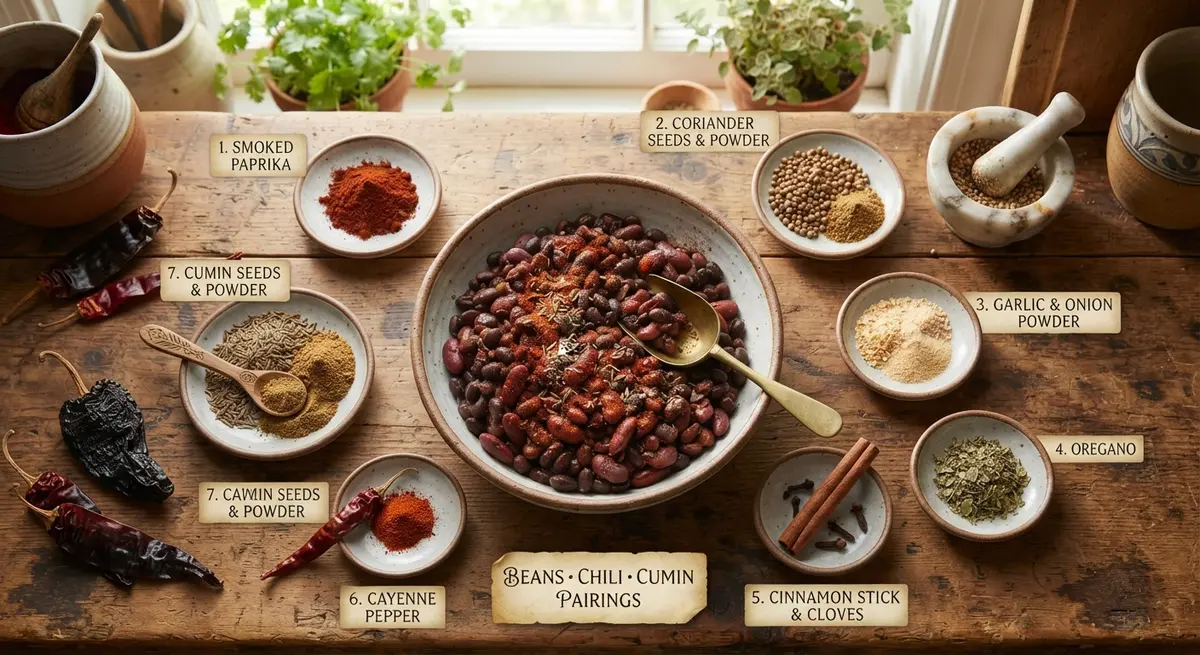
Beans, Chili, and Cumin: The Spice Trio That Turns a Pot Into a Feast
Beans accept almost any spice, but chili, cumin, and paprika make them taste like the pot cooked for hours. Let them bloom and your shortcut dinner wins.
About the Authors
This recipe and guide was developed, tested, and approved in our home kitchen and daily life. Jamy is a retired Food Service District Manager and Early Childhood Program Manager who spent his career overseeing multi-site restaurant operations, large-scale culinary production, and daycare menu management. Kaïna brings the ultimate real-world test: making sure it brings ease and joy to our kids on a busy weeknight.
Read more about our professional background and philosophy →