Unlocking Superfood Synergy: What to Pair with Ginger for Gut Health
By the QuiteRecipes team (Jamy & Kaïna)
Ginger has been trusted for generations to calm upset stomachs, and a few well-chosen pairings make every cup and spoonful a little more supportive.
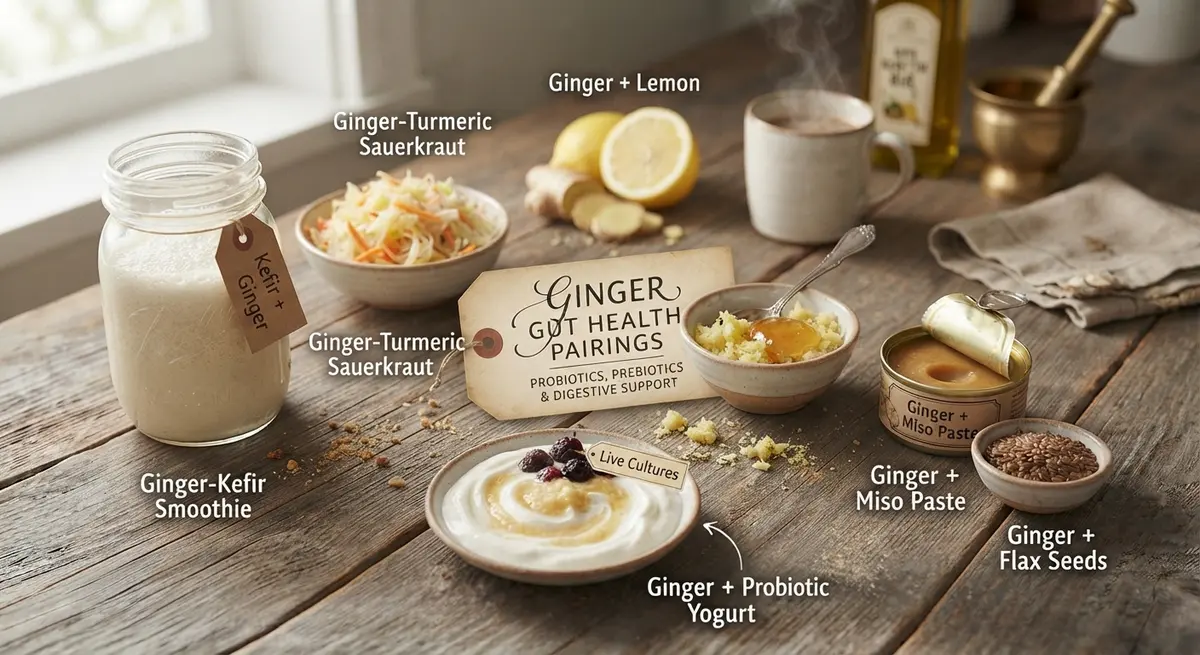
Ginger has been trusted for generations to help settle an upset stomach, and it is one of the friendliest spices in any kitchen. It shows up in broths, teas, stir-fries, and sweets, and it plays beautifully with a small circle of equally gentle companions. Pair it with turmeric, cumin, fennel, cardamom, or mint and you have something that feels less like medicine and more like dinner. This is traditional use and early research territory, not medical advice — which suits a spice that belongs on the stove.
Why This Pairing Matters
Ginger earns its place as the go-to for queasy moments, but on its own it can be sharp and one-note. That is where its friends come in. Turmeric brings warmth and color, black pepper helps your body take in the good stuff in turmeric, and fennel or cardamom add a gentle sweetness that rounds out ginger's bite. Mint cools, cumin grounds, and suddenly a plain ginger tea becomes a whole ritual worth repeating. These are traditional uses, and early research shows the ingredients complement each other, meaning your soups and bakes simply taste better too.
The Best Spices for It
- 1 tsp fresh grated ginger (about a one-inch knob) stirred into tea or broth early in the simmer
- 1/2 tsp ground turmeric with a pinch of black pepper for golden ginger milk or soup
- 1 tsp toasted cumin seeds for a warming, earthy lentil or carrot dish
- 1/2 tsp fennel seeds, lightly crushed, for tea or roasted vegetables
- 4 to 5 green cardamom pods (or 1/2 tsp ground) for chai-style milk or baked goods
- 6 to 8 fresh mint leaves torn over ginger salads, drinks, or yogurt
How to Use Them Together
Fresh ginger is best added early in cooking so its warmth spreads through the whole dish, and the same goes for turmeric. Save the mint for last so it stays cool and bright. Grate fresh ginger right into tea and stir-fries — no peeling needed if you give it a good scrub. For golden milk, warm milk with turmeric, a pinch of black pepper, and grated ginger, then sweeten lightly and finish with cardamom. In savory cooking, bloom cumin seeds and ginger in hot oil before adding anything else, so their flavors open up.
Quick Fixes & Variations
No fresh ginger on hand? Use one teaspoon ground with a pinch more of your other spices. Make ginger tea a nightly habit by keeping grated ginger and crushed fennel seeds in a jar, ready to drop into hot water. Swap mint for fresh cilantro if that is what is in your fridge. And if turmeric has stained your cutting board, a little lemon juice and hot water fixes it in seconds.
FAQ / Quick Facts
- Does fresh or ground ginger matter for digestion? Both are traditionally used — fresh has more zing, while ground is smoother and mellow in warm drinks.
- Why is black pepper always mentioned with turmeric? Early research shows black pepper helps the body use turmeric better, so a pinch goes a long way.
- Can I drink ginger tea every day? In normal food amounts, ginger tea is traditionally enjoyed often — just listen to your body as you go.
- Is this combination safe for kids? Ginger in cooking amounts is a common kitchen staple, but always check with your pediatrician for little ones.
Related Articles
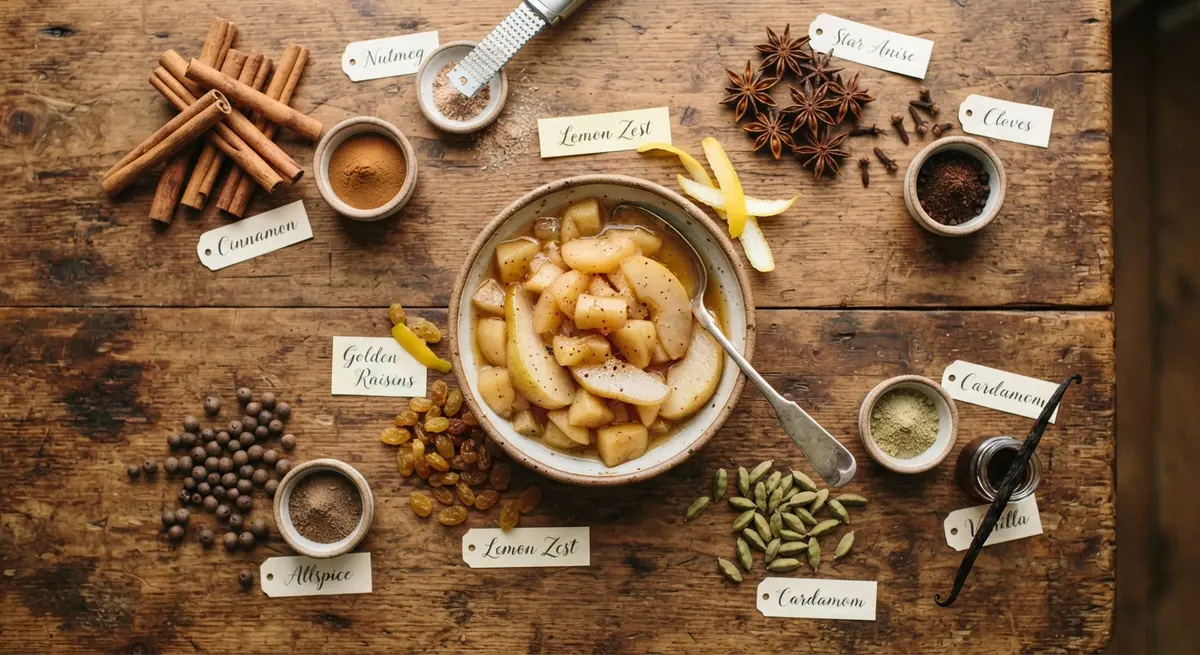
Apple and Pear Spice Pairings: Elevating Simple Fruit Compotes
Simmer a few apples and pears with a pinch of the right spice, and you have a compote that belongs on everything.
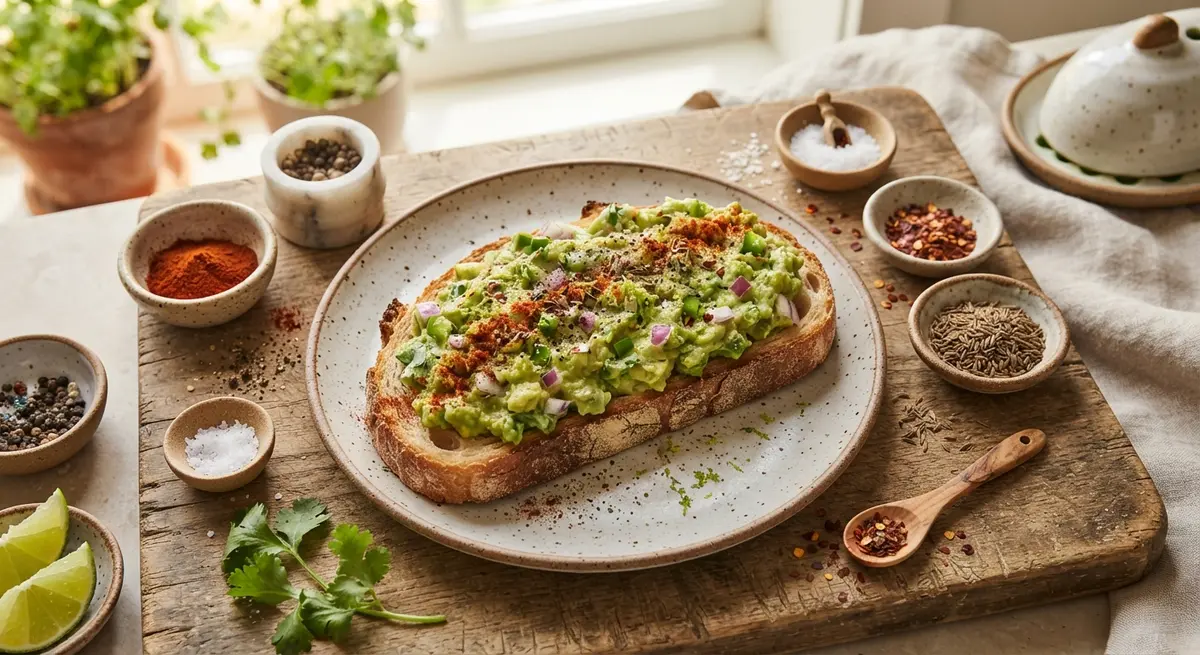
Avocado and Spice: Elevating Guacamole and Toasts Beyond Salt and Pepper
Avocado is rich and fatty, so a little acid and a few warm spices make it taste bigger. Here is the guacamole and toast upgrade.
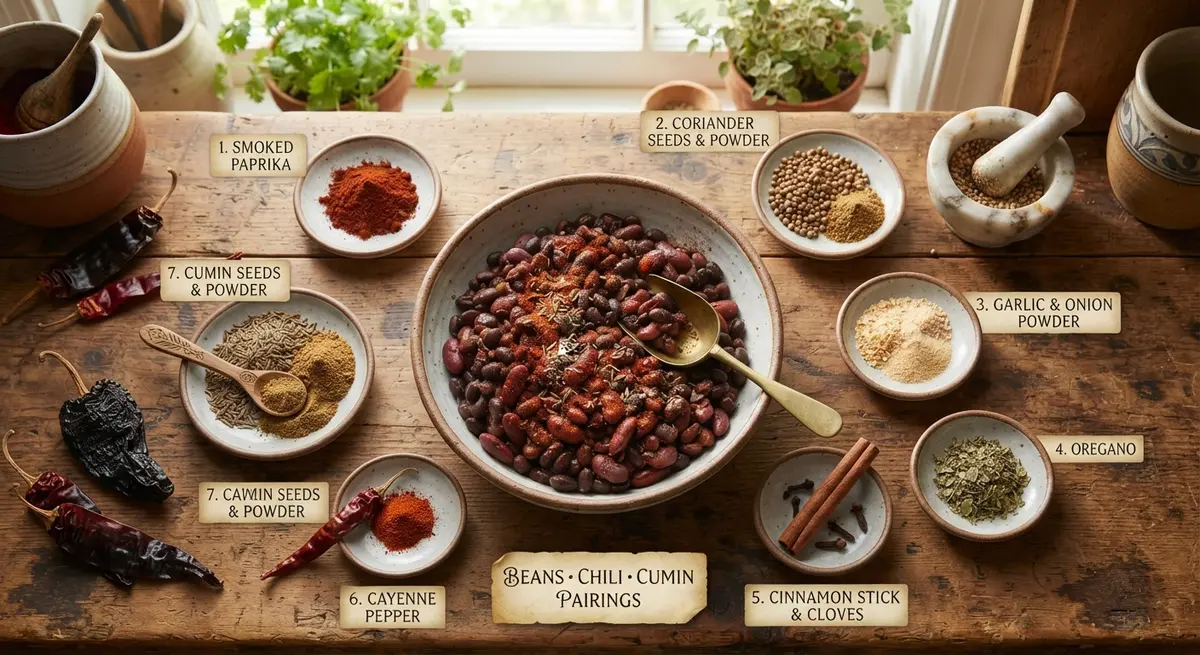
Beans, Chili, and Cumin: The Spice Trio That Turns a Pot Into a Feast
Beans accept almost any spice, but chili, cumin, and paprika make them taste like the pot cooked for hours. Let them bloom and your shortcut dinner wins.
Berry and Spice: Pairing Fresh Berries with Black Pepper and Basil
Berries love black pepper, and the plain version starts to seem unfinished. Here is how to macerate and spice strawberries, raspberries, and blueberries.
About the Authors
This recipe and guide was developed, tested, and approved in our home kitchen and daily life. Jamy is a retired Food Service District Manager and Early Childhood Program Manager who spent his career overseeing multi-site restaurant operations, large-scale culinary production, and daycare menu management. Kaïna brings the ultimate real-world test: making sure it brings ease and joy to our kids on a busy weeknight.
Read more about our professional background and philosophy →