The Ultimate Cross-Reference: Matching 50 Common Foods to Their Ideal Spices
By the QuiteRecipes team (Jamy & Kaïna)
Fifty common foods and the spices that flatter them, all in one practical reference. Start here, then season with confidence.
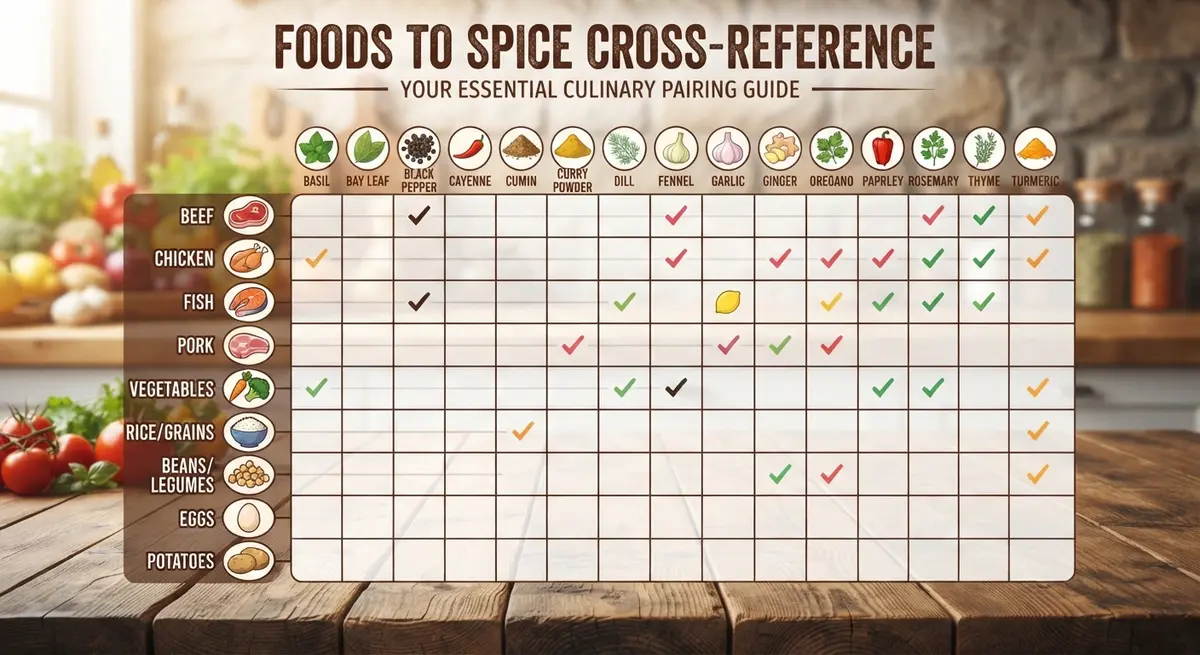
This is the chapter I wish I had when I started cooking seriously: a plain-English cheat sheet for matching the foods you actually cook to the spices that flatter them. No exact ratios here, just direction — the measured amounts live in the articles that focus on each one.
Why This Pairing Matters
Most spice mistakes are not about too much or too little; they are about the wrong spice for the food. Sweet, earthy vegetables welcome warm, toasted spices such as cumin and nutmeg, while rich proteins hold up to bigger, bolder ones like smoked paprika and fennel seed. Use the list as a starting point, then taste, adjust, and make it yours. Roughly one teaspoon per serving is a good place to begin.
The Best Spices for It
Poultry and Meat
- Chicken: smoked paprika + thyme; turkey: sage + black pepper.
- Beef: black pepper + rosemary; pork: fennel seed + garlic; lamb: cumin + mint.
Fish and Seafood
- Salmon: dill + lemon zest; white fish: coriander + fennel; shrimp: paprika + garlic.
- Tuna: black pepper + lemon zest; scallops: white pepper + citrus zest; mussels: garlic + chili.
Plant Proteins
- Tofu: five-spice + ginger; eggs: paprika + chives; lentils: curry powder + bay.
- Beans: cumin + smoked paprika; chickpeas: za'atar + lemon zest.
Vegetables
- Potatoes: rosemary + black pepper; sweet potatoes: cinnamon + cumin; carrots: cumin + coriander.
- Cauliflower: smoked paprika; broccoli: garlic + chili flakes; green beans: sesame + garlic.
- Mushrooms: thyme + black pepper; spinach: nutmeg + garlic; kale: smoked paprika + lemon zest.
- Cabbage: caraway + mustard seed; zucchini: oregano + garlic; eggplant: za'atar.
- Tomatoes: oregano + basil; corn: chili powder + lime zest; onions: smoked paprika; pumpkin: cinnamon + nutmeg.
Root Vegetables
- Beets: caraway + orange zest; parsnips: nutmeg + thyme; turnips: mustard seed + honey.
Fruit and Chocolate
- Apples: cinnamon + cardamom; berries: black pepper + cardamom; bananas: nutmeg + allspice.
- Pears: ginger + cinnamon; melon: black pepper or mint; avocado: lime + cumin; chocolate: cinnamon + a pinch of cayenne.
Dairy and Grains
- Yogurt: mint + cumin; ricotta: lemon zest + nutmeg; cheese: smoked paprika.
- Rice: cardamom + cinnamon; oats: cinnamon + cardamom; quinoa: cumin + coriander.
- Couscous: za'atar + lemon zest; barley: thyme.
How to Use Them Together
Start with one pairing per dish and learn its voice before stacking blends. A simple guide: one part strong spice (cumin, fennel, smoked paprika) to two parts mild (coriander, thyme, garlic powder) keeps things balanced. When in doubt, match intensity to the food — delicate fish and tofu like lighter spices, while beef and pork can handle more.
Quick Fixes & Variations
No spice on hand? Use the closest sibling from the list — oregano stands in for thyme, cumin for coriander. And when a pairing feels flat, finish with acid or salt before you add more spice; most flat dishes need one pinch, not one more scoop.
FAQ / Quick Facts
- How do I choose if a food lists two spices? Start with the more common one, taste the dish, then add the second only if it still feels incomplete.
- Do these pairings work in sweet recipes too? Yes — the apple, berry, and chocolate entries are built for desserts.
- Where do fresh herbs fit in? In most of these pairings, tender herbs added near the end are every bit as good as dried spice — use both.
Related Articles
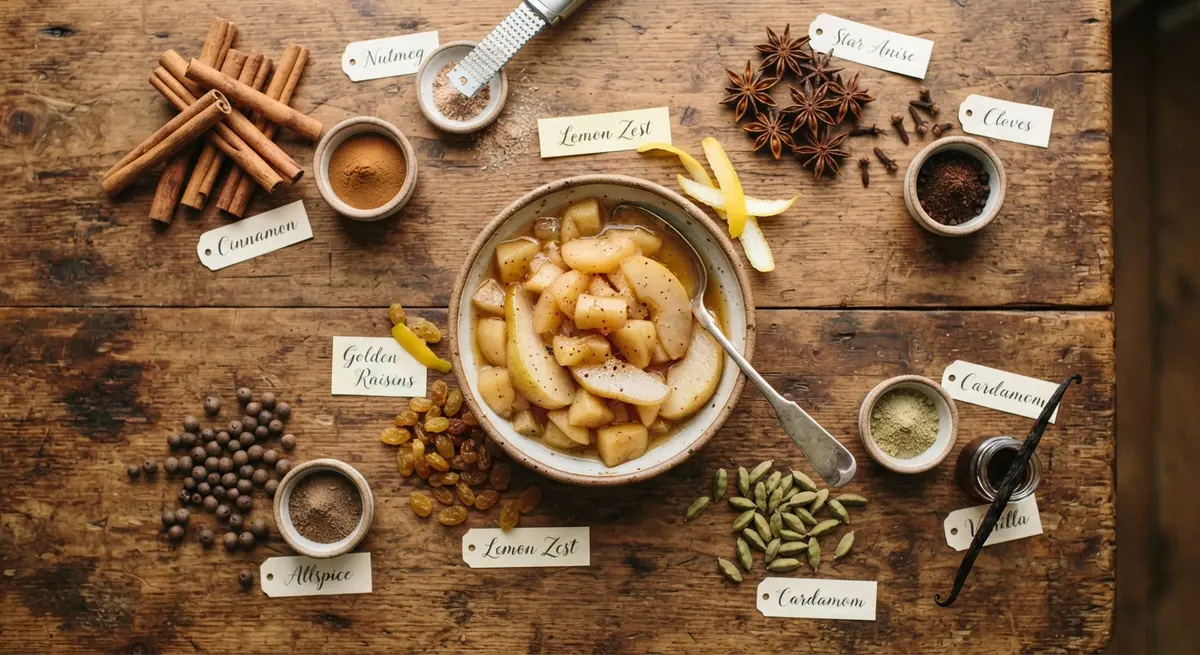
Apple and Pear Spice Pairings: Elevating Simple Fruit Compotes
Simmer a few apples and pears with a pinch of the right spice, and you have a compote that belongs on everything.
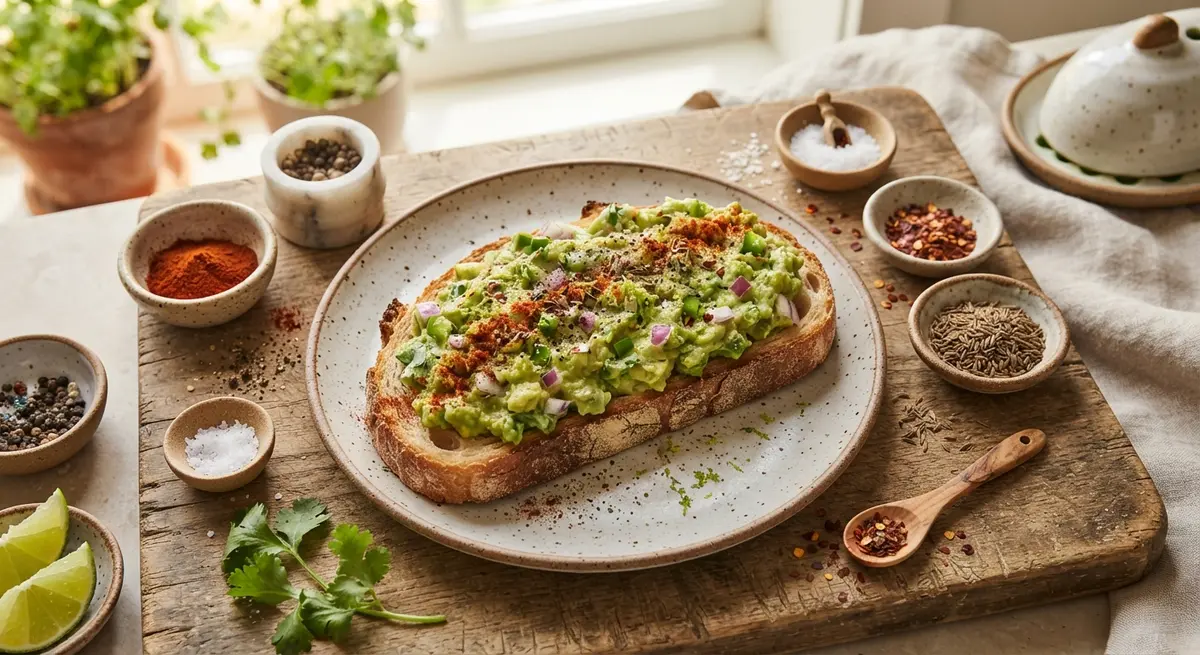
Avocado and Spice: Elevating Guacamole and Toasts Beyond Salt and Pepper
Avocado is rich and fatty, so a little acid and a few warm spices make it taste bigger. Here is the guacamole and toast upgrade.
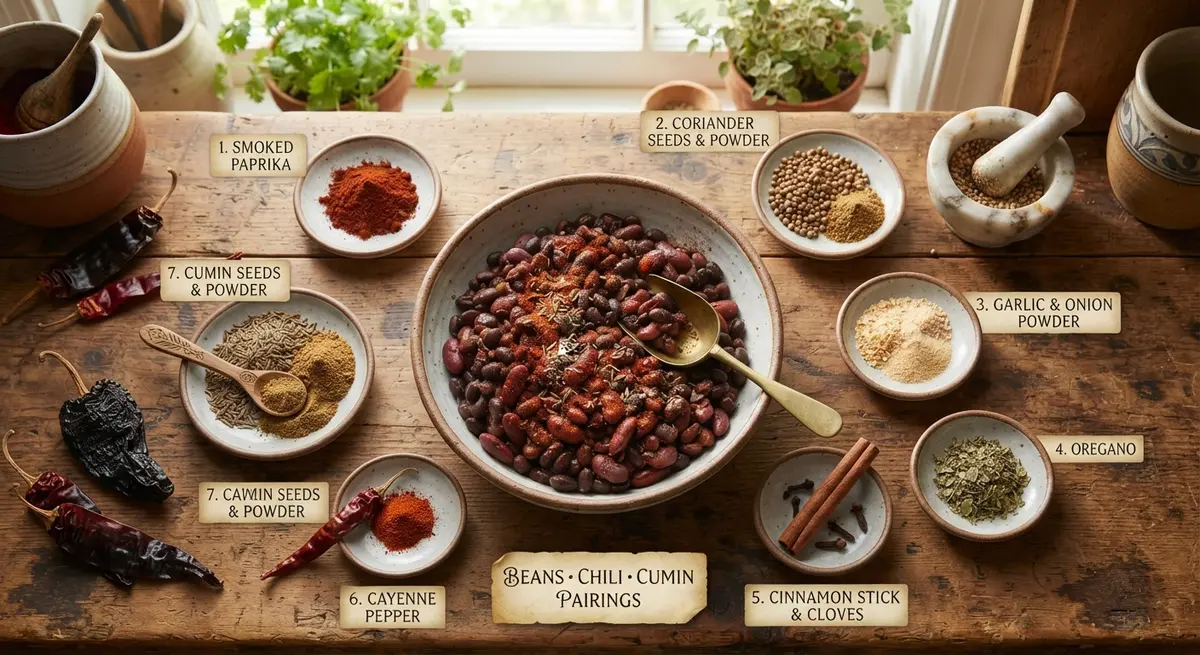
Beans, Chili, and Cumin: The Spice Trio That Turns a Pot Into a Feast
Beans accept almost any spice, but chili, cumin, and paprika make them taste like the pot cooked for hours. Let them bloom and your shortcut dinner wins.
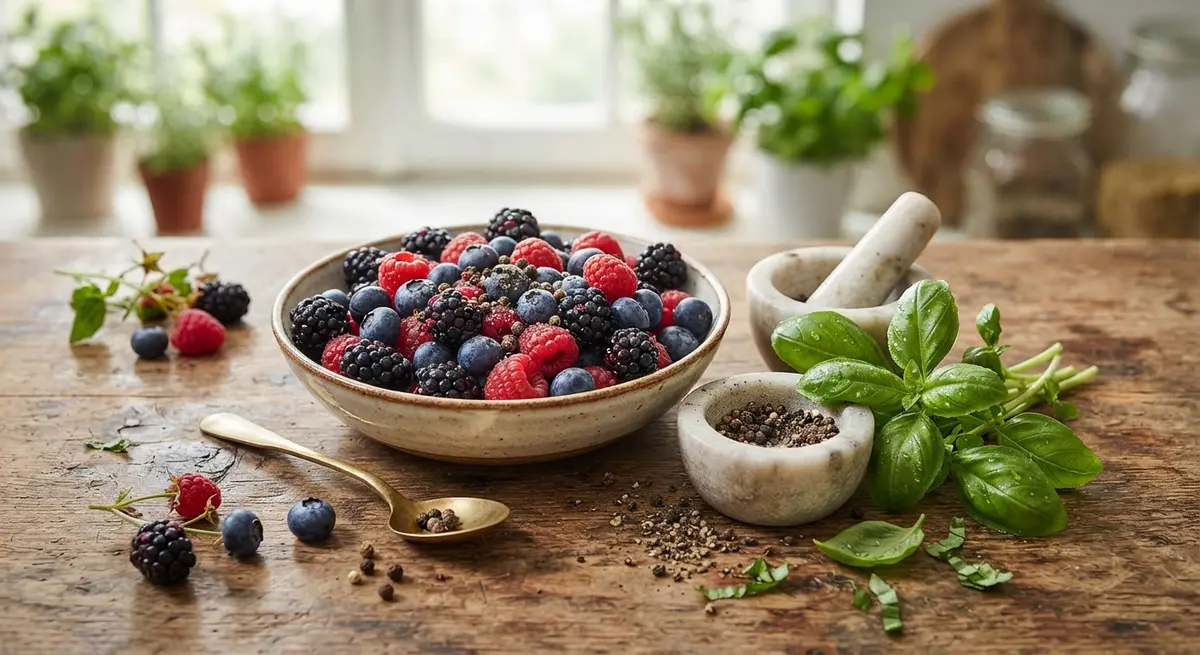
Berry and Spice: Pairing Fresh Berries with Black Pepper and Basil
Berries love black pepper, and the plain version starts to seem unfinished. Here is how to macerate and spice strawberries, raspberries, and blueberries.
About the Authors
This recipe and guide was developed, tested, and approved in our home kitchen and daily life. Jamy is a retired Food Service District Manager and Early Childhood Program Manager who spent his career overseeing multi-site restaurant operations, large-scale culinary production, and daycare menu management. Kaïna brings the ultimate real-world test: making sure it brings ease and joy to our kids on a busy weeknight.
Read more about our professional background and philosophy →