Egg and Spice: Transforming Morning Scrambles with Middle Eastern Flair
By the QuiteRecipes team (Jamy & Kaïna)
Eggs are a blank canvas and a quick meal. A pinch of za'atar or sumac in hot butter turns them into the best part of the morning.
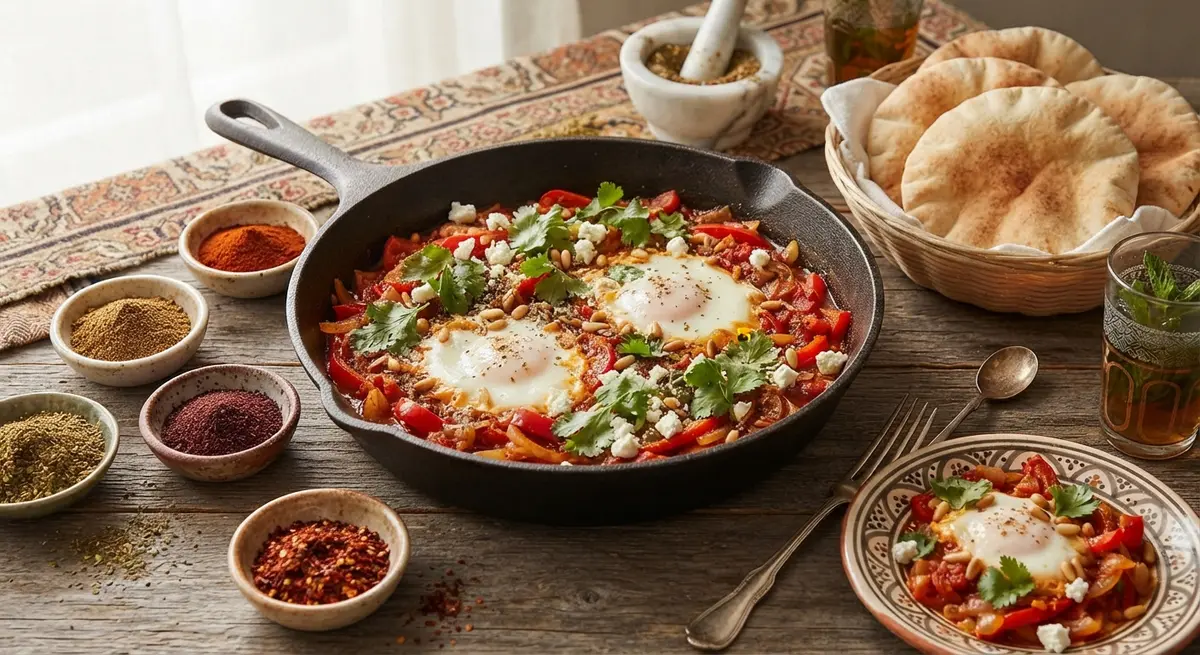
Some mornings need eggs to be more than just eggs, and ours usually do. Since we started keeping a jar of za'atar and a tin of sumac next to the stove, plain scrambled eggs have become the fastest, cheapest way to taste like we traveled for breakfast.
Why This Pairing Matters
Eggs have a gentle, almost creamy character that takes seasoning better than almost anything in the kitchen, and Middle Eastern spice blends are built exactly for dishes like this. Za'atar brings sesame, thyme, and sumac in one shake; sumac adds a lemony tartness that wakes up the yolk; harissa supplies heat that belongs in a shakshuka; dukkah offers toasted nuts and seeds for texture; and a pinch of turmeric turns everything a beautiful gold. Because eggs cook in minutes, the trick is blooming the spice in the butter first so it releases its aroma before the eggs ever join.
The Best Spices for It
- Za'atar: 1 teaspoon stirred into softened butter or sprinkled over the finished eggs for sesame-thyme brightness.
- Sumac: 1/2 teaspoon scattered on top at the end; the sour pop is the whole point.
- Harissa: 1 to 2 teaspoons stirred into scrambled eggs right before they set, for heat and a whisper of roasted pepper.
- Dukkah: 1 tablespoon pressed onto the surface of fried eggs, or rolled around soft-boiled eggs for a crunchy coat.
- Baharat: 1/2 teaspoon whisked into the beaten eggs for a warm, allspice-led depth that suits shakshuka-style mornings.
- Turmeric: 1 pinch, about 1/8 teaspoon, bloomed in the butter for color and a faint, earthy warmth.
How to Use Them Together
Set the heat to low and let the butter melt slowly. Add the spice, turmeric or baharat, to the hot butter first and give it thirty seconds to bloom, then pour in the beaten eggs. Low heat and slow, patient folding are what make scrambled eggs creamy; high heat is how they turn rubbery no matter what you added. Let the eggs mostly set, then pull them off the heat while they still look a touch soft, because carryover cooking finishes the job. For a shakshuka moment, build a tomato and cumin base in the pan, crack the eggs into it, and dust the top with smoked paprika before the lid goes on.
Quick Fixes & Variations
Keep it to one jar and za'atar alone will carry a whole breakfast. Out of za'atar? Dried oregano, sesame seeds, and a little sumac approximate it fast. Leftover dukkah is excellent over avocado toast or labneh at lunch. If the eggs taste shy on salt, sumac adds seasoning without the sodium, and a pinch of red pepper flakes bloomed in the butter is the fastest heat upgrade when harissa is missing.
FAQ / Quick Facts
- What is the difference between za'atar and sumac? Za'atar is a blend of thyme, sesame, and sumac, while sumac is a single spice with a lemony, tart flavor.
- Should I bloom the spice in butter or oil? Either works, but butter carries flavor beautifully, and low heat keeps it from browning too fast.
- How do I stop eggs from turning rubbery? Cook them on low heat, keep stirring gently, and pull them off the stove while they are still slightly soft.
Related Articles
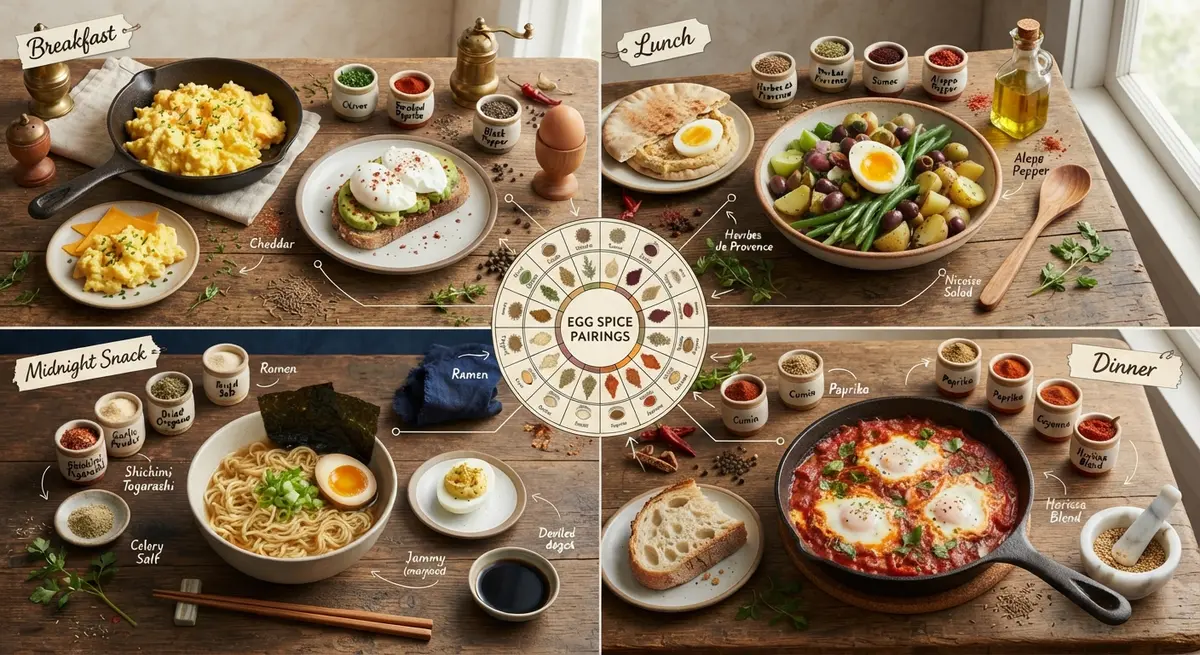
Spice Pairings for Eggs That Work From Sunrise to Suppertime
Scrambles, omelets, and baked eggs all love spice, but they want different friends. Match the cooking method to the pairing and eggs never feel boring again.
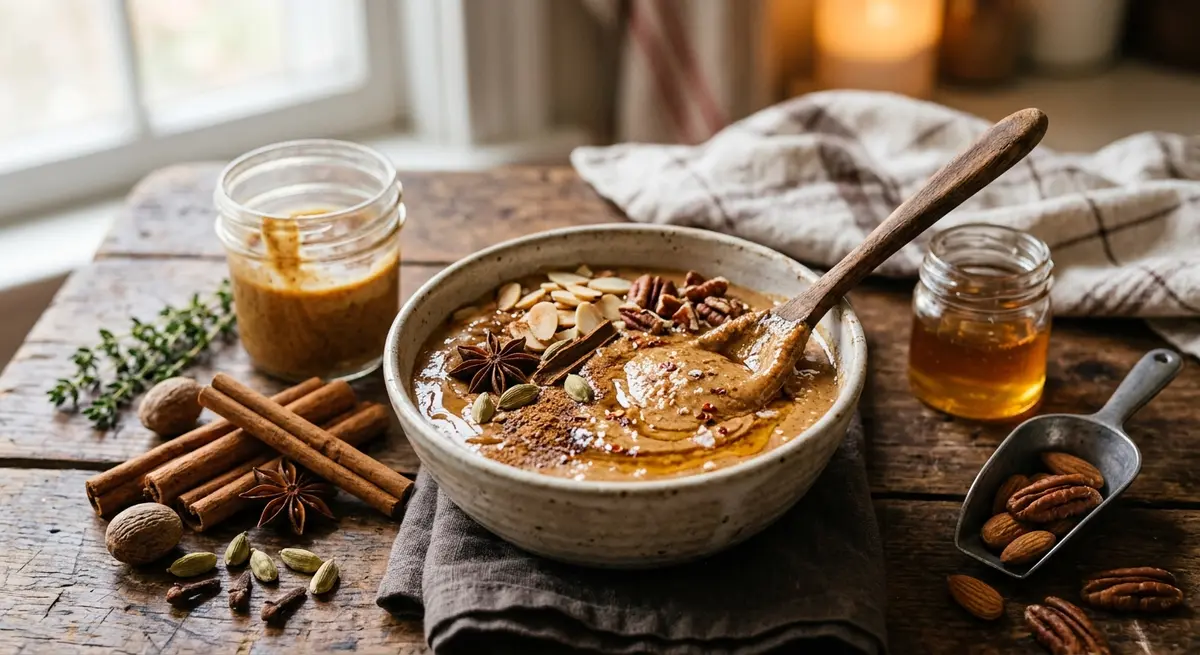
Nut Butter and Spice: Upgrading Simple Spreads with Warm Aromatics
A jar of nut butter is a blank snack. A pinch of warm spice turns it into toast, sauce, and smoothie magic worth lingering over.
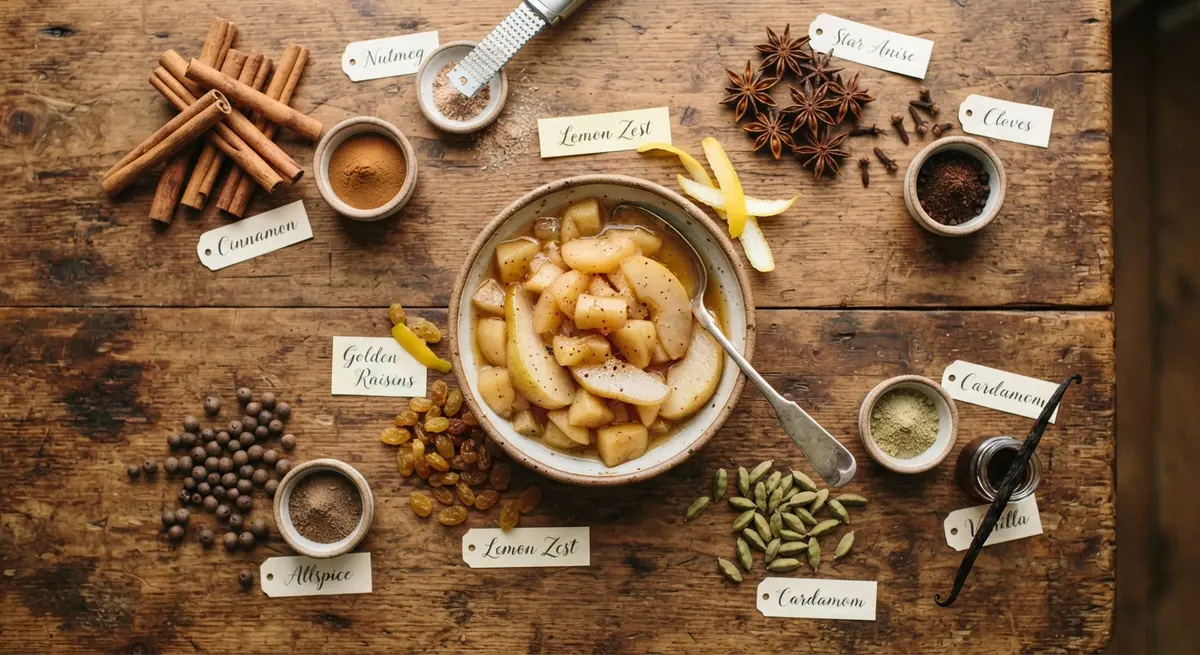
Apple and Pear Spice Pairings: Elevating Simple Fruit Compotes
Simmer a few apples and pears with a pinch of the right spice, and you have a compote that belongs on everything.
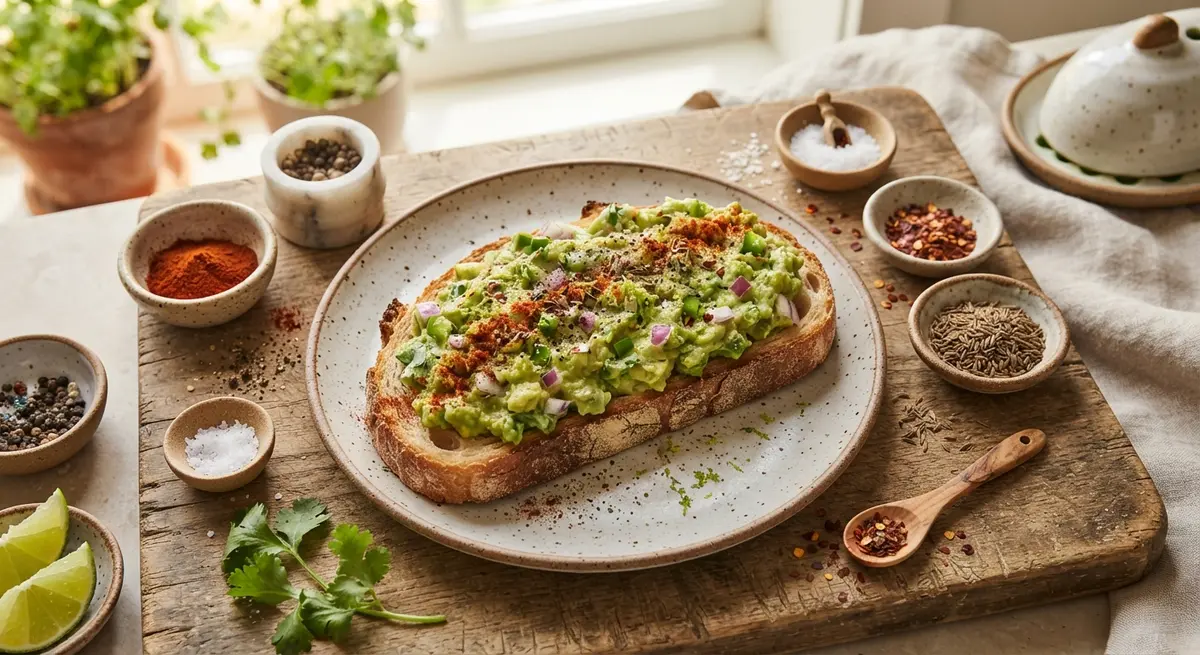
Avocado and Spice: Elevating Guacamole and Toasts Beyond Salt and Pepper
Avocado is rich and fatty, so a little acid and a few warm spices make it taste bigger. Here is the guacamole and toast upgrade.
About the Authors
This recipe and guide was developed, tested, and approved in our home kitchen and daily life. Jamy is a retired Food Service District Manager and Early Childhood Program Manager who spent his career overseeing multi-site restaurant operations, large-scale culinary production, and daycare menu management. Kaïna brings the ultimate real-world test: making sure it brings ease and joy to our kids on a busy weeknight.
Read more about our professional background and philosophy →