Perfect Matches: Which Spices Elevate Bitter Greens Like Kale and Chard?
By the QuiteRecipes team (Jamy & Kaïna)
Kale and chard turn from bitter to brilliant when you bring in the right fat, acid, sweetness, and umami, and here is the simple playbook.
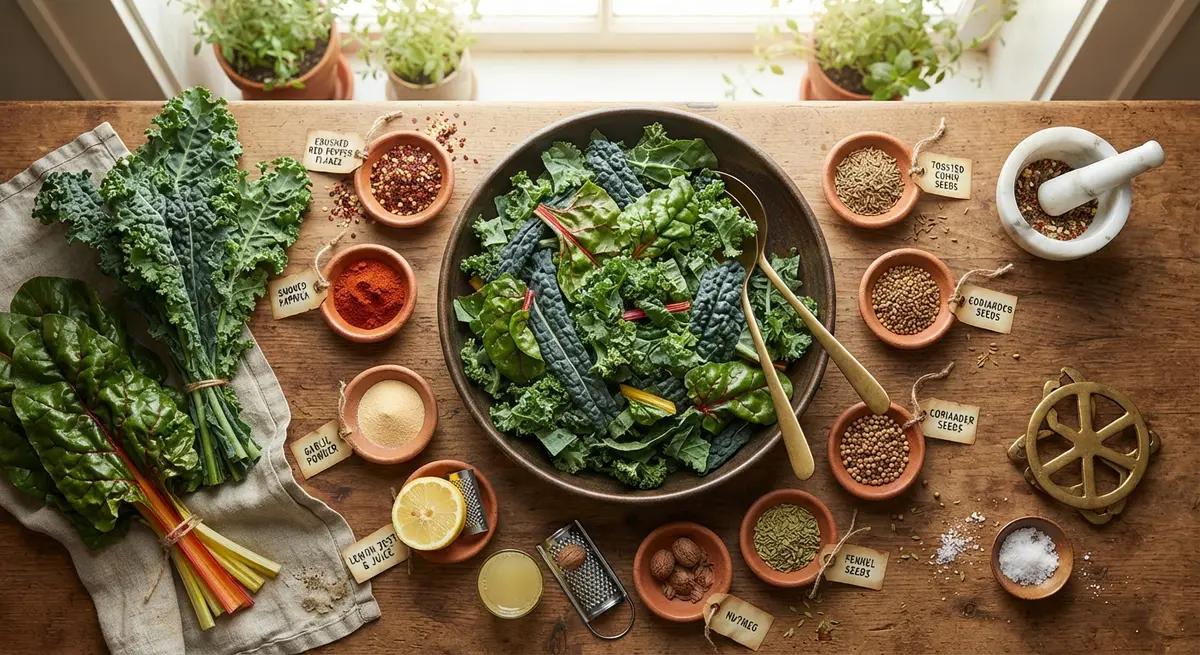
Kale and chard have a reputation for bitterness that keeps some cooks at a distance. The truth is, bitterness is not the enemy — it is what makes these greens interesting, and it responds well to a few dependable tricks. The right balance of fat, acid, sweetness, and umami turns tough leaves into the best part of the plate. Warm spices get more credit than salt for the job, so let us put them to work.
Why This Pairing Matters
Bitterness is a flavor the body notices, and it often gets countered the wrong way: with more salt. Instead, think of it as an equation. Fat, like a generous splash of olive oil, rounds the edges. Acid, from lemon juice or a bit of vinegar, cuts through. Sweetness, whether a touch of honey or a whisper of cinnamon, softens. And umami from garlic, shallots, smoked paprika, or mushroom powder makes everything feel substantial. Stack those together and greens stop being a chore.
The Best Spices for It
- 1/2 tsp ground cinnamon for sautéed chard or roasted kale with a touch of honey
- 1/4 tsp ground nutmeg stirred into a creamy chard skillet or gratin
- 1/2 tsp smoked paprika for smoky, deep-flavored sautéed greens with garlic
- 1 tsp mushroom powder (finely ground dried porcini) for instant umami in braised greens
- 2 cloves garlic or 1 minced shallot sautéed in olive oil before the greens hit the pan
- 1/2 tsp red pepper flakes for gentle heat that distracts the palate from bitterness
How to Use Them Together
Start almost every green dish the same way: warm olive oil, then garlic and shallot over medium heat until fragrant. Toss in your warm spice of choice, then add the greens in handfuls, letting each batch wilt before adding more. Finish with a squeeze of lemon and a touch of honey if you went sweet. For kale, massage it with a little salt, olive oil, and lemon before using it raw — that softens both the leaves and the bite. For chard, chop the stems first and cook them a few minutes before the leaves, since they take longer.
Quick Fixes & Variations
Pressed for time? Sauté garlic and smoked paprika in olive oil, wilt a bag of kale, and dinner is five minutes away. If your greens still taste sharp, a drizzle of honey or a pinch of sugar at the end pulls it back. Roast whole chard or kale leaves at 425 degrees with cinnamon and a touch of honey until crisp for an instant snack. Leftover braised greens are fantastic folded into eggs or spooned over beans.
FAQ / Quick Facts
- Why does fat help bitter greens taste better? Fat coats the tongue and smooths out sharp flavors, which is why olive oil is the classic partner for kale and chard.
- Does cinnamon actually reduce bitterness? Warm sweet spices do not erase bitterness, but they balance it the way a spoon of honey in tea does, making the mix pleasant overall.
- Should I add salt or sugar first? Taste before you add anything; usually fat and acid fix most of it, and salt or sugar comes only as the final tweak.
- Can I use these spices on raw salads? Yes, just massage kale with oil and lemon first, then finish with a sprinkle of smoked paprika or a pinch of cinnamon.
Related Articles
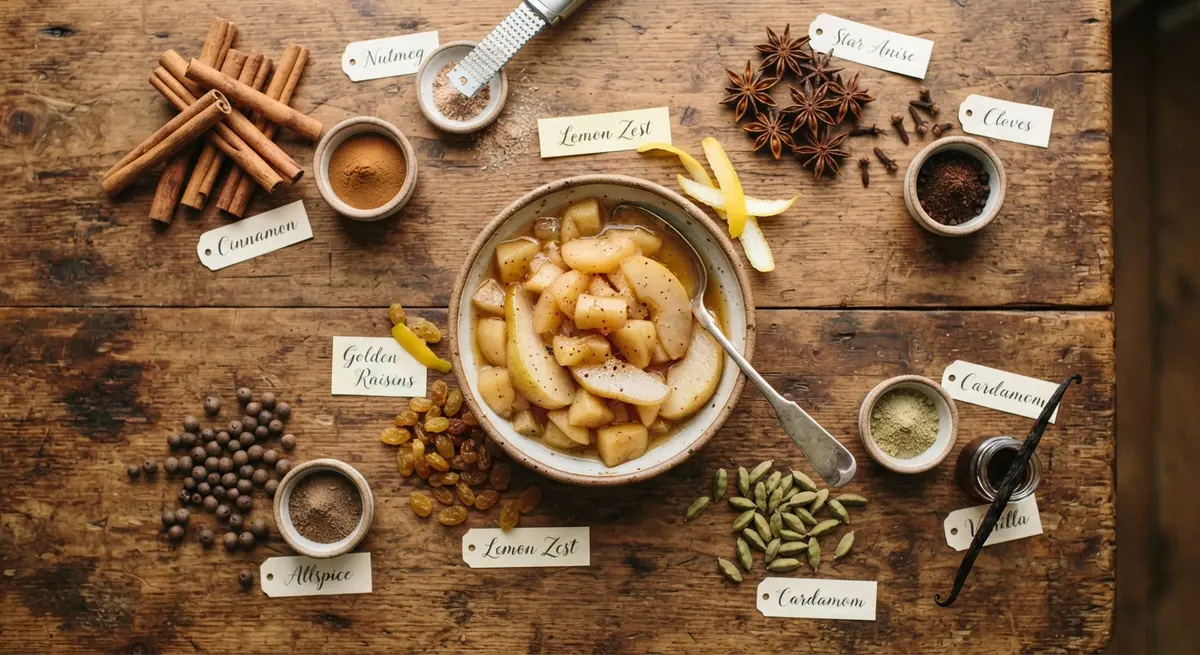
Apple and Pear Spice Pairings: Elevating Simple Fruit Compotes
Simmer a few apples and pears with a pinch of the right spice, and you have a compote that belongs on everything.
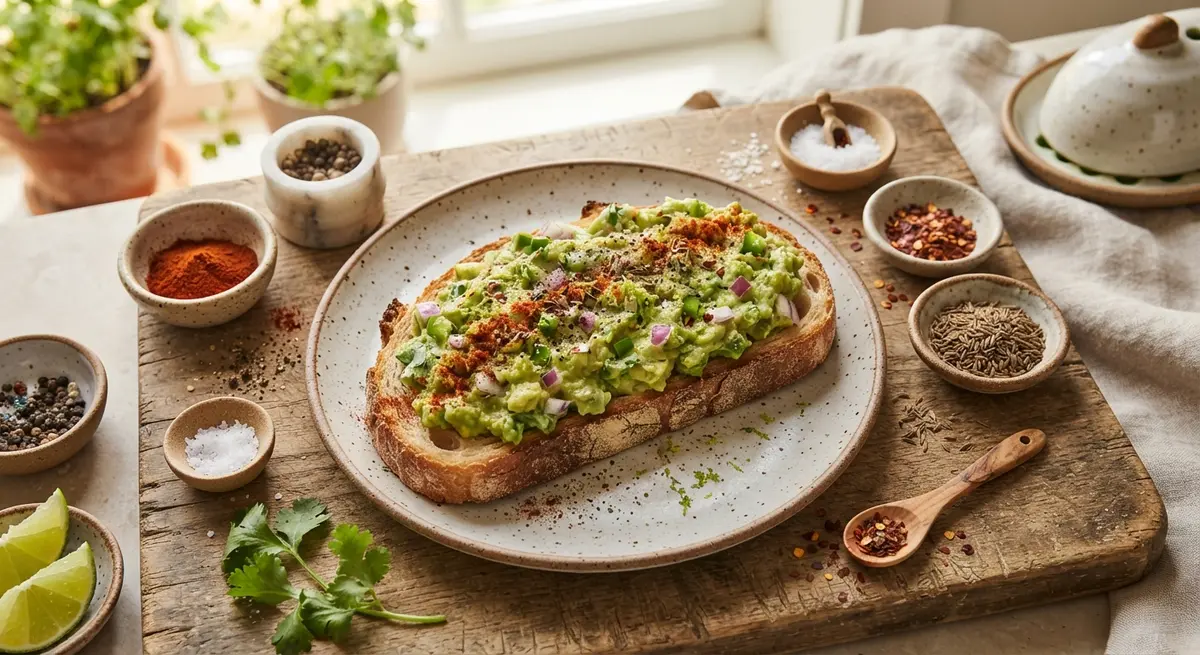
Avocado and Spice: Elevating Guacamole and Toasts Beyond Salt and Pepper
Avocado is rich and fatty, so a little acid and a few warm spices make it taste bigger. Here is the guacamole and toast upgrade.
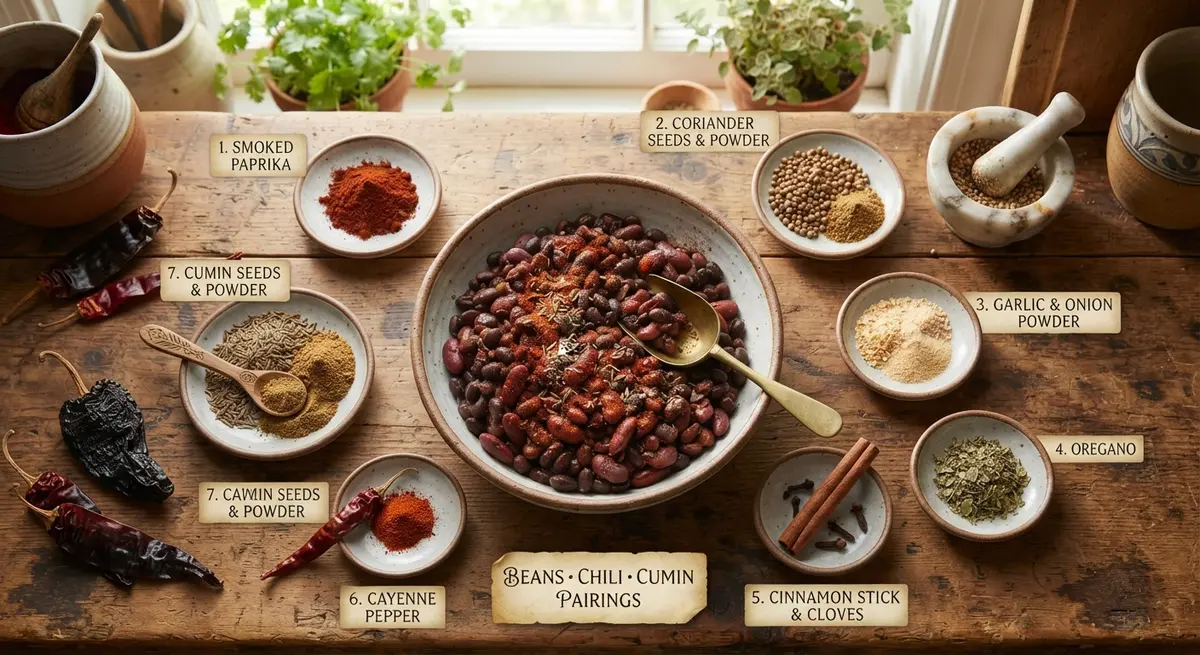
Beans, Chili, and Cumin: The Spice Trio That Turns a Pot Into a Feast
Beans accept almost any spice, but chili, cumin, and paprika make them taste like the pot cooked for hours. Let them bloom and your shortcut dinner wins.
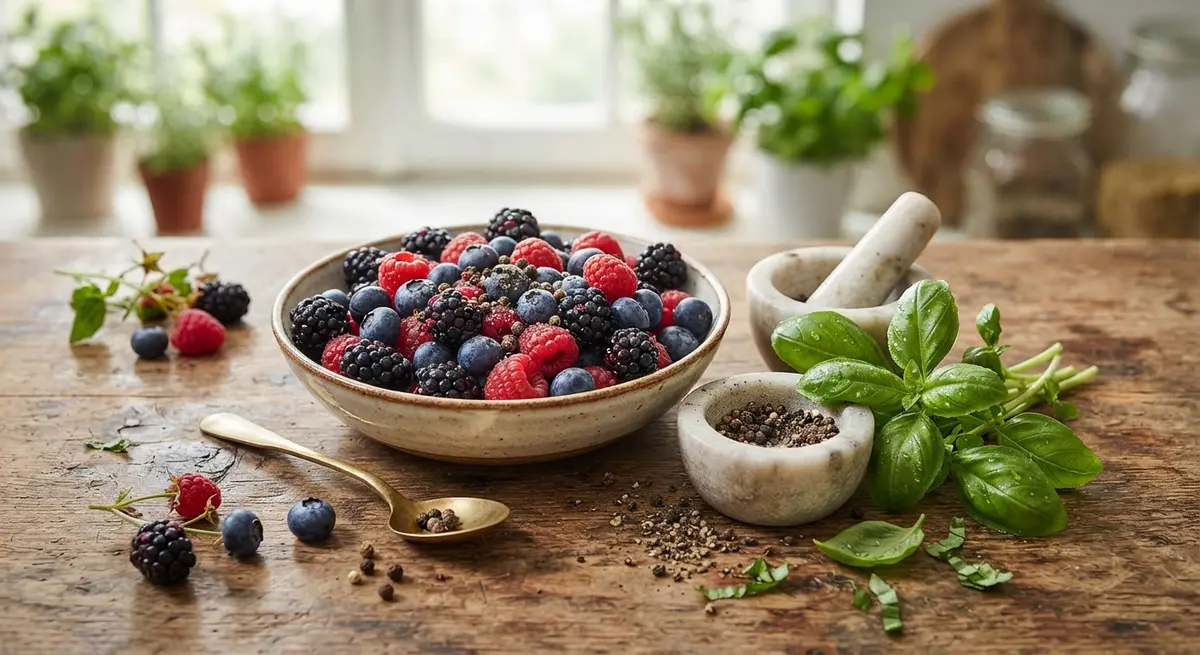
Berry and Spice: Pairing Fresh Berries with Black Pepper and Basil
Berries love black pepper, and the plain version starts to seem unfinished. Here is how to macerate and spice strawberries, raspberries, and blueberries.
About the Authors
This recipe and guide was developed, tested, and approved in our home kitchen and daily life. Jamy is a retired Food Service District Manager and Early Childhood Program Manager who spent his career overseeing multi-site restaurant operations, large-scale culinary production, and daycare menu management. Kaïna brings the ultimate real-world test: making sure it brings ease and joy to our kids on a busy weeknight.
Read more about our professional background and philosophy →