Salt-Free Poultry Rub: Protecting Heart Health Without Sacrificing Flavor
By the QuiteRecipes team (Jamy & Kaïna)
Sage, thyme, rosemary, and garlic with zero salt. One rub for chicken and turkey that keeps hearts happy and dinner full of flavor.
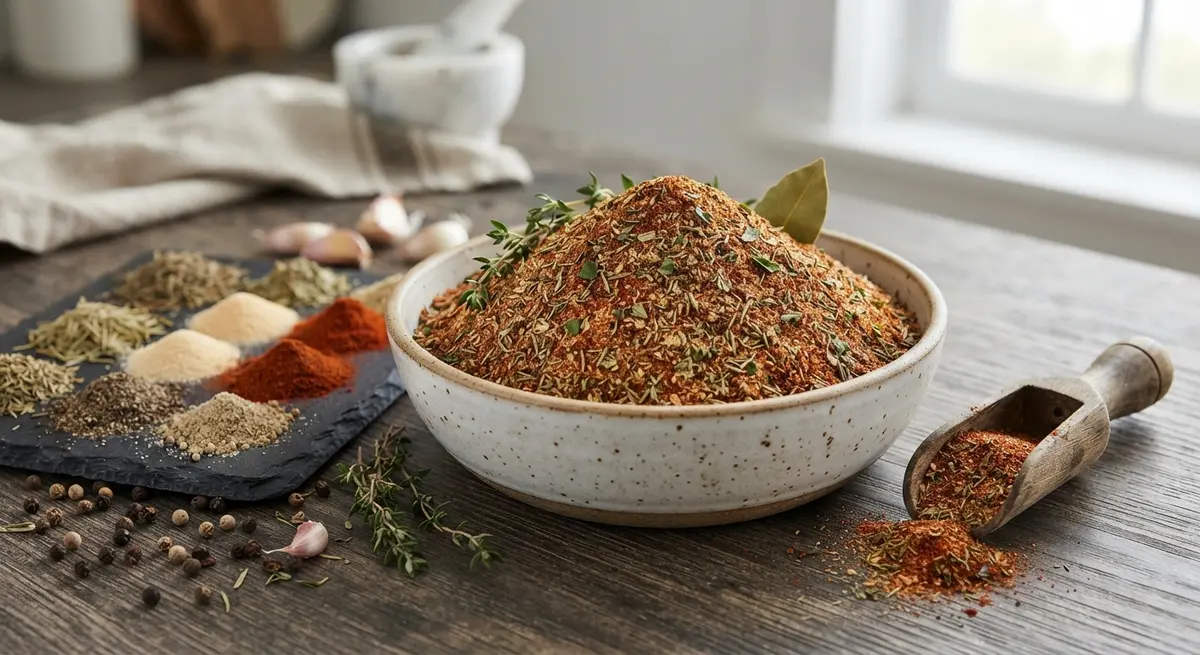
I made this rub after a doctor visit gently reminded our family to watch sodium, and my first roasted chicken with it sold me forever. Mine lives in a jar labeled in our own handwriting, and now it seasons just about every bird that comes home. Cutting the salt does not mean cutting flavor; it means the herbs get to be the whole show.
What It Is & Where It Comes From
A salt-free poultry rub is a herb-led seasoning for chicken and turkey built on the classics of the garden: sage, thyme, marjoram, and rosemary, with paprika, garlic, onion, and black pepper adding color and warmth. A little celery seed or cayenne gives it an extra nudge. Keeping sodium out of the mix supports heart-health-conscious cooking at home, and the herbs are assertive enough that nobody at the table feels like the chicken is missing anything.
The Blend: Ratios That Work
For a big jar, measure:
- 3 tbsp rubbed sage
- 2 tbsp dried thyme
- 2 tbsp dried marjoram
- 1 tbsp dried rosemary, crushed
- 1 1/2 tbsp paprika
- 1 tbsp garlic powder
- 1 tbsp onion powder
- 1 tsp black pepper
- 1/2 tsp celery seed or 1/4 tsp cayenne, optional
Crush the rosemary between your fingers so none of it pokes through as a pine needle surprise. Stir well and taste a pinch; if you want more herb presence, add sage, since it is the heart of poultry seasoning style.
How to Use It
Rub the blend under and on top of the chicken or turkey skin before roasting, and let the bird sit in the fridge for a few hours if you have them, so the herbs can soak in. For a whole roasted chicken, about two tablespoons does the work; use two or three times that for a turkey. If you miss the salt crunch, salt only the skin or brine the bird separately before using the rub, which keeps the sodium where you choose. The same blend is lovely on roasted vegetables or stirred into a simple breadcrumb topping.
Variations & Storage
Dried sage and marjoram are worth hunting down; together they give the rub that gentle, savory poultry character. Swap rosemary for tarragon when you want a delicate twist, or let cayenne take over when you want heat. The rub keeps in an airtight jar in a cool, dark cabinet for about six months, staying lively and green. Keep the lid tight, because dried herbs fade fastest when they meet air and light.
FAQ / Quick Facts
- Why should I use a rub without salt? It keeps sodium low for heart-health-conscious cooking; everyone can salt the skin at the table if they want more.
- Where should the rub go? Under and on the skin is the trick, so the herbs season the meat and perfume the fat.
- Does it work on turkey too? Yes, scale up the amount for a turkey and apply it the same way before roasting.
- How long does the dry rub last? Stored in an airtight jar away from light, it stays full-flavored for about six months.
Related Articles
Salt-Free Fajita Seasoning: Big Flavor for Blood-Sugar-Friendly Cooking
Cumin-heavy, smoky, and totally free of salt and sugar. One seasoning that makes chicken and peppers taste like Tuesday night Fiesta.
How to Mix the Perfect Salt-Free Cajun Seasoning for Heart Health
I stopped buying Cajun seasoning the week I read the sodium label. Making my own means I get the heat and the heart-friendly part.
Tandoori Spice Blend: Achieving Restaurant-Style Color and Depth Without Dyes
Skip the food coloring. Cumin, coriander, ginger, and Kashmiri-style chili give chicken that vibrant tandoori look right at home.
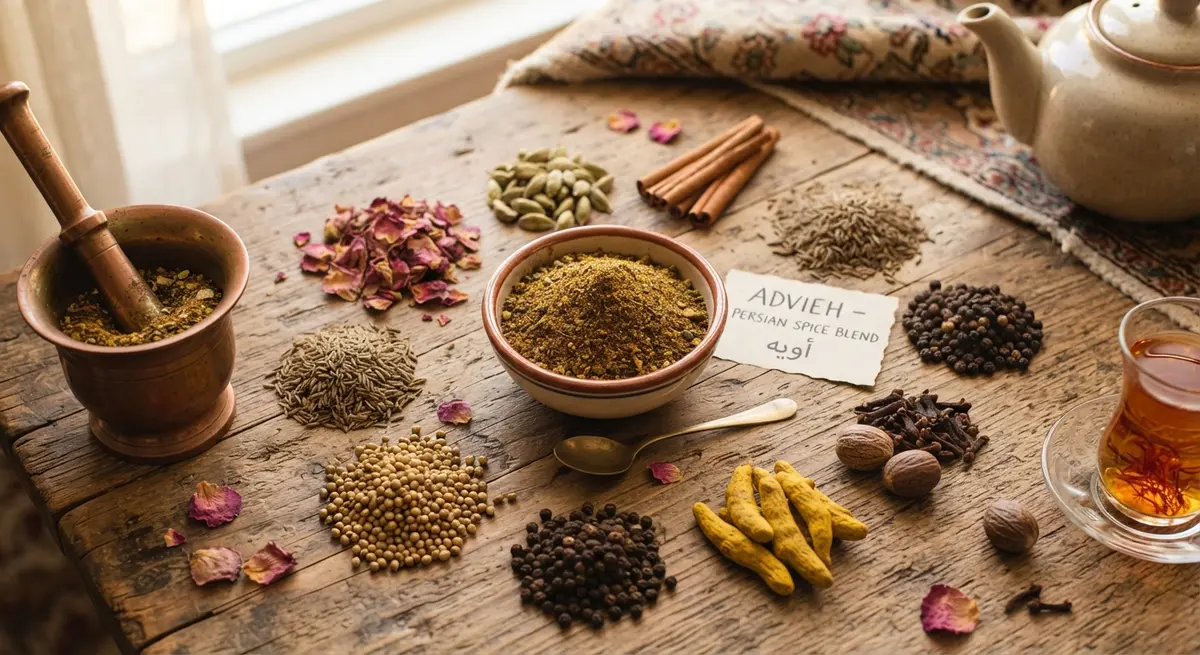
Advieh: Exploring the Aromatic Spice Blends of Persian Cuisine
Cinnamon, cardamom, turmeric, and rose petals in one jar? That is advieh, the Persian blend that turns plain rice into an occasion.
About the Authors
This recipe and guide was developed, tested, and approved in our home kitchen and daily life. Jamy is a retired Food Service District Manager and Early Childhood Program Manager who spent his career overseeing multi-site restaurant operations, large-scale culinary production, and daycare menu management. Kaïna brings the ultimate real-world test: making sure it brings ease and joy to our kids on a busy weeknight.
Read more about our professional background and philosophy →